




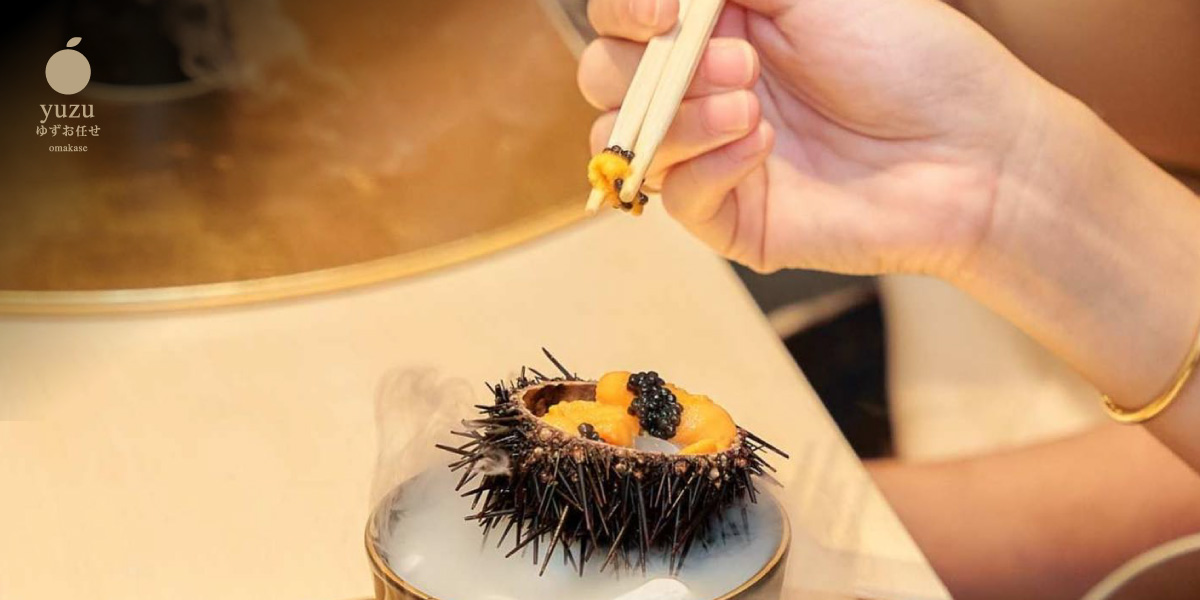
What is Uni Sushi?
Uni sushi is a bite of vinegared rice topped with uni—the creamy, sweet-briny edible gonads of a sea urchin—most often served as gunkan (a nori-wrapped “battleship”) or as delicate nigiri. Fresh uni tastes custardy and ocean-clean; poor-quality uni can taste bitter or ammoniacal. What is uni (and why it’s not “roe”)? Many people think uni… Continue reading What is Uni Sushi?
Local Story ● 2025 Sep 11
Uni sushi is a bite of vinegared rice topped with uni—the creamy, sweet-briny edible gonads of a sea urchin—most often served as gunkan (a nori-wrapped “battleship”) or as delicate nigiri. Fresh uni tastes custardy and ocean-clean; poor-quality uni can taste bitter or ammoniacal.

What is uni (and why it’s not “roe”)?
Many people think uni is roe, but it’s not. Uni refers to the gonads of sea urchins, which are harvested and eaten raw. Each sea urchin has five golden-orange lobes, varying in firmness and flavor.In Japan, uni is highly prized, with Hokkaido producing some of the world’s best sea urchin for sushi. Other notable regions include Santa Barbara (California) and Maine in the U.S. Because uni is delicate and perishable, freshness directly impacts its flavor and texture.

What does uni taste like?
At its best, uni has a sweet, briny, umami-rich flavor with a soft custard-like texture. Fans often describe it as oceanic yet creamy, sometimes compared to foie gras or oysters.When uni is bad, it tastes bitter, metallic, or ammonia-like and may feel slimy. This is why freshness is key—uni can either be a luxurious delicacy or an unpleasant surprise.

How uni is served in sushi?
Gunkan (battleship) style
The most common presentation is uni gunkan maki. Rice is wrapped in nori to form a small wall that holds the uni lobes on top. This “battleship” style is popular because it keeps the soft uni secure.

Nigiri
Premium uni may also be served as uni nigiri, placed directly on rice without nori. This requires high-grade, larger lobes of uni. Because it’s harder to prepare and more expensive, uni nigiri is considered a refined way to enjoy the ingredient.

Types & origins (Bafun vs Murasaki + regions)
Different uni varieties vary in taste, color, and season:
| Type | Colour/Texture | Flavor Profile | Seasonality | Common Regions |
| Bafun Uni (Ezobafun) | Deep orange, firmer | Bold, briny, umami-rich | Late summer–early winter | Hokkaido, northern Japan |
| Murasaki Uni (Kitamurasaki) | Pale yellow, softer | Mild, sweet, clean | Summer | Hokkaido, Pacific side |
How to eat uni sushi (etiquette made easy)
Eating uni sushi correctly enhances the experience:
- Eat in one bite – both gunkan and nigiri are designed for a single mouthful.
- Use light soy sauce – never soak uni; brush soy gently onto the nori or rice.
Trust the chef – many sushi chefs season uni before serving, so always taste before adding more.

Freshness, grading & price basics
How to spot good uni:
- Bright yellow to orange (not dull brown).
- Firm lobes that hold their shape.
- Clean ocean scent, not fishy or sour.
Uni is often graded based on firmness, color, and size of lobes. High-grade uni goes to nigiri; mid-grade is common in gunkan or donburi bowls.Pricing depends on origin and season: Hokkaido Bafun uni commands premium prices, while Santa Barbara uni is more accessible.
Quick FAQs
- Is uni safe when pregnant?
- Uni is raw seafood; consult a doctor and follow local guidance.
- Uni vs roe (ikura/tobiko)?
- Uni is sea urchin gonads; ikura and tobiko are fish eggs.
- Uni sushi vs uni sashimi?
- Sushi includes rice, while sashimi is served plain.
Best season?
Murasaki uni peaks in summer; Bafun uni is best in late summer to winter.
📍 Yuzu Omakase Thailand 2F, 258/9-10 Siam Square Soi 3, Pathumwan, Bangkok
📞 Phone: 063-898-8989
RELATE
-
The Hinoki Counter: Why Sushi Is Served on Japanese Cypress
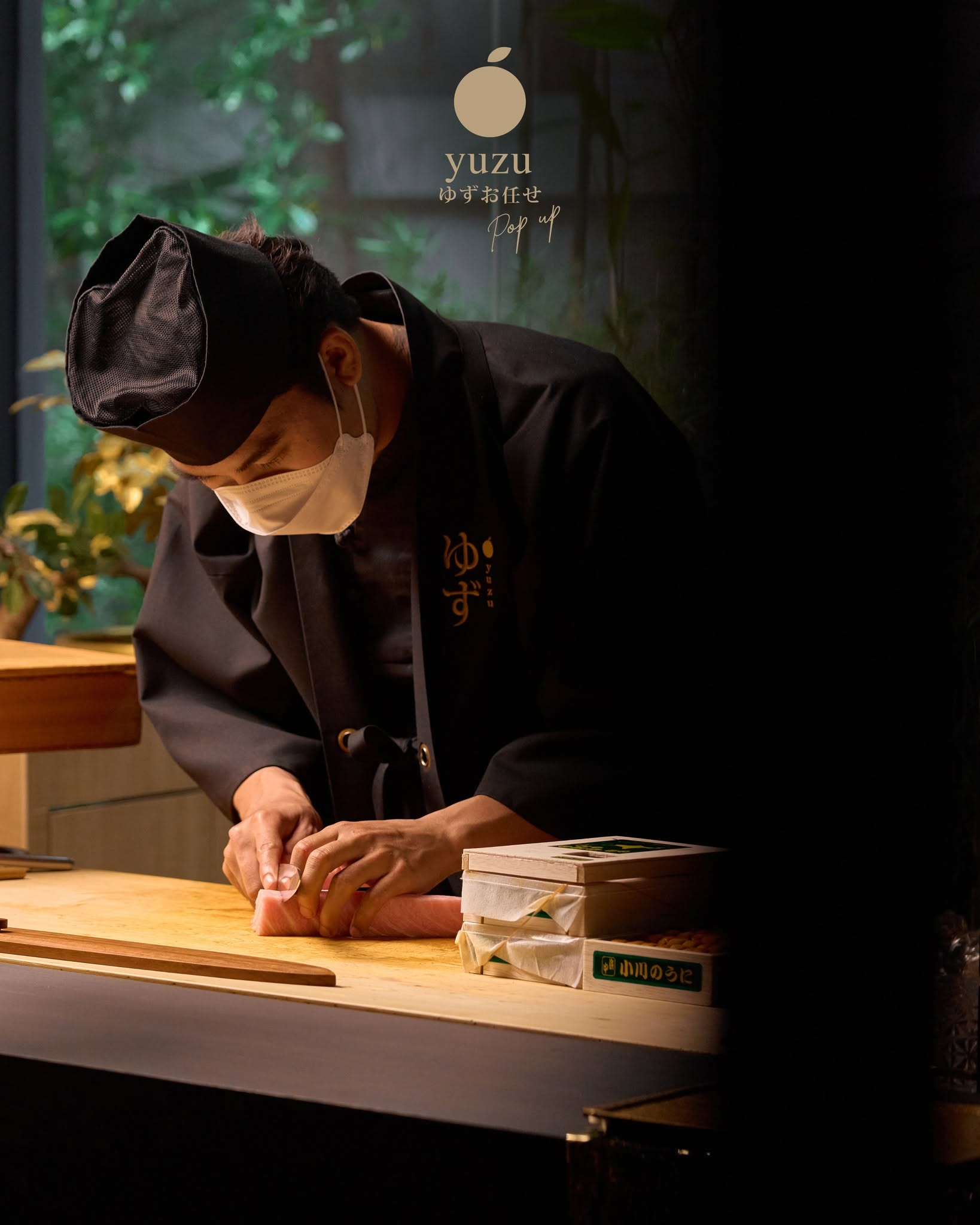
A hinoki counter is a sushi counter made from hinoki (檜), the Japanese cypress, Chamaecyparis obtusa, a conifer that grows naturally only in Japan. Sushi counters use it because the wood is pale, straight grained, resistant to water and rot, and keeps its scent for years, and the finest counters are cut from a single… Continue reading The Hinoki Counter: Why Sushi Is Served on Japanese Cypress
Local Story ● 2026 Oct 19
-
Ishigaki Dai: The Stone Wall Fish, and How It Differs From Ishidai
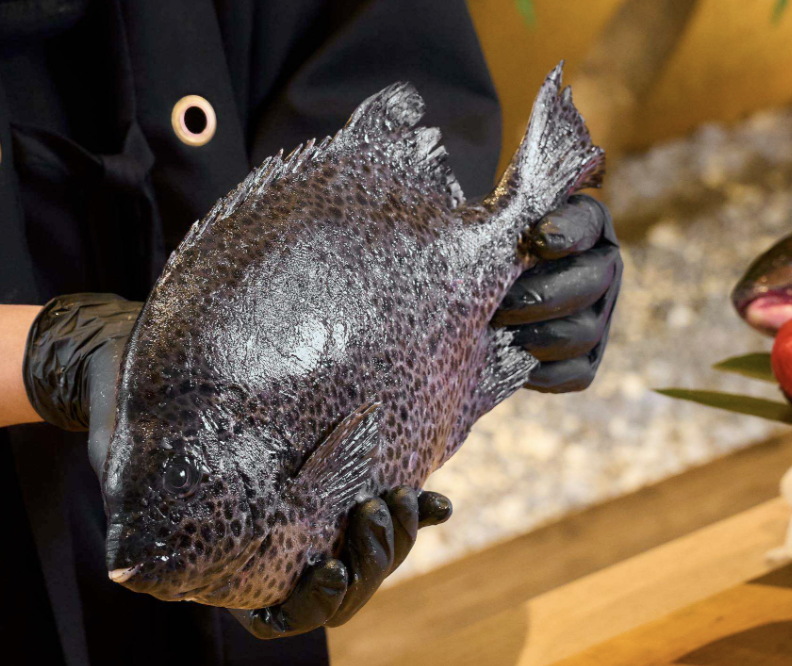
Ishigaki dai (イシガキダイ, 石垣鯛) is the spotted knifejaw, Oplegnathus punctatus, a white fleshed fish from the rocky coasts of southern Japan in the family Oplegnathidae. It is not another name for ishidai (石鯛). The two are separate species in the same family: ishigaki dai is covered in dark spots, and ishidai carries black vertical bars.… Continue reading Ishigaki Dai: The Stone Wall Fish, and How It Differs From Ishidai
Local Story ● 2026 Oct 19
-
The Best Season to Taste Amadai: Winter, or Summer?
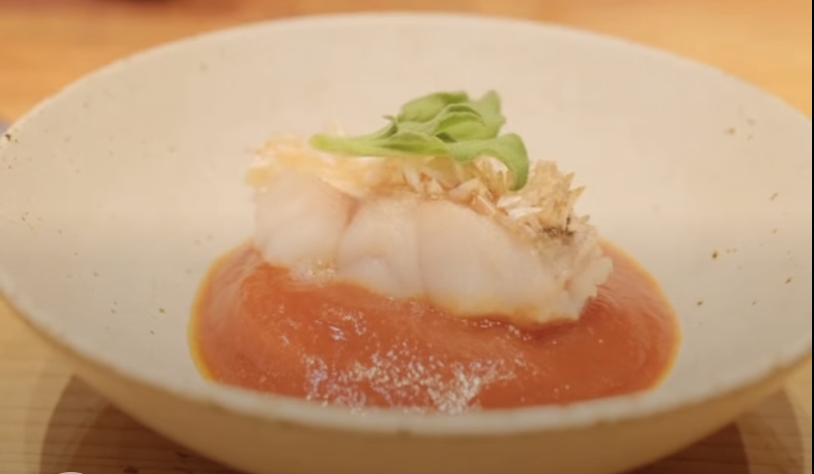
Japanese cooking calls amadai (甘鯛), the Japanese tilefish, a winter fish, at its best from roughly December to February, and Kyoto has a name for it in that season: kan-guji (寒ぐじ). Measured fat tells a different story. The Yamaguchi Prefectural Fisheries Research Center found that red amadai (アカアマダイ) from the Sea of Japan side carries… Continue reading The Best Season to Taste Amadai: Winter, or Summer?
Local Story ● 2026 Oct 18
-
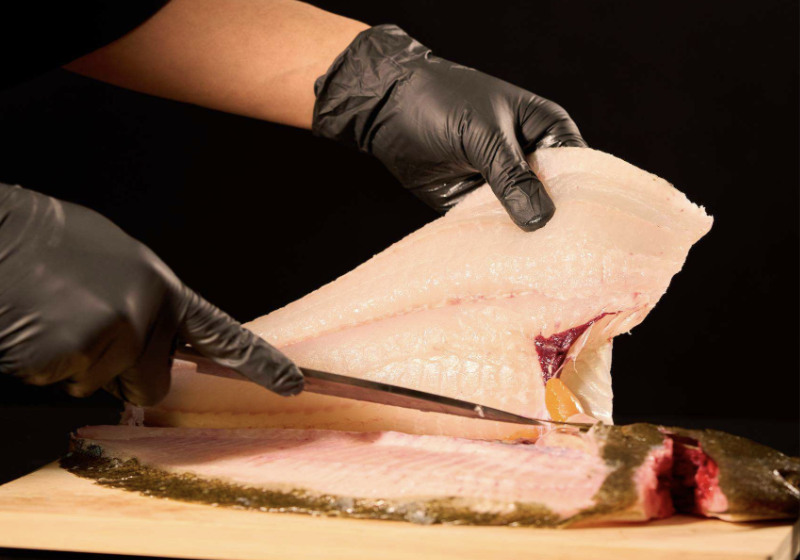
Engawa: The Cut Most Diners Never Notice
Engawa (縁側) is the thin band of muscle that moves the dorsal and ventral fins of a flatfish, and the classic engawa comes from hirame, the olive flounder. Engawa tastes richer than the white body meat of the same fish, with more fat, a clean sweetness, and a crunchy chew that comes from its high… Continue reading Engawa: The Cut Most Diners Never Notice
Local Story ● 2026 Sep 25

