




What is Hotaru Ika? Japan’s Firefly Squid Explained (2026)
Hotaru ika is the Japanese name for Watasenia scintillans, a small bioluminescent squid that grows to about 7.5 centimetres at full maturity. It lives at depths of 200 to 600 metres in the Sea of Japan and surfaces only to spawn, mostly along the coast of Toyama Bay between late March and early May. Its… Continue reading What is Hotaru Ika? Japan’s Firefly Squid Explained (2026)
Local Story ● 2026 Apr 29
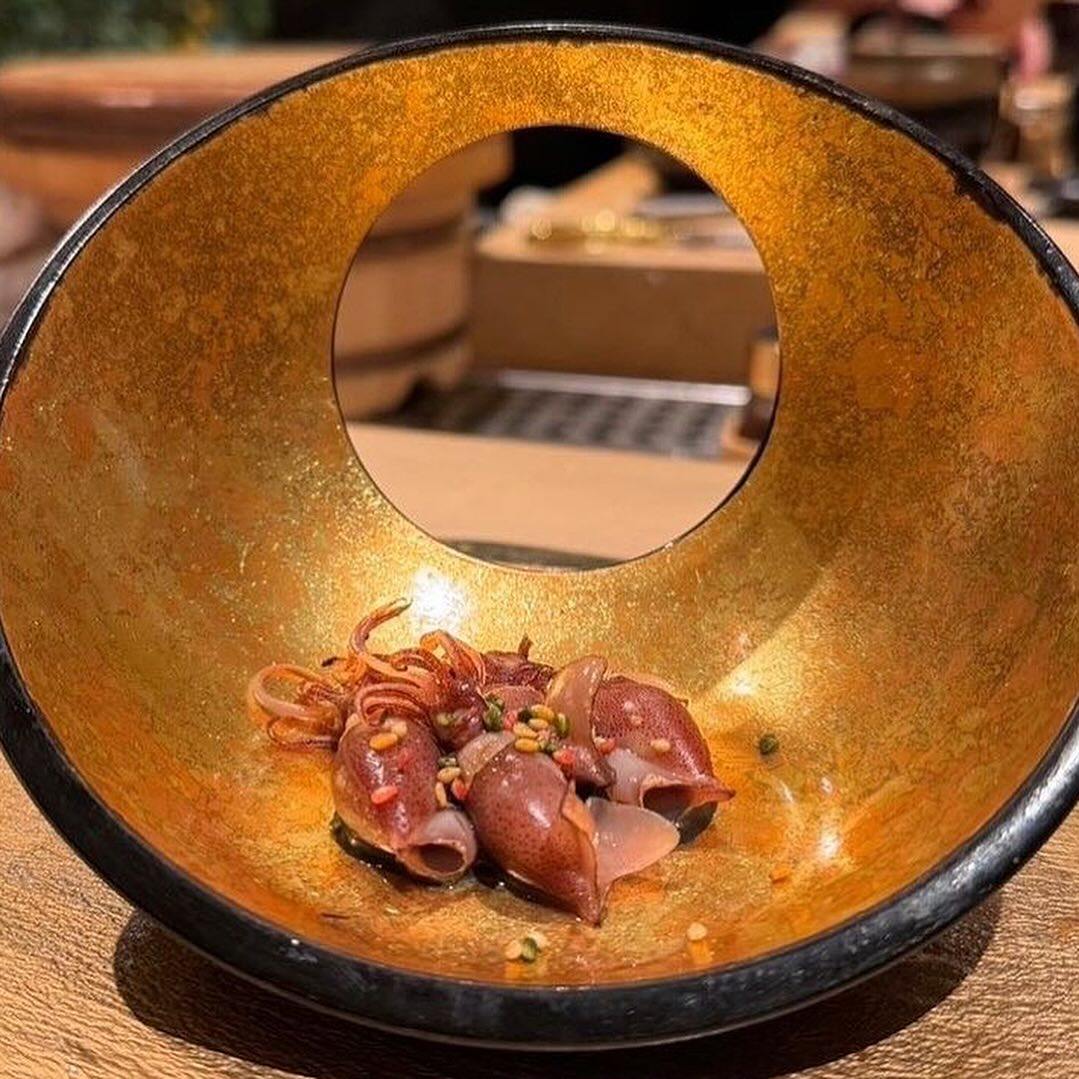
Hotaru ika is the Japanese name for Watasenia scintillans, a small bioluminescent squid that grows to about 7.5 centimetres at full maturity. It lives at depths of 200 to 600 metres in the Sea of Japan and surfaces only to spawn, mostly along the coast of Toyama Bay between late March and early May. Its body is dotted with photophores that produce a bright blue glow, which is how it earned the name "firefly squid". On the omakase counter, hotaru ika is served lightly cooked, most often as sumiso-ae, kara-age, okizuke, or nigiri.
WHAT HOTARU IKA ACTUALLY IS?
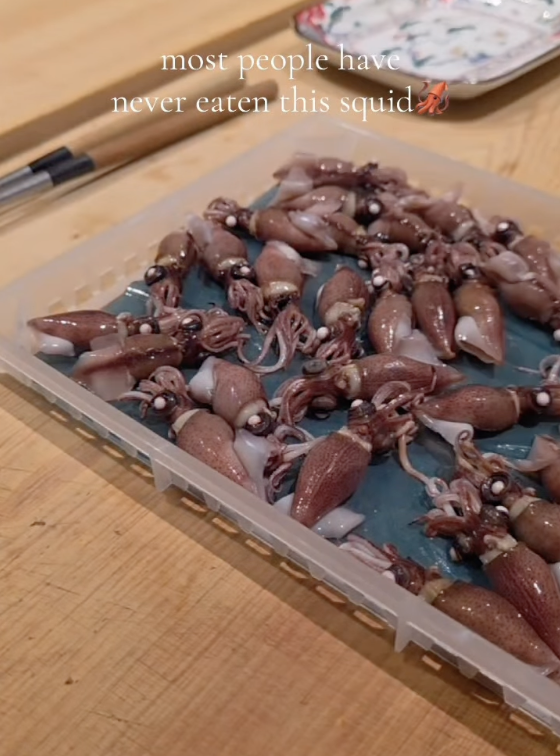
Hotaru ika is a deep-water cephalopod of the family Enoploteuthidae. The scientific name is Watasenia scintillans. The Japanese name combines hotaru (firefly) with ika (squid), and the description is literal. The squid produces its own light.
The size matters. A full-grown hotaru ika is about 7.5 centimetres, which is small enough to be served whole on the counter. There is no filleting. The body, the tentacles, and the small pocket of innards are all eaten together, which is why preparation matters more for hotaru ika than for almost any other neta.
WHEN HOTARU IKA IS IN SEASON?
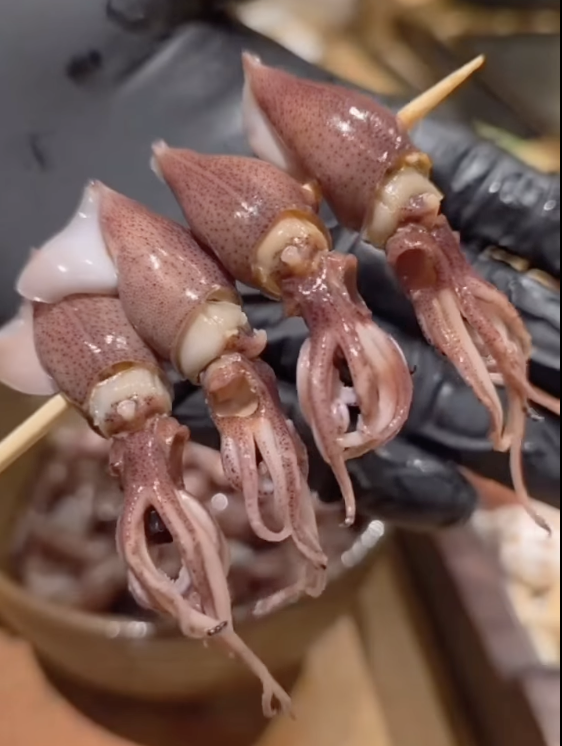
The peak window is late March through early May, with April typically the strongest month. Some years run a little earlier, some later, depending on water temperature in the bay. The earliest catches start trickling out in mid-March. By the second half of May the season is mostly over, and the squid that does come up after that is smaller, less full, and not at peak quality.
A small frozen supply of hotaru ika is available year-round, processed during the season and held for restaurants outside the spring window. Frozen hotaru ika is usable for kara-age and some marinated preparations, but it does not have the same texture as fresh. Counters that take hotaru ika seriously feature it heavily during the spring window and rest it for the rest of the year.
AT YUZU OMAKASE
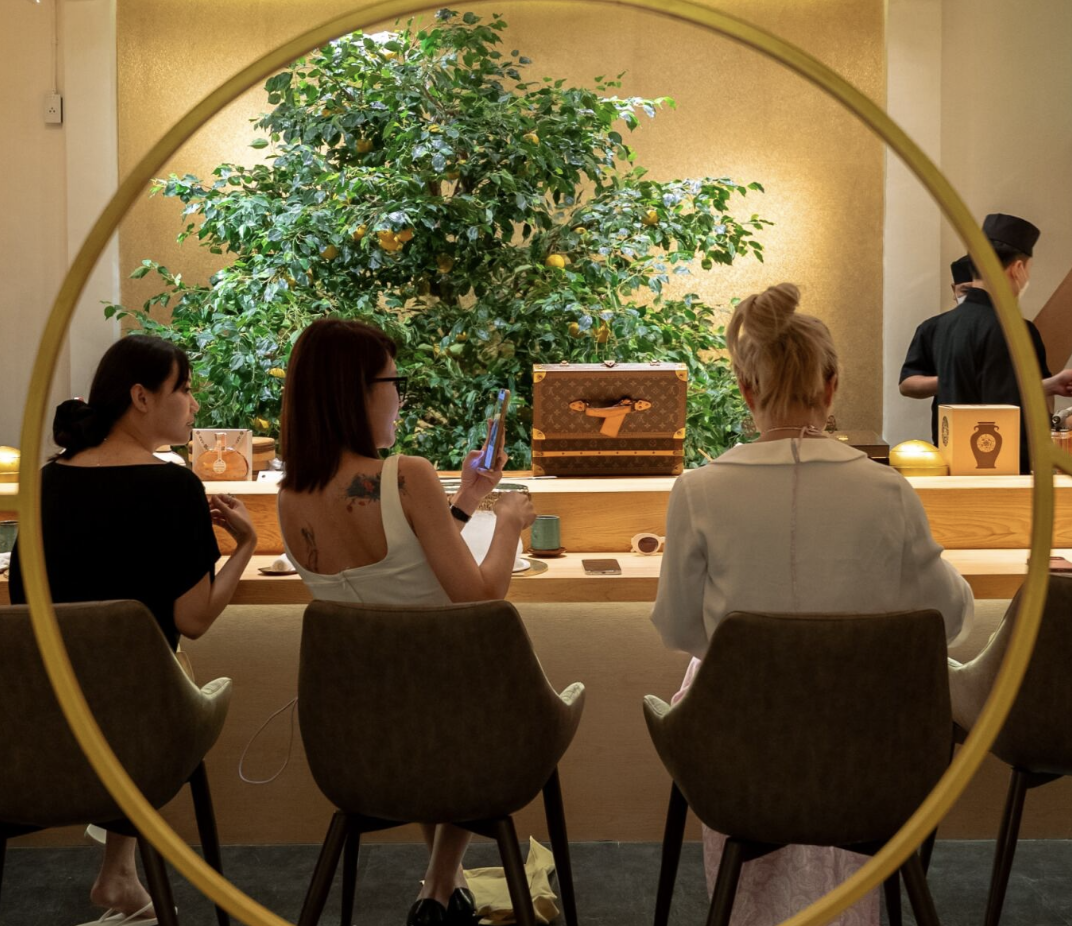
Yuzu Omakase serves hotaru ika during the spring window, sourced through Japanese suppliers who move the squid through the Toyama spring catch. The window inside the restaurant typically runs from late March through early May, which mirrors the bay's own season. Outside that window the neta is rested.
Two preparations sit inside the counter rotation when the squid is in season. A sumiso-ae course early in the meal, where the briny, slightly bitter character of the innards meets vinegar miso, and a nigiri piece that lands later, often as part of the seasonal sequence between richer neta. The choice depends on the day and the size of the catch.
Hotaru ika is one of the clearest examples of why the omakase format works for Japanese seasonal cooking. It is impossible to feature a properly sourced firefly squid on a fixed annual menu. The window is too short, and the supply too tied to a specific spring event in a specific bay. A counter format absorbs that. An a la carte menu does not.
QUESTIONS GUESTS ASK
Is hotaru ika ever served raw?
Almost never. Light cooking is standard for both food safety and texture reasons. A reputable counter will not serve raw hotaru ika.
What does hotaru ika taste like?
The body is mild and slightly sweet. The innards add a briny, savoury richness that is the dominant note. The combination is more robust than it looks, closer in register to a small mollusc than to a typical squid.
Is hotaru ika expensive?
Relative to common squid, yes. Relative to high-end neta such as toro or uni, no. Hotaru ika sits in the mid-range of seasonal omakase ingredients, with cost driven mostly by the short season and the distance from Toyama Bay.
How big is a hotaru ika?
About 7.5 centimetres at full maturity. Smaller individuals appear earlier and later in the season.
Why is it called firefly squid?
The squid produces its own blue light from photophores distributed across the body. The visual effect, especially during the Toyama Bay spawning, is close enough to a swarm of fireflies that the name has stayed.
RELATE
-
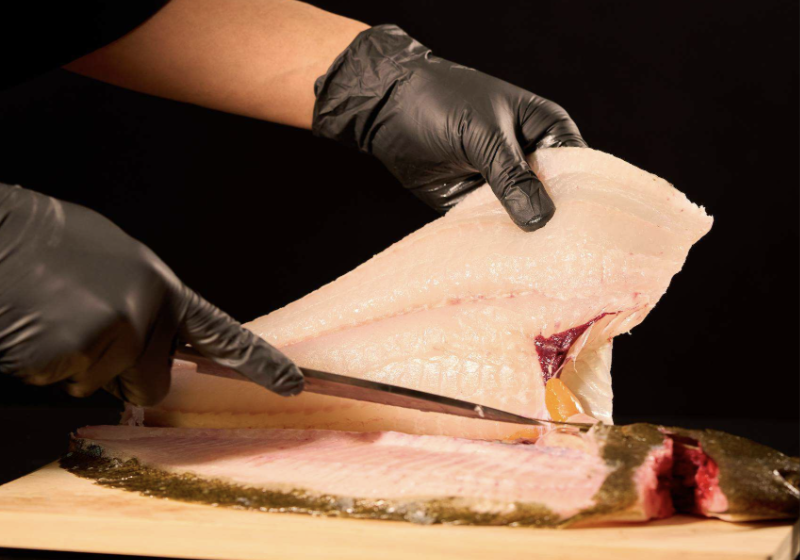
Engawa: The Cut Most Diners Never Notice
Engawa (縁側) is the thin band of muscle that moves the dorsal and ventral fins of a flatfish, and the classic engawa comes from hirame, the olive flounder. Engawa tastes richer than the white body meat of the same fish, with more fat, a clean sweetness, and a crunchy chew that comes from its high… Continue reading Engawa: The Cut Most Diners Never Notice
Local Story ● 2026 Sep 25
-
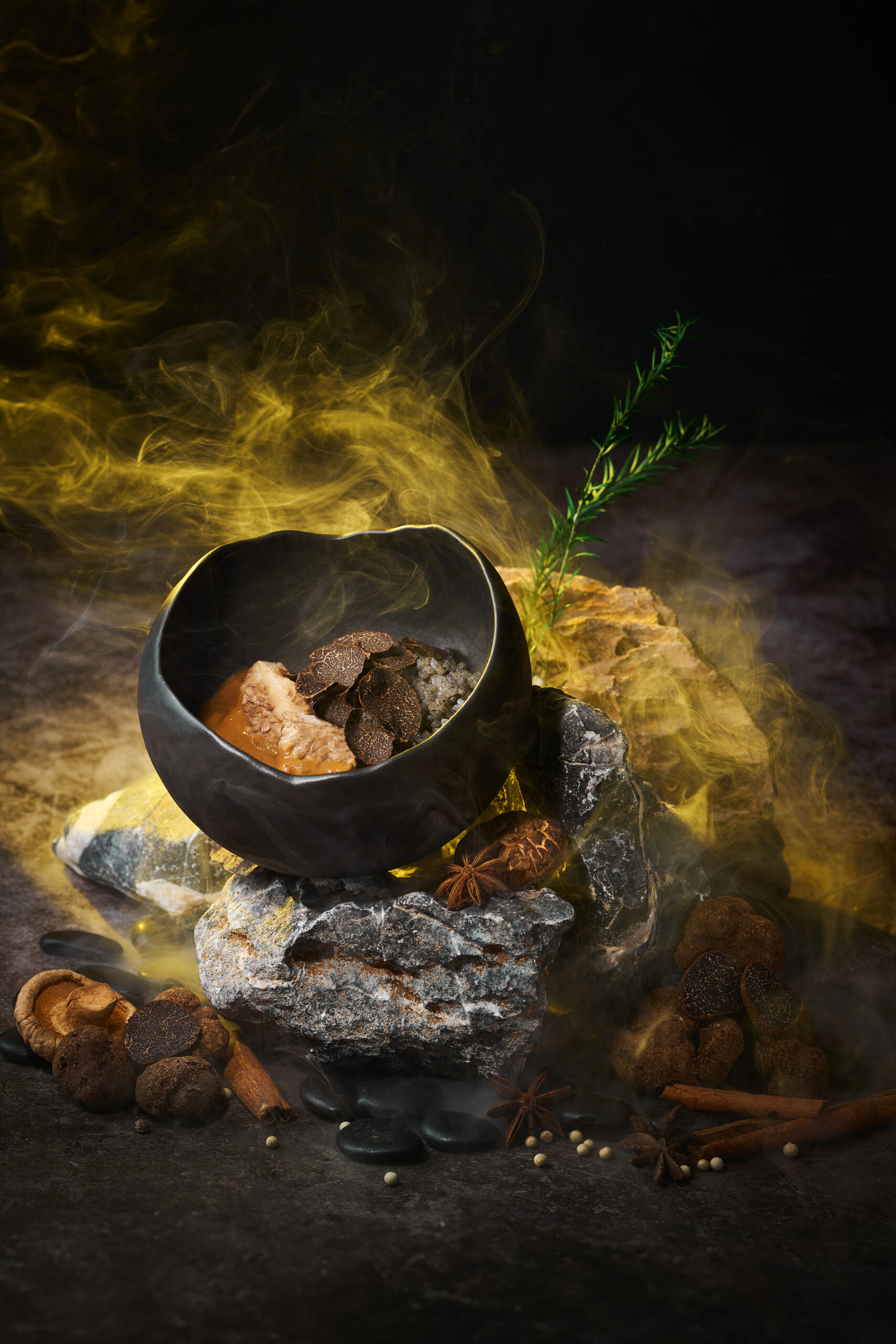
What Is Truffle (トリュフ), and How Much Belongs on Sushi?
Truffle, written toryufu (トリュフ) on a Japanese menu, is the underground fruiting body of a fungus in the genus Tuber, which lives in partnership with the roots of trees such as oak, hazel and beech. The white truffle, Tuber magnatum from Piedmont in northern Italy, is shaved raw because its aroma fades with heat, while… Continue reading What Is Truffle (トリュフ), and How Much Belongs on Sushi?
Local Story ● 2026 Sep 25
-
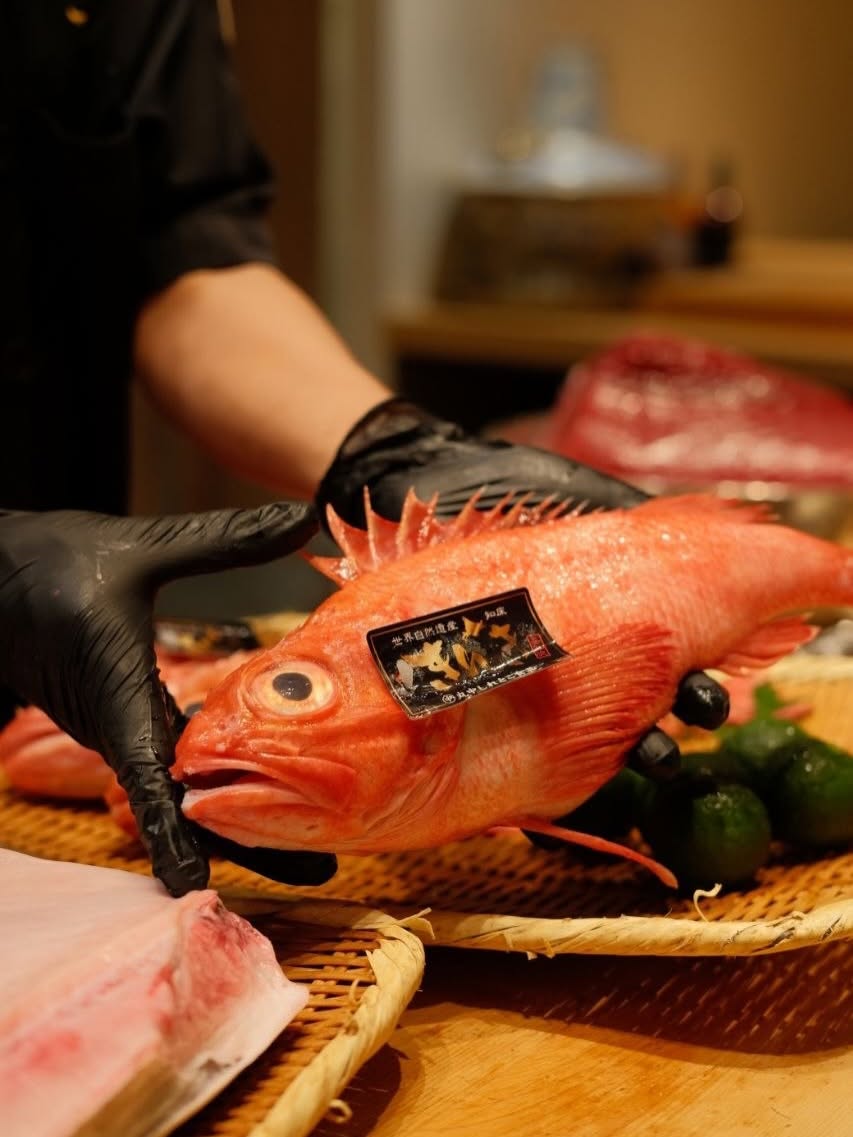
What Is Kinki Fish? Kichiji, the Deep Water
Kinki is the Japanese counter name for Sebastolobus macrochir, a deep water thornyhead from the northwestern Pacific that is classified as a white fish but carries far more fat than a white fish usually does. Kinki, kichiji and menme are three names for one species, used in different regions and different registers, and none of… Continue reading What Is Kinki Fish? Kichiji, the Deep Water
Local Story ● 2026 Aug 30
-
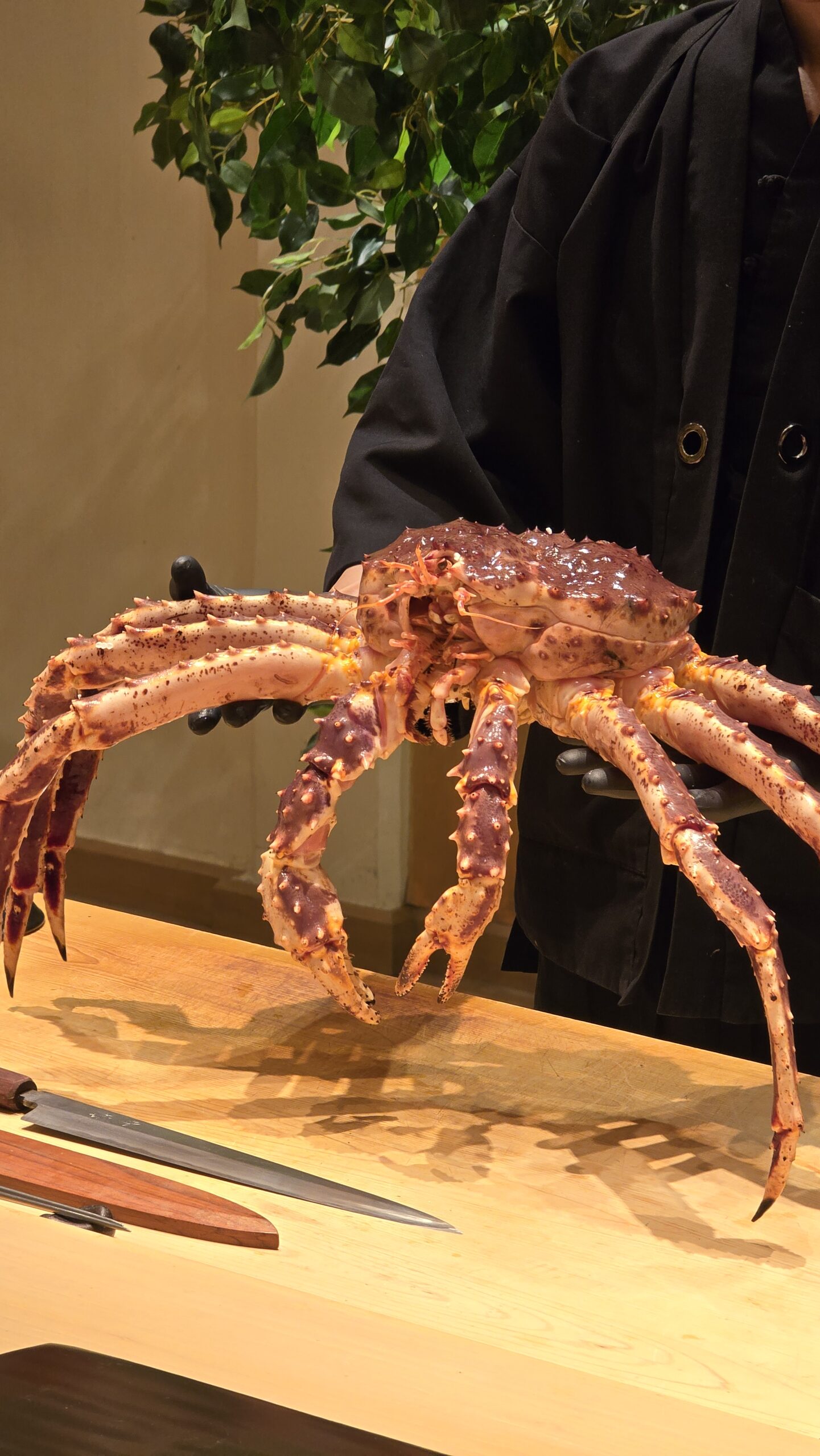
What Is Taraba King Crab? The Hokkaido Giant That Is Not Actually a Crab
Taraba king crab, tarabagani in Japanese, is the red king crab, the largest and most prized of the king crab species found in Japanese waters. Taraba is not a true crab. It belongs to the hermit crab family, and the giveaway is the leg count: true crabs have ten legs, taraba has eight, with two… Continue reading What Is Taraba King Crab? The Hokkaido Giant That Is Not Actually a Crab
Local Story ● 2026 Aug 30

