




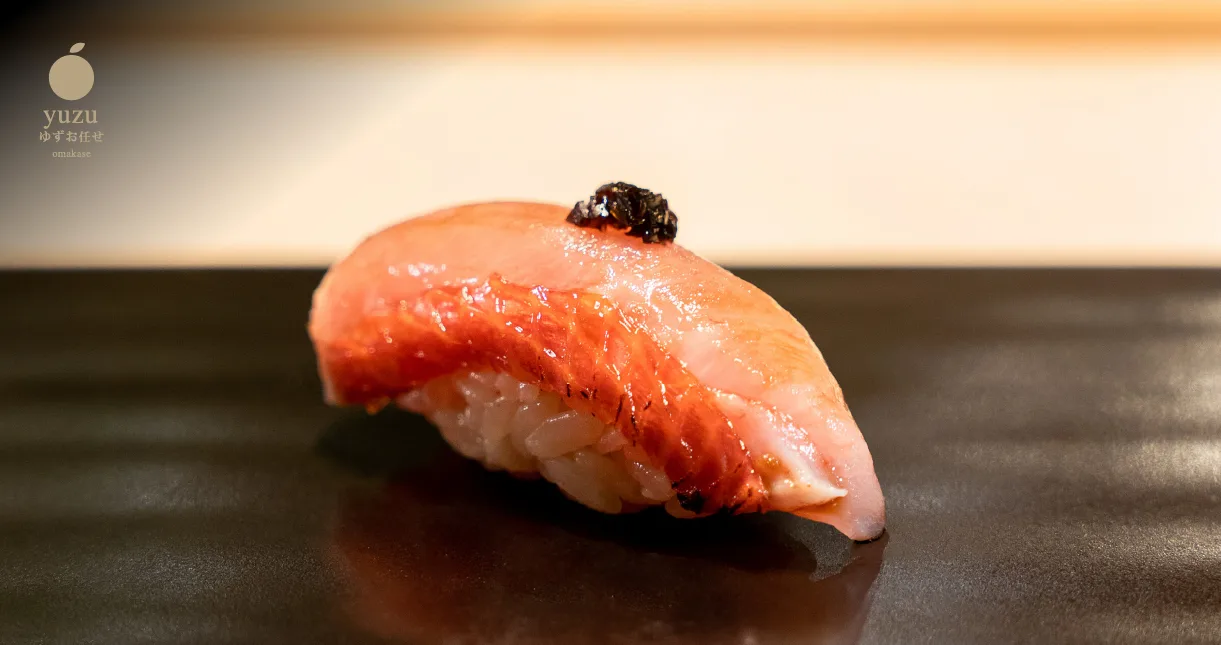
HAND TO HAND NIGIRI: THE MOST INTIMATE WAY TO EAT OMAKASE
Hand to hand nigiri means the chef places each piece of sushi directly into your open palm — and you eat it immediately with your fingers. No chopsticks. No plate. Just the rice, the fish, and the chef’s intent. It is the oldest and most traditional way to eat omakase sushi, and at Bangkok’s finest… Continue reading HAND TO HAND NIGIRI: THE MOST INTIMATE WAY TO EAT OMAKASE
Local Story ● 2026 Mar 11
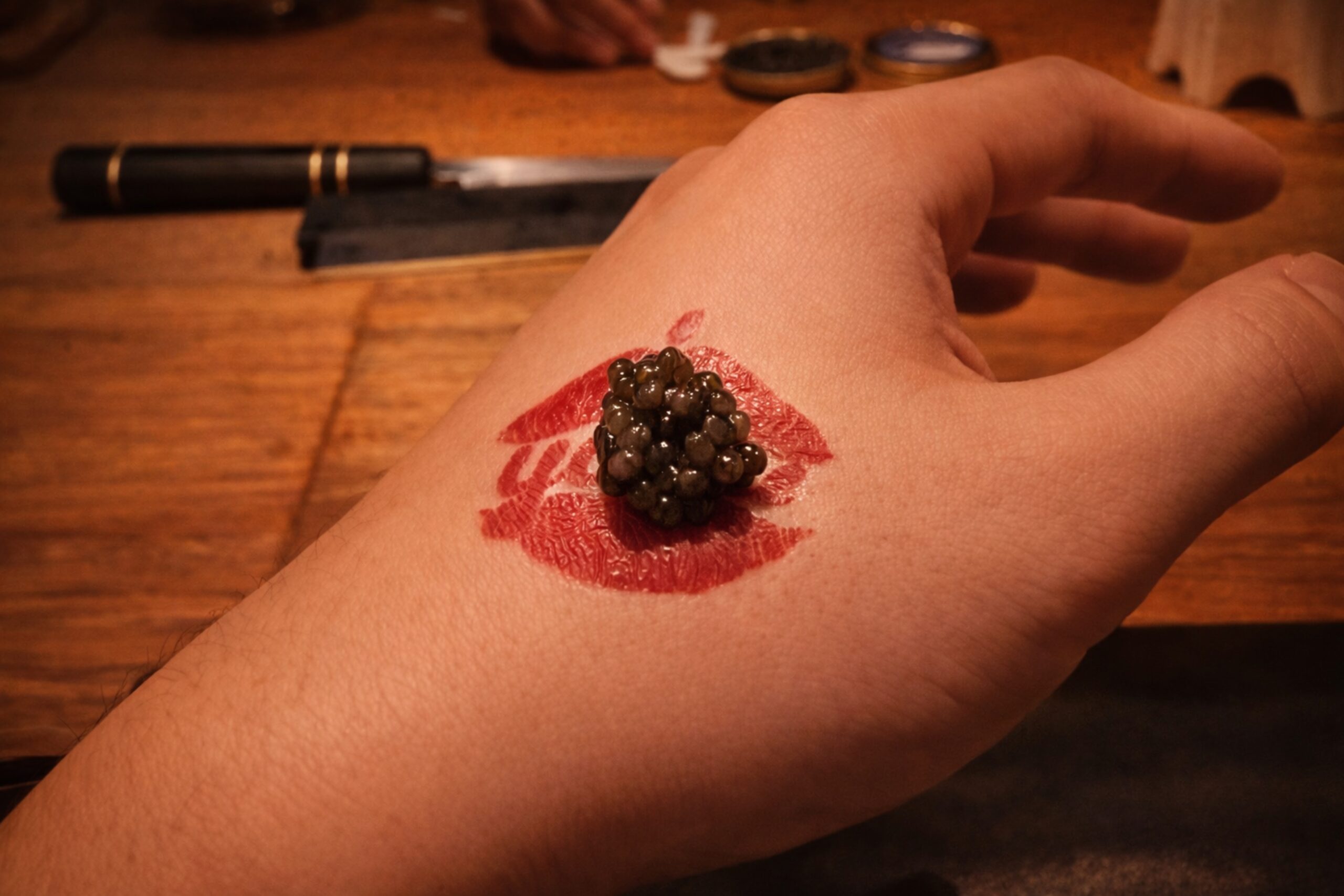
Hand to hand nigiri means the chef places each piece of sushi directly into your open palm — and you eat it immediately with your fingers. No chopsticks. No plate. Just the rice, the fish, and the chef's intent.
It is the oldest and most traditional way to eat omakase sushi, and at Bangkok's finest counters, it remains the defining moment of the meal.
WHY IT EXISTS
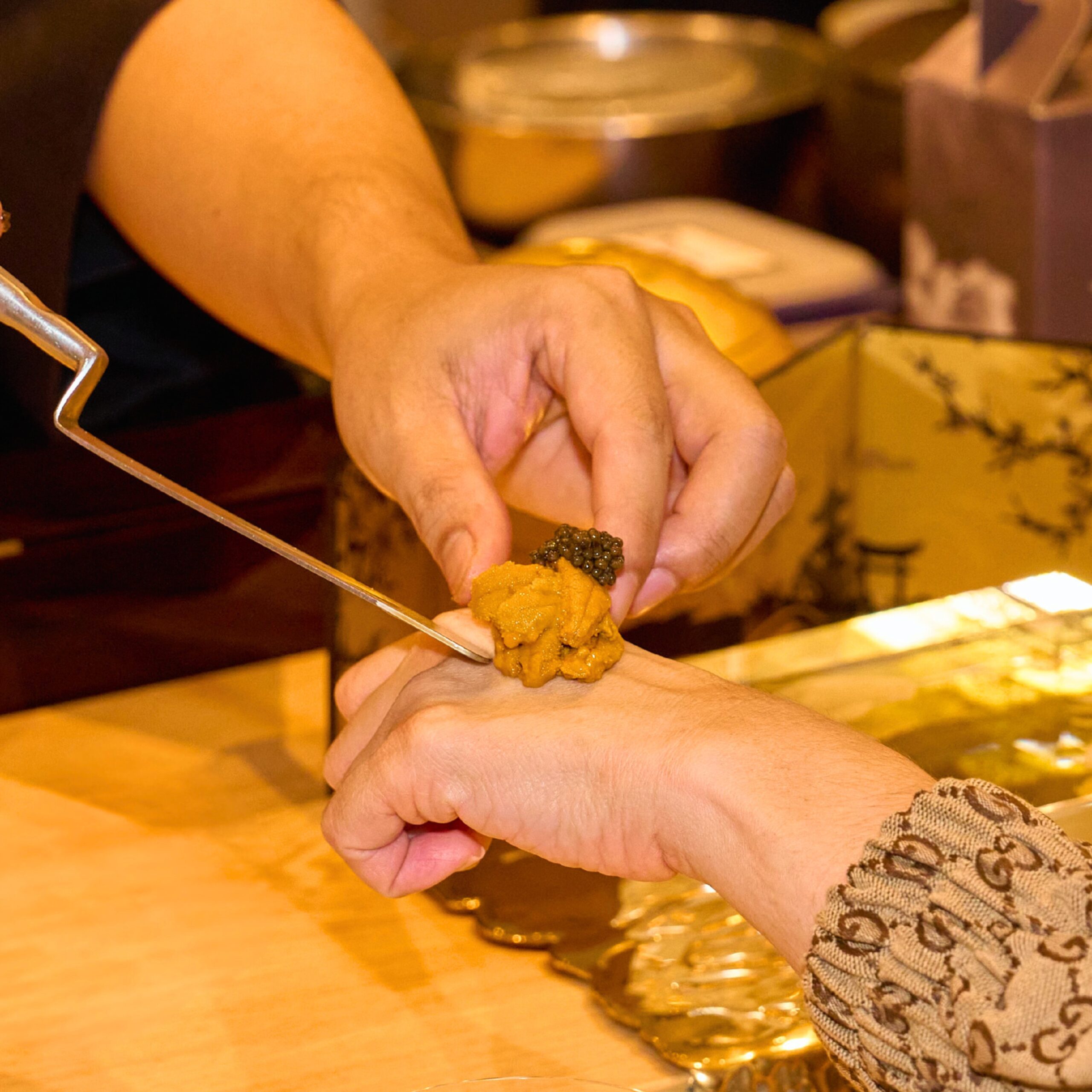
Nigiri is a warm, living thing. The rice is pressed at body temperature. The fish is at its peak aromatic moment. Every second between the chef's hands and your palate is flavour lost.
When nigiri sits on a cold plate, the rice stiffens and the vinegar sharpens. When it passes through chopsticks, it risks breaking apart. When it goes directly from the chef's palm to yours, you receive it exactly as intended — warm, cohesive, alive.
This is not ceremony. There is a practical reason behind every element of it.
HAND VS CHOPSTICKS VS PLATE
| Delivery Method | Rice Temperature | Time to Palate | Flavour Impact |
|---|---|---|---|
| Hand to hand | Body temp (37°C) | Under 5 seconds | Maximum |
| Chopsticks | Slightly cooler | 10–20 seconds | Reduced |
| Plate service | Room temperature | 30–60+ seconds | Notably reduced |
The difference is real and immediate. A nigiri eaten warm from the chef's hand falls apart gently on the tongue. The same piece on a cold plate 60 seconds later behaves like a different dish entirely.
THE NIGIRI SEQUENCE AT YUZU OMAKASE
Hand to hand service covers the central nigiri sequence of the meal — typically 8–12 consecutive pieces served in ascending richness:
Light and clean: Hirame (flounder), Tai (sea bream), Shiro maguro
Building richness: Akami (lean tuna), Chu-toro (medium fatty tuna), Hamachi
Peak: Otoro (fatty tuna belly), Uni (sea urchin), Ikura (salmon roe)
At Yuzu Omakase in Siam Square, each piece — from lean akami to creamy uni — is made to be eaten the moment it is handed over. The kitchen ages its fish, calibrates rice temperature, and times every piece to the guest's pace.
HOW TO RECEIVE NIGIRI BY HAND
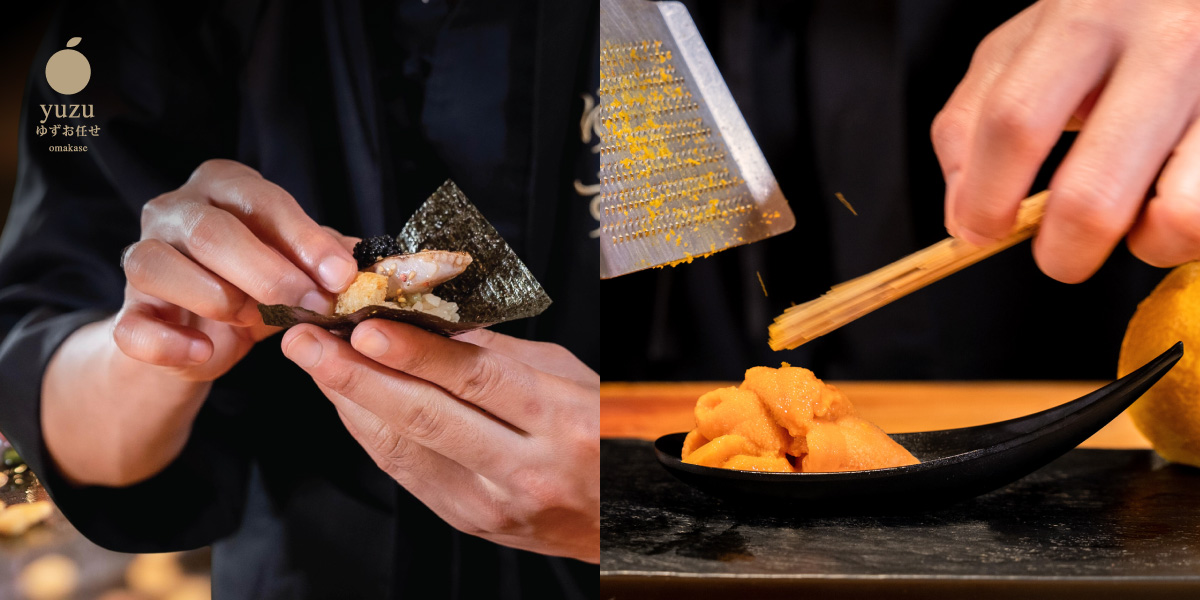
For first-time diners, the etiquette is simple:
- Hold your hand out flat, palm up
- Receive the piece gently — don't grab, just let it rest
- Eat immediately, within 5 seconds
- Do not dip heavily in soy — the chef has already seasoned it
- Eat in one bite, or two deliberate bites for larger pieces
The counter is a conversation. The chef watches how you receive each piece and adjusts the remaining courses accordingly. That feedback loop — entirely non-verbal — is what separates omakase from every other dining format.
WHAT THIS FEELS LIKE IN BANGKOK
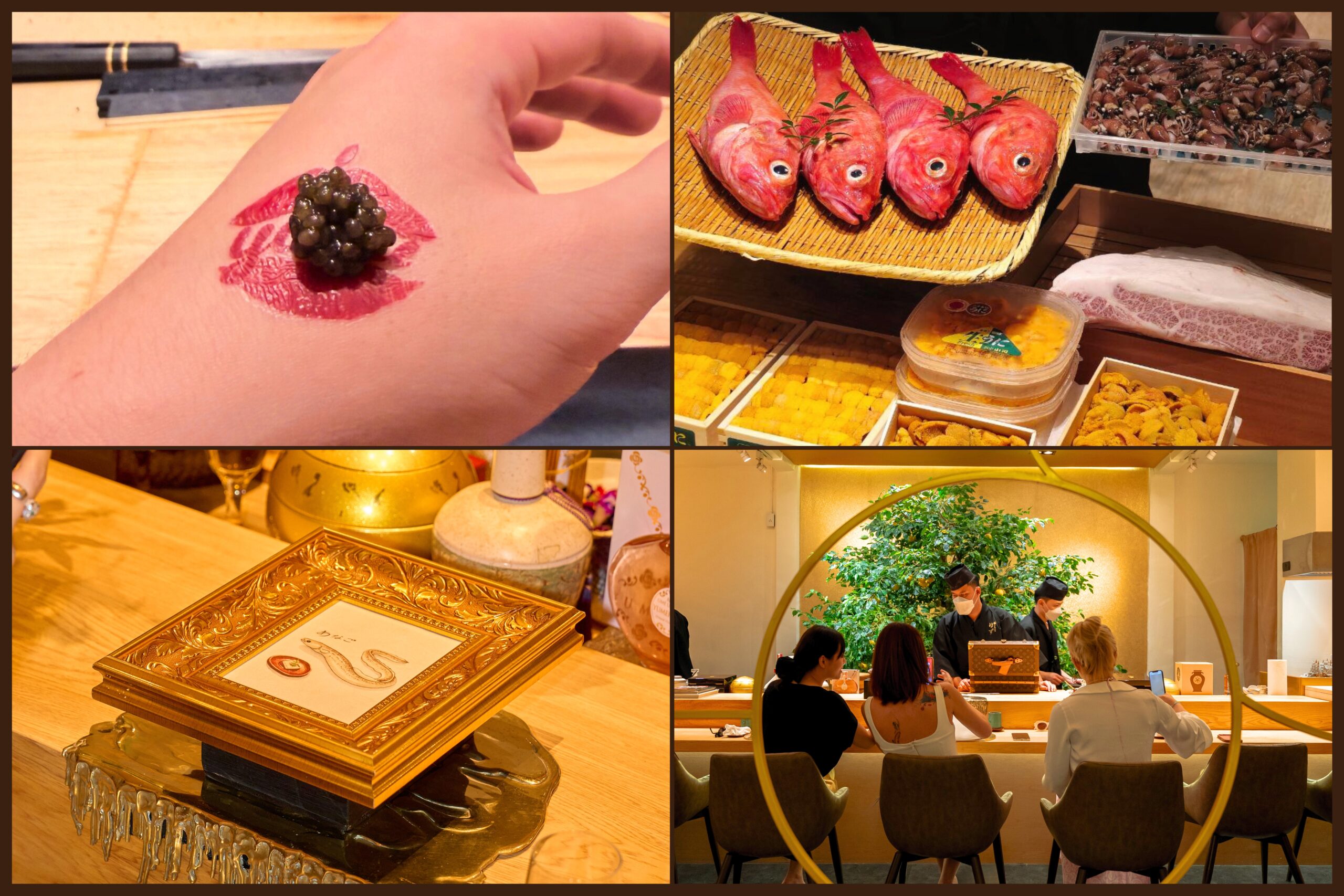
By the third piece, the awkwardness is gone. By the sixth, it feels natural. By the end, you understand why every other way of eating sushi is a compromise.
Bangkok's omakase scene has matured rapidly — counters here now apply the same hand to hand protocols as Tokyo. At Yuzu Omakase, menus run from ฿4,500 (13–15 courses) to ฿9,500 for The Experience (15–18+ premium courses). The hand to hand nigiri sequence is the emotional centrepiece of every format.
FREQUENTLY ASKED QUESTIONS
What is hand to hand nigiri?
The chef places each nigiri piece directly into your open palm. You eat it immediately with your fingers. It is the traditional Edomae method that best preserves temperature, texture, and flavour.
Is eating sushi with hands acceptable?
Yes — at omakase counters, eating nigiri with your fingers is not only acceptable, it is the preferred and traditional method. Chopsticks risk breaking the piece. Your hand preserves it.
Why do chefs hand nigiri directly to you?
Because nigiri is designed to be eaten immediately. Every second of delay changes the rice temperature and texture. Hand to hand is the fastest path from the chef's craft to your palate.
Where can I experience hand to hand nigiri in Bangkok?
Yuzu Omakase at Siam Square (258/9-10 Siam Square Soi 3, Bangkok). Menus from ฿4,500 per person.
RELATE
-
Engawa: The Cut Most Diners Never Notice
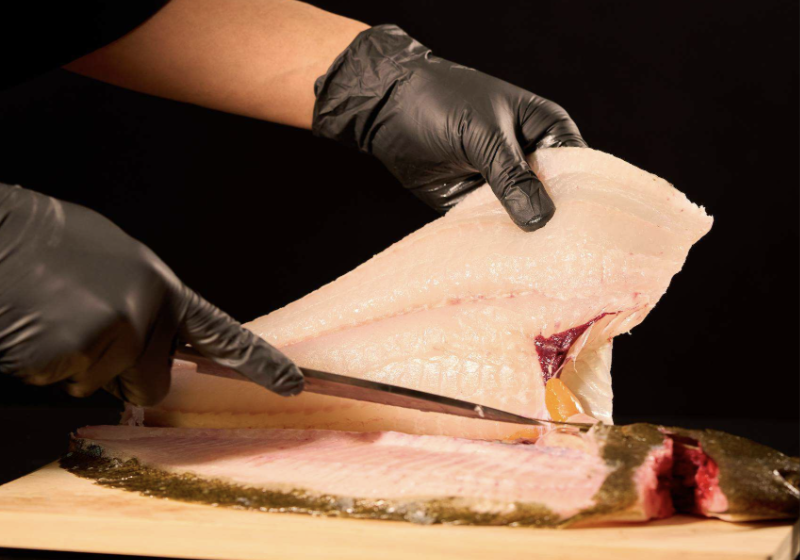
Engawa (縁側) is the thin band of muscle that moves the dorsal and ventral fins of a flatfish, and the classic engawa comes from hirame, the olive flounder. Engawa tastes richer than the white body meat of the same fish, with more fat, a clean sweetness, and a crunchy chew that comes from its high… Continue reading Engawa: The Cut Most Diners Never Notice
Local Story ● 2026 Sep 25
-
What Is Truffle (トリュフ), and How Much Belongs on Sushi?
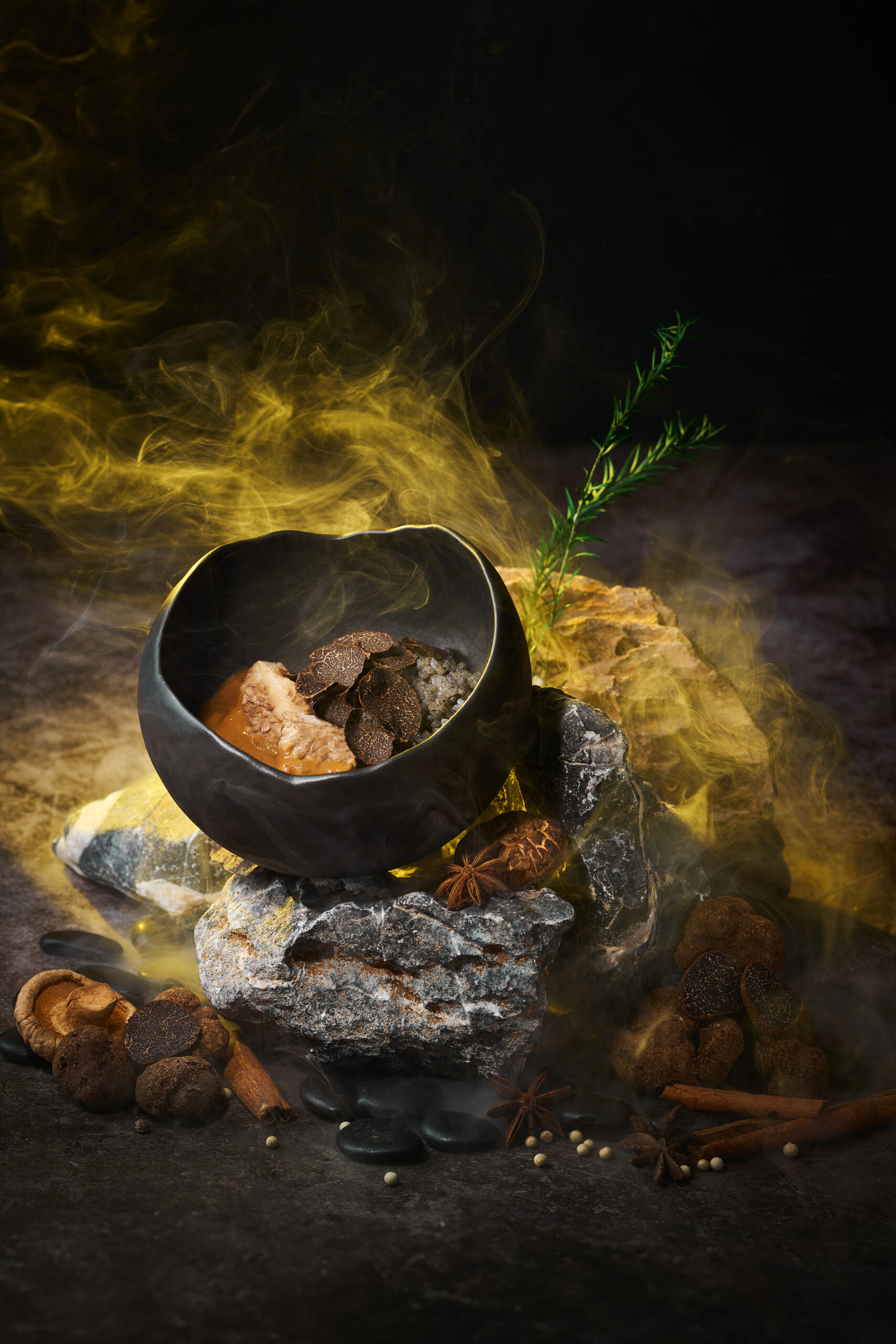
Truffle, written toryufu (トリュフ) on a Japanese menu, is the underground fruiting body of a fungus in the genus Tuber, which lives in partnership with the roots of trees such as oak, hazel and beech. The white truffle, Tuber magnatum from Piedmont in northern Italy, is shaved raw because its aroma fades with heat, while… Continue reading What Is Truffle (トリュフ), and How Much Belongs on Sushi?
Local Story ● 2026 Sep 25
-
What Is Kinki Fish? Kichiji, the Deep Water
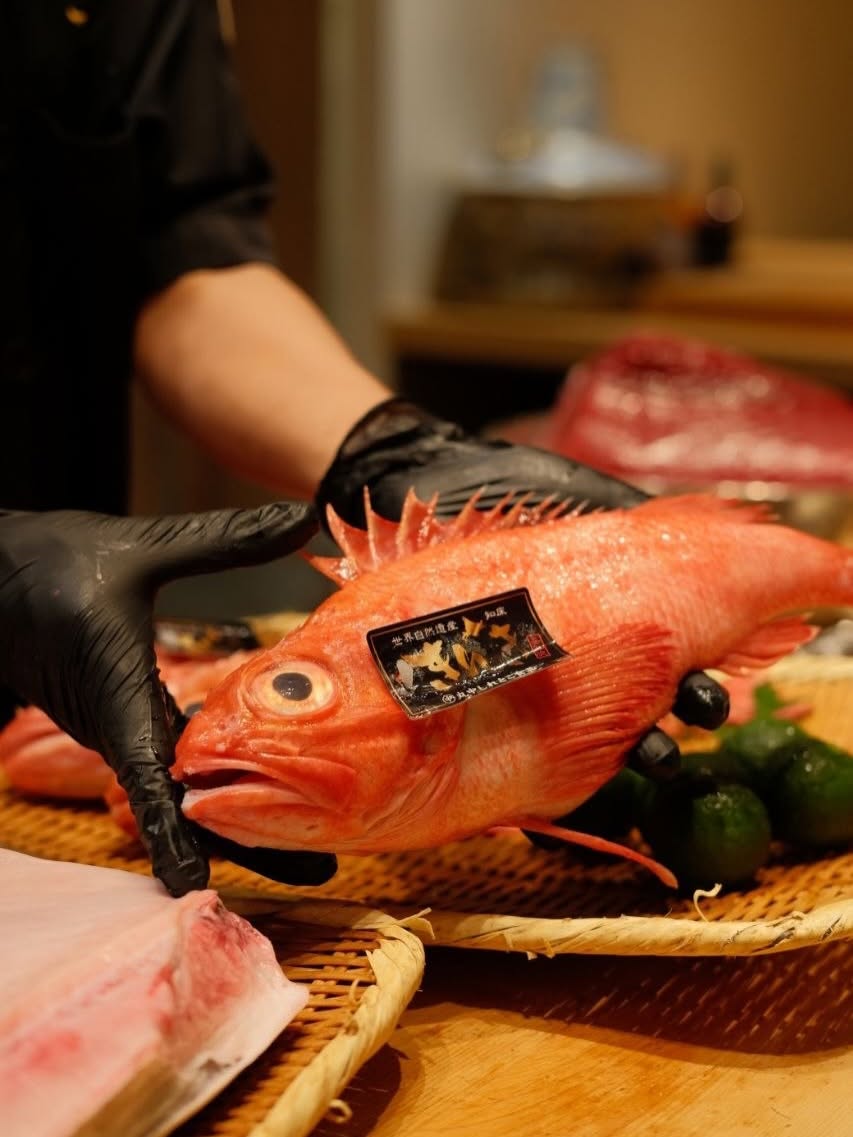
Kinki is the Japanese counter name for Sebastolobus macrochir, a deep water thornyhead from the northwestern Pacific that is classified as a white fish but carries far more fat than a white fish usually does. Kinki, kichiji and menme are three names for one species, used in different regions and different registers, and none of… Continue reading What Is Kinki Fish? Kichiji, the Deep Water
Local Story ● 2026 Aug 30
-
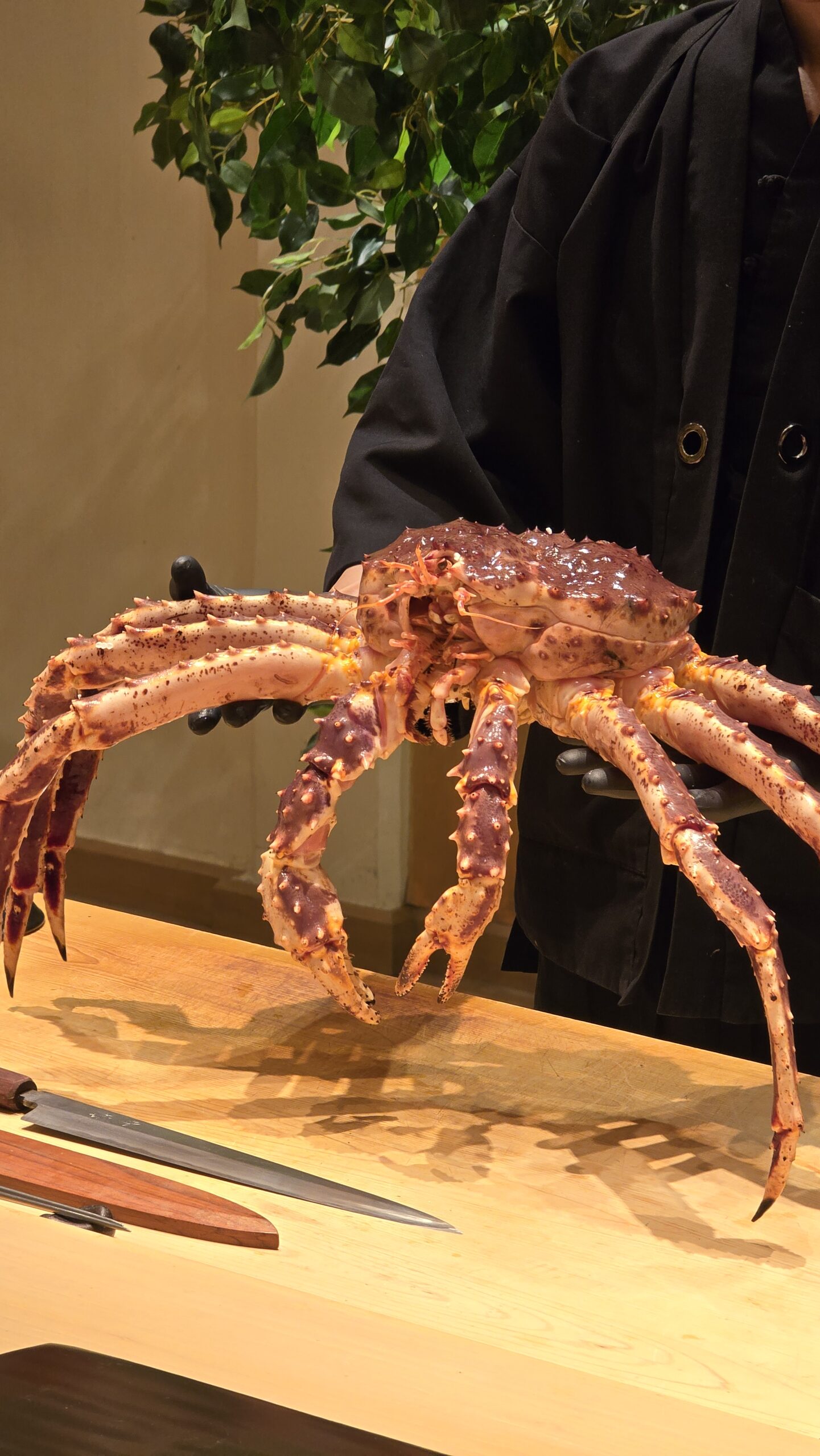
What Is Taraba King Crab? The Hokkaido Giant That Is Not Actually a Crab
Taraba king crab, tarabagani in Japanese, is the red king crab, the largest and most prized of the king crab species found in Japanese waters. Taraba is not a true crab. It belongs to the hermit crab family, and the giveaway is the leg count: true crabs have ten legs, taraba has eight, with two… Continue reading What Is Taraba King Crab? The Hokkaido Giant That Is Not Actually a Crab
Local Story ● 2026 Aug 30

