



What Is Truffle (トリュフ), and How Much Belongs on Sushi?
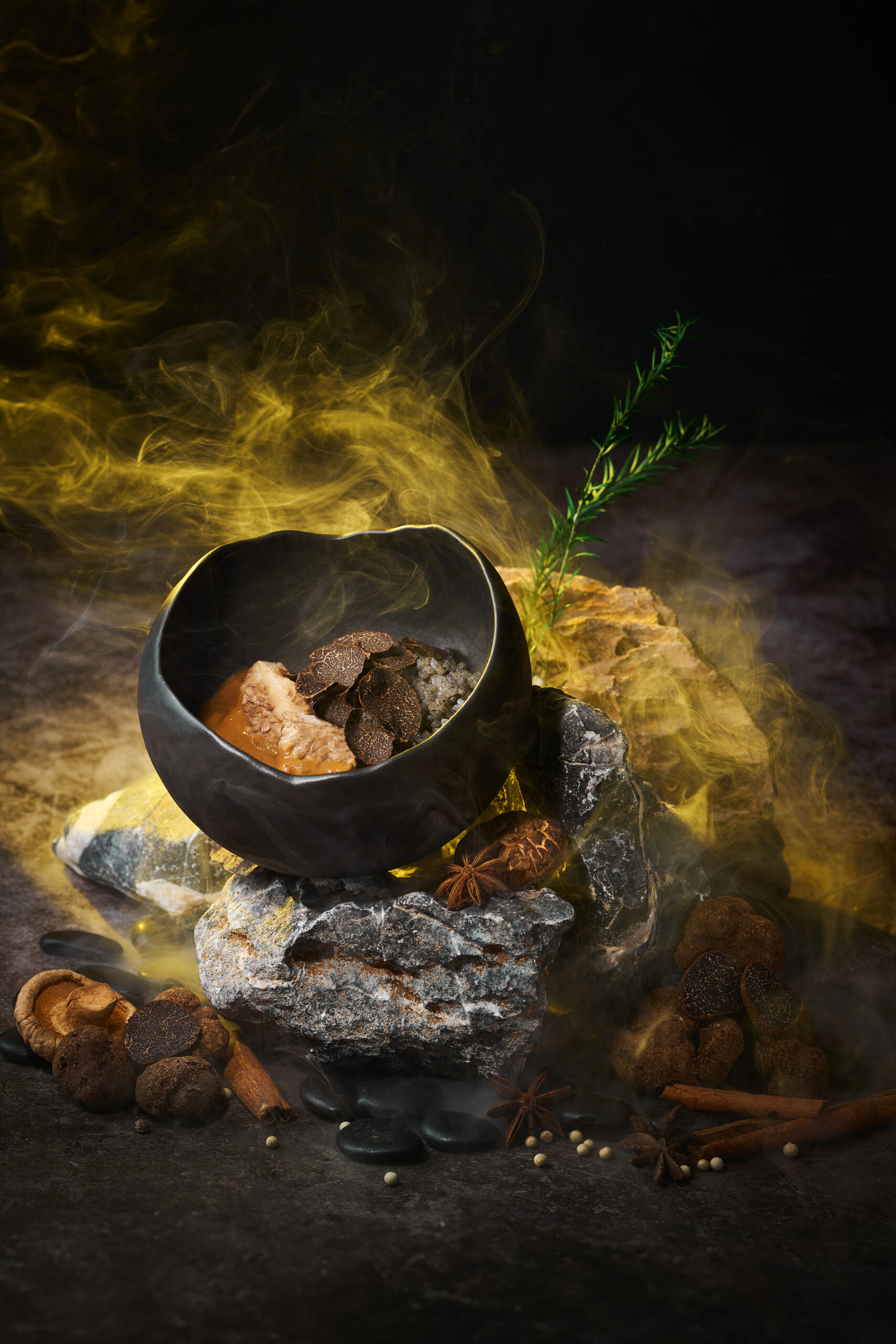
Truffle, written toryufu (トリュフ) on a Japanese menu, is the underground fruiting body of a fungus in the genus Tuber, which lives in partnership with the roots of trees such as oak, hazel and beech. The white truffle, Tuber magnatum from Piedmont in northern Italy, is shaved raw because its aroma fades with heat, while… Continue reading What Is Truffle (トリュフ), and How Much Belongs on Sushi?
Local Story ● 2026 Sep 25
Truffle, written toryufu (トリュフ) on a Japanese menu, is the underground fruiting body of a fungus in the genus Tuber, which lives in partnership with the roots of trees such as oak, hazel and beech.
The white truffle, Tuber magnatum from Piedmont in northern Italy, is shaved raw because its aroma fades with heat, while the black Périgord truffle, Tuber melanosporum, keeps its aroma when warmed and can grow stronger.
Many commercial truffle oils are flavoured with a manufactured aroma compound, 2,4-dithiapentane, rather than with truffle itself, which is why they smell louder and flatter than a fresh truffle.
Truffle on sushi works best in small amounts, because a few shavings can frame a piece of fish or bury it, and the line between the two is thin.
A truffle is smelled first, tasted second, and remembered for the smell.
The first sign is rarely something you see. Between one piece and the next, a warm, earthy note crosses the counter, part forest floor and part something closer to cocoa, and heads turn toward the small dark knot being drawn across a blade. That is truffle, toryufu (トリュフ) in Japanese, and it is an unusual guest in a cuisine built on restraint. Yuzu Omakase walks you through what a truffle is, how black differs from white, what is really in a bottle of truffle oil, and why the most careful use of truffle on sushi is also the most sparing.
What Truffle is?
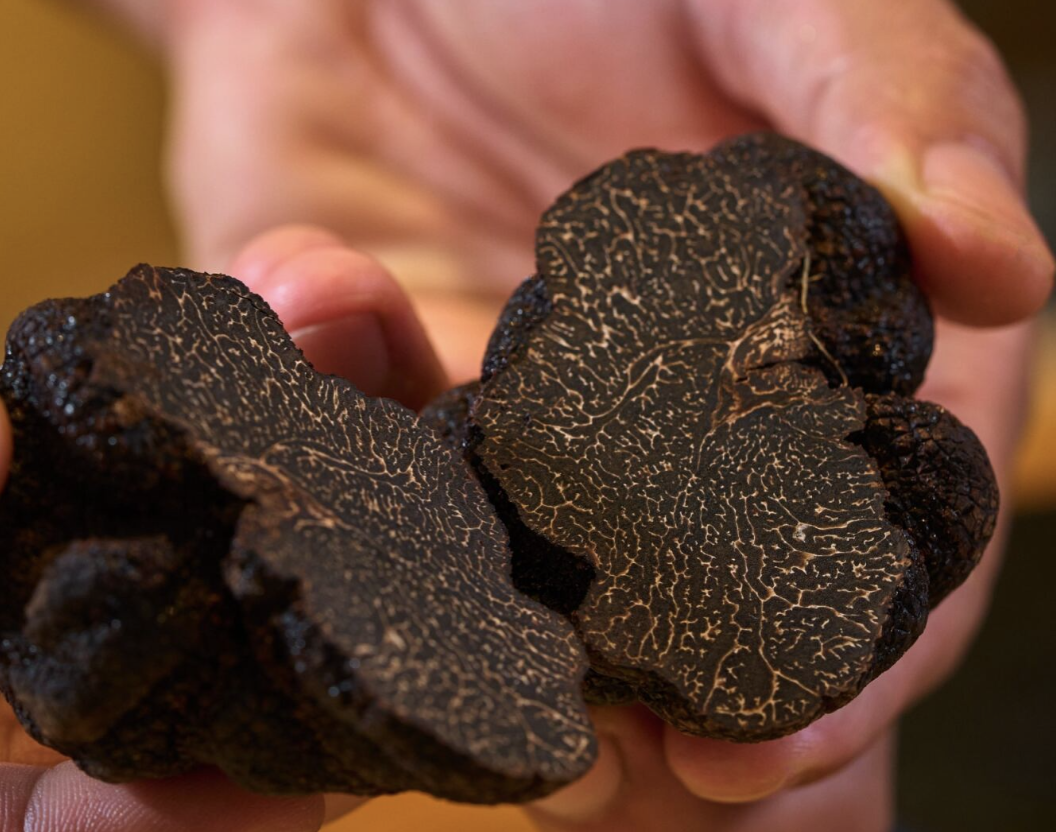
Truffle is the fruiting body of a subterranean fungus in the genus Tuber, a relative of the mushroom that never comes up for air. The fungus lives in partnership with the roots of oak, hazel, beech, birch and pine, each side feeding the other. The part a diner calls "the truffle" is a knobbly lump that could pass for a stone pulled from a garden bed.
Because it stays below the surface, a truffle has to be found by smell. Dogs have largely replaced pigs for the work, since a dog has little interest in eating what it finds. Cultivation exists, but it asks for patience: an orchard planted for black truffle can take four to ten years to yield its first.
Black and White Truffle Are Two Different Things
Black truffle and white truffle are different species, from different places and seasons, and they behave differently under heat. That last difference matters most at a counter.
The white truffle of Piedmont
The white truffle is Tuber magnatum, the tartufo bianco d'Alba, found mainly in the Langhe and Monferrato hills around Alba and Asti. It fruits in autumn, its markets are busiest in October and November, and it is still gathered from the wild. Its aroma is volatile and fades once heated, so white truffle is almost always served raw, shaved at the last moment.
The black truffle of Périgord
The black truffle is Tuber melanosporum, the Périgord truffle, native to France, Spain, Italy and Croatia and now cultivated as far away as Australia and Chile. In the Northern Hemisphere it is harvested from November to March. Its aroma is usually described as undergrowth, wet earth, strawberries and dried fruit with a trace of cocoa, and it tastes slightly peppery and bitter.
Here is the difference a chef works with: a black truffle's aroma does not fade when warmed. It deepens. White truffle is kept away from the stove.
A third species, Tuber aestivum, fills the gaps: sold as the summer truffle from May to August, and as the Burgundy truffle from September to late December, it is a milder, less expensive stand-in when Périgord truffle is out of season.
Good to know: If a menu says "truffle" in July, it is fair to ask which one. The Northern Hemisphere black and white truffles are out of season then, so the answer is likely a summer truffle, one grown south of the equator, or a preserved product.
Fresh Truffle, Truffle Oil and Truffle Soy
Fresh truffle, truffle oil and truffle soy sauce share a name, but only fresh truffle is guaranteed to contain any truffle.
Much truffle oil is an ordinary base oil, olive, canola or grapeseed, flavoured with 2,4-dithiapentane. That compound is one of the key notes in a white truffle's smell, but in the bottle it is manufactured. In 2017, DNA analysis presented in a legal case found that one widely sold truffle oil contained no truffle at all. The chef Daniel Patterson has argued that this one-dimensional flavour is changing how people believe a truffle should taste.
Truffle soy sauce varies the same way. Some bottles contain pieces of truffle. Others list nothing beyond soy sauce and "black truffle aroma." A diner who has met truffle only through a bottle will find the fresh thing broader and quieter, closer to damp earth than to perfume.
Good to know: "Truffle soy" and "fresh black truffle" on a menu describe two different plates, and neither should be read as the other.
What Truffle Tastes Like
Truffle is experienced first as a smell and only then as a flavour. Black Périgord truffle reads as damp earth, undergrowth and dried fruit with a peppery, slightly bitter finish. White truffle leans on 2,4-dithiapentane, a sulphur compound, which gives it a sharper edge. Both carry a musky note that researchers have likened to androstenol, a compound the human body also produces. Shaved paper thin, the truffle itself all but disappears. What stays is the aroma, rising off anything warm beneath it.
Truffle in an Omakase Meal
Truffle in an omakase meal is a question of proportion, answered piece by piece. Sushi is built on quiet things, the sweetness of a white fish, the brine of uni, rice served close to body temperature, and a truffle can lift any of them or take them over.
Heat is the first decision. Black truffle suits a steamed chawanmushi, a warm sauce, or a piece just seared. White truffle belongs raw, shaved over something warm enough to release it without cooking it. Truffle has traditionally been shaved over warm, simple food such as buttered pasta or eggs, and rice at body temperature belongs to that family.
The partner is the second decision. A rich piece such as otoro or seared wagyu can carry truffle. A lean, delicate fish is far easier to bury, and a chef may decide a piece is better without any. Timing is the third: truffle aroma is volatile, so a truffle shaved too early has already given away part of what the guest came for.
This is where restraint becomes a skill: one extra shaving rarely improves a piece, and more often makes it taste of truffle and nothing else. Yuzu Omakase works from Toyosu sourcing, an unbroken cold chain and a selection that follows the season, and the same thinking applies to truffle: which species, in which month, and on which piece it earns its place.
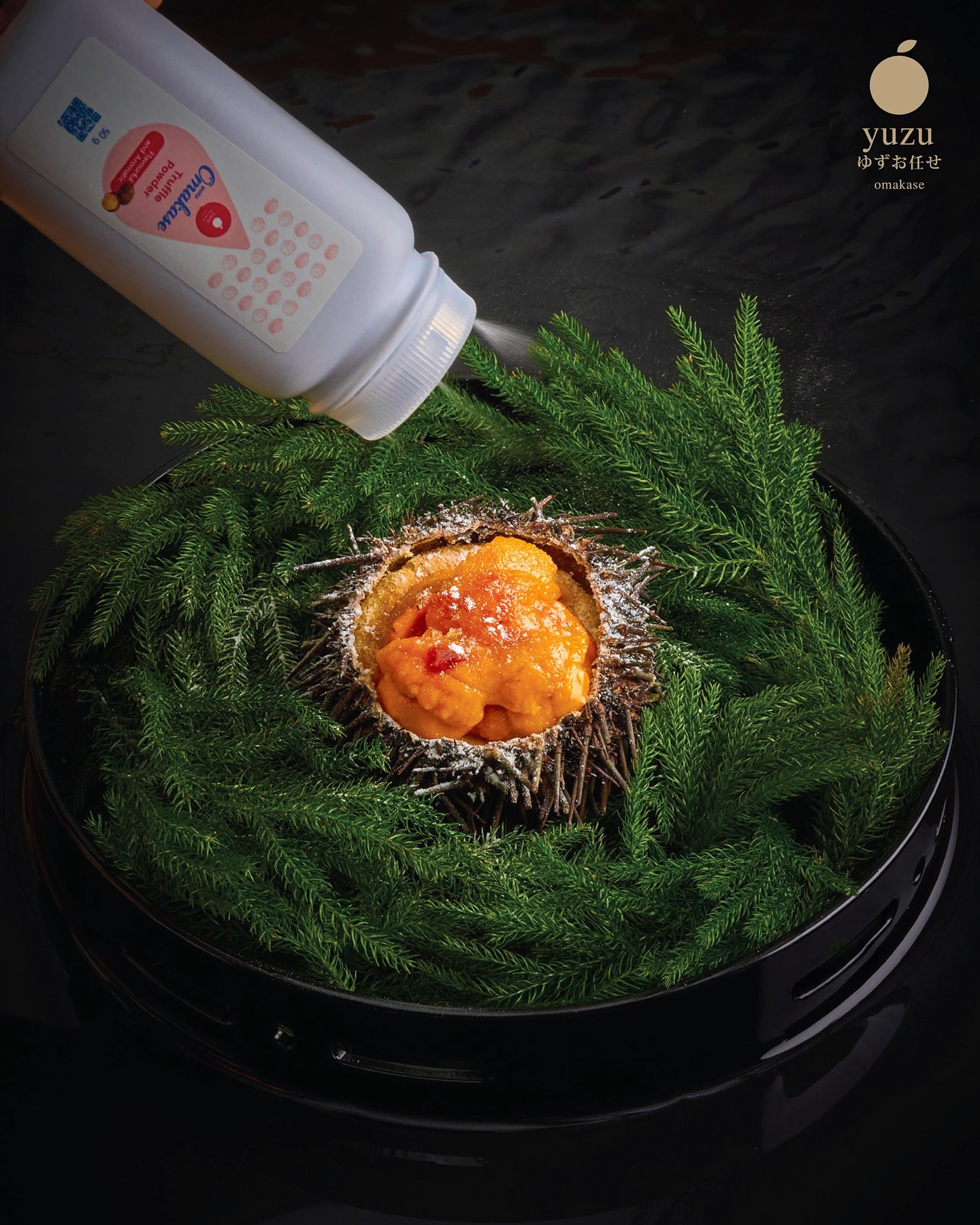
Our special Truffle Grounded, special seasoning in each bite. Worth trying.
Frequently Asked Questions
What is a truffle?
A: A truffle is the underground fruiting body of a fungus in the genus Tuber, which grows in partnership with the roots of trees such as oak, hazel and beech. Unlike a mushroom, it forms entirely below ground.
What is the difference between black truffle and white truffle?
A: White truffle is Tuber magnatum, gathered wild around Alba in Piedmont, Italy, and shaved raw because heat fades its aroma. Black truffle is Tuber melanosporum, the Périgord truffle, harvested from November to March, and its aroma deepens when warmed.
What is the difference between truffle and truffle oil?
A: Fresh truffle is the fungus itself. Many commercial truffle oils contain no truffle and are flavoured with a manufactured compound, 2,4-dithiapentane, that imitates one note of white truffle's aroma.
What is truffle sushi?
A: Truffle sushi is sushi finished with fresh truffle, a truffle sauce or truffle soy. At its best the truffle is used sparingly, so the aroma frames the fish rather than replacing it.
The beauty of Japanese food often hides in the simplest details, even with truffle. It is one of the loudest ingredients a chef can reach for, and the skill lies in how little of it they use. When it is right, you notice the fish first and the truffle a breath later, and that small delay is the whole art of it.
Reserve a seat at Yuzu Omakase
Website: https://www.yuzuomakase.com/
Tel: 0638988989
Line: Yuzu Omakase
FB: Yuzu Omakase
IG: yuzu_omakase
RELATE
-
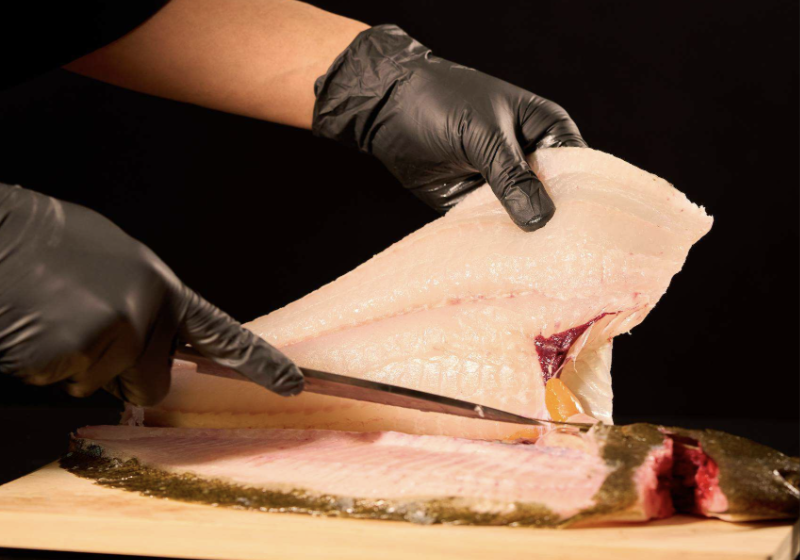
Engawa: The Cut Most Diners Never Notice
Engawa (縁側) is the thin band of muscle that moves the dorsal and ventral fins of a flatfish, and the classic engawa comes from hirame, the olive flounder. Engawa tastes richer than the white body meat of the same fish, with more fat, a clean sweetness, and a crunchy chew that comes from its high… Continue reading Engawa: The Cut Most Diners Never Notice
Local Story ● 2026 Sep 25
-
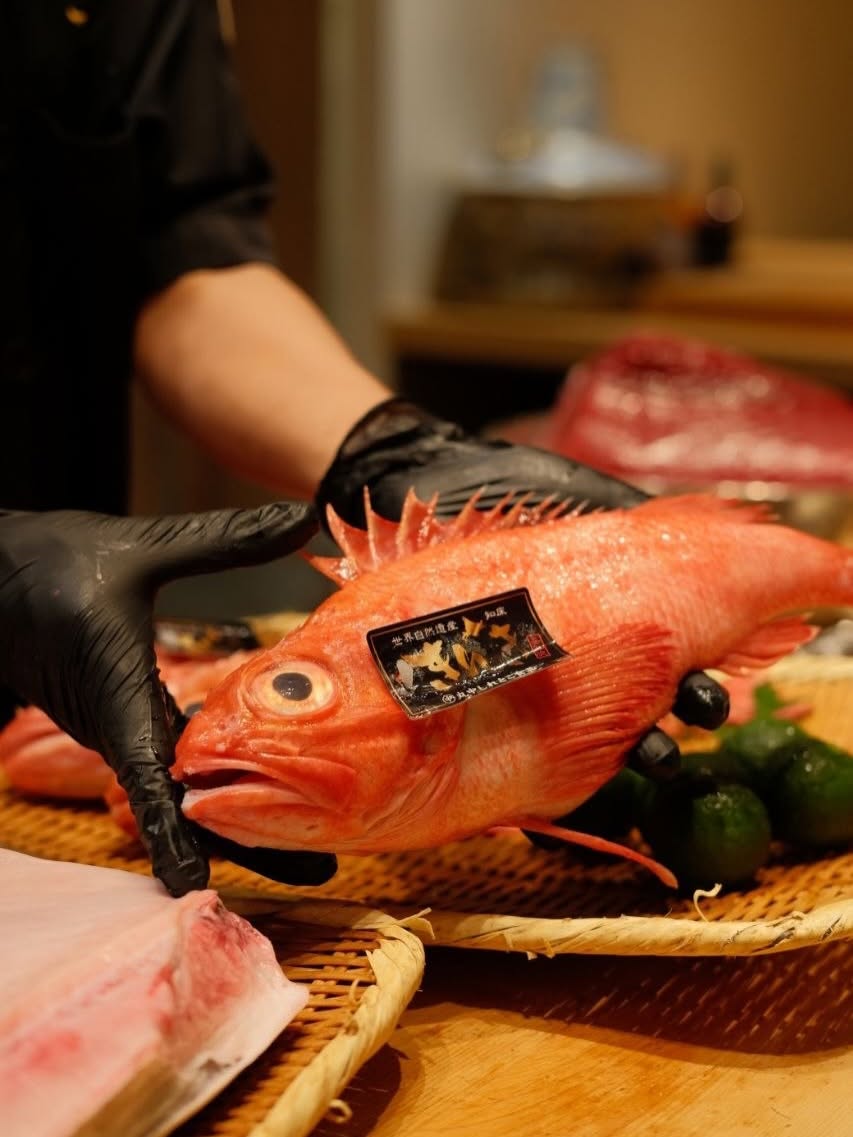
What Is Kinki Fish? Kichiji, the Deep Water
Kinki is the Japanese counter name for Sebastolobus macrochir, a deep water thornyhead from the northwestern Pacific that is classified as a white fish but carries far more fat than a white fish usually does. Kinki, kichiji and menme are three names for one species, used in different regions and different registers, and none of… Continue reading What Is Kinki Fish? Kichiji, the Deep Water
Local Story ● 2026 Aug 30
-
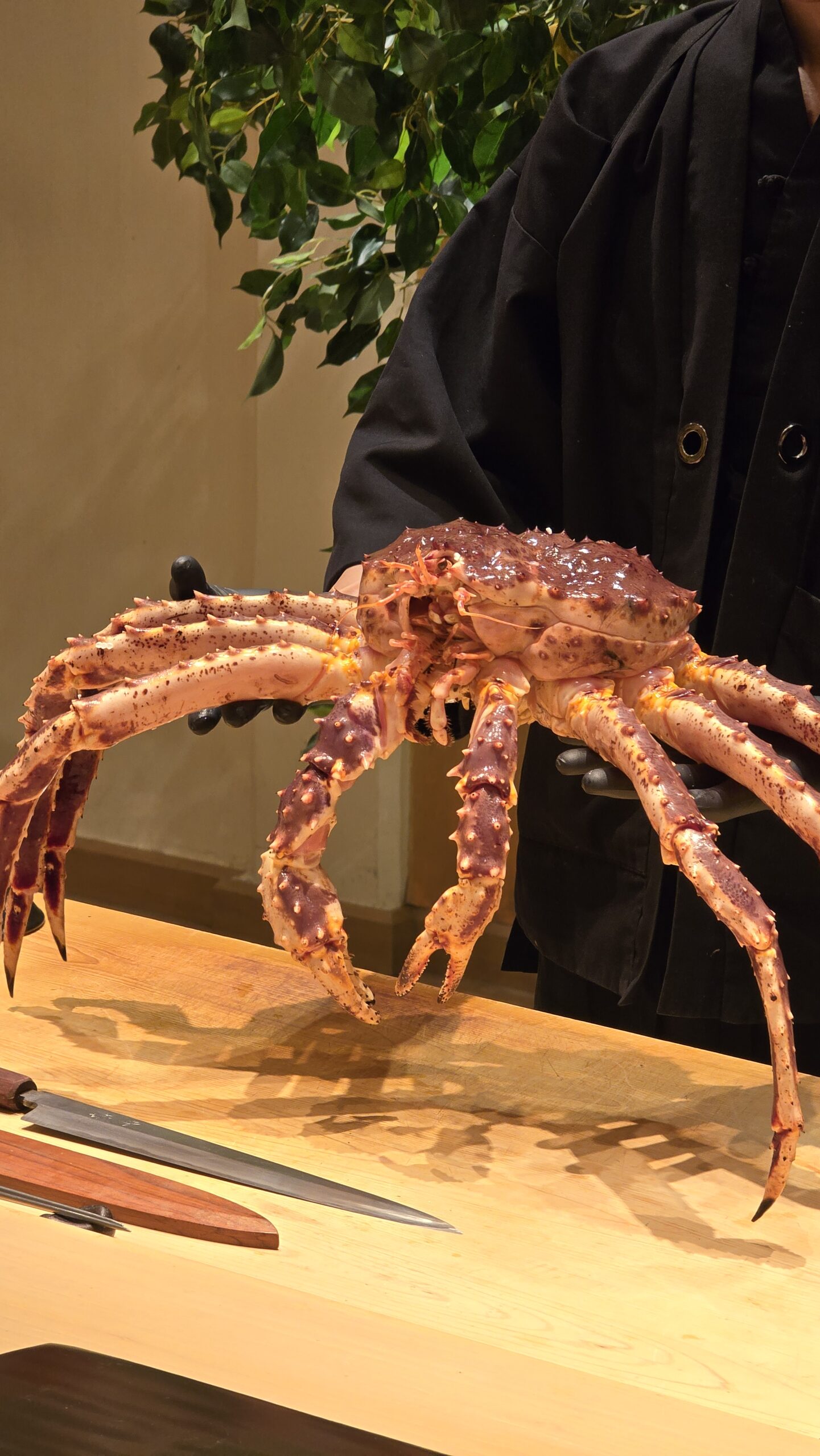
What Is Taraba King Crab? The Hokkaido Giant That Is Not Actually a Crab
Taraba king crab, tarabagani in Japanese, is the red king crab, the largest and most prized of the king crab species found in Japanese waters. Taraba is not a true crab. It belongs to the hermit crab family, and the giveaway is the leg count: true crabs have ten legs, taraba has eight, with two… Continue reading What Is Taraba King Crab? The Hokkaido Giant That Is Not Actually a Crab
Local Story ● 2026 Aug 30
-
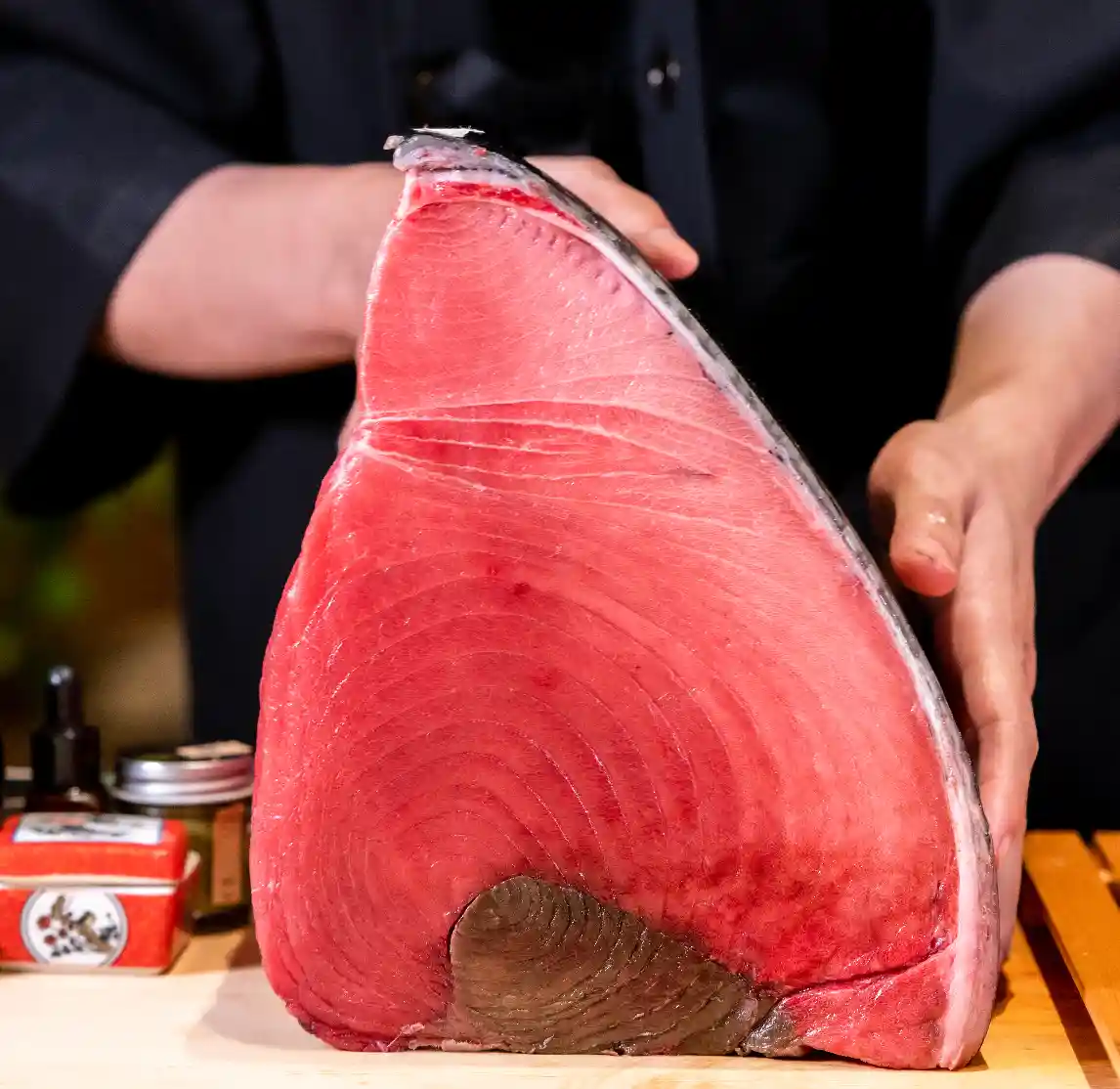
Akami, Chutoro, Otoro: The Three Cuts of Bluefin Tuna
Akami, chutoro, and otoro are the three sushi cuts of bluefin tuna, running from the lean loin along the spine, through the fattier belly and back, to the richest belly section nearest the head. The three cuts of bluefin tuna differ mostly in fat: akami carries barely any, chutoro about 15 to 20 percent, and… Continue reading Akami, Chutoro, Otoro: The Three Cuts of Bluefin Tuna
Local Story ● 2026 Jul 27

