




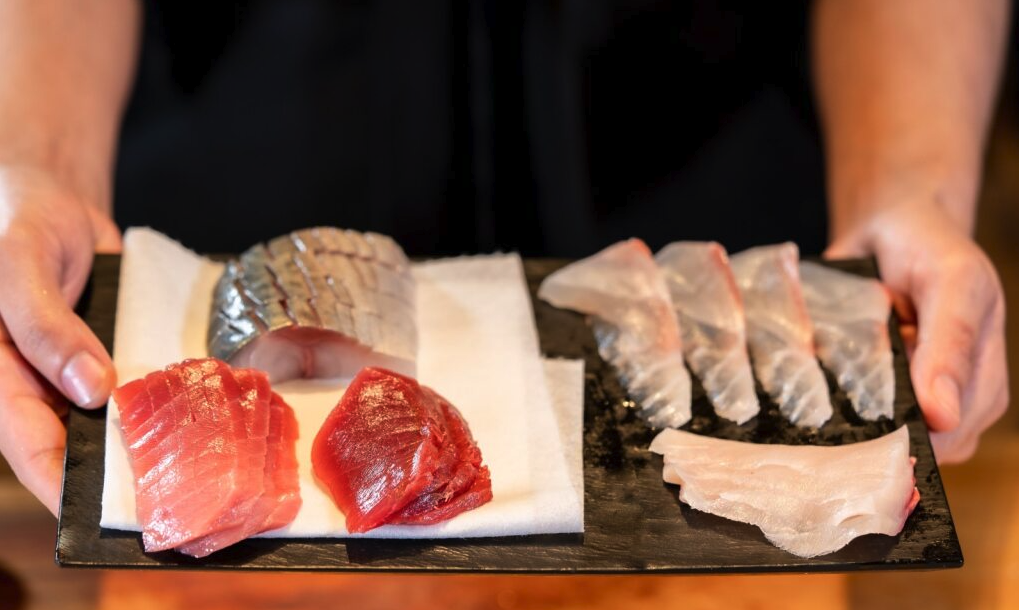
Popular Ingredients in Omakase
What are the most popular omakase ingredients? Omakase features premium seasonal ingredients carefully selected by the chef, with akami (lean tuna), chutoro and otoro (fatty tuna cuts), uni (sea urchin), hotate (scallop), and wagyu beef representing the most sought-after components. These ingredients showcase the pinnacle of Japanese culinary craftsmanship through their exceptional quality and preparation.… Continue reading Popular Ingredients in Omakase
Local Story ● 2025 Dec 4
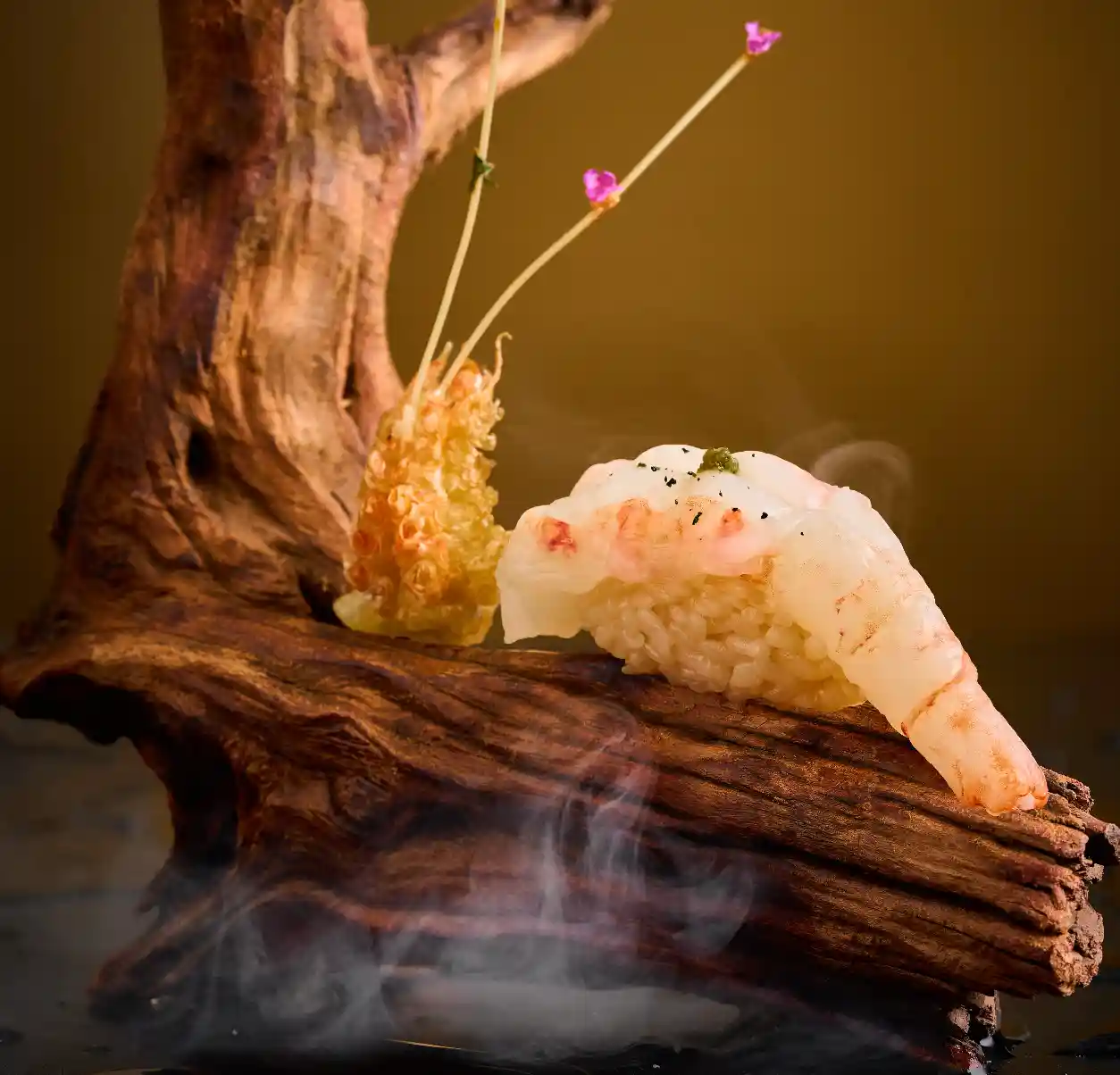
What are the most popular omakase ingredients?
Omakase features premium seasonal ingredients carefully selected by the chef, with akami (lean tuna), chutoro and otoro (fatty tuna cuts), uni (sea urchin), hotate (scallop), and wagyu beef representing the most sought-after components. These ingredients showcase the pinnacle of Japanese culinary craftsmanship through their exceptional quality and preparation.
Key Ingredients:
- Seafood: Akami, maguro varieties, uni, hotate, anago, taraba crab
- Premium Meats: A5 wagyu beef, iberico pork
- Preparation: Raw, aged, grilled, or torched based on ingredient
- Selection: Changes seasonally for peak freshness
Understanding Omakase Ingredients
Omakase, meaning "I leave it to you," represents the ultimate expression of trust between diner and chef. The ingredients selected for each course reflect not only seasonal availability but also the chef's expertise in sourcing and preparation. Premium omakase experiences feature ingredients that many consider the jewels of Japanese cuisine.
The philosophy behind ingredient selection in omakase extends beyond mere luxury. Each component must harmonize with others in the progression, creating a narrative that unfolds through texture, temperature, and taste intensity.
Premium Tuna Varieties: Akami and Maguro Excellence
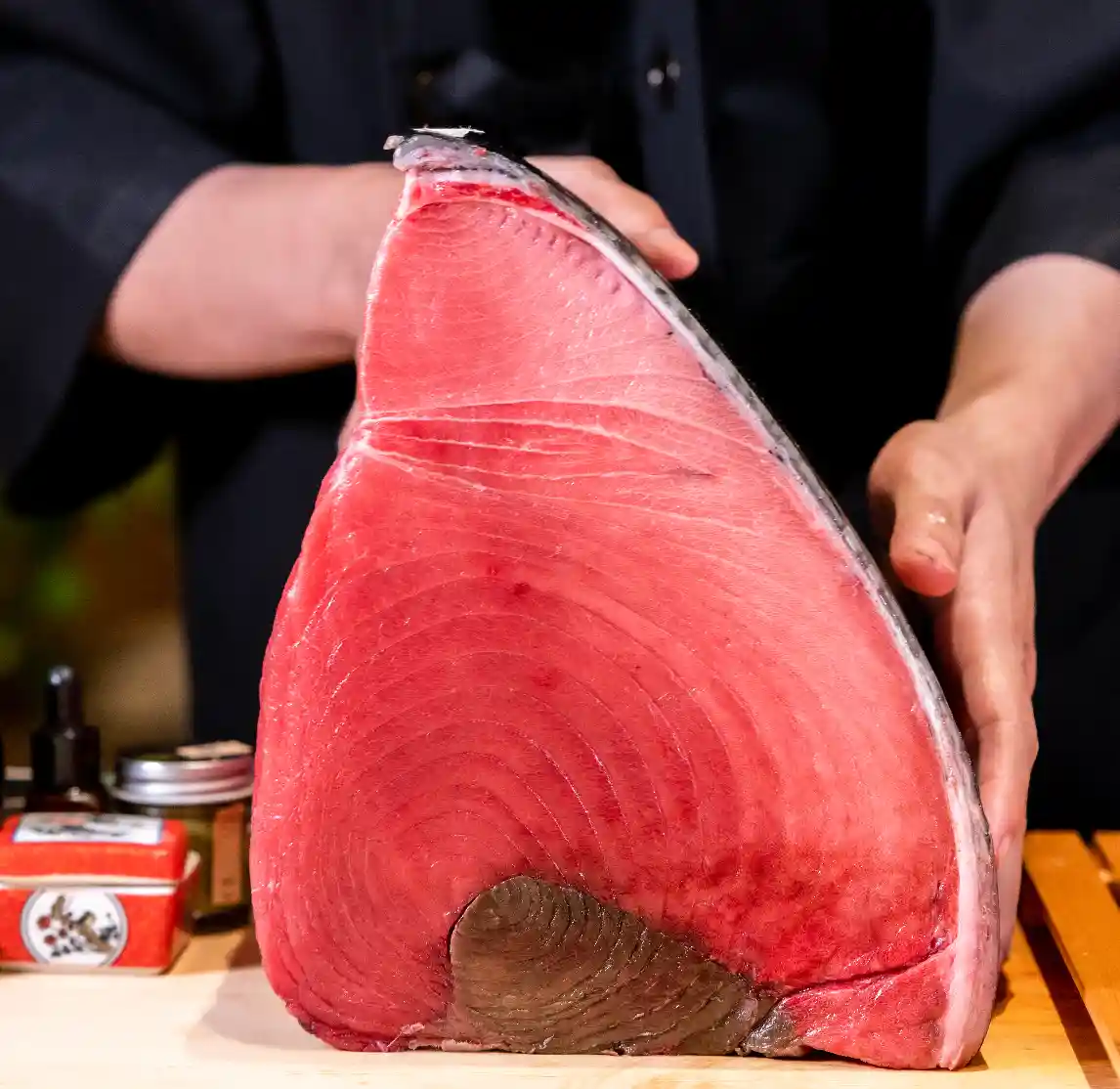
The Tuna Hierarchy
Maguro, or bluefin tuna, forms the foundation of many omakase experiences. Within this prized fish, different cuts offer distinct experiences:
Akami represents the lean, deep-red meat from the tuna's back and sides. This cut delivers pure, concentrated tuna flavor with a firm texture that melts gradually on the palate. Master sushi chefs often age akami for several days to develop deeper umami notes.
The chutoro (medium fatty) and otoro (supreme fatty belly) cuts showcase increasing marbling, with otoro containing the highest fat content. These cuts require precise knife work and temperature control to achieve the perfect balance between richness and structure.
Comparison Table: Tuna Cuts in Omakase
| Cut Type | Fat Content | Texture | Flavor Profile | Best Preparation |
| Akami | Low (5-8%) | Firm, lean | Clean, oceanic | Aged 3-7 days |
| Chutoro | Medium (15-20%) | Silky | Balanced umami | Fresh or lightly aged |
| Otoro | High (25-35%) | Buttery | Rich, sweet | Fresh, room temperature |
Seasonal Seafood Stars
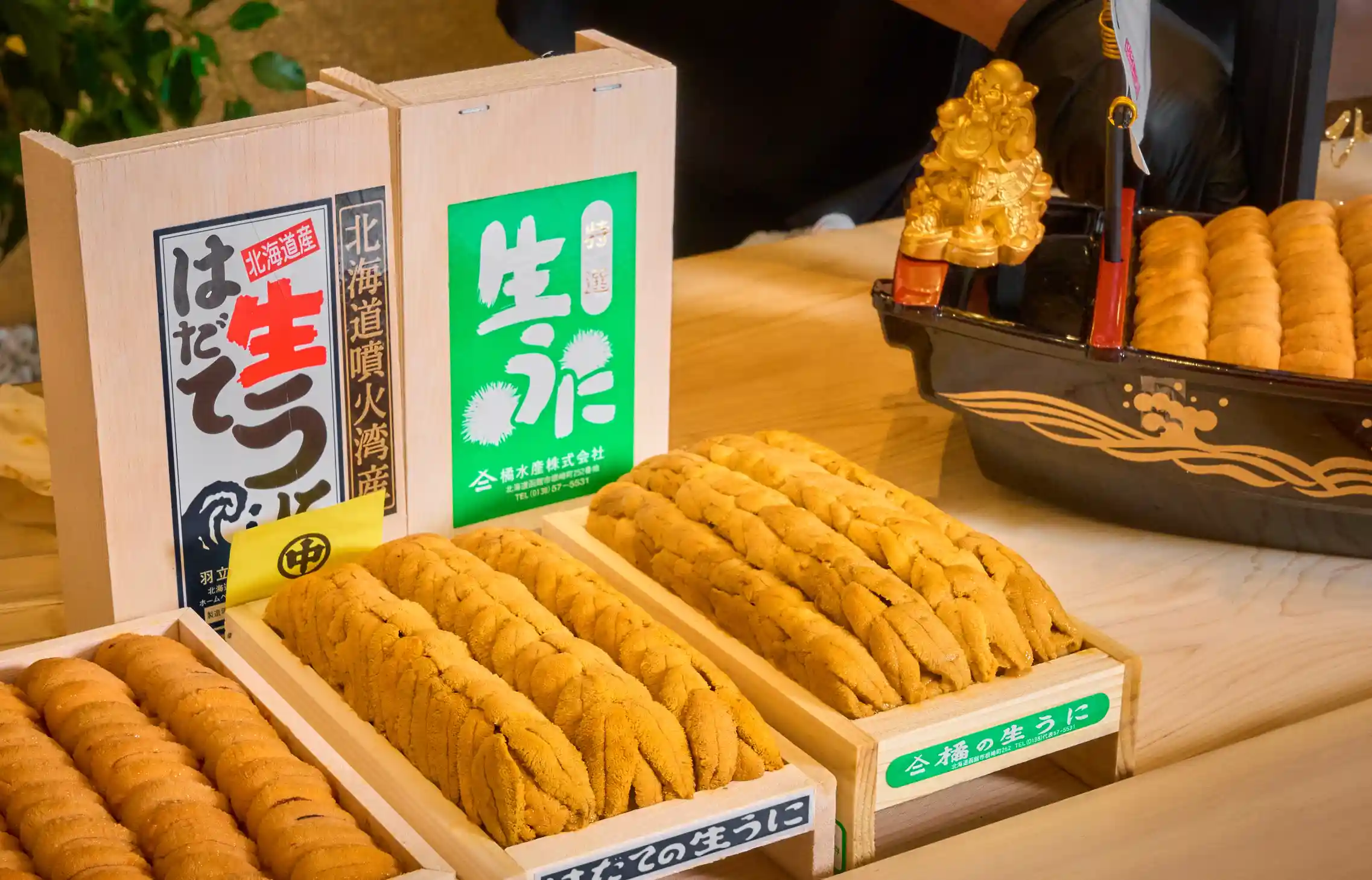
Uni: The Ocean's Gold
Sea urchin, or uni, represents one of omakase's most polarizing yet prized ingredients. Premium uni from Hokkaido delivers creamy, sweet notes reminiscent of ocean butter. The quality varies dramatically by source, with Japanese uni commanding premium prices for its superior sweetness and lack of metallic aftertaste.
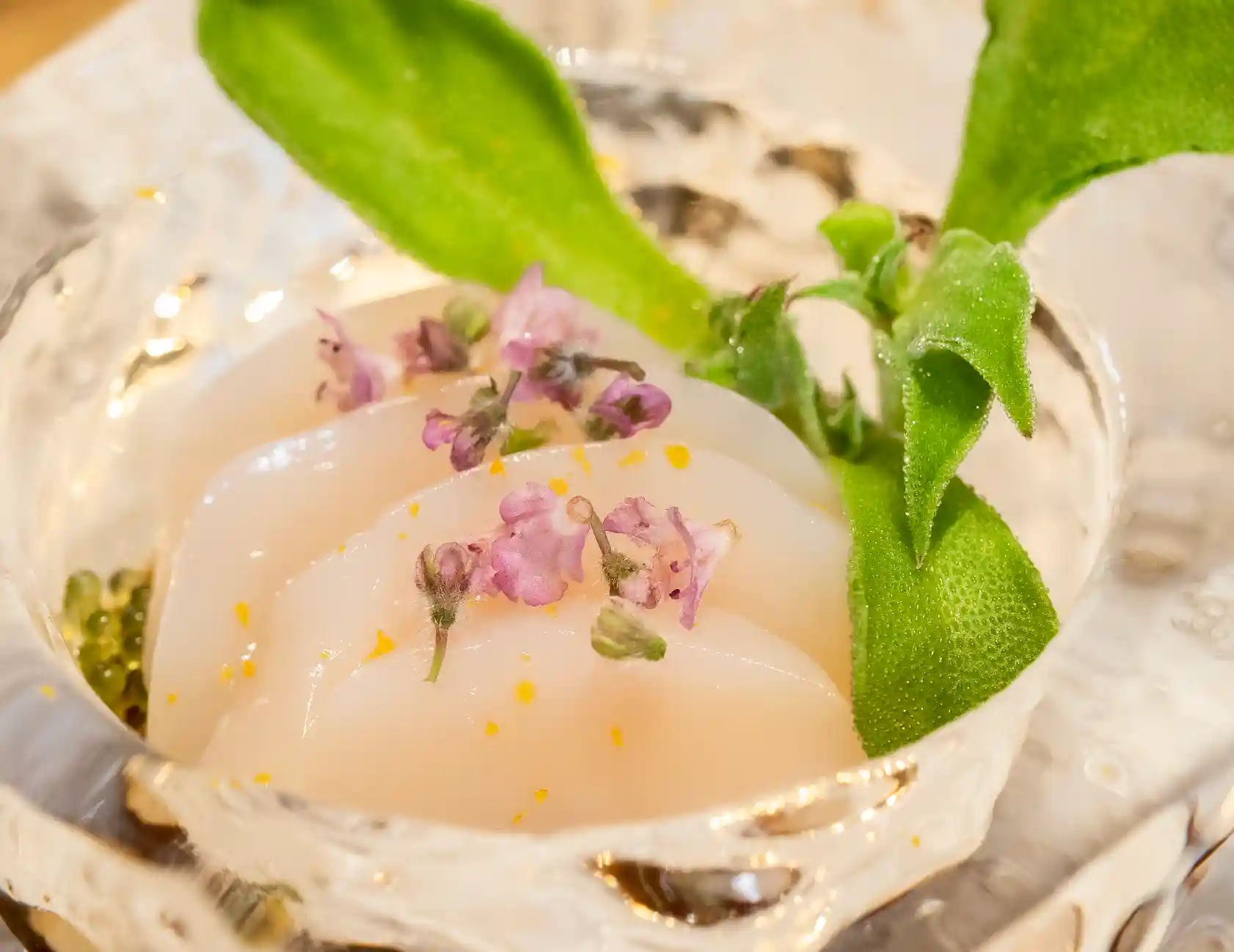
Hotate: Scallop Perfection
Hokkaido hotate (scallops) appear in omakase when sweetness and texture contrast are desired. These scallops, often served raw or lightly torched, provide a sweet counterpoint to richer fish. Their natural glycine content creates an inherent sweetness that intensifies with proper aging.
Specialty Selections
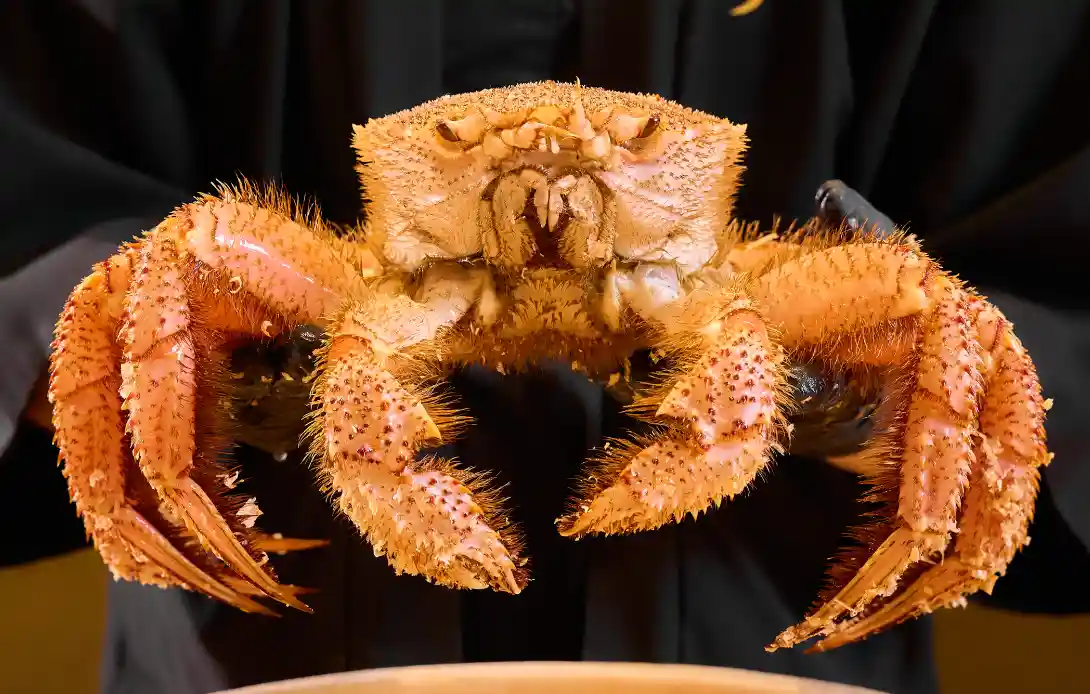
Taraba (red king crab) from cold northern waters offers sweet, delicate meat that requires minimal preparation. The legs yield pristine white meat with subtle oceanic sweetness.
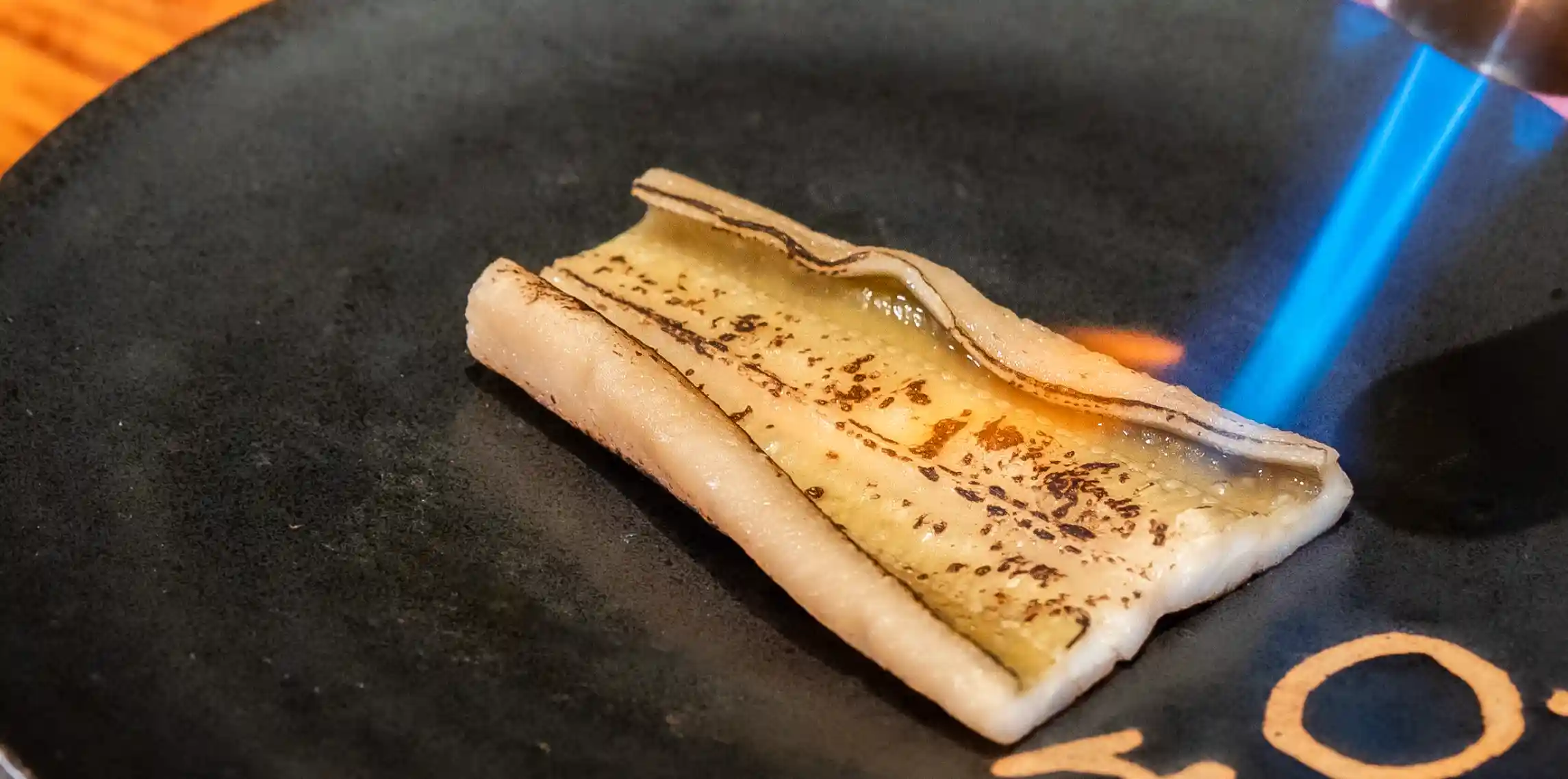
Anago (sea eel) provides a cooked element in the progression, traditionally brushed with sweet tsume sauce. Unlike its freshwater cousin unagi, anago offers a lighter, more delicate flavor that doesn't overwhelm the palate.
Premium Meat Integration
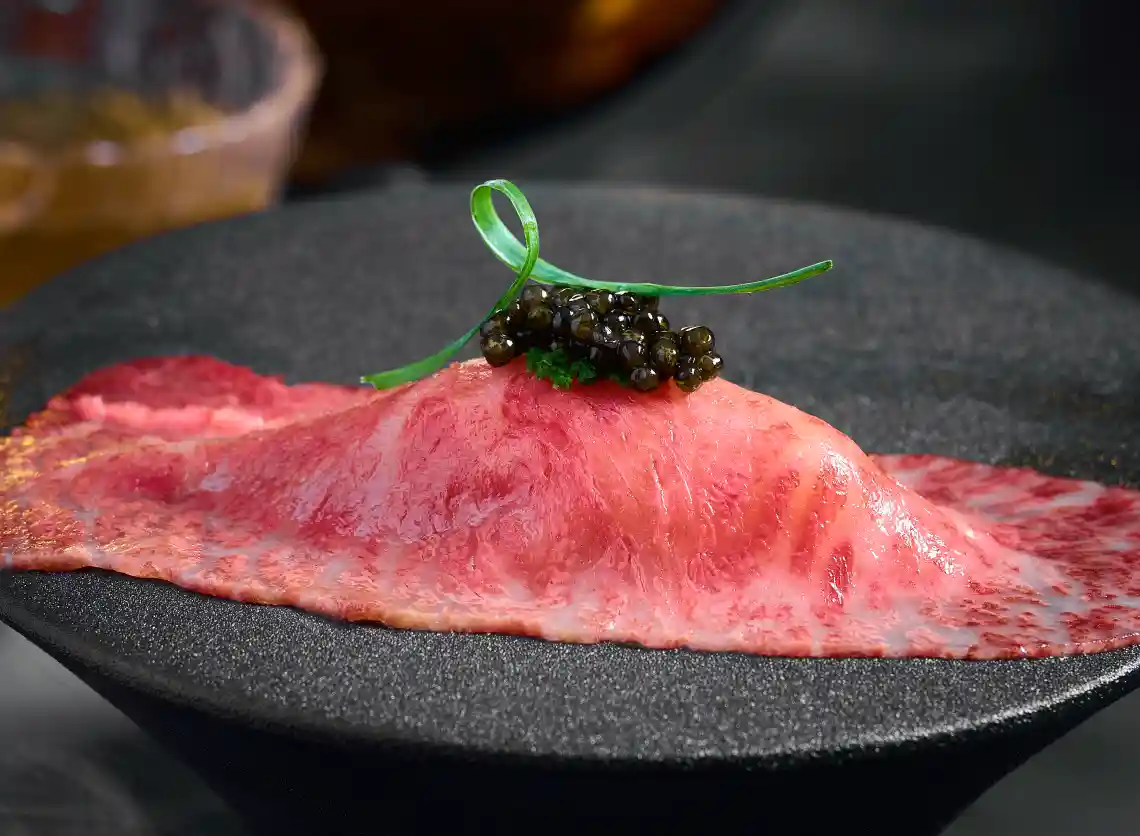
Wagyu Excellence
A5 wagyu beef has become increasingly prominent in modern omakase, often appearing as a luxurious interlude between seafood courses. The beef's intense marbling creates an almost butter-like texture when lightly seared, with fat that melts at body temperature.
Iberico Pork Innovation
Iberico pork, particularly from acorn-fed pigs, introduces Spanish influence into contemporary omakase. The meat's natural nuttiness and complex fat composition complement traditional Japanese preparations while adding international sophistication.
Ingredient Quality Indicators
| Ingredient | Premium Source | Quality Markers | Peak Season |
| Uni | Hokkaido, Japan | Bright gold color, firm shape | Summer |
| Hotate | Hokkaido waters | Sweet aroma, translucent | Winter |
| Wagyu | Kobe, Matsusaka | A5 grade, fine marbling | Year-round |
| Taraba | Alaska, Russia | Firm texture, sweet taste | Winter-Spring |
Key Takeaways
Omakase ingredients represent the pinnacle of seasonal sourcing. Tuna varieties from akami to otoro offer distinct flavor experiences. Premium uni and hotate showcase regional Japanese excellence. Modern omakase incorporates wagyu and iberico for diversity. Quality indicators include source, seasonality, and preparation method
Frequently Asked Questions
Why is akami sometimes preferred over fatty tuna? Akami offers pure tuna flavor without the richness of fatty cuts, allowing diners to appreciate the fish's essential character. Many chefs age akami to concentrate umami flavors.
What makes Hokkaido uni superior to other varieties? Hokkaido's cold waters and abundant kelp forests create ideal conditions for uni, resulting in sweeter, creamier texture without metallic undertones common in other regions.
How does wagyu enhance the omakase experience? Wagyu provides textural and flavor contrast mid-meal, its rich fattiness cleansing the palate between delicate seafood courses while adding luxury to the progression.
Is iberico pork traditional in omakase? While not traditional, progressive omakase chefs incorporate iberico pork to showcase innovation while maintaining Japanese preparation techniques and presentation standards.
What determines ingredient selection in omakase? Chefs consider seasonality, quality, progression balance, and individual guest preferences when selecting ingredients for each omakase service.
How important is aging for omakase ingredients? Aging develops complex flavors in lean fish like akami while some ingredients like uni and hotate are best served fresh for optimal sweetness and texture.
Why do prices vary significantly for similar ingredients? Source location, harvesting method, grading standards, and seasonal availability create substantial price variations, with Japanese-sourced ingredients typically commanding premiums.
RELATE
-
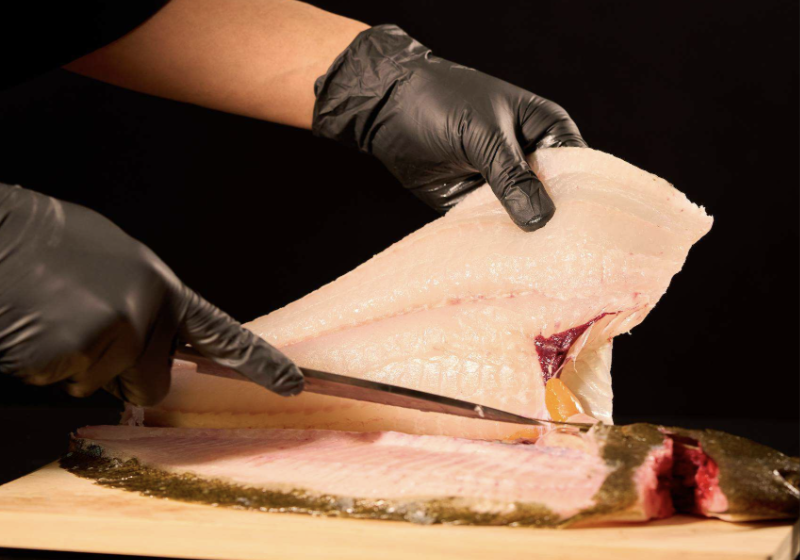
Engawa: The Cut Most Diners Never Notice
Engawa (縁側) is the thin band of muscle that moves the dorsal and ventral fins of a flatfish, and the classic engawa comes from hirame, the olive flounder. Engawa tastes richer than the white body meat of the same fish, with more fat, a clean sweetness, and a crunchy chew that comes from its high… Continue reading Engawa: The Cut Most Diners Never Notice
Local Story ● 2026 Sep 25
-
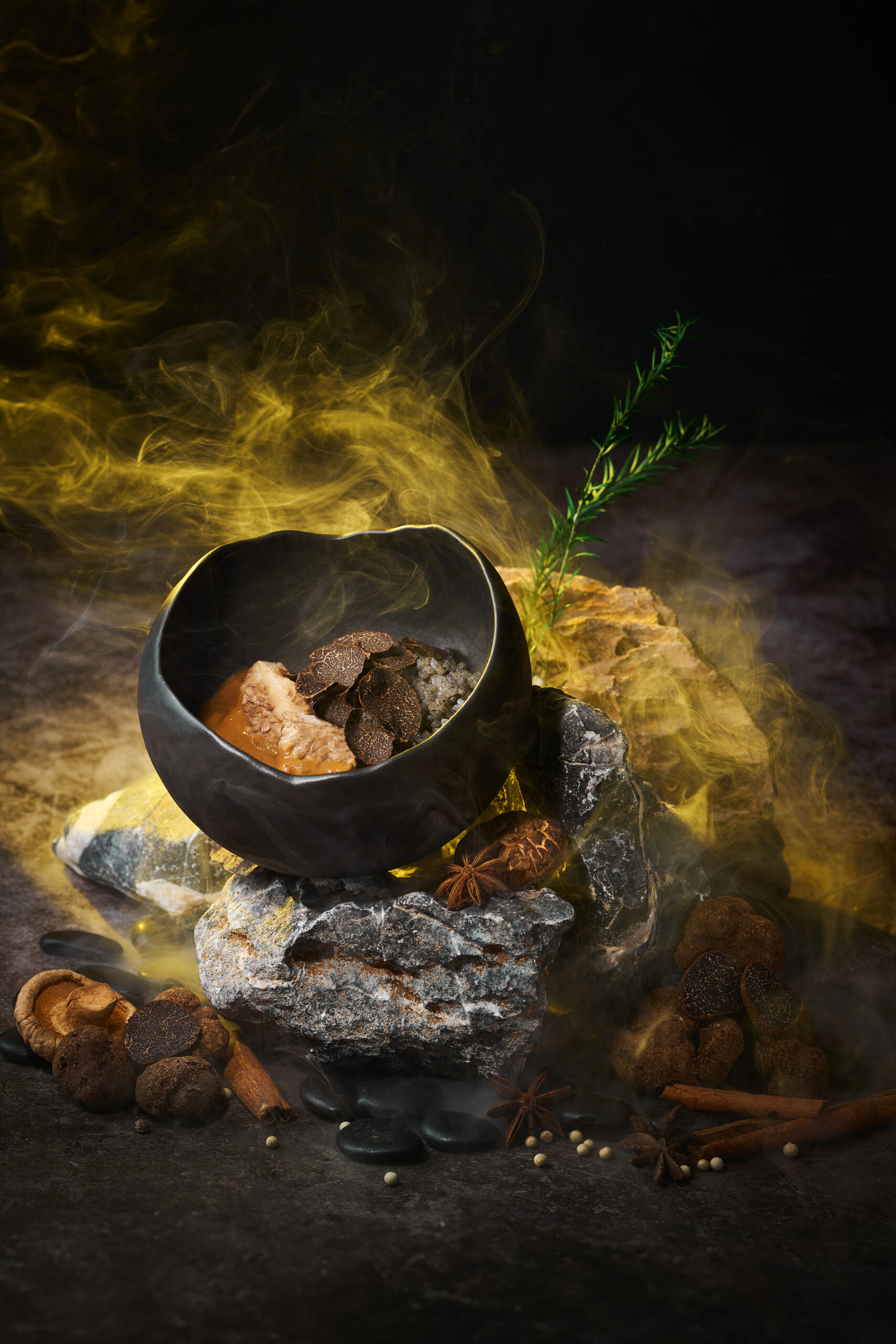
What Is Truffle (トリュフ), and How Much Belongs on Sushi?
Truffle, written toryufu (トリュフ) on a Japanese menu, is the underground fruiting body of a fungus in the genus Tuber, which lives in partnership with the roots of trees such as oak, hazel and beech. The white truffle, Tuber magnatum from Piedmont in northern Italy, is shaved raw because its aroma fades with heat, while… Continue reading What Is Truffle (トリュフ), and How Much Belongs on Sushi?
Local Story ● 2026 Sep 25
-
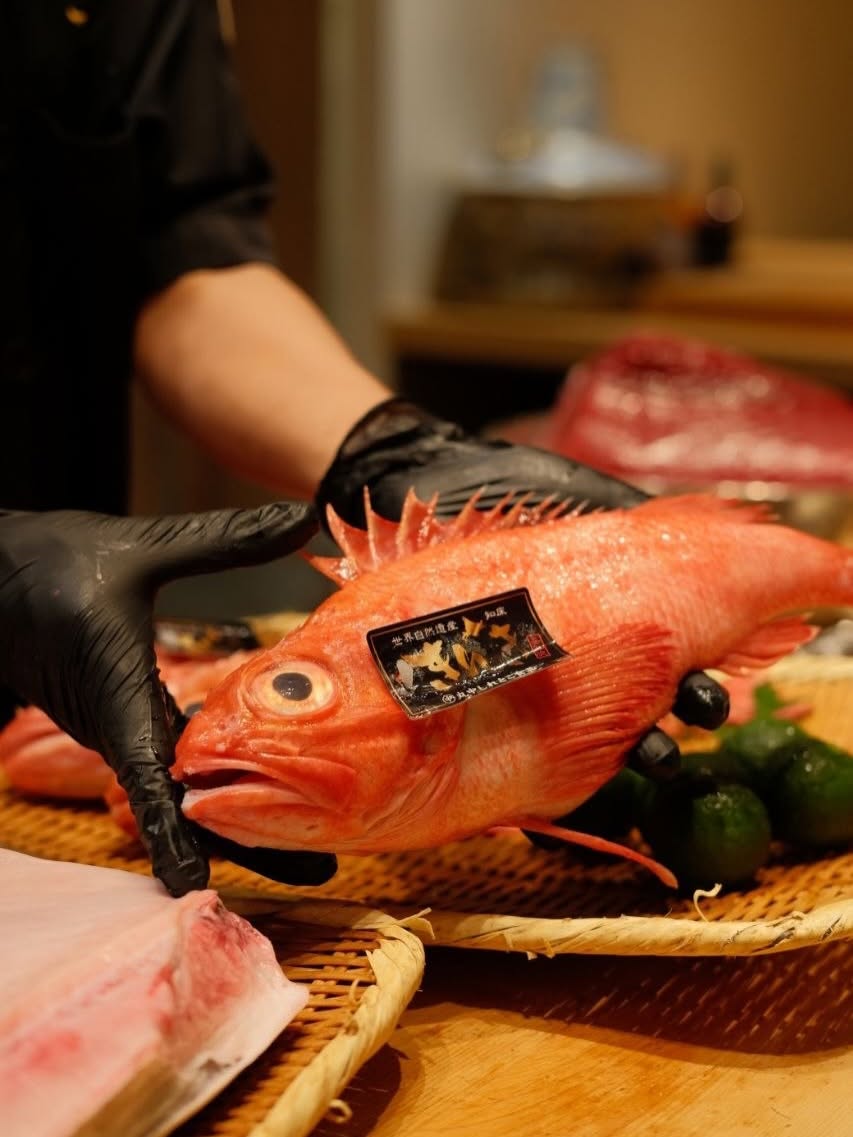
What Is Kinki Fish? Kichiji, the Deep Water
Kinki is the Japanese counter name for Sebastolobus macrochir, a deep water thornyhead from the northwestern Pacific that is classified as a white fish but carries far more fat than a white fish usually does. Kinki, kichiji and menme are three names for one species, used in different regions and different registers, and none of… Continue reading What Is Kinki Fish? Kichiji, the Deep Water
Local Story ● 2026 Aug 30
-
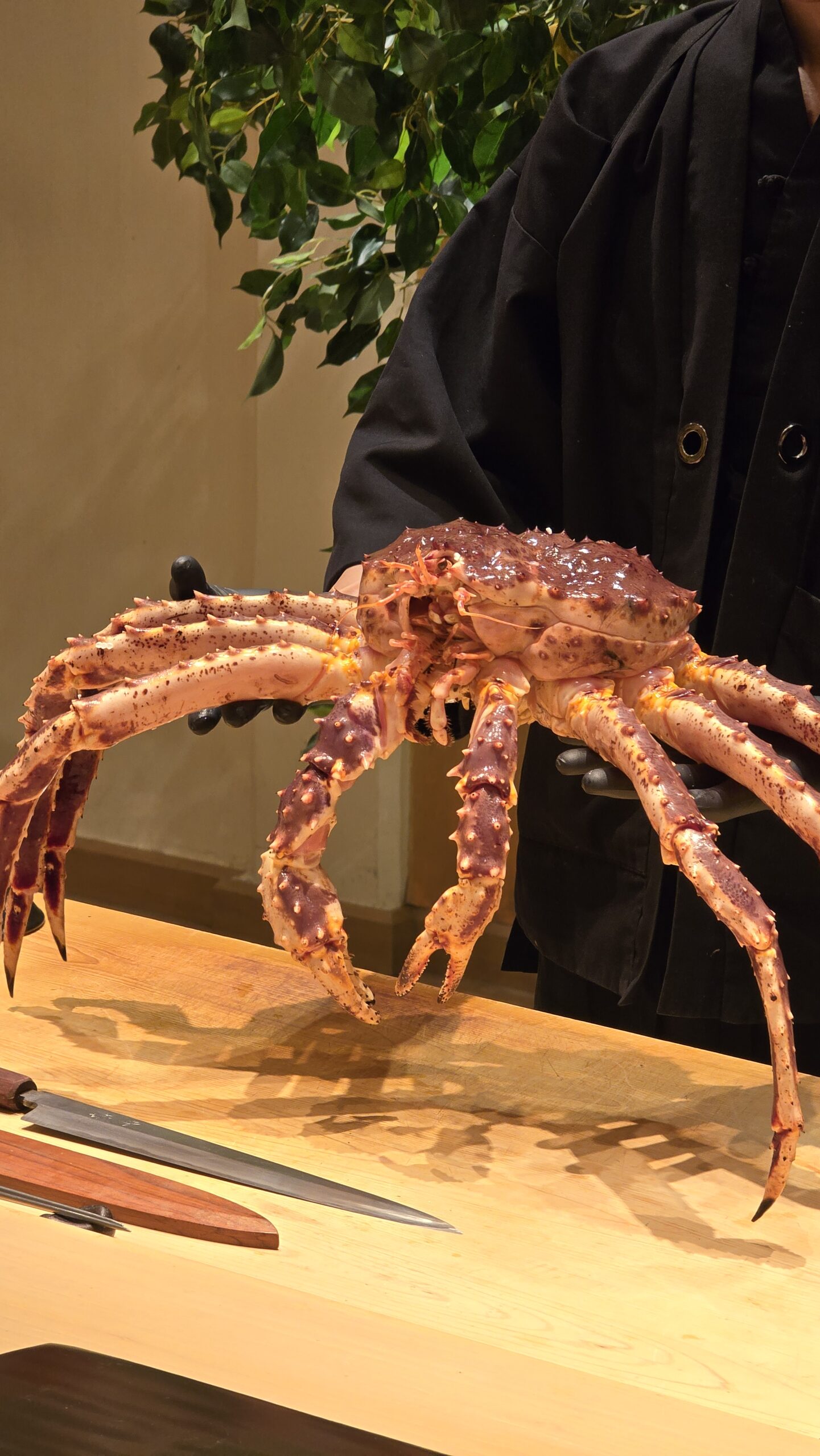
What Is Taraba King Crab? The Hokkaido Giant That Is Not Actually a Crab
Taraba king crab, tarabagani in Japanese, is the red king crab, the largest and most prized of the king crab species found in Japanese waters. Taraba is not a true crab. It belongs to the hermit crab family, and the giveaway is the leg count: true crabs have ten legs, taraba has eight, with two… Continue reading What Is Taraba King Crab? The Hokkaido Giant That Is Not Actually a Crab
Local Story ● 2026 Aug 30

