




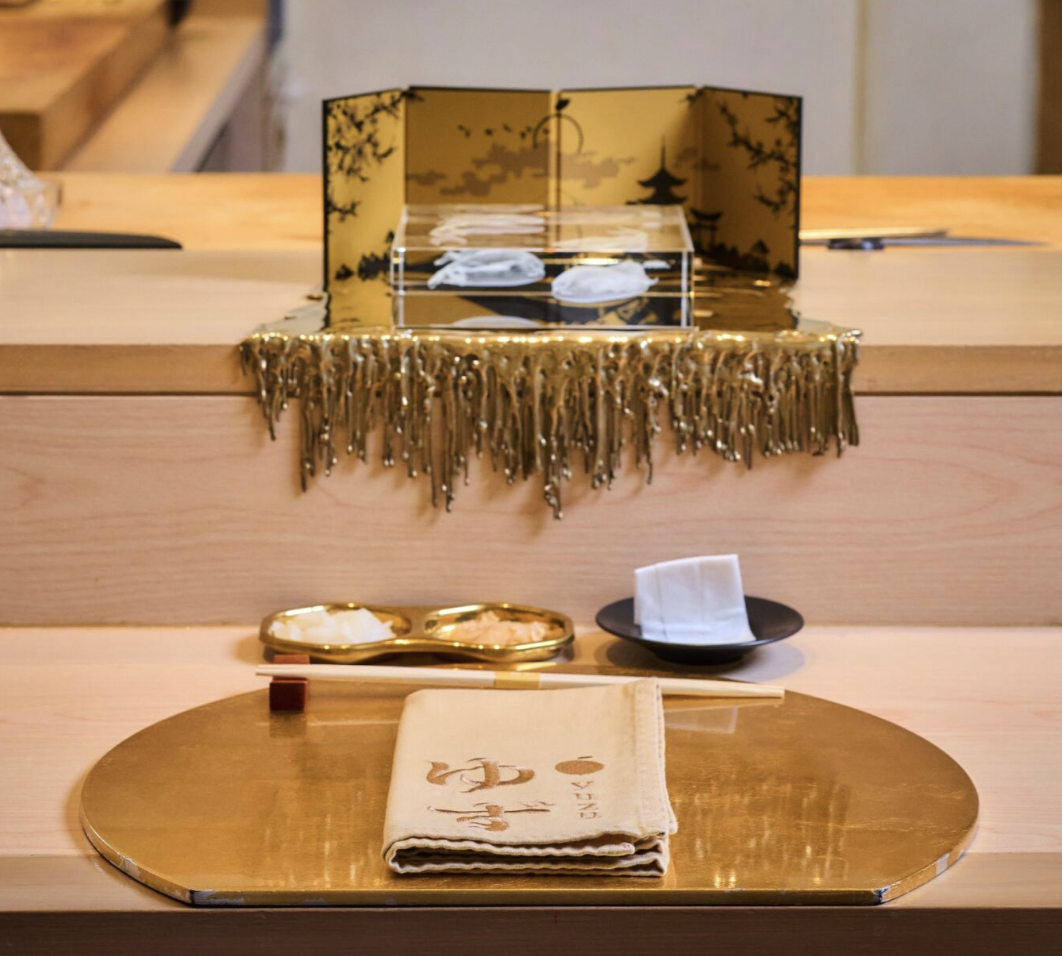
Kaiseki vs Omakase: Understanding Japanese Dining Experiences
When exploring Japanese fine dining, two prestigious culinary traditions stand at the pinnacle: kaiseki and omakase. Understanding the differences between kaiseki vs omakase helps discerning diners choose the perfect experience for special occasions, whether celebrating anniversaries, entertaining clients, or seeking cultural immersion through extraordinary cuisine. What is Kaiseki? Kaiseki is Japan’s most formal multi-course dining… Continue reading Kaiseki vs Omakase: Understanding Japanese Dining Experiences
Local Story ● 2025 Dec 4
When exploring Japanese fine dining, two prestigious culinary traditions stand at the pinnacle: kaiseki and omakase. Understanding the differences between kaiseki vs omakase helps discerning diners choose the perfect experience for special occasions, whether celebrating anniversaries, entertaining clients, or seeking cultural immersion through extraordinary cuisine.
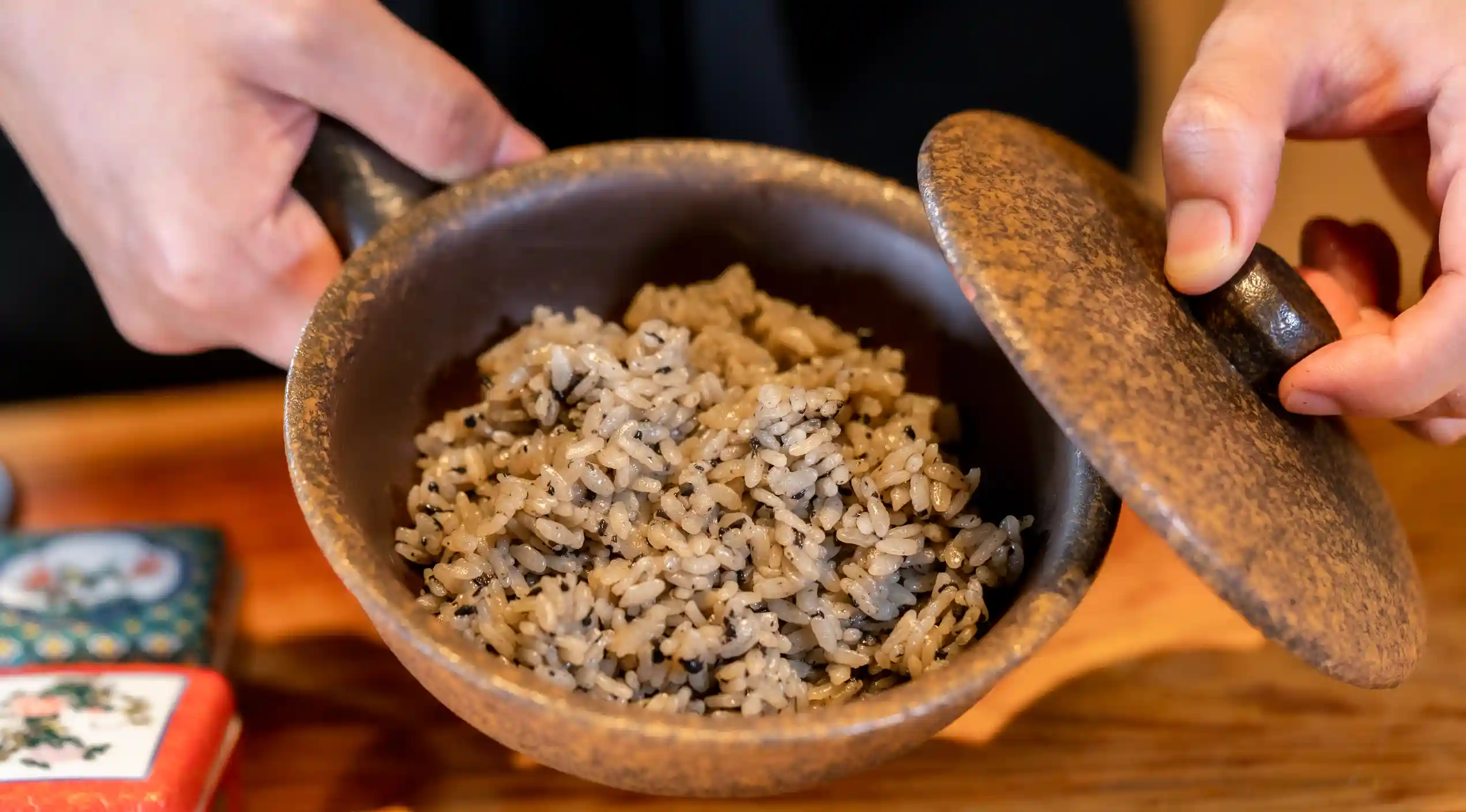
What is Kaiseki?
Kaiseki is Japan's most formal multi-course dining tradition featuring 9-14 seasonal courses served in a precise sequence over 2-3 hours.
Kaiseki originated alongside the tea ceremony in 16th-century Kyoto, evolving from simple vegetarian meals into today's elaborate culinary art form. This meticulously choreographed experience follows a centuries-old structure: sakizuke (appetizer), suimono (clear soup), mukōzuke (sashimi), takiawase (simmered dish), yakimono (grilled course), continuing through rice, pickles, and mizumono (dessert). Every element carries meaning, from hand-selected ceramics complementing each dish to seasonal flower arrangements creating perfect harmony between taste, texture, temperature, and visual aesthetics.
What is Omakase?

Omakase is a chef's choice dining experience where guests entrust menu selection entirely to the chef, typically featuring 10-20 courses based on daily ingredients, lasting 45 minutes to 3 hours.
Omakase, meaning "I leave it up to you," offers a philosophy built on trust and spontaneity. Unlike kaiseki's predetermined structure, omakase creates dynamic experiences where each course responds to the day's finest ingredients and chef's inspiration. Originally developed in sushi restaurants, it now encompasses various Japanese culinary styles. Guests typically sit at intimate counters, watching chefs craft each piece individually while adjusting elements based on flavor progression.
What's the Main Difference Between Kaiseki and Omakase?
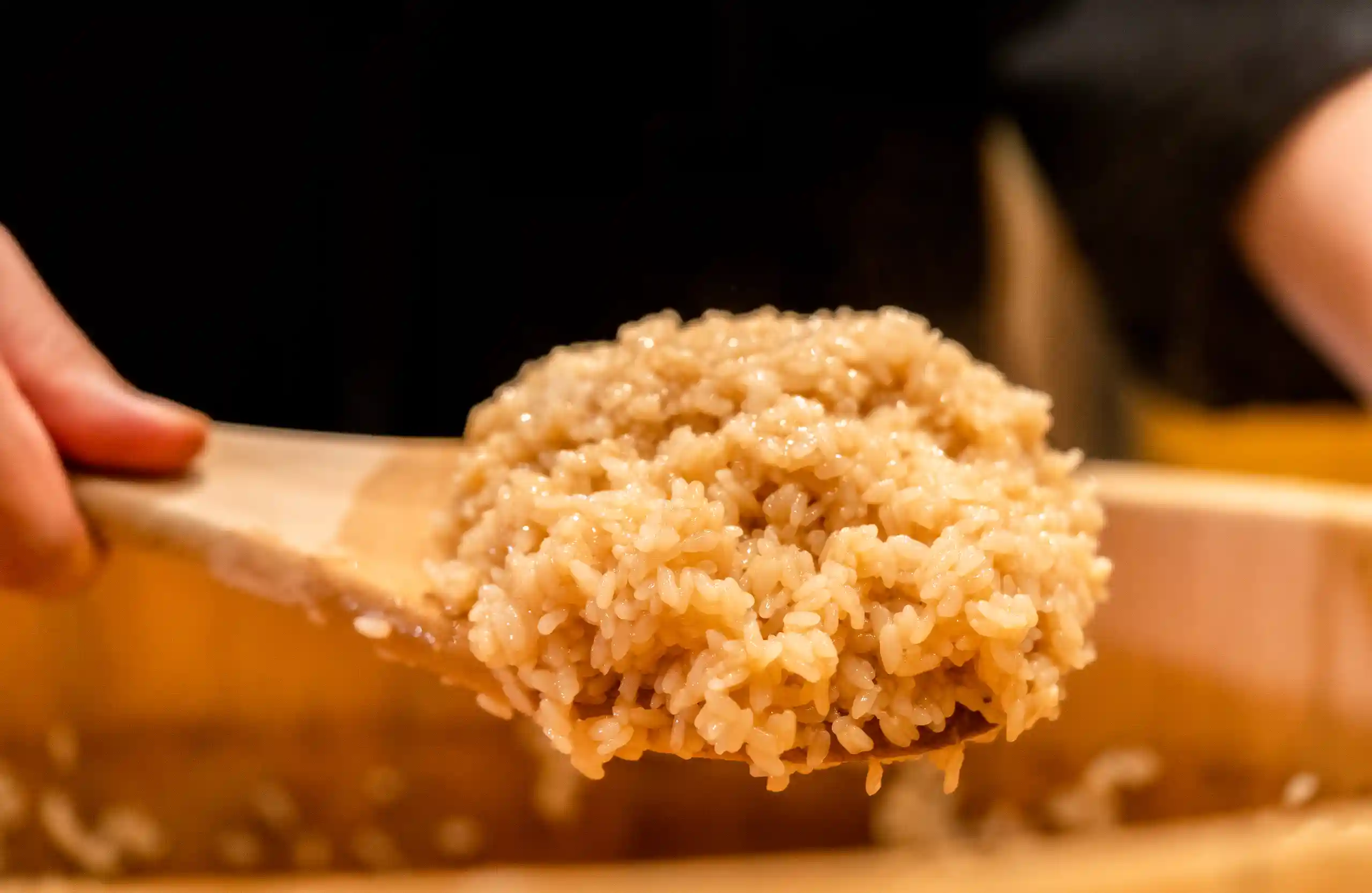
The fundamental difference is structure: kaiseki follows a traditional fixed sequence of seasonal courses, while omakase allows the chef complete creative freedom to design personalized menus based on daily ingredients and guest preferences.
Key distinctions include menu flexibility (kaiseki maintains rigid tradition; omakase adapts to diners' reactions), chef interaction (kaiseki offers formal table service; omakase provides intimate counter dining), and predictability (kaiseki guests know the course progression; omakase diners experience surprises). These differences profoundly impact the dining atmosphere and overall experience.
Which Costs More: Kaiseki or Omakase?
Both span wide price ranges, but kaiseki generally has higher entry-level pricing due to elaborate presentation requirements, while omakase offers more accessible options.
Exclusive omakase at renowned sushi counters can exceed $1000 per person, representing the absolute pinnacle of pricing. However, kaiseki's predictable nature means more consistent pricing across establishments, while omakase varies dramatically based on restaurant prestige and meal duration.
How Long Does Each Experience Take?
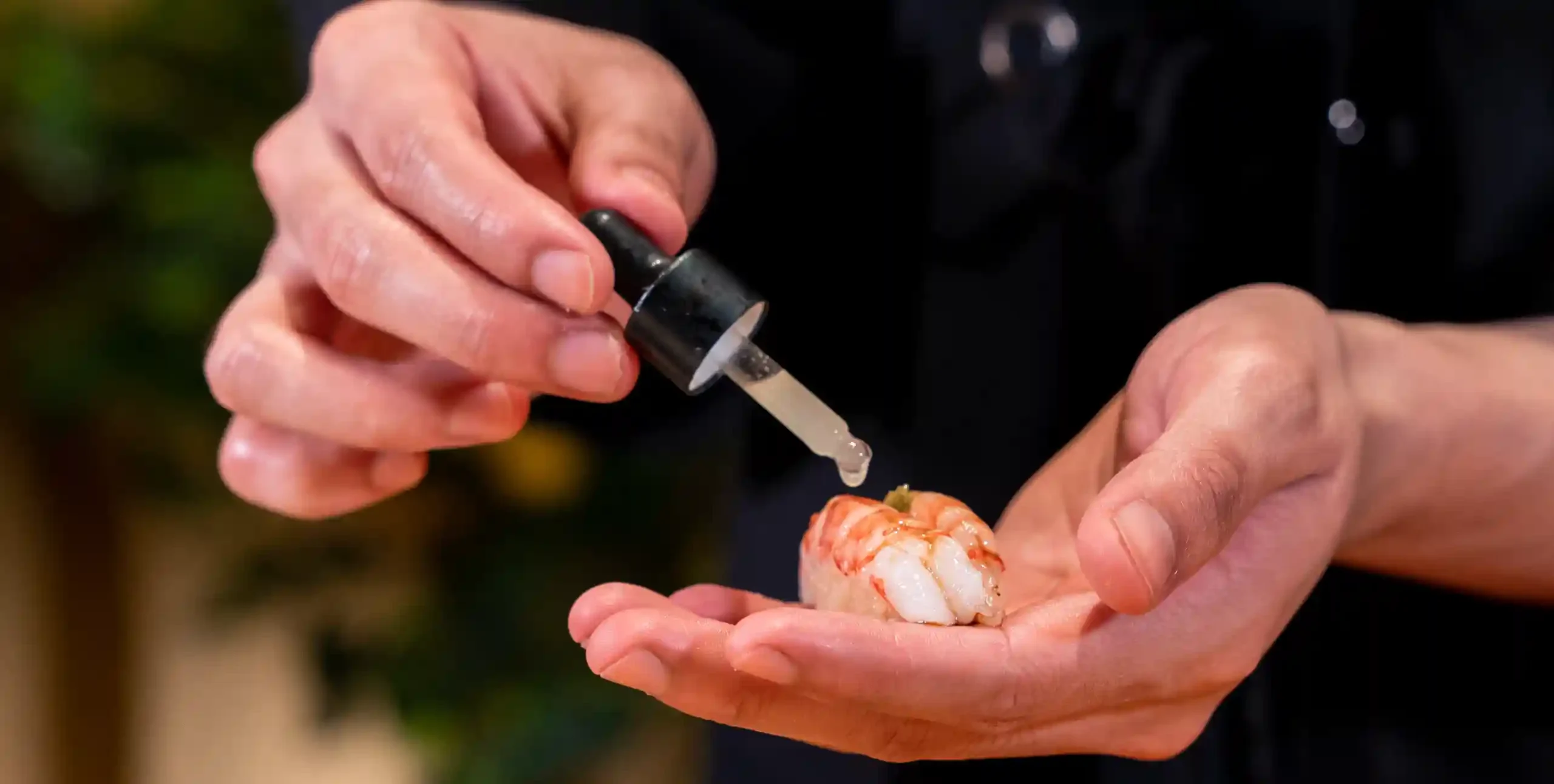
Kaiseki consistently takes 2-3 hours with precisely timed courses, while omakase offers flexible duration from 45-minute lunches to 3-hour elaborate dinners.
This reflects their fundamental philosophies: kaiseki's leisurely pace becomes part of the experience, while omakase adapts to various occasions and time constraints.
Can Vegetarians Enjoy These Experiences?
Omakase accommodates vegetarian diets more easily due to its flexible nature, while kaiseki's rigid structure makes modifications challenging, though specialized vegetarian menus exist with advance notice.
Both formats require communicating dietary restrictions when booking. Progressive establishments increasingly offer plant-based versions, drawing from Buddhist temple cuisine traditions.
When Should You Choose Each Format?
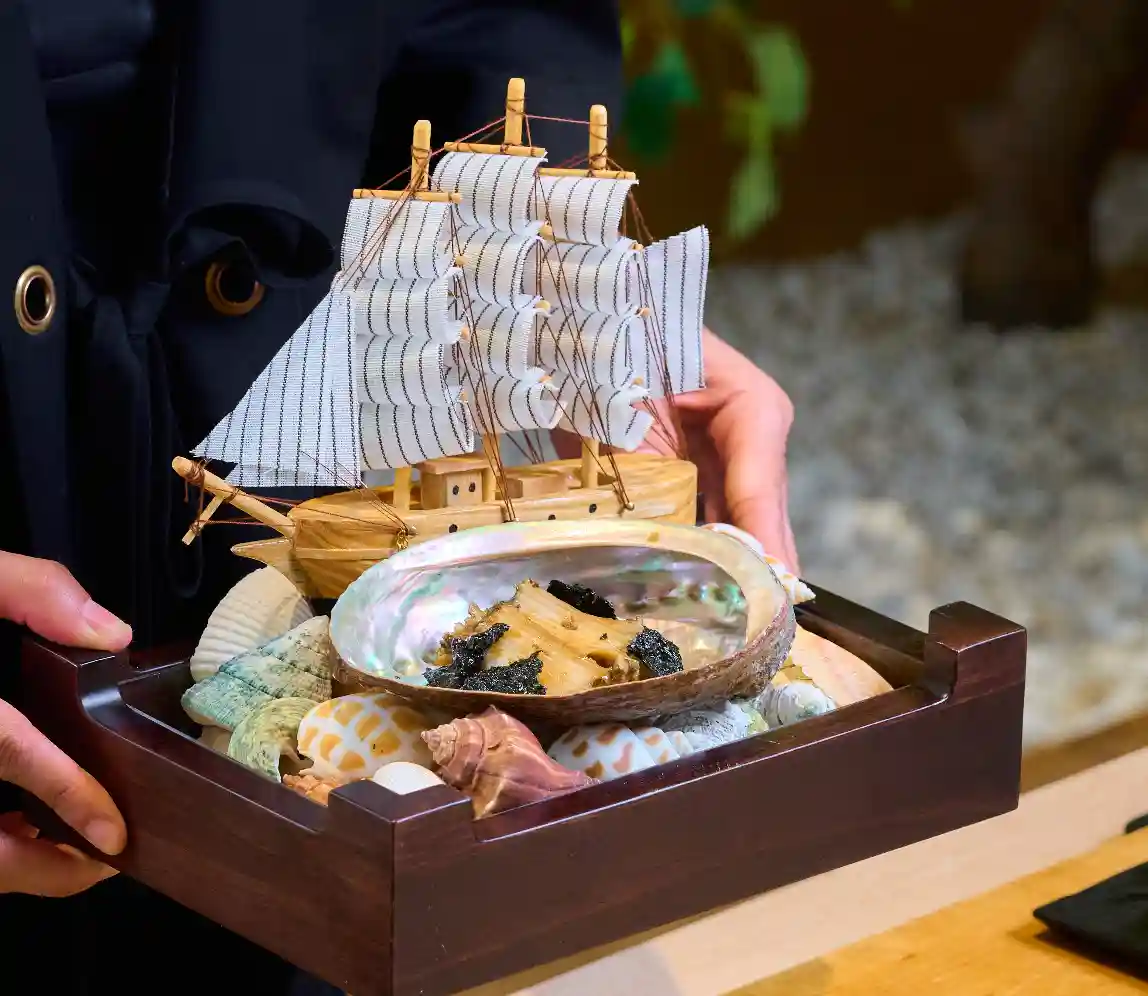
Choose kaiseki for formal occasions requiring predictability like business dinners; select omakase for adventurous dining, chef interaction, or personalized experiences.
Kaiseki suits corporate entertainment, milestone anniversaries, and cultural immersion experiences where structured elegance matters. Private dining rooms provide perfect settings for confidential discussions.
Omakase appeals to food enthusiasts seeking creativity, first-time visitors to Japanese fine dining, and those with specific dietary requirements. The interactive counter experience removes ordering pressure while ensuring you experience the chef's best work.
RELATE
-
Engawa: The Cut Most Diners Never Notice
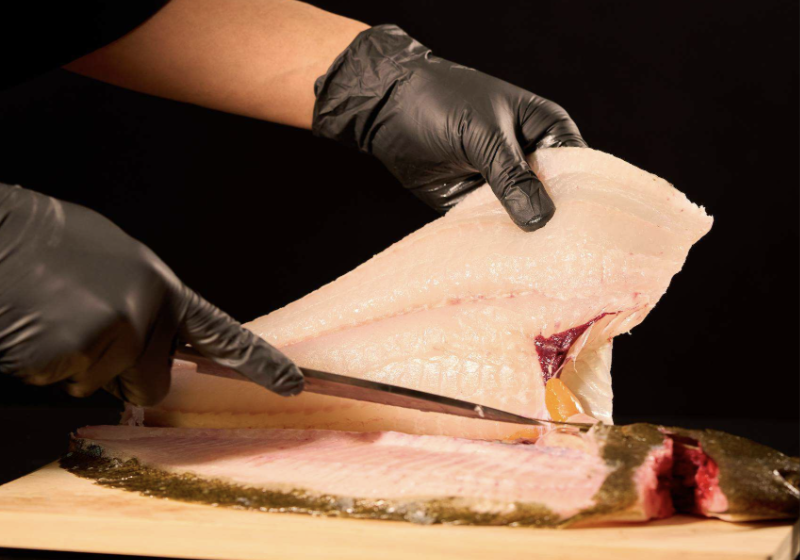
Engawa (縁側) is the thin band of muscle that moves the dorsal and ventral fins of a flatfish, and the classic engawa comes from hirame, the olive flounder. Engawa tastes richer than the white body meat of the same fish, with more fat, a clean sweetness, and a crunchy chew that comes from its high… Continue reading Engawa: The Cut Most Diners Never Notice
Local Story ● 2026 Sep 25
-
What Is Truffle (トリュフ), and How Much Belongs on Sushi?
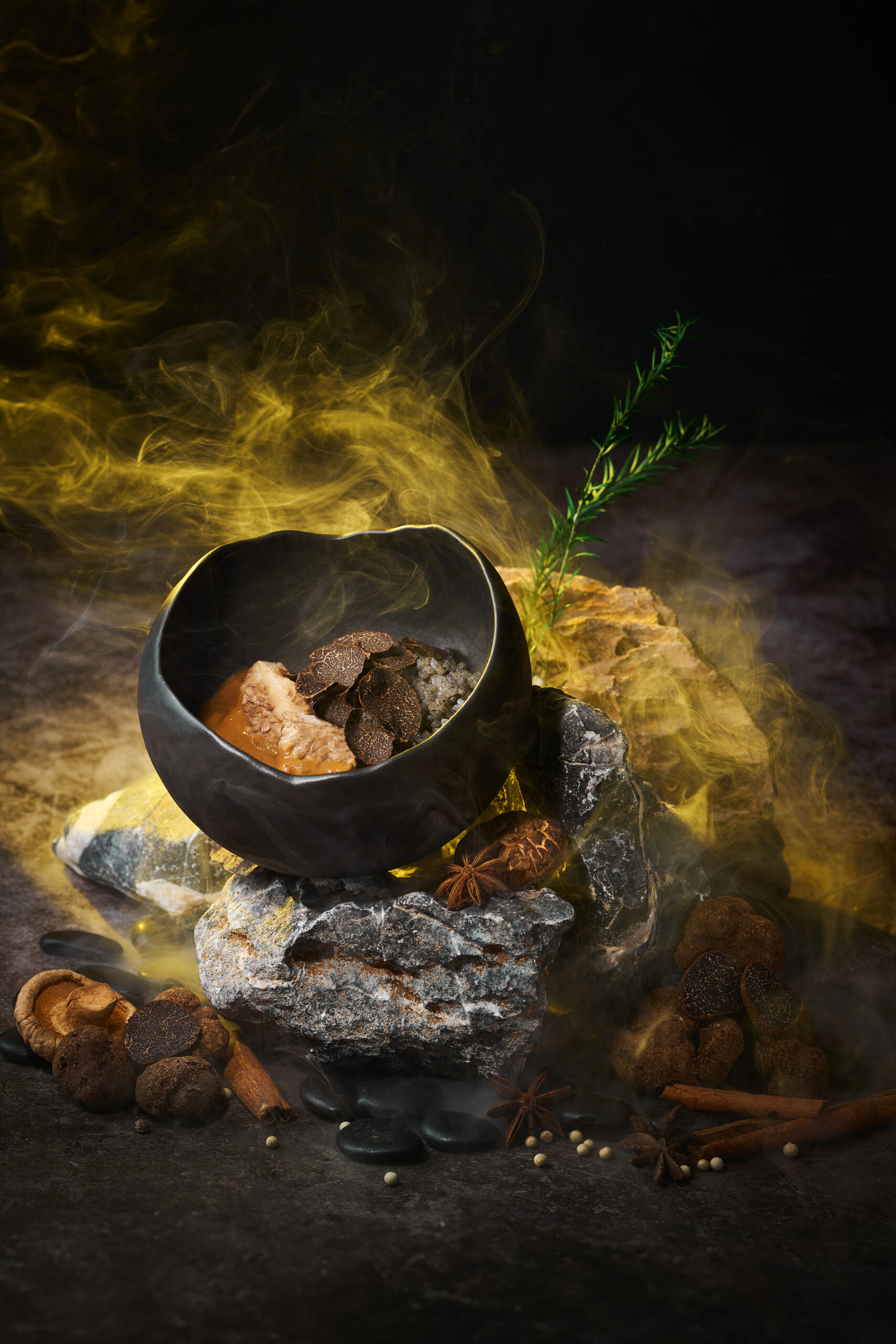
Truffle, written toryufu (トリュフ) on a Japanese menu, is the underground fruiting body of a fungus in the genus Tuber, which lives in partnership with the roots of trees such as oak, hazel and beech. The white truffle, Tuber magnatum from Piedmont in northern Italy, is shaved raw because its aroma fades with heat, while… Continue reading What Is Truffle (トリュフ), and How Much Belongs on Sushi?
Local Story ● 2026 Sep 25
-
What Is Kinki Fish? Kichiji, the Deep Water
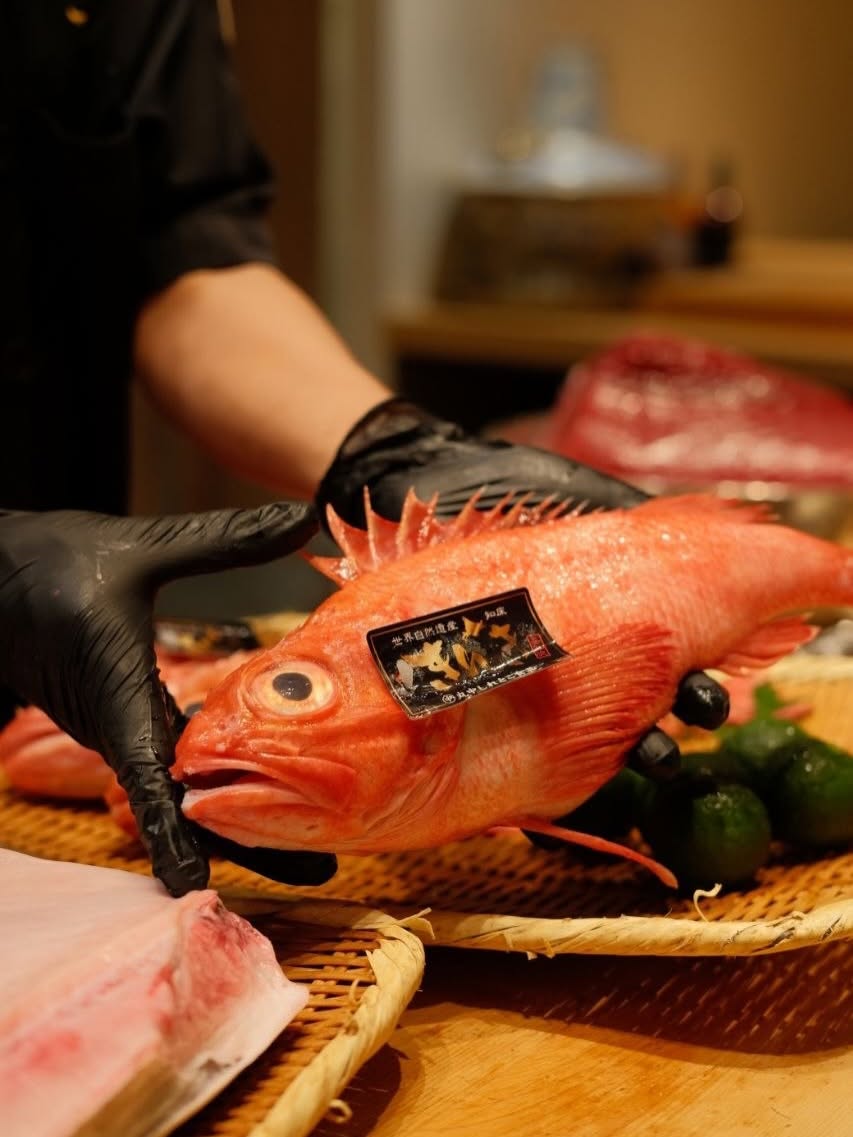
Kinki is the Japanese counter name for Sebastolobus macrochir, a deep water thornyhead from the northwestern Pacific that is classified as a white fish but carries far more fat than a white fish usually does. Kinki, kichiji and menme are three names for one species, used in different regions and different registers, and none of… Continue reading What Is Kinki Fish? Kichiji, the Deep Water
Local Story ● 2026 Aug 30
-
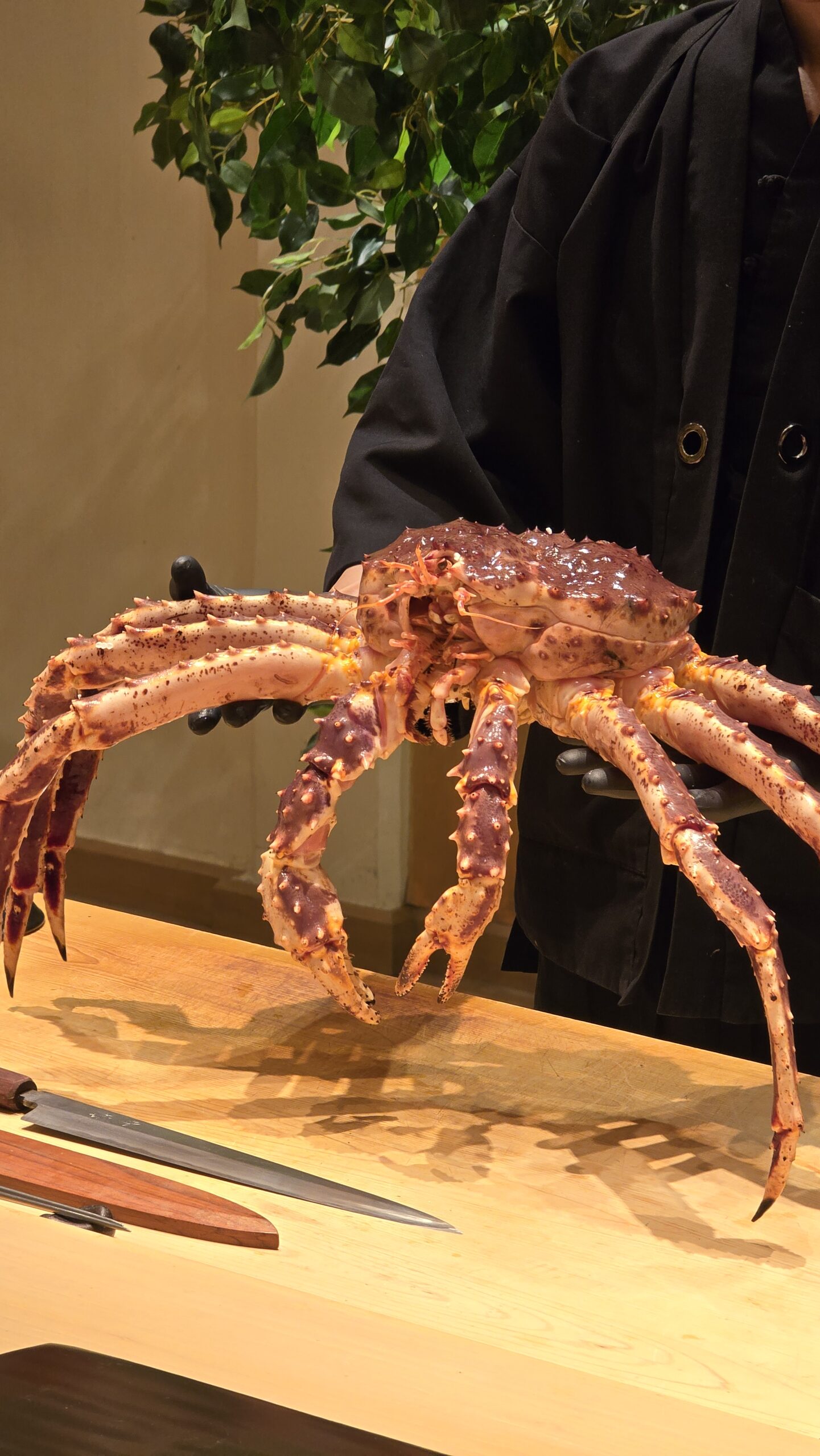
What Is Taraba King Crab? The Hokkaido Giant That Is Not Actually a Crab
Taraba king crab, tarabagani in Japanese, is the red king crab, the largest and most prized of the king crab species found in Japanese waters. Taraba is not a true crab. It belongs to the hermit crab family, and the giveaway is the leg count: true crabs have ten legs, taraba has eight, with two… Continue reading What Is Taraba King Crab? The Hokkaido Giant That Is Not Actually a Crab
Local Story ● 2026 Aug 30

