




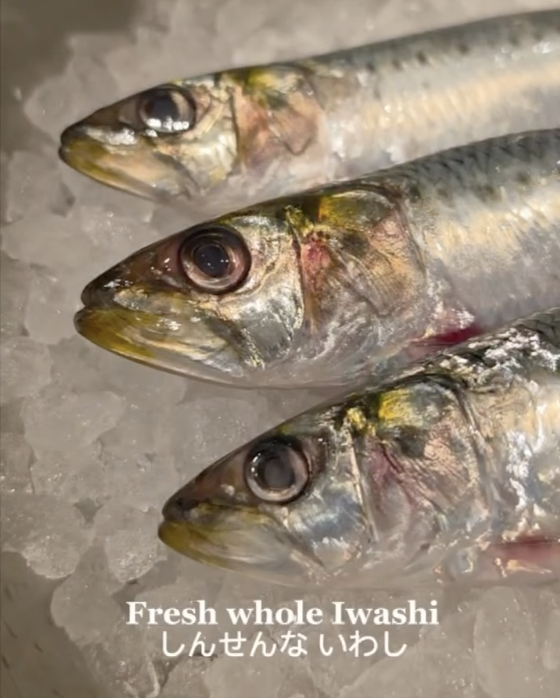
IWASHI: The Silver Fish
Iwashi (鰯, Japanese sardine) is a small silver-skinned fish that Edomae chefs treat as one of the hardest pieces to serve raw. It is oily, delicate, and quick to break down, which is why it became a measure of a chef’s speed and handling rather than a humble afterthought. Served as nigiri (hand-formed sushi) at… Continue reading IWASHI: The Silver Fish
Local Story ● 2026 Jun 30
Iwashi (鰯, Japanese sardine) is a small silver-skinned fish that Edomae chefs treat as one of the hardest pieces to serve raw. It is oily, delicate, and quick to break down, which is why it became a measure of a chef's speed and handling rather than a humble afterthought. Served as nigiri (hand-formed sushi) at its fattest, it is rich, clean, and far more refined than its low-cost history suggests.
WHAT IWASHI ACTUALLY IS
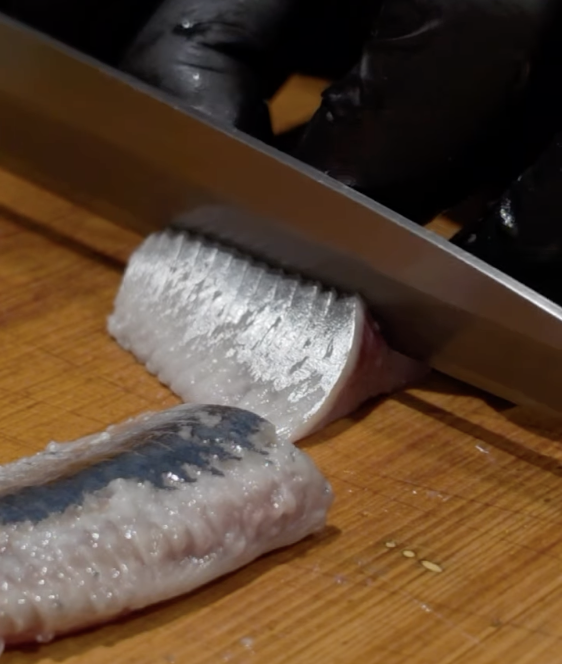
"Iwashi" is not one fish. The name covers three: ma-iwashi (the true sardine, Sardinops melanostictus), urume-iwashi (round herring, Etrumeus teres), and katakuchi-iwashi (Japanese anchovy, Engraulis japonicus). The one that reaches a sushi counter is ma-iwashi, a member of the herring family and the common Japanese sardine.
In Edomae sushi (the Tokyo style that defines the craft), iwashi belongs to the hikari-mono (silver-skin neta, the shining-skinned toppings). Many chefs call it the crown of that group. The skin carries a blue-silver sheen, the flesh sits soft and pink underneath, and the fat reads far higher than the small body suggests. For most of its history it was the fish of the poor, so abundant in the Edo period that surplus catch was dried for fertilizer. The respect it now commands was earned in the kitchen, not in the market. At the highest level the change is unmistakable. Even a counter as revered as Sukiyabashi Jiro has set iwashi in its course, which tells you how far a humble sardine can travel when the handling is right.
WHY IT IS HARD TO DO RIGHT
Iwashi punishes hesitation. Its belly fat sits in a thin layer just under paper-thin skin, and the steel of a knife can bruise that fat on contact, so the fillet is lifted by hand. The chef slides a thumb along the backbone, opens the fish like a book, and draws the spine away in one motion. The bones are too fine to separate cleanly with a blade in the usual way. Bleeding is part of the same discipline. A sardine that is not bled at the boat carries a metallic edge into the flesh that no rinse can remove later, so the quality of the piece is partly decided before it ever reaches the kitchen.
Speed matters more here than with almost any other neta. The guts hold enzymes strong enough to soften the flesh within hours, so a sardine fit for raw service must reach the counter quickly, bled and chilled, with clear eyes and a bright skin. A fish handled an hour too slowly is no longer a candidate. This is why iwashi became a quiet test: it shows, plainly, whether a kitchen moves with the discipline the fish demands.
SEASON AND HOW IT IS SERVED
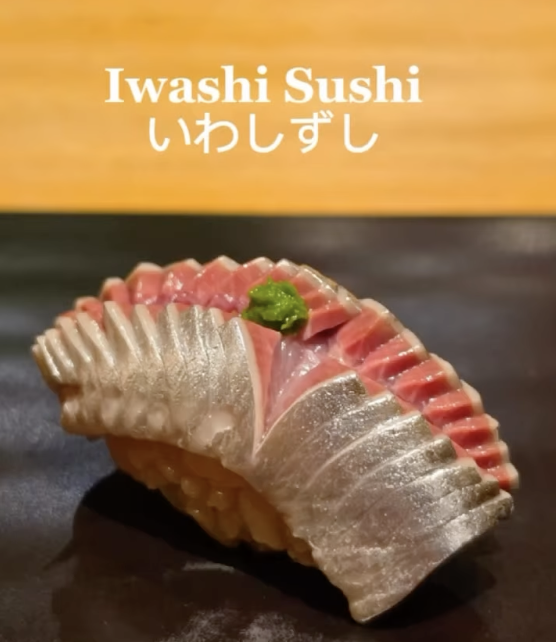
Ma-iwashi runs richest from early summer through autumn. The fattest window arrives in the rainy season of June and July, when the fish gorge on plankton and turn buttery; these are called nyubai iwashi (rainy-season sardine). A second strong run, aki iwashi (autumn sardine), lands around September and October. At peak the fat reads near 25 to 30 percent, by one industry estimate, before falling sharply once spawning passes in winter. The name nyubai marks the entry of the rainy season, and chefs watch that window closely, since the same fish a month on either side can read lean and plain by comparison.
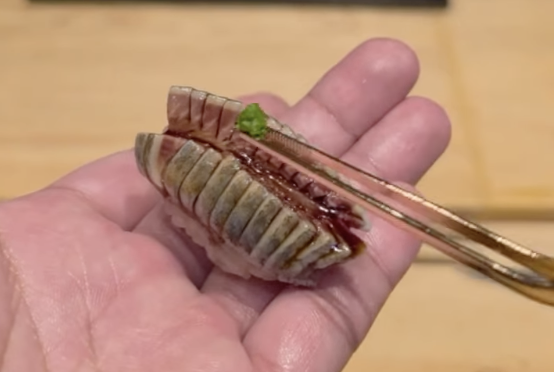
Preparation is restrained and exact. After filleting, the fish is salted briefly to firm the flesh and draw out water, then often given a suarai (酢洗い, a short rice-vinegar rinse) that tightens texture and settles the richness. Some counters skip the vinegar entirely to show the fish closer to raw. Because the flavor is direct, wasabi is usually set aside in favor of 生姜 (shoga, a sharp warming aromatic), often with a little negi (scallion) and a leaf of shiso (a fragrant herb), finished with a brush of nikiri (a sweet, cooked soy). It is almost always served as nigiri, the fat melting against warm shari (the seasoned rice).
AT YUZU OMAKASE
What can be said is the standard the counter holds to every night. Yuzu Omakase sources through Toyosu (the Tokyo market) and runs a cold chain that does not break between auction and counter. The chefs are Tokyo-trained and work in the Edomae manner, which means a fish like iwashi appears only when it arrives in the condition the technique requires, and not because a calendar suggests it. With a sardine, that standard is the whole story, since the difference between a piece handled well and one handled late is impossible to hide.
QUESTIONS GUESTS ASK
Is iwashi the same as a European sardine?
They are close relatives, not the same fish. The sushi sardine is ma-iwashi, Sardinops melanostictus, in the herring family. The European sardine is a different species. The word iwashi also covers round herring and Japanese anchovy, so it describes a group, not a single fish.
Can iwashi be eaten raw safely?
Yes, when handled correctly. It must be caught and chilled fast, bled, and prepared the same day, then salted and usually rinsed in vinegar before it is formed into nigiri. The care exists precisely because the fish breaks down quickly.
When is iwashi at its best?
From early summer into autumn. The rainy-season fish of June and July are the fattest, and a second strong run follows in September and October, before the fat drops away after spawning.
FINAL THOUGHT
Iwashi rewards the things that cannot be faked: clean sourcing, a cold chain, and hands that move without hesitation. It is a small fish that quietly tells you how serious a counter is.
RELATE
-
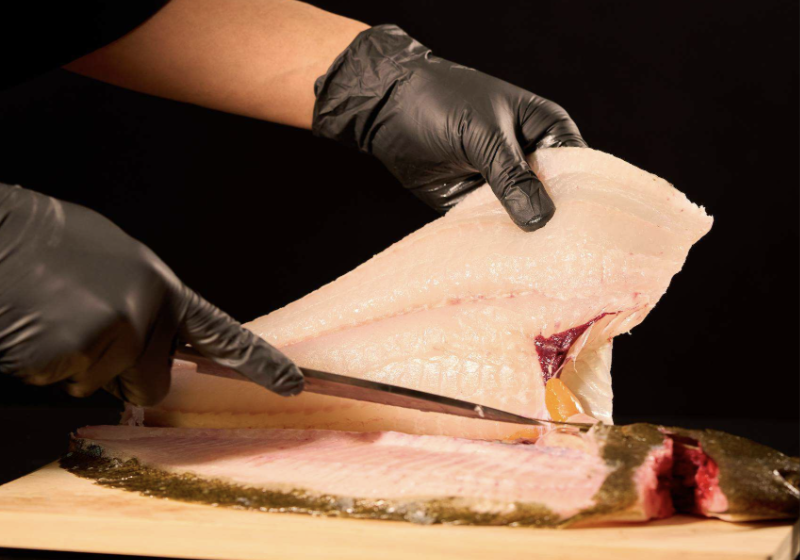
Engawa: The Cut Most Diners Never Notice
Engawa (縁側) is the thin band of muscle that moves the dorsal and ventral fins of a flatfish, and the classic engawa comes from hirame, the olive flounder. Engawa tastes richer than the white body meat of the same fish, with more fat, a clean sweetness, and a crunchy chew that comes from its high… Continue reading Engawa: The Cut Most Diners Never Notice
Local Story ● 2026 Sep 25
-
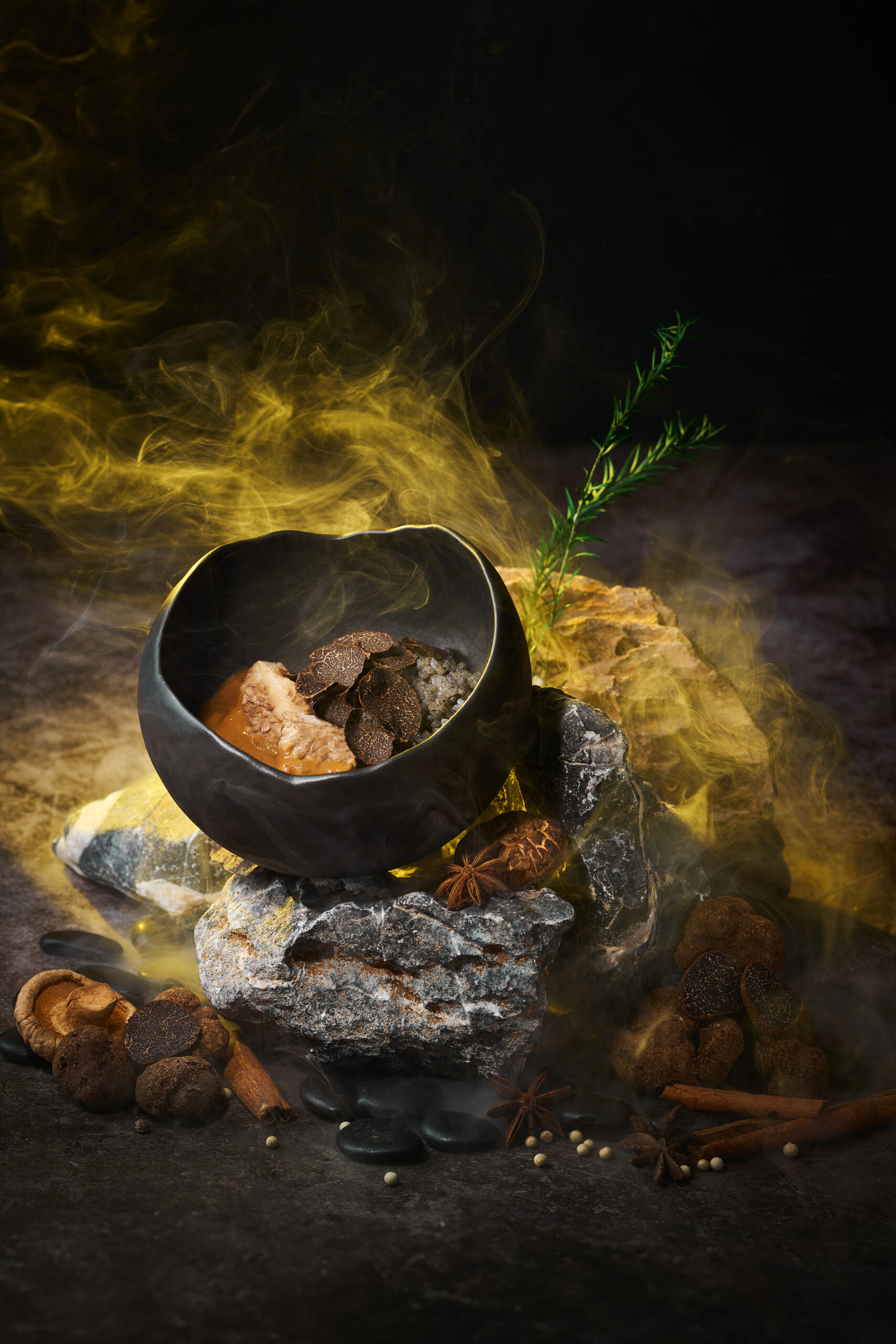
What Is Truffle (トリュフ), and How Much Belongs on Sushi?
Truffle, written toryufu (トリュフ) on a Japanese menu, is the underground fruiting body of a fungus in the genus Tuber, which lives in partnership with the roots of trees such as oak, hazel and beech. The white truffle, Tuber magnatum from Piedmont in northern Italy, is shaved raw because its aroma fades with heat, while… Continue reading What Is Truffle (トリュフ), and How Much Belongs on Sushi?
Local Story ● 2026 Sep 25
-
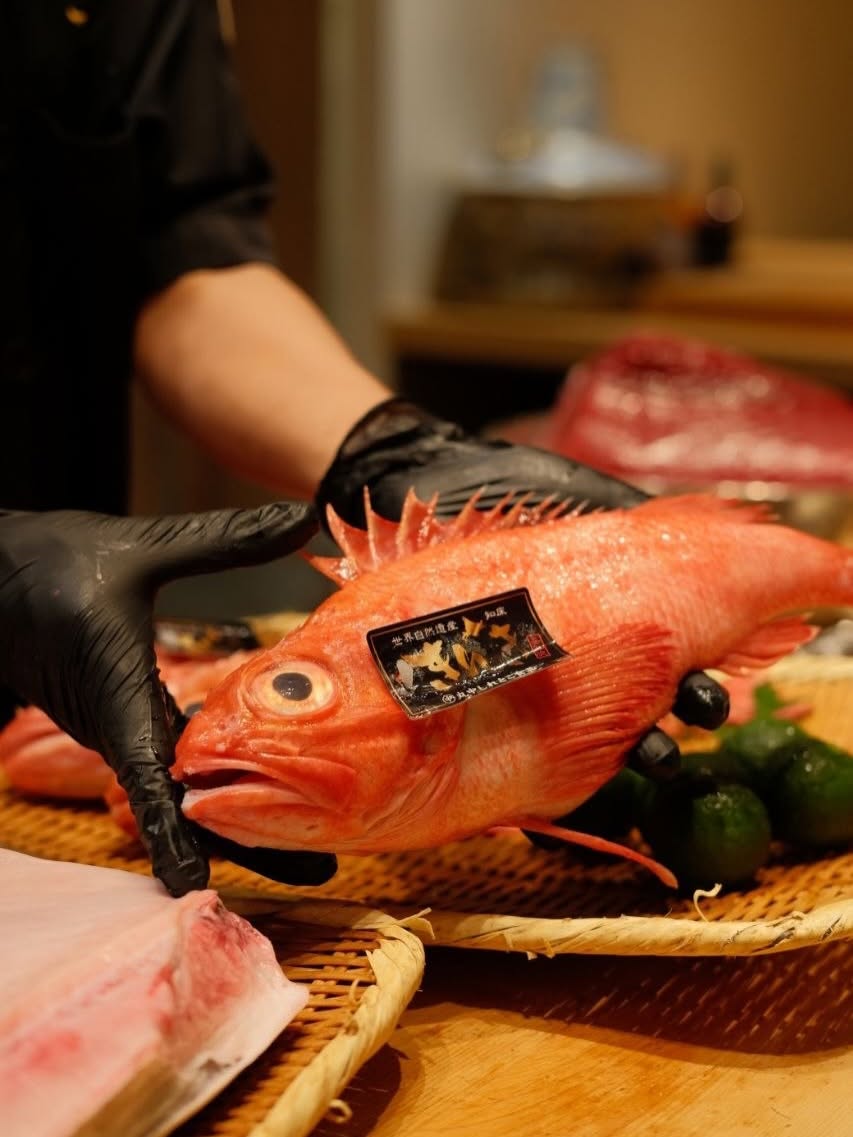
What Is Kinki Fish? Kichiji, the Deep Water
Kinki is the Japanese counter name for Sebastolobus macrochir, a deep water thornyhead from the northwestern Pacific that is classified as a white fish but carries far more fat than a white fish usually does. Kinki, kichiji and menme are three names for one species, used in different regions and different registers, and none of… Continue reading What Is Kinki Fish? Kichiji, the Deep Water
Local Story ● 2026 Aug 30
-
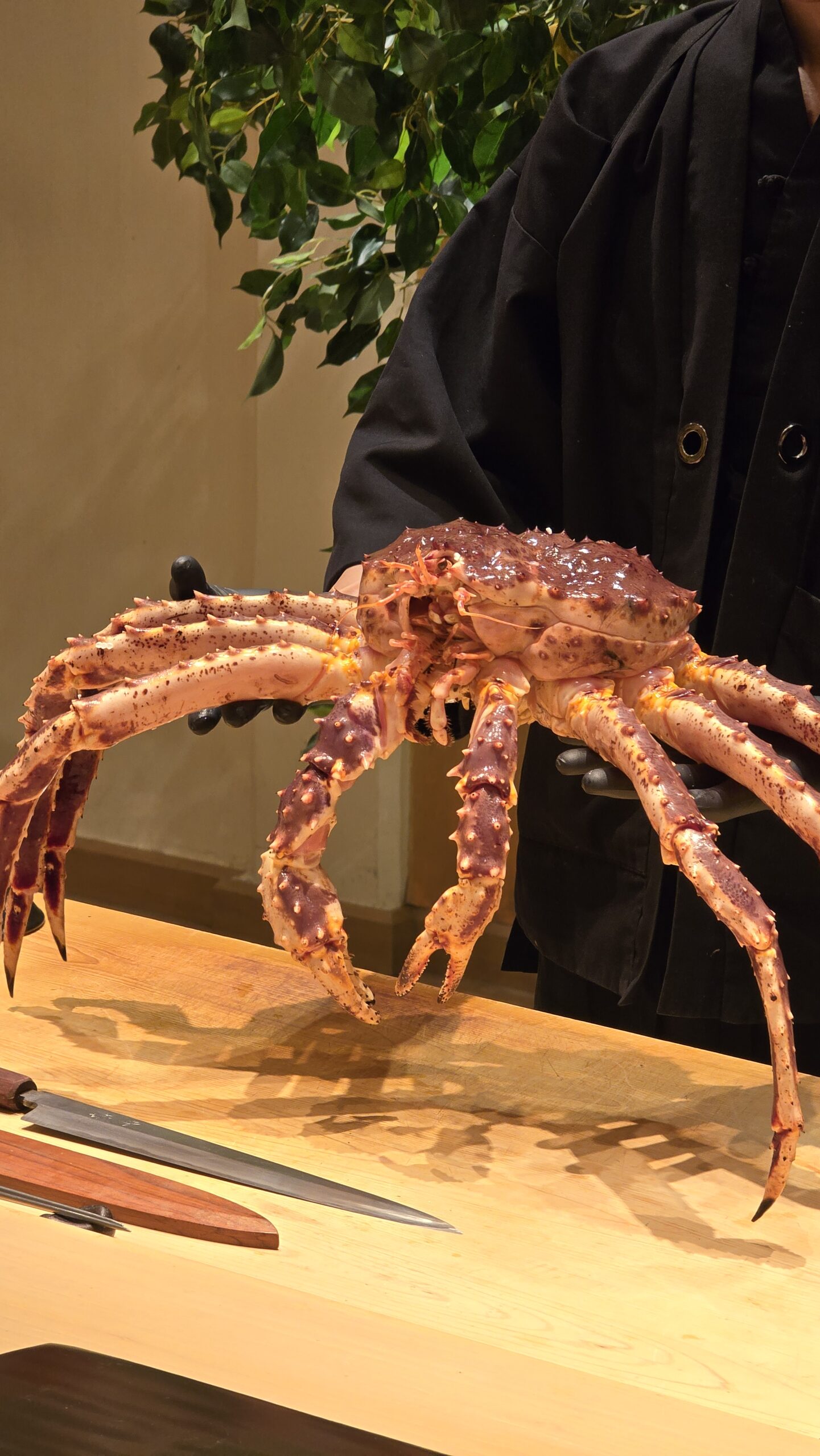
What Is Taraba King Crab? The Hokkaido Giant That Is Not Actually a Crab
Taraba king crab, tarabagani in Japanese, is the red king crab, the largest and most prized of the king crab species found in Japanese waters. Taraba is not a true crab. It belongs to the hermit crab family, and the giveaway is the leg count: true crabs have ten legs, taraba has eight, with two… Continue reading What Is Taraba King Crab? The Hokkaido Giant That Is Not Actually a Crab
Local Story ● 2026 Aug 30

