


Noresore: The Transparent Conger Eel
Noresore is the Japanese name, used in Kochi prefecture, for the transparent larval stage of the Japanese conger eel (anago, Conger myriaster). At this stage the eel is a flat, leaf-shaped, glass-clear ribbon about 5 to 6 centimetres long, known to science as a leptocephalus. It reaches market only in a short window from late… Continue reading Noresore: The Transparent Conger Eel
Local Story ● 2026 Jun 30
Noresore is the Japanese name, used in Kochi prefecture, for the transparent larval stage of the Japanese conger eel (anago, Conger myriaster). At this stage the eel is a flat, leaf-shaped, glass-clear ribbon about 5 to 6 centimetres long, known to science as a leptocephalus. It reaches market only in a short window from late winter into spring, mostly around Tosa Bay, and is eaten chilled as sashimi with ponzu (a citrus soy dressing) or a light vinegared dressing.
WHAT NORESORE ACTUALLY IS
Noresore is not a separate fish. It is the conger eel before it becomes a conger eel. The Japanese conger, anago (Conger myriaster), begins life as a leptocephalus (the larval stage shared by eels and their relatives), and noresore is the Kochi name for that larva. Hamo (pike conger) and unagi (freshwater eel) pass through the same stage. Only the conger larva is eaten under this name.
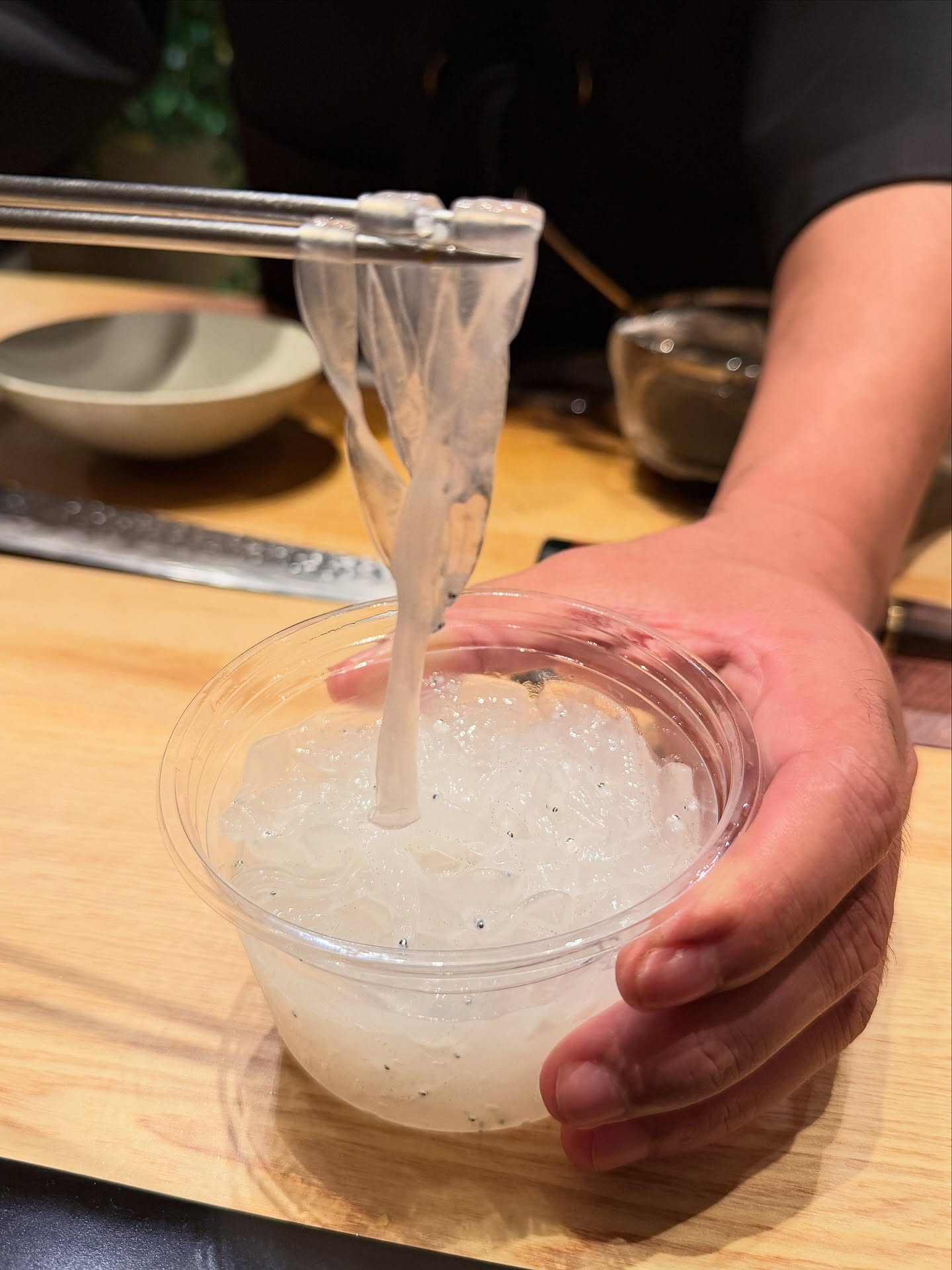
The leptocephalus is built for drifting. Its body is laterally compressed and leaf-shaped, filled with a clear jelly, wrapped in a thin layer of muscle over a visible row of myomeres. The organs are small and the gut is a simple tube. The result is a creature close to invisible in water, a ribbon you can read print through, about 5 to 6 centimetres long. On the counter it looks less like food than like a sliver of glass with two dark eyes.
That transparency is the whole appeal. Noresore carries almost no fat and almost no pigment. What it offers is texture and a quiet sweetness, not richness.
WHY IT IS RARE AND WHEN TO EAT IT
Noresore reaches the market from roughly February through May, with the heart of the season in early spring. In Kochi it is one of the first signals that winter is ending. The window is narrow because it is set by the eel's own biology. The larvae can be taken only while they migrate toward the coast, before metamorphosis. Once they begin to change, they are no longer noresore.
The larva is tied to Kochi and Tosa Bay more than anywhere else, which is why the Kochi name is the one most diners use. The same larva is landed elsewhere under other regional names. Beyond the season, two things keep it rare. The catch is small, and the larva fades quickly once out of the water. It does not hold, it does not freeze well for sashimi, and it does not travel far. This is an ingredient eaten close to where and when it is caught.
HOW IT IS SERVED
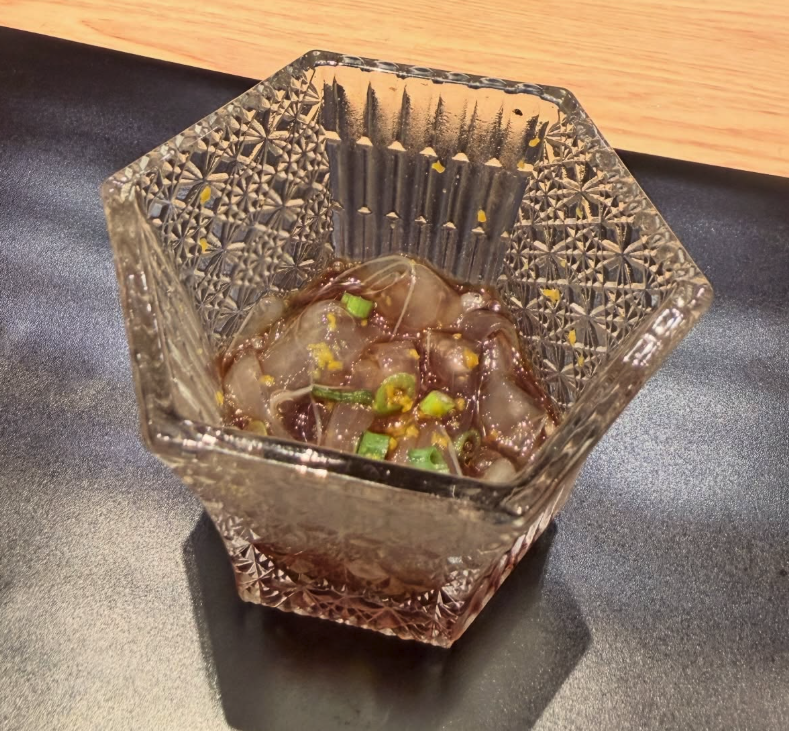
Noresore is served raw and cold. The standard presentation is sashimi: a small tangle of the larvae in a bowl or on a dish, dressed at the table. The classic partners are ponzu or a light vinegared dressing such as tosazu, named for Tosa itself, sometimes with grated daikon and chopped leek. Chilling matters. Cold keeps the body firm and the texture clean, and a sharp citrus or vinegar note lifts the gentle flavour without burying it.
The experience is mostly textural. The larvae are slippery and slide across the palate with a faint, clean sweetness and a whisper of the sea. People often compare the sensation to a delicate jelly noodle rather than a piece of fish. As sushi it appears most often as gunkan, a seaweed-wrapped cup of shari (seasoned sushi rice) with the larvae gathered inside, because a single larva is too soft and too small to form a piece on its own.
This is the opposite of eating the adult. Mature anago is warm, soft, and cooked, often simmered and brushed with a sweet glaze, a study in richness. Noresore is cold, raw, and almost weightless, a study in clarity. The same animal gives two different lessons depending on when you meet it.
AT YUZU OMAKASE
Noresore is exactly the kind of ingredient the omakase format exists to handle: a short window, a fragile larva, a supply that cannot be promised in advance. When a seasonal item like this is right, the Yuzu approach is consistent. Source through Toyosu (Tokyo's central fish market), hold a strict cold chain, and let Tokyo-trained chefs prepare it in the Edomae (Tokyo style) manner, served only when the condition of the catch earns a place on the course. When it is not right, it is left off, the same standard that governs the rest of the counter.
QUESTIONS GUESTS ASK
What is noresore?
Noresore is the transparent larval stage of the Japanese conger eel (anago). At this point the eel is a flat, leaf-shaped, see-through ribbon called a leptocephalus, about 5 to 6 centimetres long, eaten as a seasonal delicacy before it matures.
What time of year can you eat noresore?
It is a spring ingredient. The catch runs from around February through May, peaking in early spring, and the larva is most associated with Kochi and Tosa Bay. The season is short because the larvae can be taken only before they begin to change into adult form.
What does noresore taste like and how is it served?
The flavour is gentle and faintly sweet, and the appeal is the slippery, delicate texture. It is served raw and chilled, usually as sashimi with ponzu or a light vinegared dressing, and as sushi it is most often made into gunkan.
FINAL THOUGHT
Most neta (the toppings used in sushi) are about flavour. Noresore is about a moment. It is the conger eel caught in the few weeks between hatching and becoming itself, eaten while it is still made of glass. If you see it on a spring course, take it as a marker of the season, because by the time the weather turns it will already be gone.
RELATE
-
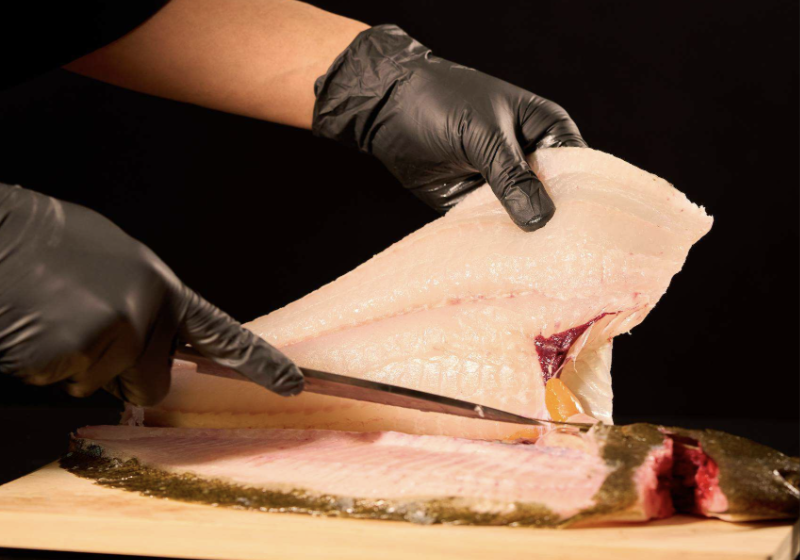
Engawa: The Cut Most Diners Never Notice
Engawa (縁側) is the thin band of muscle that moves the dorsal and ventral fins of a flatfish, and the classic engawa comes from hirame, the olive flounder. Engawa tastes richer than the white body meat of the same fish, with more fat, a clean sweetness, and a crunchy chew that comes from its high… Continue reading Engawa: The Cut Most Diners Never Notice
Local Story ● 2026 Sep 25
-
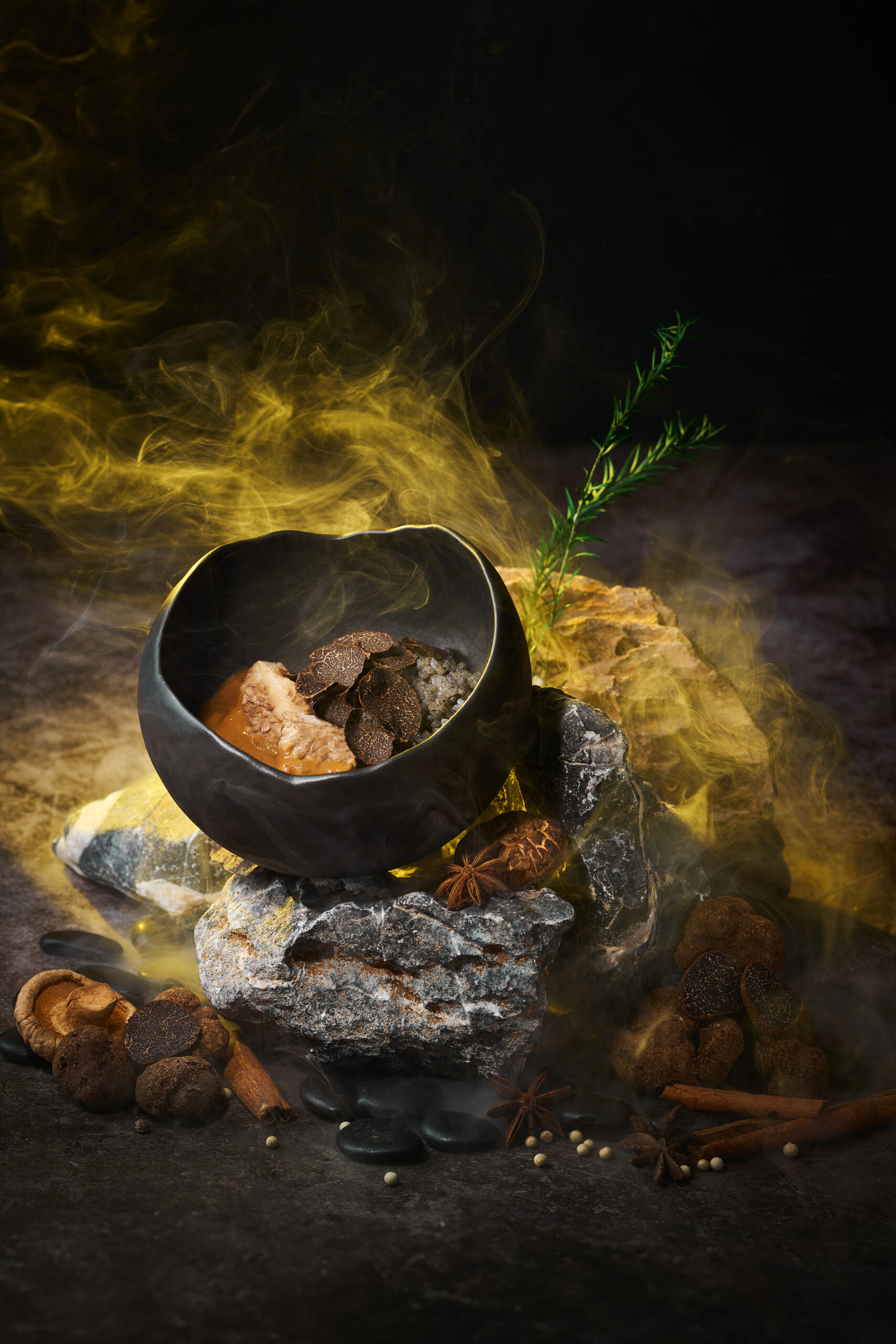
What Is Truffle (トリュフ), and How Much Belongs on Sushi?
Truffle, written toryufu (トリュフ) on a Japanese menu, is the underground fruiting body of a fungus in the genus Tuber, which lives in partnership with the roots of trees such as oak, hazel and beech. The white truffle, Tuber magnatum from Piedmont in northern Italy, is shaved raw because its aroma fades with heat, while… Continue reading What Is Truffle (トリュフ), and How Much Belongs on Sushi?
Local Story ● 2026 Sep 25
-
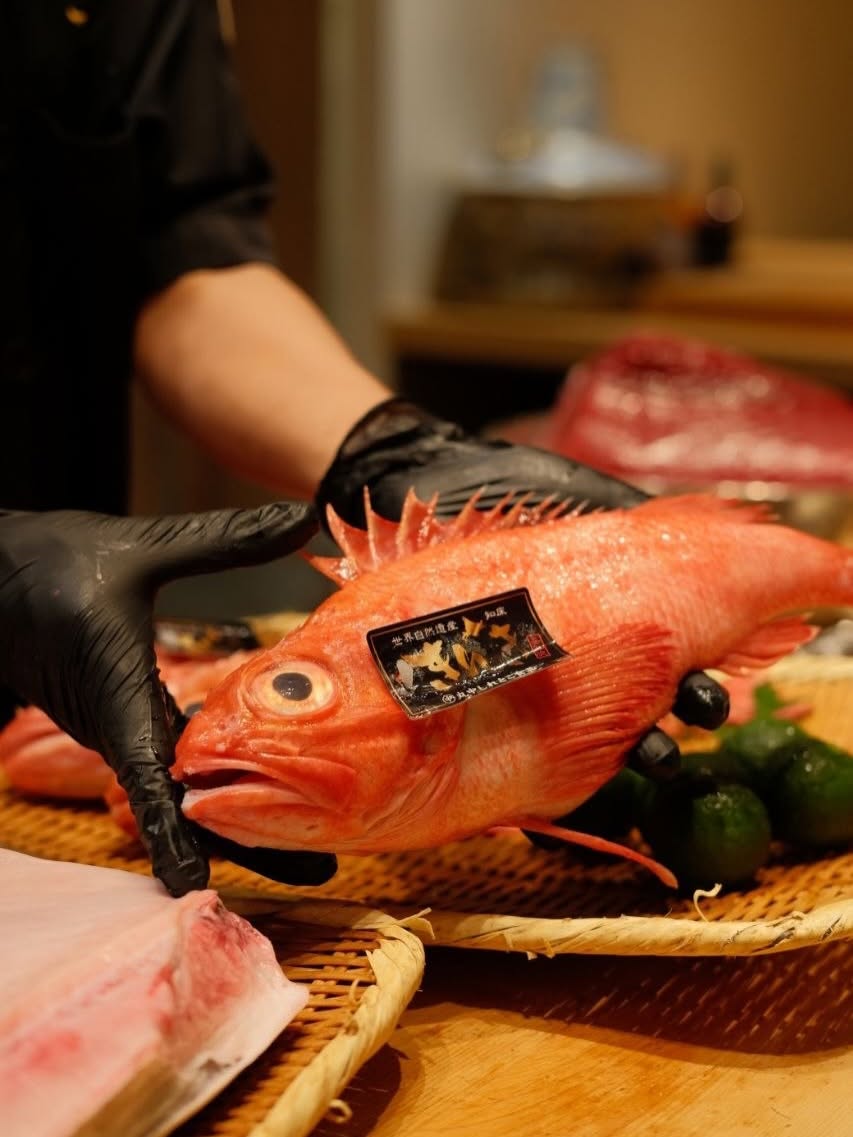
What Is Kinki Fish? Kichiji, the Deep Water
Kinki is the Japanese counter name for Sebastolobus macrochir, a deep water thornyhead from the northwestern Pacific that is classified as a white fish but carries far more fat than a white fish usually does. Kinki, kichiji and menme are three names for one species, used in different regions and different registers, and none of… Continue reading What Is Kinki Fish? Kichiji, the Deep Water
Local Story ● 2026 Aug 30
-
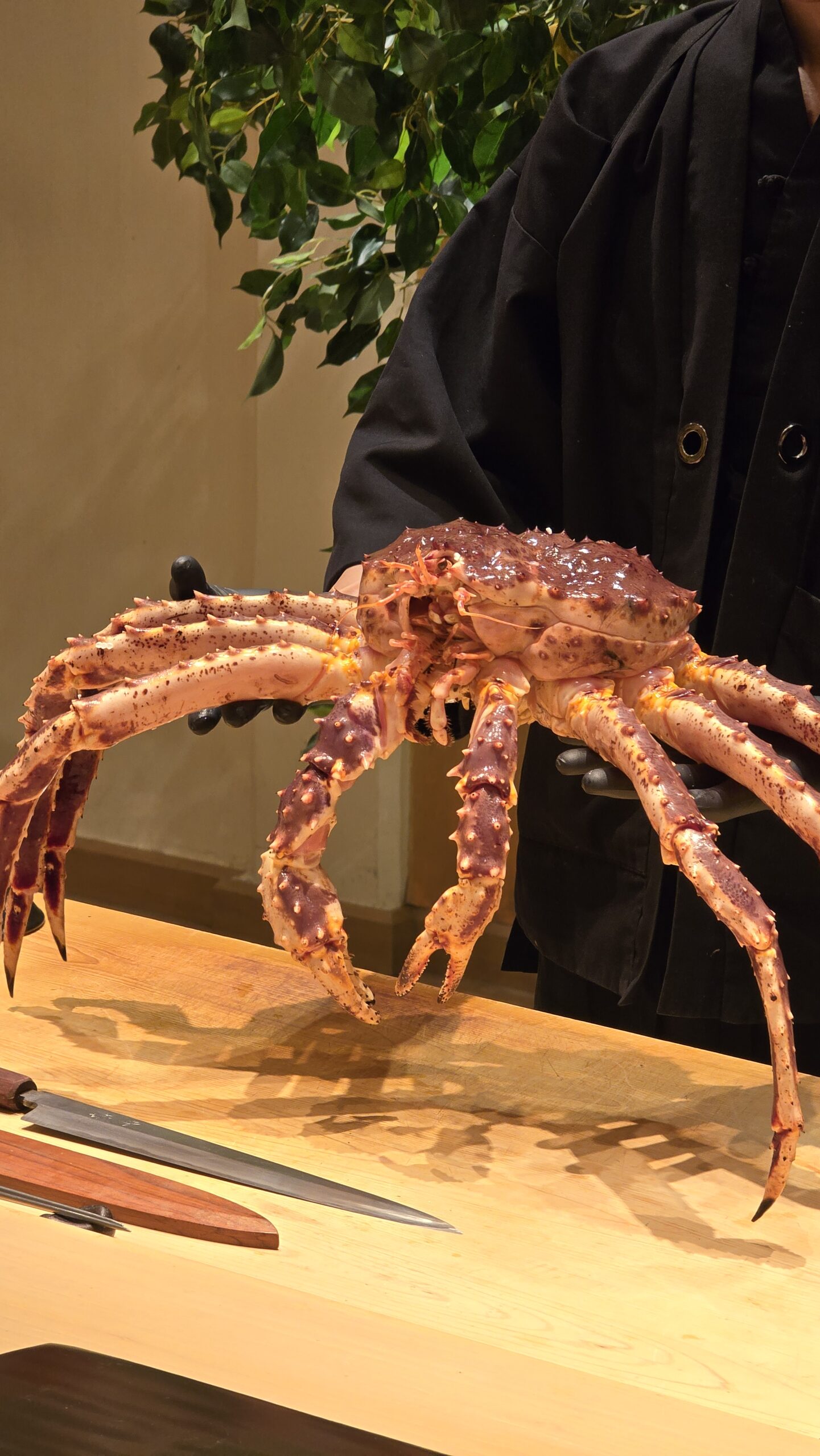
What Is Taraba King Crab? The Hokkaido Giant That Is Not Actually a Crab
Taraba king crab, tarabagani in Japanese, is the red king crab, the largest and most prized of the king crab species found in Japanese waters. Taraba is not a true crab. It belongs to the hermit crab family, and the giveaway is the leg count: true crabs have ten legs, taraba has eight, with two… Continue reading What Is Taraba King Crab? The Hokkaido Giant That Is Not Actually a Crab
Local Story ● 2026 Aug 30

