


Kinmedai: The Most Underrated Fish in Omakase (2026)
Kinmedai is the rich, deep-water fish that experienced omakase chefs quietly love and most diners overlook. It sits in the same fat register as fatty tuna, peaks in winter, and rewards the kind of careful preparation that defines Edomae craft. Once kinmedai is handled correctly, the question is not why it costs what it does.… Continue reading Kinmedai: The Most Underrated Fish in Omakase (2026)
Local Story ● 2026 Apr 29
Kinmedai is the rich, deep-water fish that experienced omakase chefs quietly love and most diners overlook. It sits in the same fat register as fatty tuna, peaks in winter, and rewards the kind of careful preparation that defines Edomae craft. Once kinmedai is handled correctly, the question is not why it costs what it does. The question is why the room kept ordering toro instead.
WHAT KINMEDAI ACTUALLY IS?
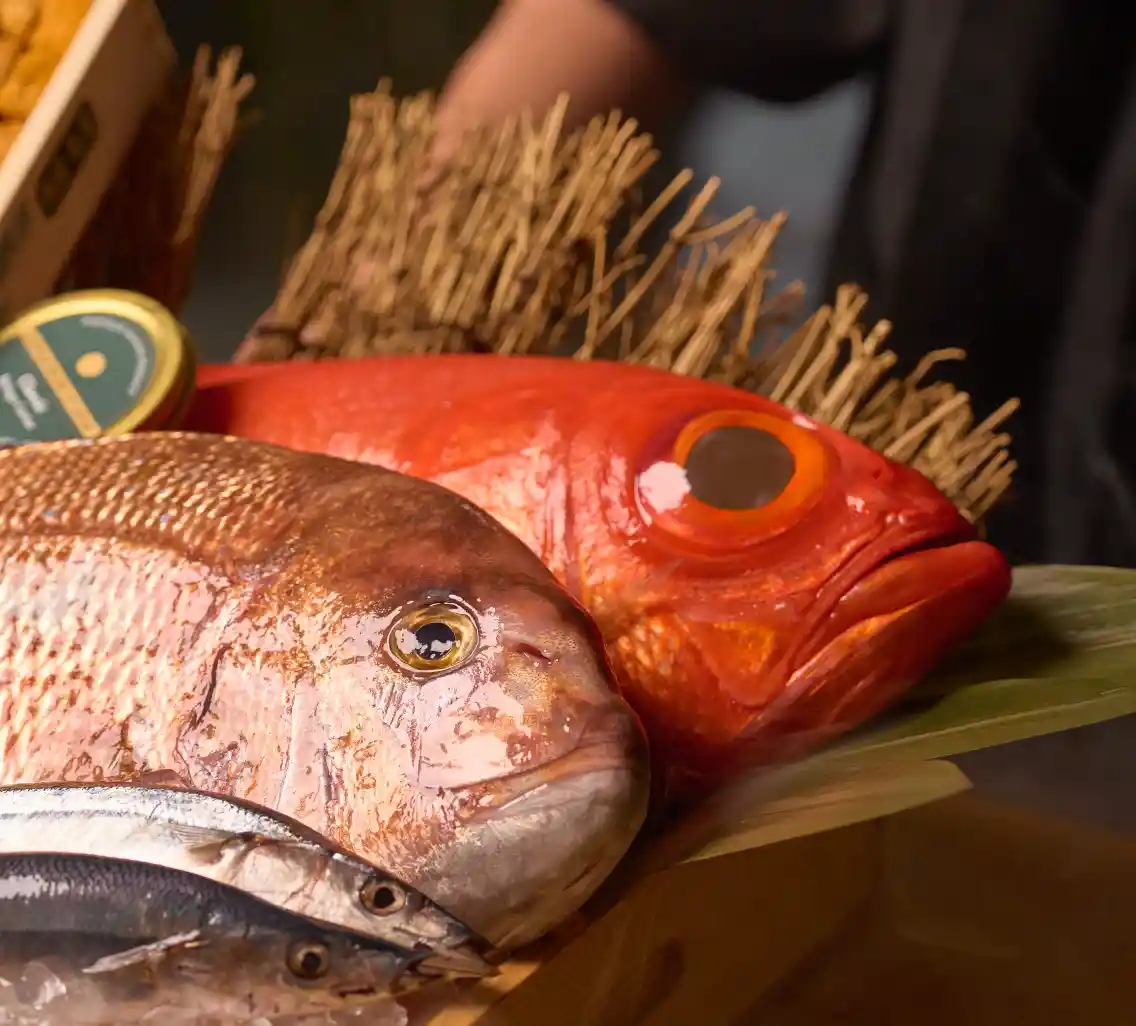
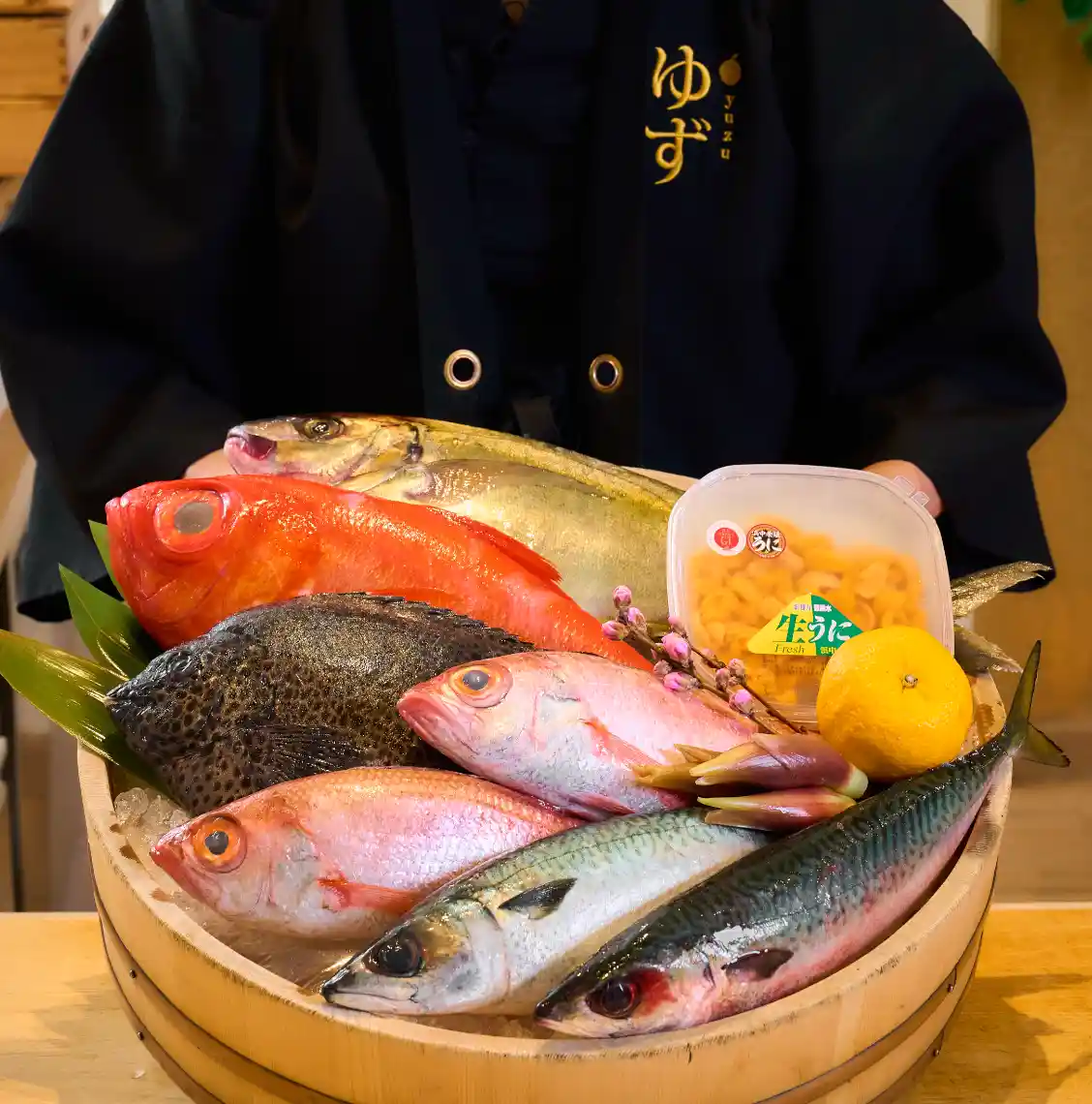
Kinmedai is the Japanese name for Beryx splendens, the species known in English as the splendid alfonsino or golden eye snapper. The literal translation of kinmedai is "golden eye snapper", and the name is descriptive. The fish has unmistakable golden irises, a bright red and orange body, and white-pink flesh with a fat content far higher than its lean appearance suggests.
Kinmedai is a deep-water fish. It is caught at depths of roughly 200 to 800 metres in the cold currents off the Izu Peninsula and the port of Choshi in Chiba prefecture. These two grounds account for the majority of kinmedai that reaches Toyosu auction in any given week, and the fish from each grounds tastes subtly different. Choshi kinmedai tends fattier in winter, while Izu kinmedai carries a slightly cleaner finish.
In Edomae tradition, kinmedai is treated as a serious neta. It is not a novelty. It is one of the deep-water whites that Tokyo chefs have refined preparations for over generations, and at the highest level it is considered an expression of the chef's understanding of fat as much as it is an expression of the fish itself.
WHY IT IS THE MOST UNDERRATED FISH IN OMAKASE
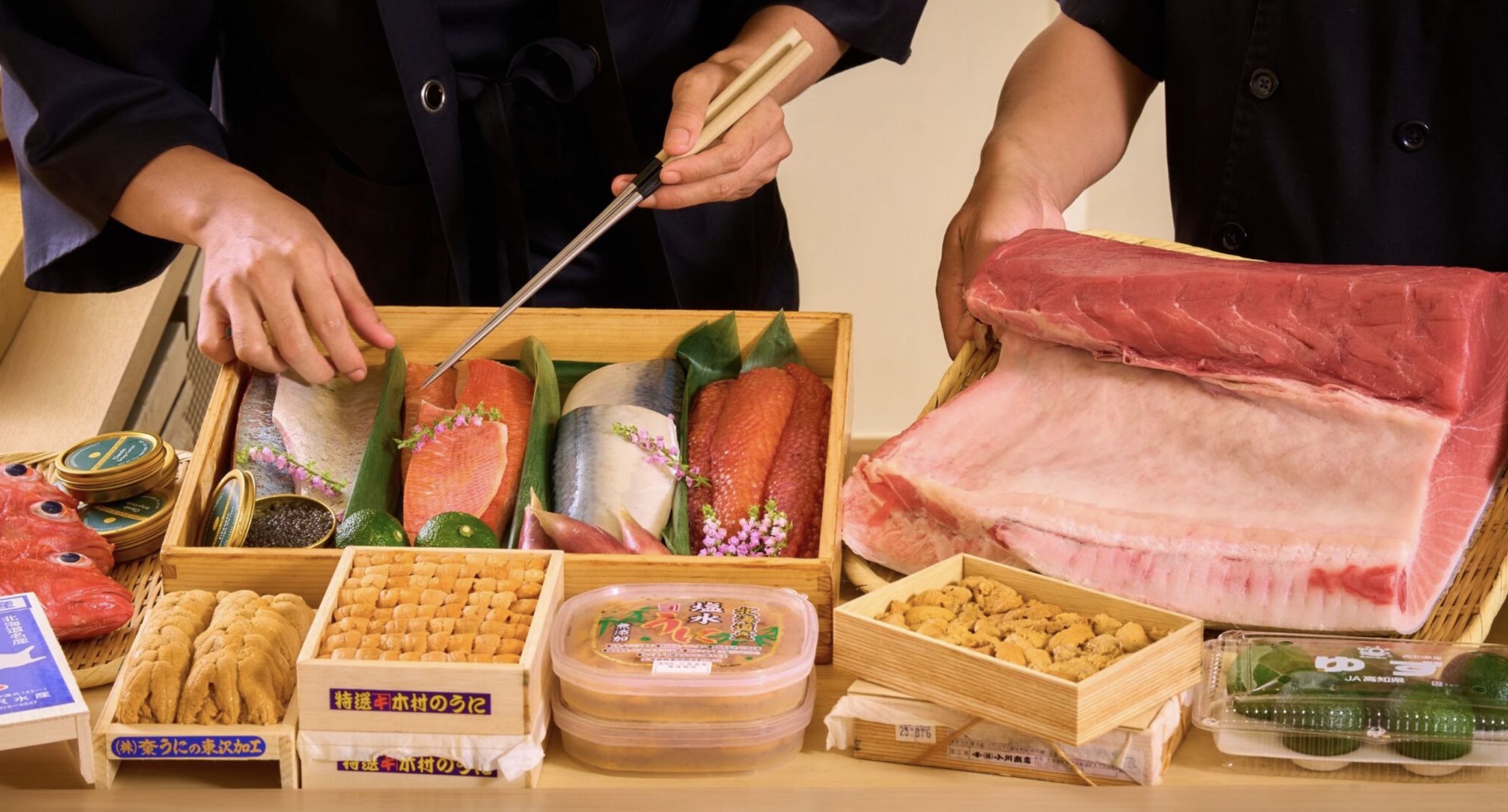
Kinmedai is underrated for a specific reason. It does not look like the headline fish. It is not the deep crimson of akami, the marbled rose of toro, or the unmistakable sea urchin gold that draws cameras at the counter. To a guest scanning a course, kinmedai is easy to underestimate. To a chef who knows fat, it is one of the most rewarding pieces of the night.
Kinmedai carries fat that behaves on the palate the way fatty tuna does. The melting point sits low enough that the moment kinmedai meets warm shari, the texture begins to dissolve. The result is a piece that delivers richness in the same register as toro, but with a cleaner finish and a sweetness that toro does not have. Most guests who taste kinmedai prepared correctly describe it the same way the first time. Sweeter than expected, lighter than it looks, and more memorable than they thought a fish they could not name would ever be.
A chef-favourite that hides in plain sight
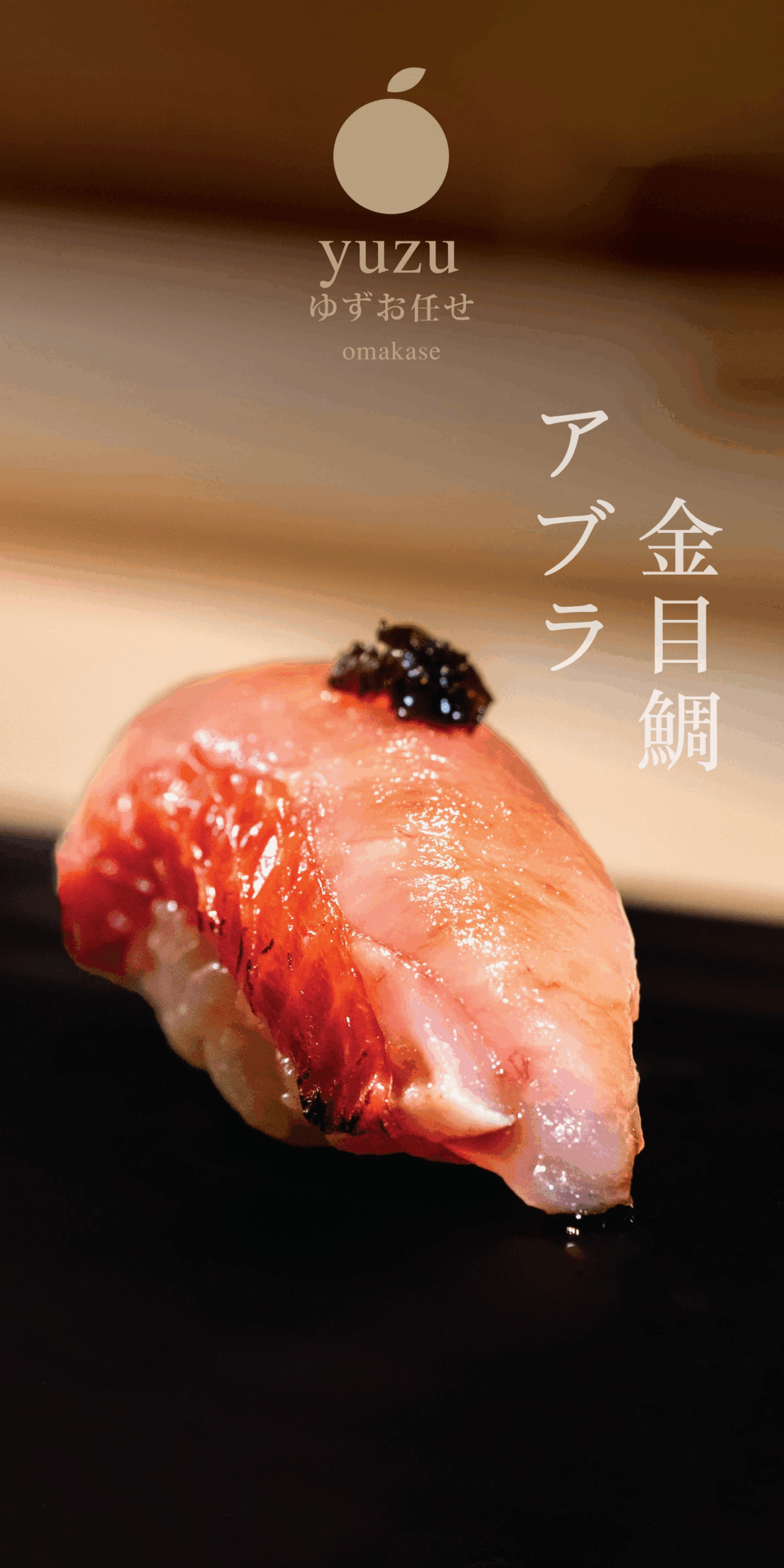
At serious Tokyo counters, kinmedai is often the piece a chef enjoys most when nobody is asking. Counters such as Sushi Saito and Sushi Yoshitake have featured kinmedai for years, with preparations that demonstrate exactly how much craft a deep-water white can absorb. The reason is straightforward. Kinmedai gives a chef somewhere to put their technique. The fat needs to be coaxed. The skin needs to be respected. The thickness needs to be exact. Every variable rewards skill, and that is the kind of fish a chef chooses to spend their attention on.
Peak season is winter
Kinmedai reaches its peak between December and February, when fat content is highest and the body has a depth of flavour that warmer-water months strip away. Outside this window the fish is still excellent. In the peak window, it is among the best things a Tokyo-sourced counter can put in front of a guest.
Kobujime, kelp-cured
The kinmedai is pressed between two sheets of kombu for a measured period, often several hours. The kombu draws moisture out and presses umami back in. The result is a denser texture, a deeper savouriness, and a piece that cuts cleanly without losing the natural sweetness of the fish. Kobujime kinmedai is often served as sashimi, since the preparation already does most of the work and the rice can either complement or step aside.
Aburi, skin torched
The aburi preparation is where kinmedai becomes most distinctive. The skin of kinmedai sits over a layer of fat that responds beautifully to direct heat. A short, precise application of a torch renders the fat just enough to release aroma and soften the texture, while leaving the flesh below cool. The contrast between warmed skin, melted fat, and cool flesh on a hand-formed piece of shari is the kind of textural sequence that defines what serious Edomae sushi can do.
Course position
Kinmedai rarely opens a course and rarely closes one. It usually appears in the middle, after the lighter whites and before the heavier reds, in a position where its richness can do its work without competing with stronger neta on either side.
WHAT MAKES KINMEDAI HARD TO DO RIGHT
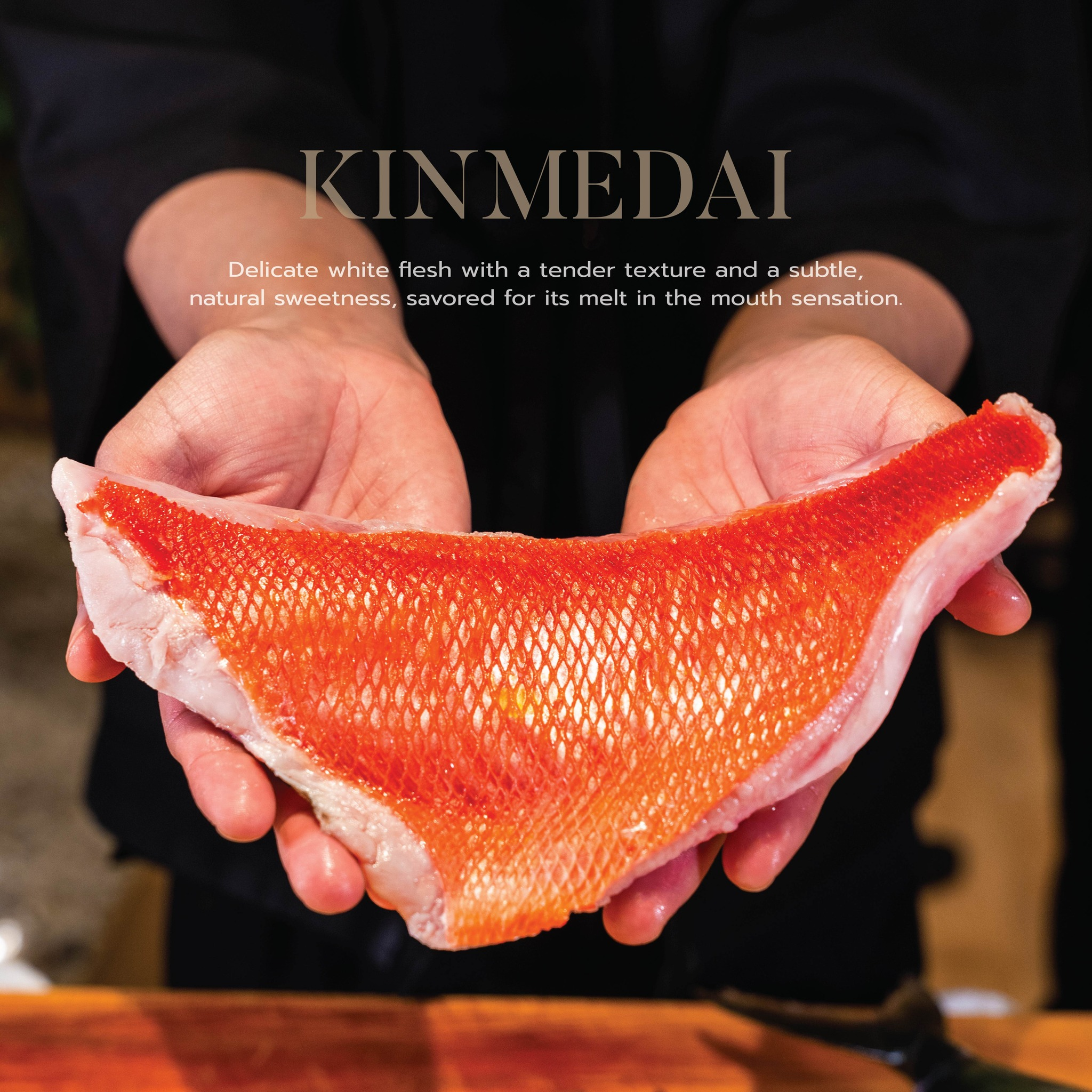
Kinmedai is not a fish that forgives. The sourcing is demanding. The handling is demanding. The preparation rewards exactness and punishes shortcuts.
Kinmedai appears at Yuzu Omakase in the winter window when the fish is at its best, sourced from the Toyosu and Choshi line that supplies serious Tokyo counters. The handling is Edomae. Depending on the night, that means kobujime or aburi, prepared the way the fish asks to be prepared rather than the way the calendar might suggest.
The chefs at Yuzu treat kinmedai as a piece worth waiting for, not a regular fixture. If you see kinmedai on the course at Yuzu, it is because the conditions are right. That is the same standard that governs the rest of the counter, and it is also the reason the guests who taste it tend to remember it.
QUESTIONS GUESTS ASK
What does kinmedai taste like?
Kinmedai tastes rich, sweet, and clean. The fat behaves like fatty tuna when it meets warm shari, melting fast on the palate, but the finish is lighter and less iron-heavy than tuna. Most first-time guests describe it as more delicate and more memorable than they expected from a fish they had never heard of.
Why is kinmedai called underrated when it is expensive?
Underrated does not mean cheap. Kinmedai is expensive because it is hard to source and hard to handle. The underrated framing refers to guest awareness, not price. Most omakase guests can name toro, uni, and otoro before they finish their first course. Kinmedai is the equivalent piece in fat profile and craft, and yet it sits outside the recognition gap that drives most ordering decisions.
Is kinmedai better as nigiri or sashimi?
Both work, and the right answer depends on the preparation. Kobujime kinmedai is often served as sashimi, where the kelp-cured concentration speaks clearly on its own. Aburi kinmedai is almost always served as nigiri, since the warmed skin and melted fat are designed to interact with shari. At a serious counter, the chef's choice between the two is part of the answer.
Where can I try kinmedai in Bangkok?
Kinmedai is rare in Bangkok and is mostly limited to omakase counters that source through Toyosu and run a strict cold chain. Yuzu Omakase in Siam Square features kinmedai during its winter window when the fish is at peak. Outside that window and outside that supply chain, the kinmedai a guest is likely to encounter is rarely worth ordering.
Toro is the fish guests ask for. Kinmedai is the fish chefs reach for when no one is watching. The first tells you what is famous. The second tells you what is loved by the people who taste fish for a living.
If you have eaten enough omakase to know what shari, fat, and timing add up to, kinmedai is the next fish to put on your list. If you have not, it is still the next fish to put on your list. It is the kind of piece that changes the way the next course tastes, and the kind of fish that changes the way the next omakase reads.
RELATE
-
Engawa: The Cut Most Diners Never Notice
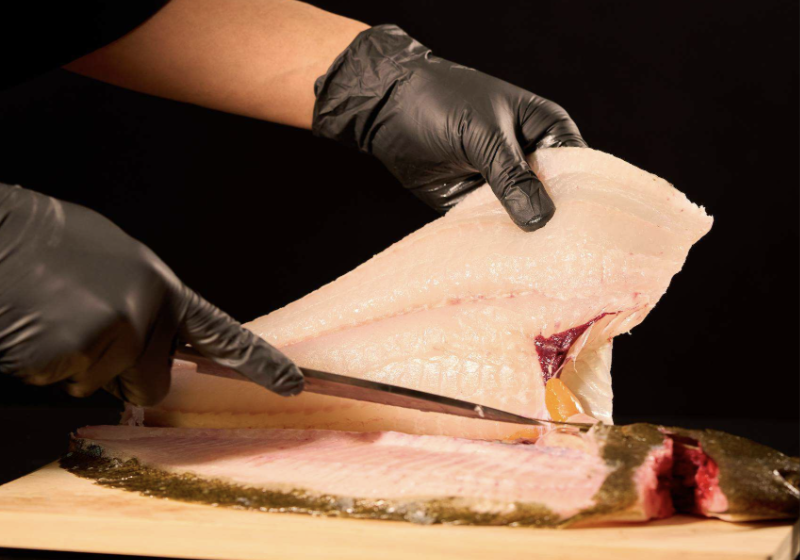
Engawa (縁側) is the thin band of muscle that moves the dorsal and ventral fins of a flatfish, and the classic engawa comes from hirame, the olive flounder. Engawa tastes richer than the white body meat of the same fish, with more fat, a clean sweetness, and a crunchy chew that comes from its high… Continue reading Engawa: The Cut Most Diners Never Notice
Local Story ● 2026 Sep 25
-
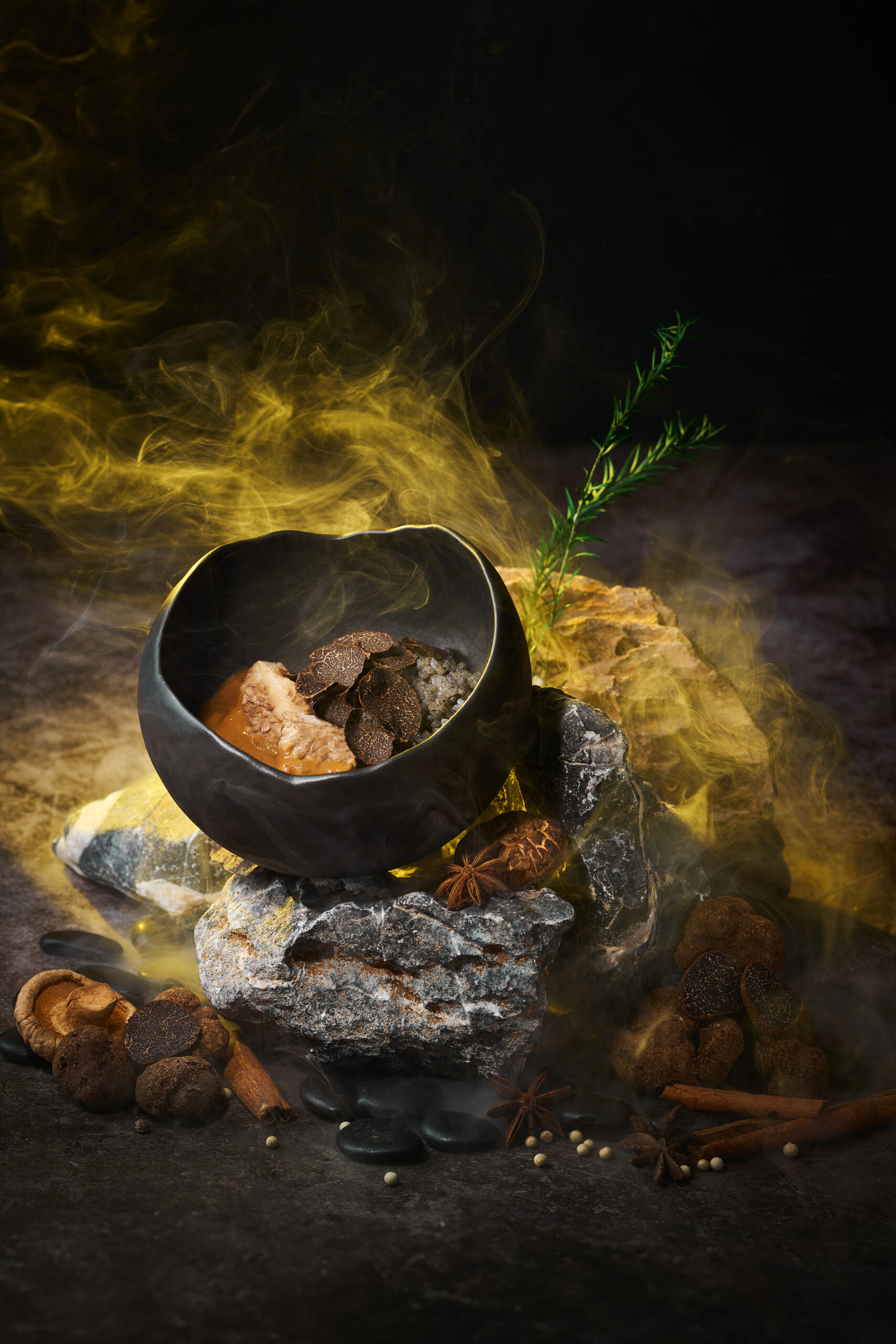
What Is Truffle (トリュフ), and How Much Belongs on Sushi?
Truffle, written toryufu (トリュフ) on a Japanese menu, is the underground fruiting body of a fungus in the genus Tuber, which lives in partnership with the roots of trees such as oak, hazel and beech. The white truffle, Tuber magnatum from Piedmont in northern Italy, is shaved raw because its aroma fades with heat, while… Continue reading What Is Truffle (トリュフ), and How Much Belongs on Sushi?
Local Story ● 2026 Sep 25
-
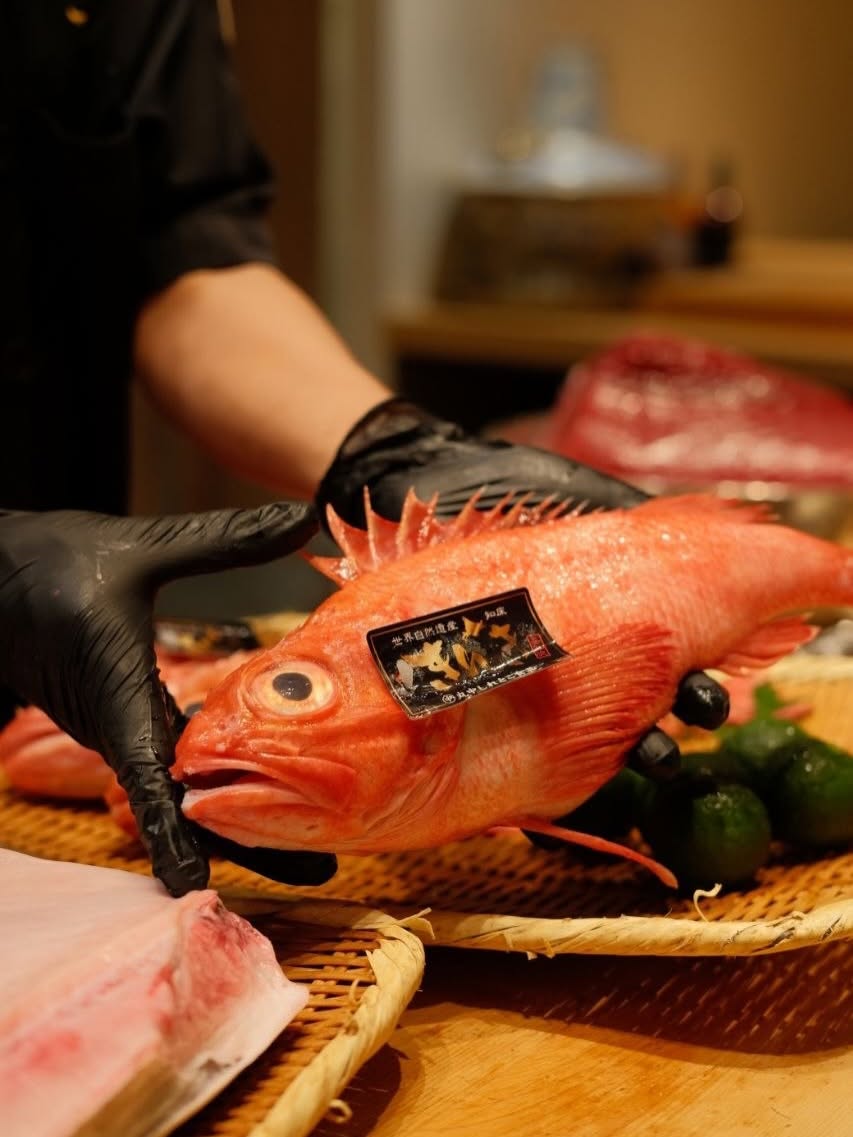
What Is Kinki Fish? Kichiji, the Deep Water
Kinki is the Japanese counter name for Sebastolobus macrochir, a deep water thornyhead from the northwestern Pacific that is classified as a white fish but carries far more fat than a white fish usually does. Kinki, kichiji and menme are three names for one species, used in different regions and different registers, and none of… Continue reading What Is Kinki Fish? Kichiji, the Deep Water
Local Story ● 2026 Aug 30
-
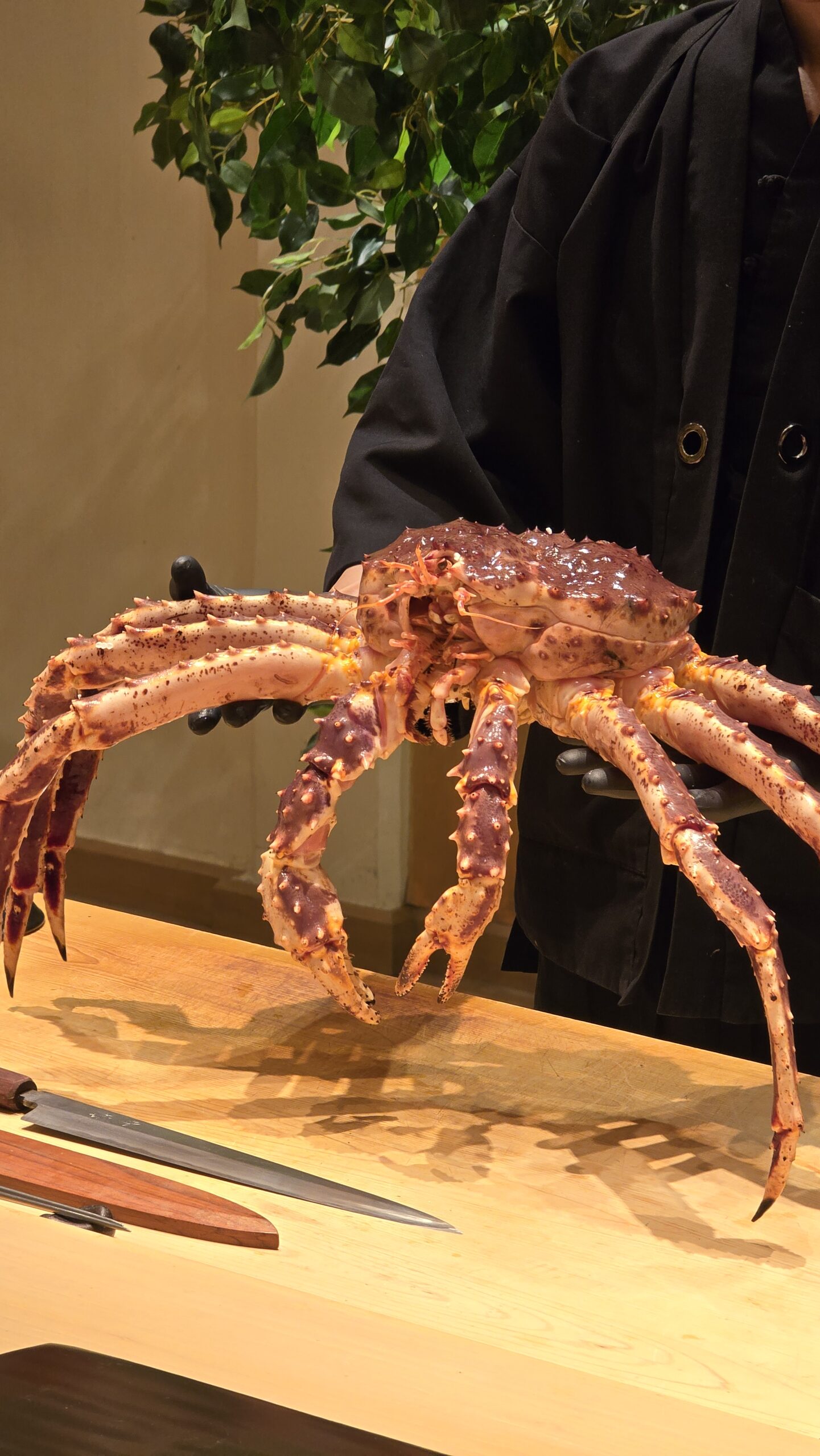
What Is Taraba King Crab? The Hokkaido Giant That Is Not Actually a Crab
Taraba king crab, tarabagani in Japanese, is the red king crab, the largest and most prized of the king crab species found in Japanese waters. Taraba is not a true crab. It belongs to the hermit crab family, and the giveaway is the leg count: true crabs have ten legs, taraba has eight, with two… Continue reading What Is Taraba King Crab? The Hokkaido Giant That Is Not Actually a Crab
Local Story ● 2026 Aug 30

