



Local Story
-
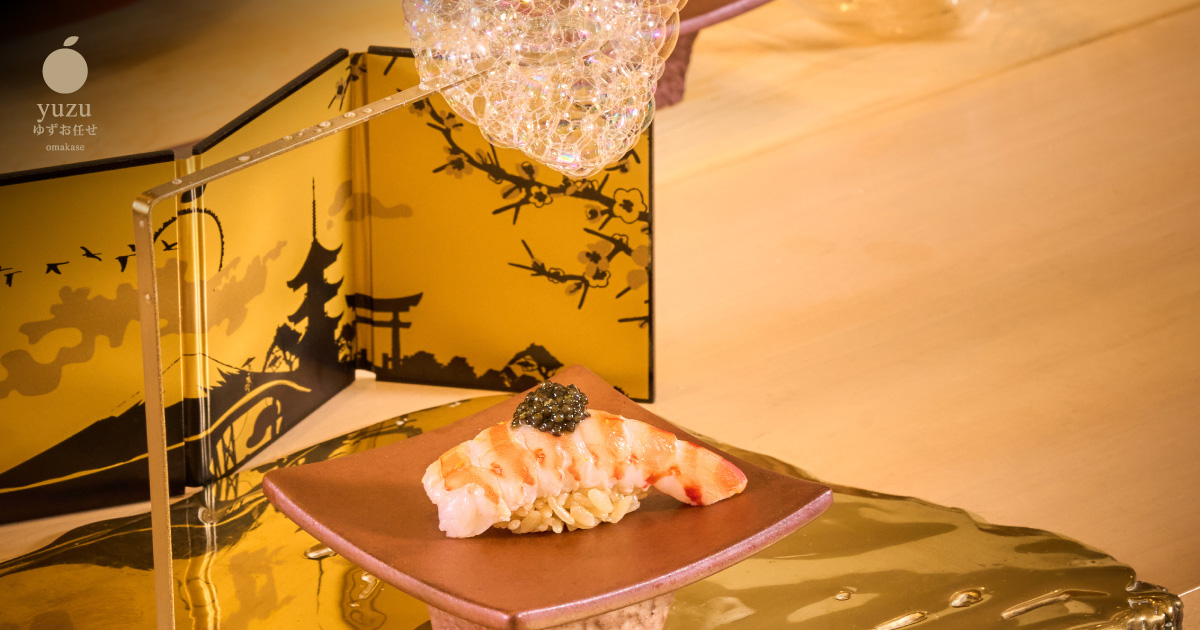
HAND TO HAND NIGIRI: THE MOST INTIMATE WAY TO EAT OMAKASE
Hand to hand nigiri means the chef places each piece of sushi directly into your open palm — and you eat it immediately with your fingers. No chopsticks. No plate. Just the rice, the fish, and the chef’s intent. It is the oldest and most traditional way to eat omakase sushi, and at Bangkok’s finest… Continue reading HAND TO HAND NIGIRI: THE MOST INTIMATE WAY TO EAT OMAKASE
Local Story ● 2026 Mar 11
-
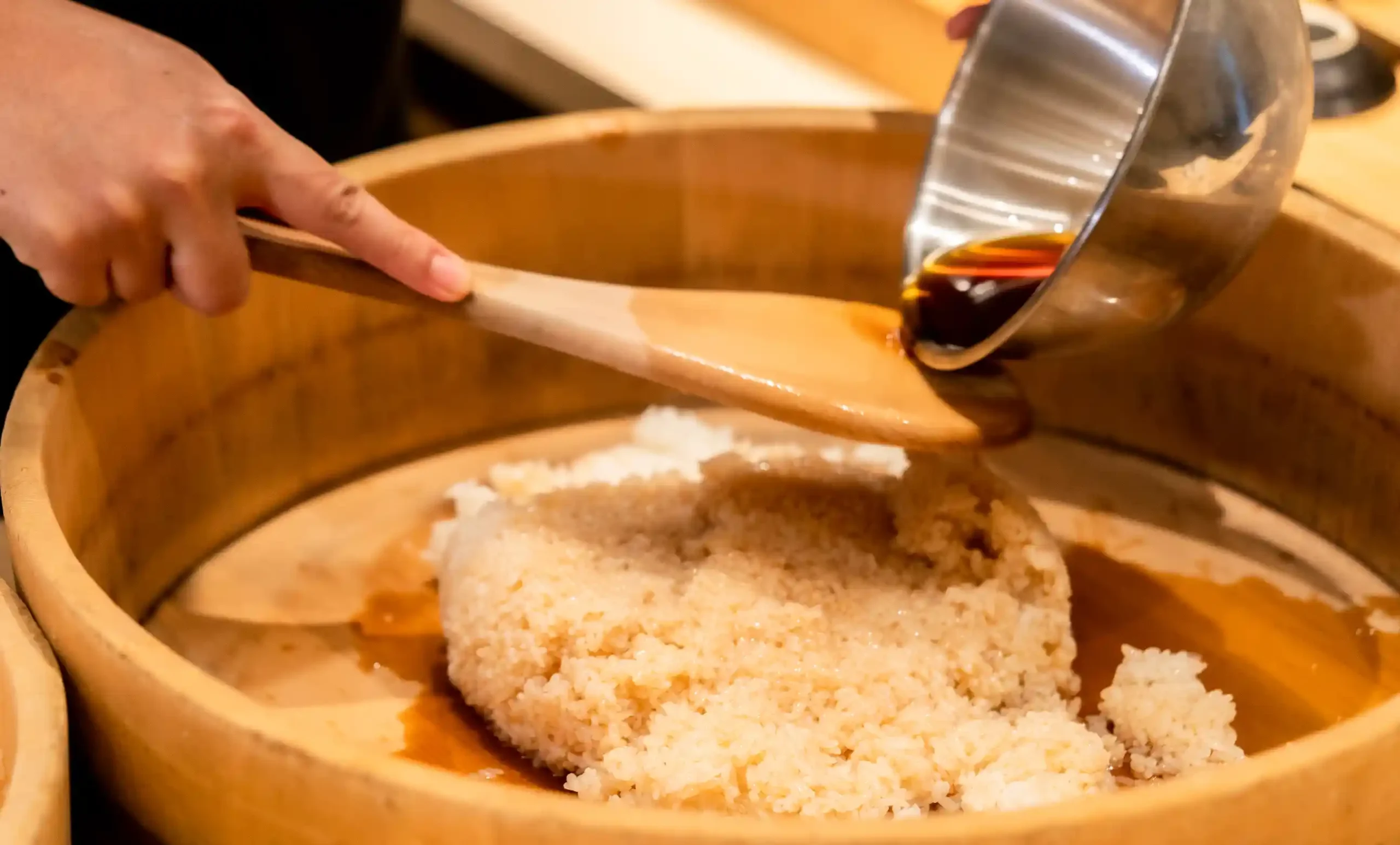
Temperature in Sushi Rice: The Foundation of Authentic Sushi Craftsmanship
What Is the Ideal Temperature for Sushi Rice? Sushi rice (shari) should be served at body temperature, approximately 35-40°C (95-104°F). This warmth allows the vinegar seasoning to release its aroma, keeps grains soft and glossy, and melts the fat of fish toppings upon contact for optimal flavor release. Key Facts at a Glance Why Does… Continue reading Temperature in Sushi Rice: The Foundation of Authentic Sushi Craftsmanship
Local Story ● 2026 Jan 29
-
Why Is Wasabi Always Served with Sushi?
Wasabi accompanies sushi for three essential reasons: it kills harmful bacteria in raw fish, enhances umami flavor, and cleanses the palate between bites. This pairing dates back to the Edo period in Japan when refrigeration did not exist. Quick Answer Card The Science Behind Wasabi and Raw Fish Wasabi contains allyl isothiocyanate, a natural compound… Continue reading Why Is Wasabi Always Served with Sushi?
Local Story ● 2026 Jan 28
-
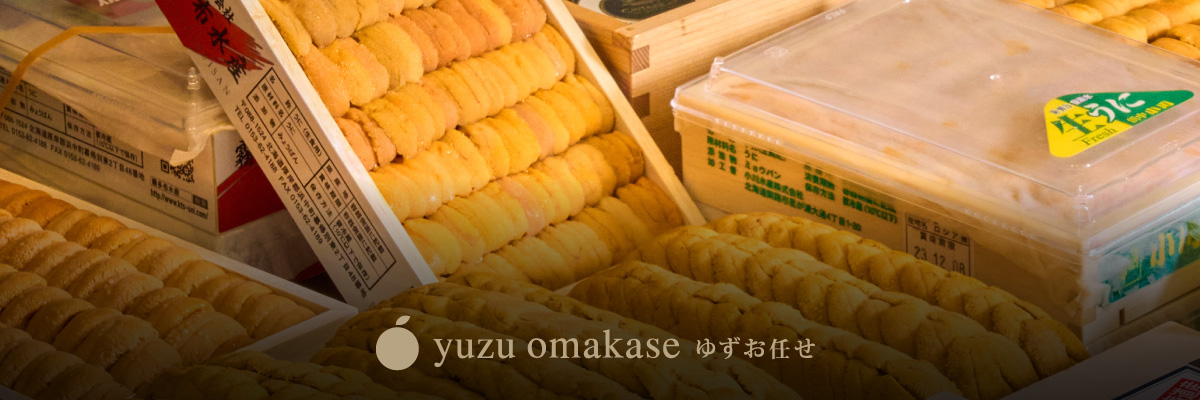
Hokkaido Uni vs Kyushu Uni: What’s the Difference?
Hokkaido uni offers a rich, creamy sweetness with a firm texture, while Kyushu uni delivers a lighter, more delicate flavor with a softer, melt-in-your-mouth consistency. The difference comes from water temperature, diet, and harvesting season. Understanding Japanese Sea Urchin Varieties Japan produces some of the world’s finest uni, with regional terroir creating distinct flavor profiles.… Continue reading Hokkaido Uni vs Kyushu Uni: What’s the Difference?
Local Story ● 2026 Jan 22
-
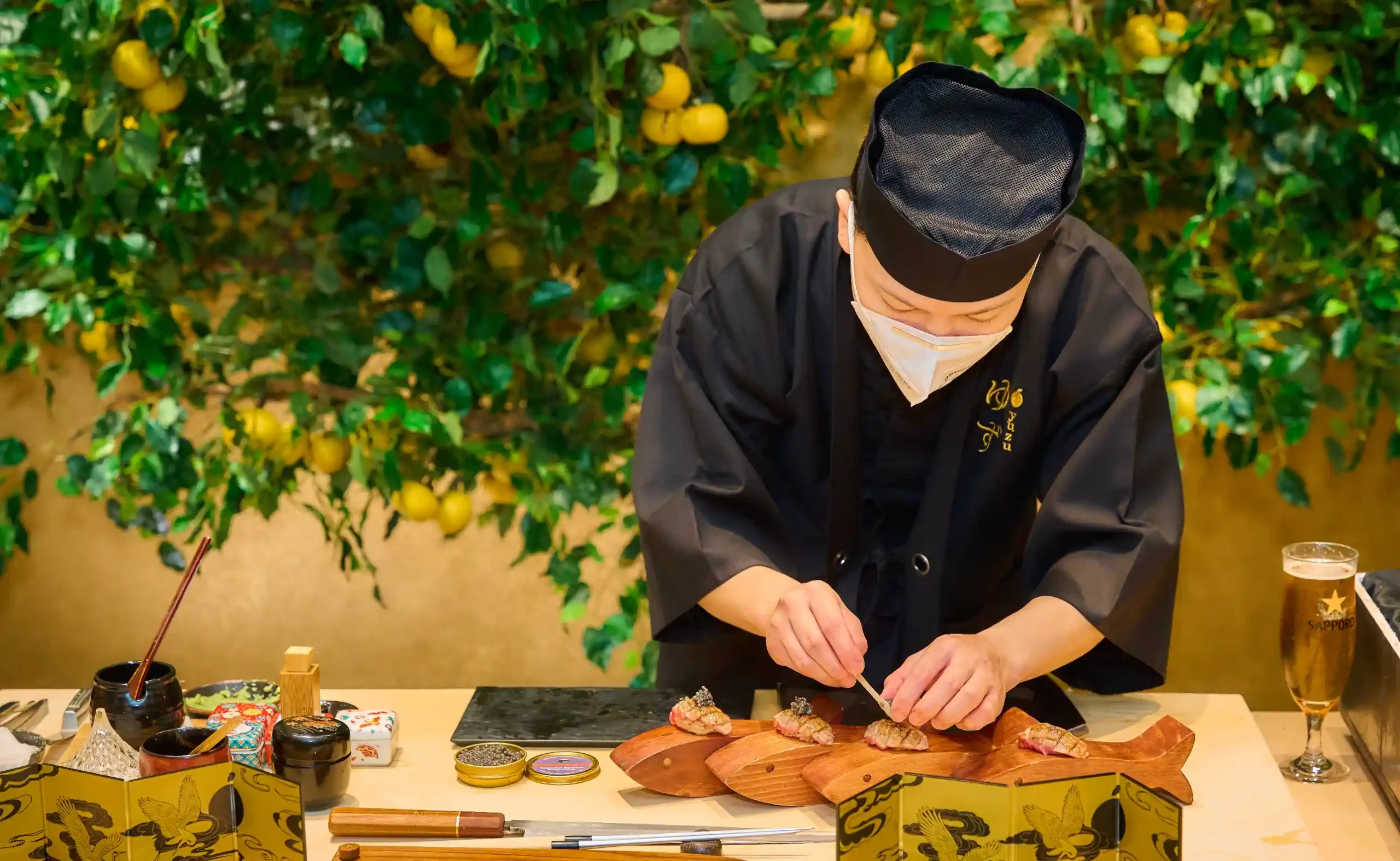
Sushi Knives Explained: Yanagiba, Deba, Usuba and Their Purpose
Japanese sushi knives (hocho) are single-bevel blades designed for specific tasks in washoku cuisine. The essential trio—Yanagiba, Deba, and Usuba—form the foundation of professional sushi preparation, each serving a distinct purpose in the itamae’s craft. Which Knife for What? • Yanagiba: Slicing sashimi and sushi toppings (neta) • Deba: Filleting whole fish, removing heads, breaking… Continue reading Sushi Knives Explained: Yanagiba, Deba, Usuba and Their Purpose
Local Story ● 2026 Jan 22
-
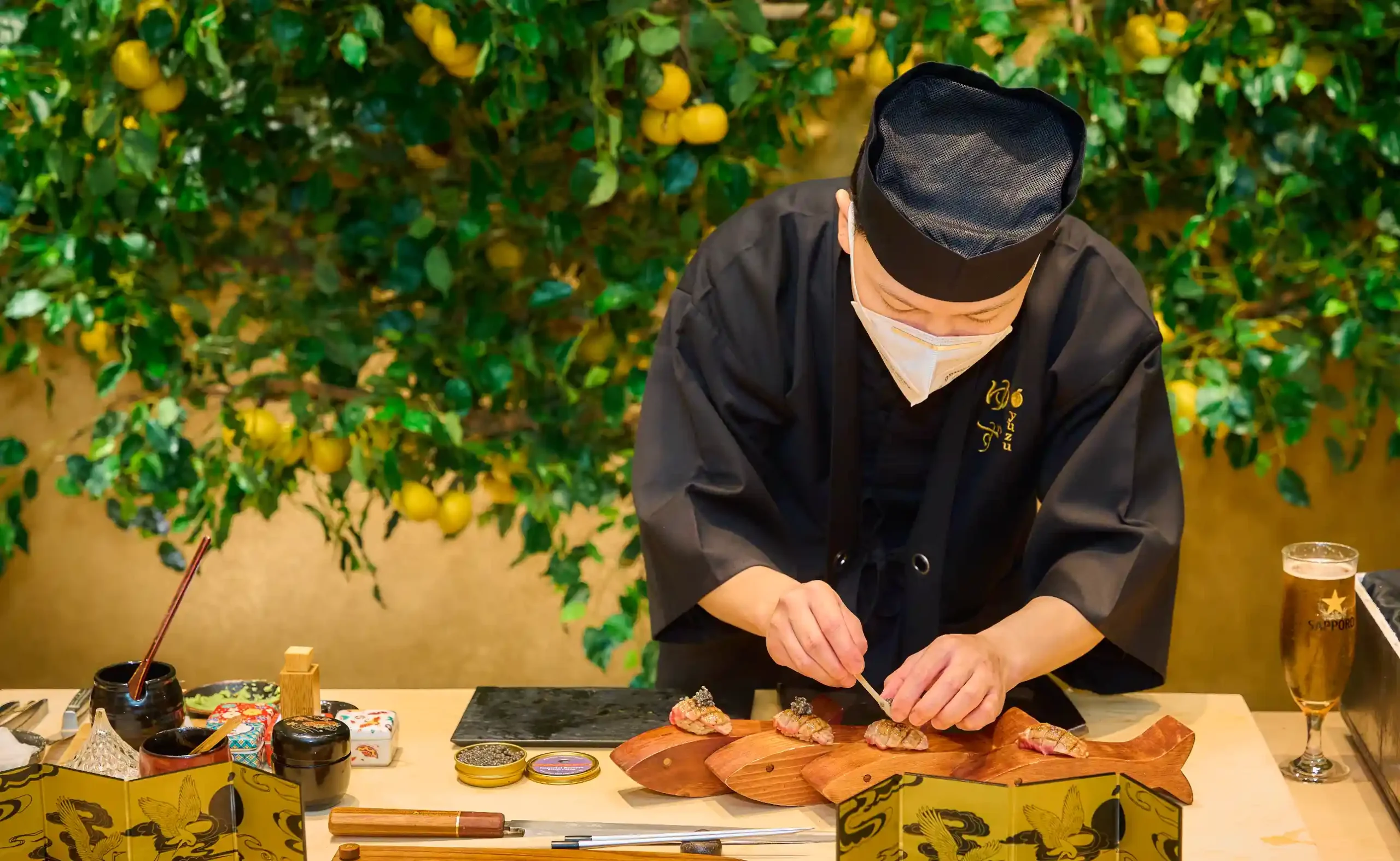
First Time Omakase: What You Need to Know
Updated January 2025 · 6 min read Omakase (お任せ) translates to “I leave it up to you” in Japanese. This dining style places complete trust in the chef to curate a personalized multi-course meal using the freshest seasonal ingredients, served one piece at a time directly at the sushi counter. First-timers can expect 14-20 courses… Continue reading First Time Omakase: What You Need to Know
Local Story ● 2026 Jan 22
-
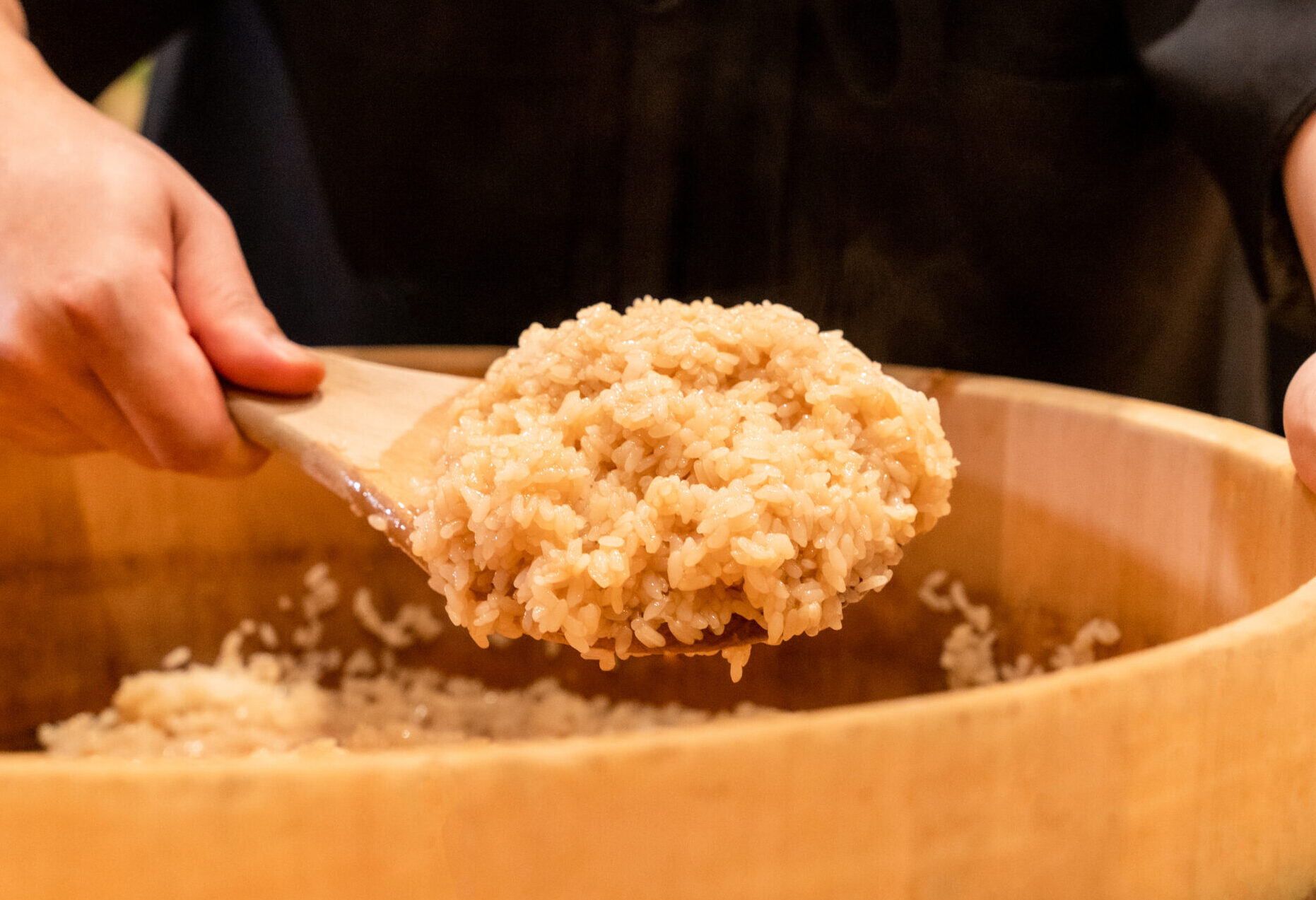
Temperature in Sushi Rice: Why Itamae Serve Shari at Body Temperature
Updated January 2025 · 6 min read The ideal temperature for sushi rice (shari) is 35-40°C (95-104°F), approximately human body temperature. This precise warmth allows the seasoned rice to release its vinegar aroma while creating a pleasant contrast with chilled neta (fish toppings). Professional itamae in omakase restaurants never serve cold or hot sushi rice—temperature… Continue reading Temperature in Sushi Rice: Why Itamae Serve Shari at Body Temperature
Local Story ● 2026 Jan 22
-
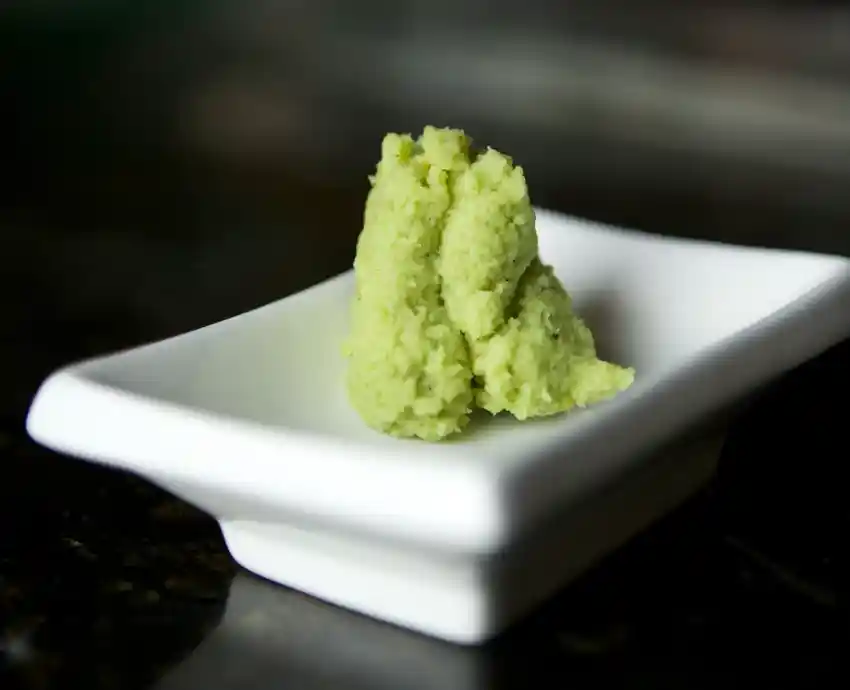
Why Wasabi Always Served with Sushi
Updated January 2025 · 6 min read Why is wasabi served with sushi? Wasabi (Japanese horseradish) accompanies sushi for three essential reasons: it kills harmful bacteria in raw fish, enhances umami flavor, and cuts through richness with its sharp, clean heat. This pairing dates back centuries when refrigeration didn’t exist, making wasabi a natural food… Continue reading Why Wasabi Always Served with Sushi
Local Story ● 2026 Jan 22
-
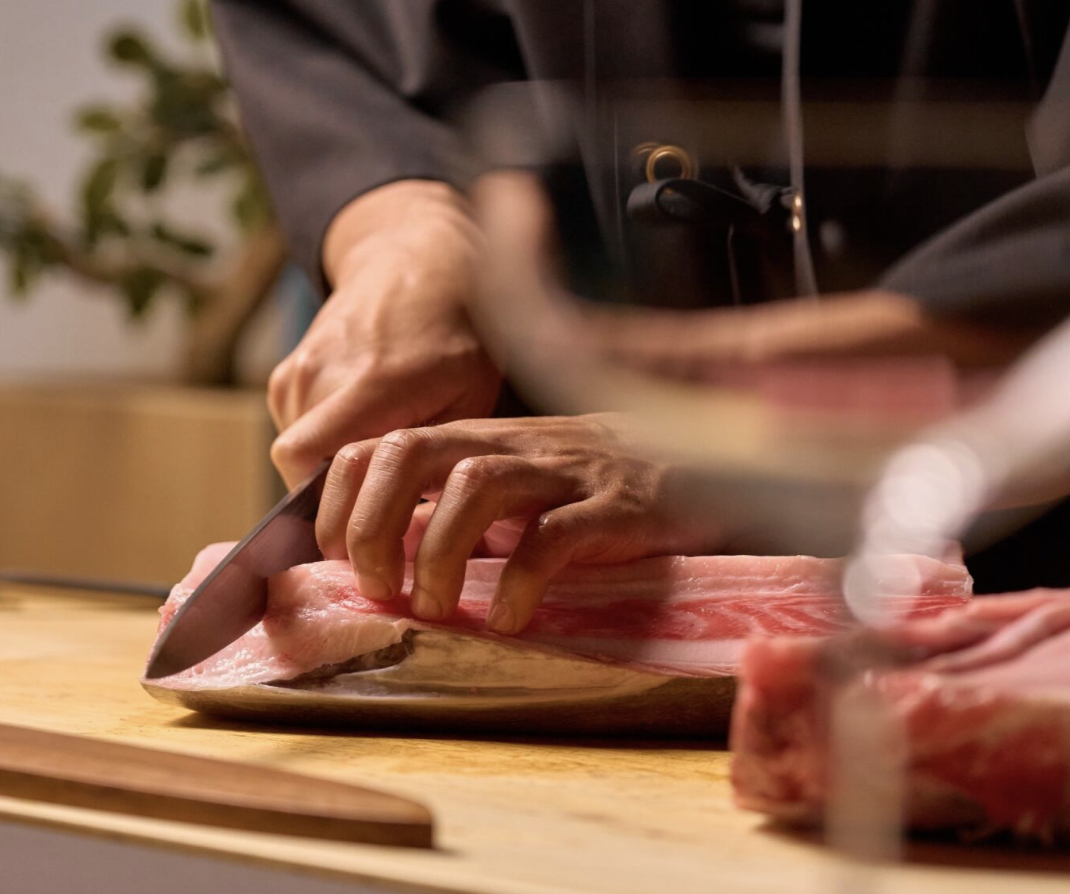
Why Aging Fish Makes Omakase Taste Better?
Aging fish for omakase enhances both texture and flavor through enzymatic breakdown of proteins, creating deeper umami notes and a tender texture that pairs seamlessly with sushi rice. Unlike fresh fish which can be overly firm, aged fish develops complex flavors over 3-30 days through controlled temperature and humidity. Benefits of Aged Fish in Omakase… Continue reading Why Aging Fish Makes Omakase Taste Better?
Local Story ● 2025 Dec 4
-
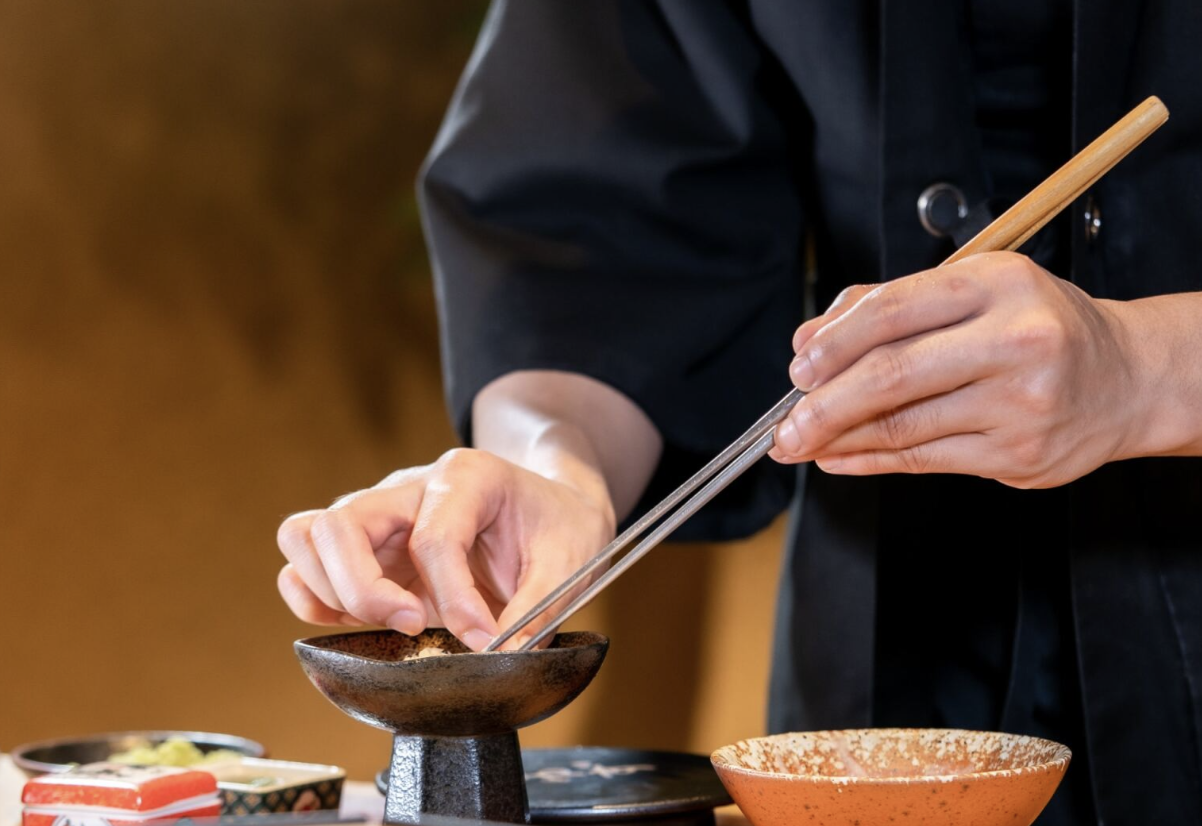
Omakase Etiquette: Complete Guide to Japanese Fine Dining Protocol
Omakase etiquette centers on respecting the chef’s craft through punctuality, eating sushi immediately when served, and avoiding strong fragrances. Trust the chef’s selection, eat each piece in one bite, and maintain quiet conversation to preserve the intimate dining atmosphere. What is Proper Omakase Etiquette? Omakase etiquette encompasses behavioral protocols that honor Japanese culinary tradition and… Continue reading Omakase Etiquette: Complete Guide to Japanese Fine Dining Protocol
Local Story ● 2025 Dec 4
-
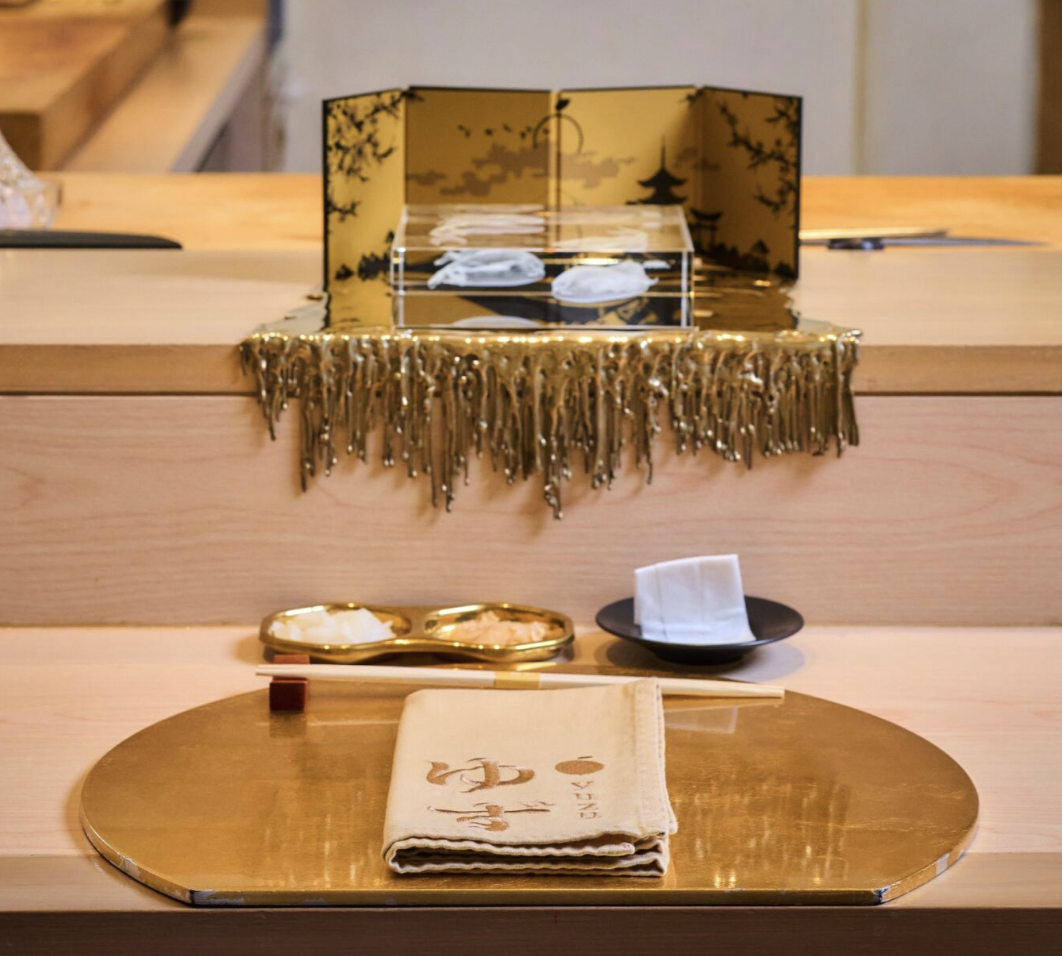
Kaiseki vs Omakase: Understanding Japanese Dining Experiences
When exploring Japanese fine dining, two prestigious culinary traditions stand at the pinnacle: kaiseki and omakase. Understanding the differences between kaiseki vs omakase helps discerning diners choose the perfect experience for special occasions, whether celebrating anniversaries, entertaining clients, or seeking cultural immersion through extraordinary cuisine. What is Kaiseki? Kaiseki is Japan’s most formal multi-course dining… Continue reading Kaiseki vs Omakase: Understanding Japanese Dining Experiences
Local Story ● 2025 Dec 4
-
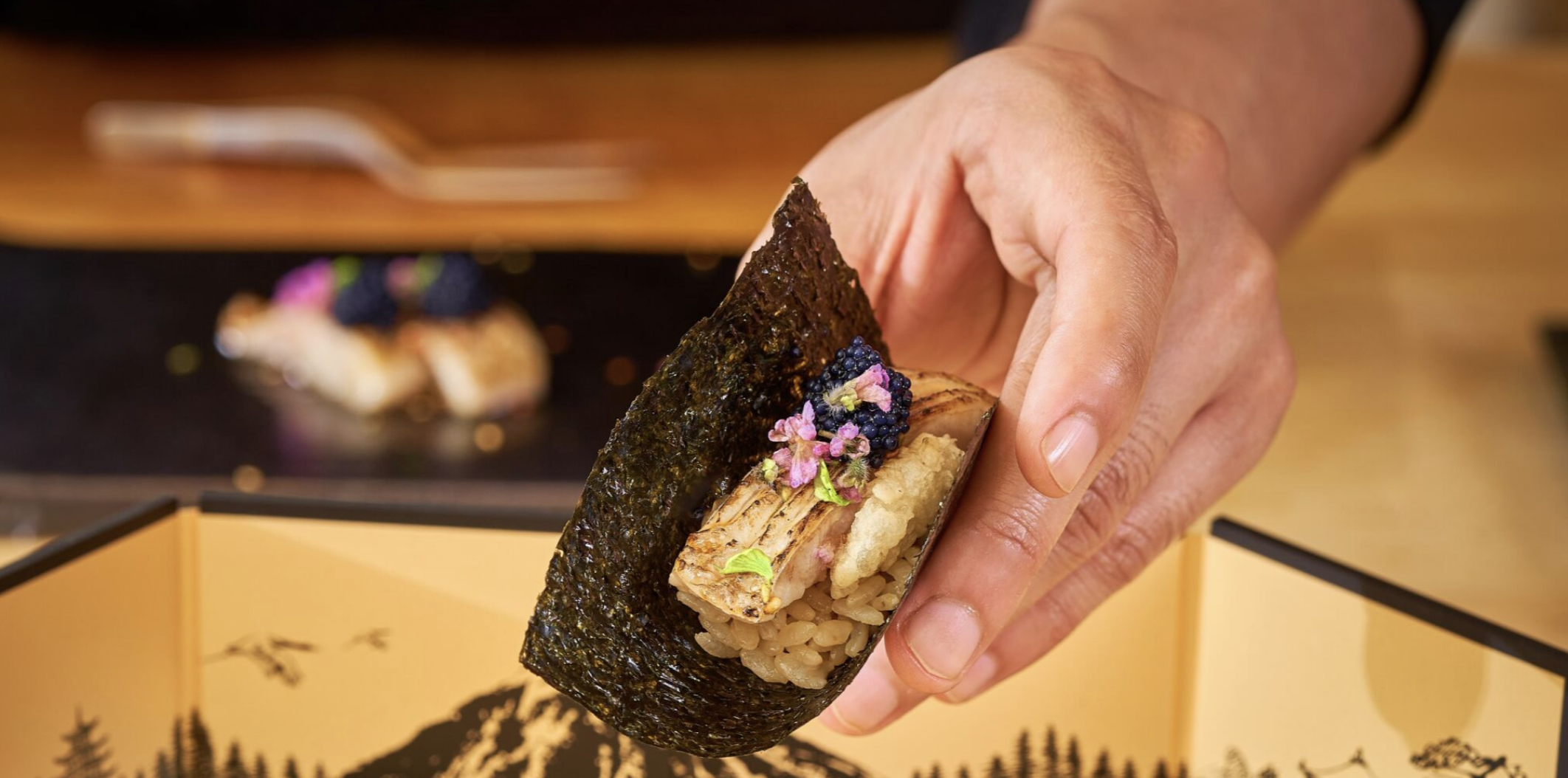
Get to Know Nigiri Sushi: The Art of Hand-Pressed Perfection
What is Nigiri Sushi? Nigiri is a type of sushi consisting of an oval-shaped, hand-pressed mound of vinegared rice topped with a thin slice of raw fish or seafood. The word “nigiri” means “to grasp” or “to squeeze,” referring to the way the sushi chef shapes the rice with their hands. Key Facts: Understanding Nigiri:… Continue reading Get to Know Nigiri Sushi: The Art of Hand-Pressed Perfection
Local Story ● 2025 Dec 4
-
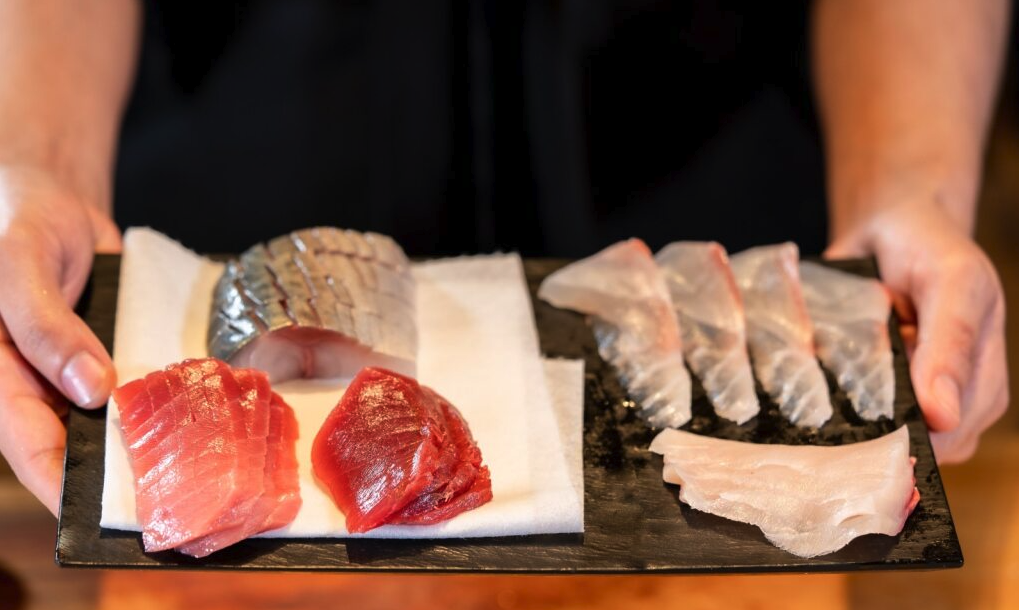
Popular Ingredients in Omakase
What are the most popular omakase ingredients? Omakase features premium seasonal ingredients carefully selected by the chef, with akami (lean tuna), chutoro and otoro (fatty tuna cuts), uni (sea urchin), hotate (scallop), and wagyu beef representing the most sought-after components. These ingredients showcase the pinnacle of Japanese culinary craftsmanship through their exceptional quality and preparation.… Continue reading Popular Ingredients in Omakase
Local Story ● 2025 Dec 4
-
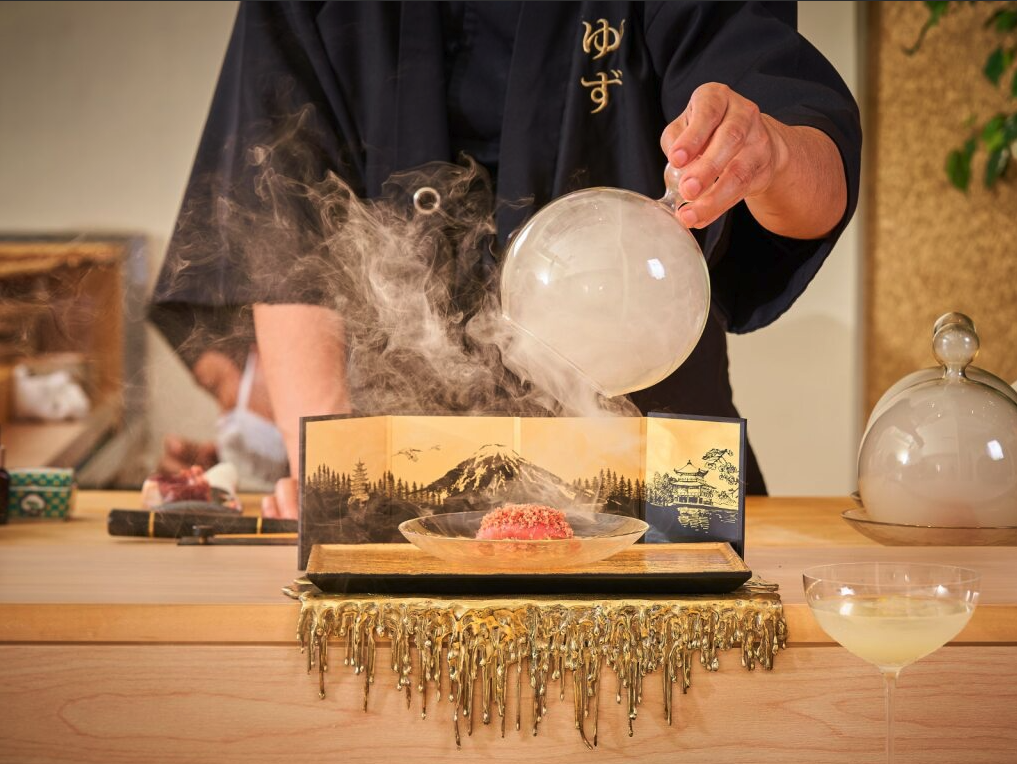
The Art of Omakase: Why Each Bite is a Story
Have you ever wondered what it feels like to completely surrender control of your dining experience? To sit at a counter, look into the eyes of a master chef, and simply say, “I trust you”? Welcome to the extraordinary world of omakase, where every bite isn’t just food—it’s a carefully crafted narrative that unfolds on… Continue reading The Art of Omakase: Why Each Bite is a Story
Local Story ● 2025 Oct 10
-
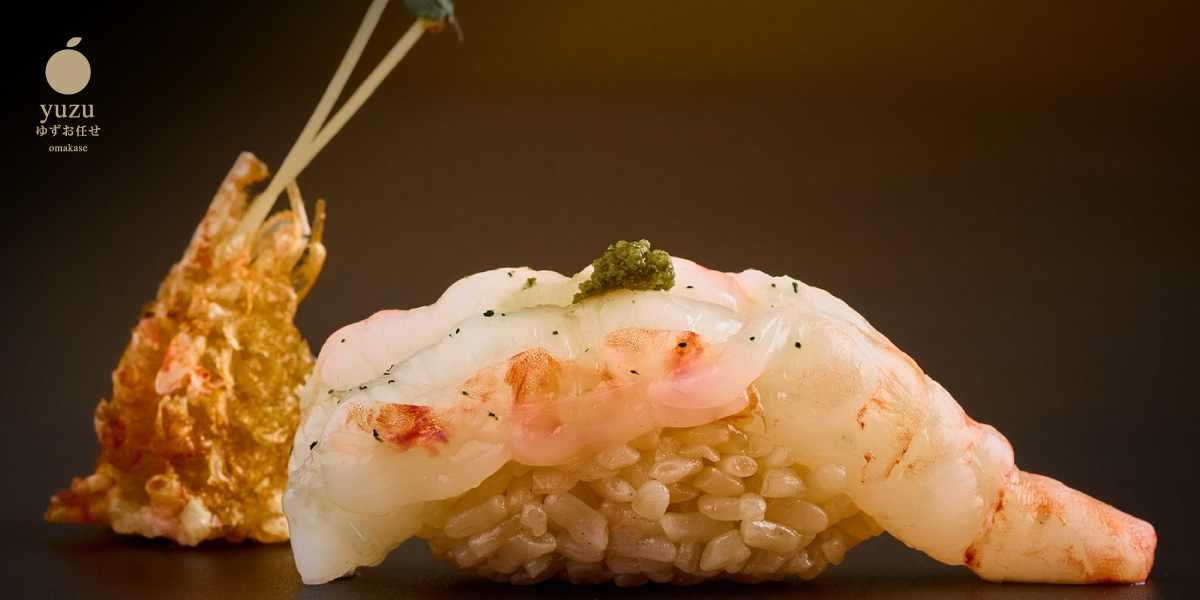
Botan Ebi (Peony Shrimp) How to Enjoy
Ask for Botan ebi at a serious sushi counter and watch the chef’s eyes brighten—this peony-named shrimp (ぼたんえび) represents one of sushi’s most elegant expressions of oceanic sweetness. Larger and more luxurious than its cousin amaebi, Botan ebi delivers a firmer bite and richer sweetness that transforms a simple nigiri into an event. What is… Continue reading Botan Ebi (Peony Shrimp) How to Enjoy
Local Story ● 2025 Sep 12