




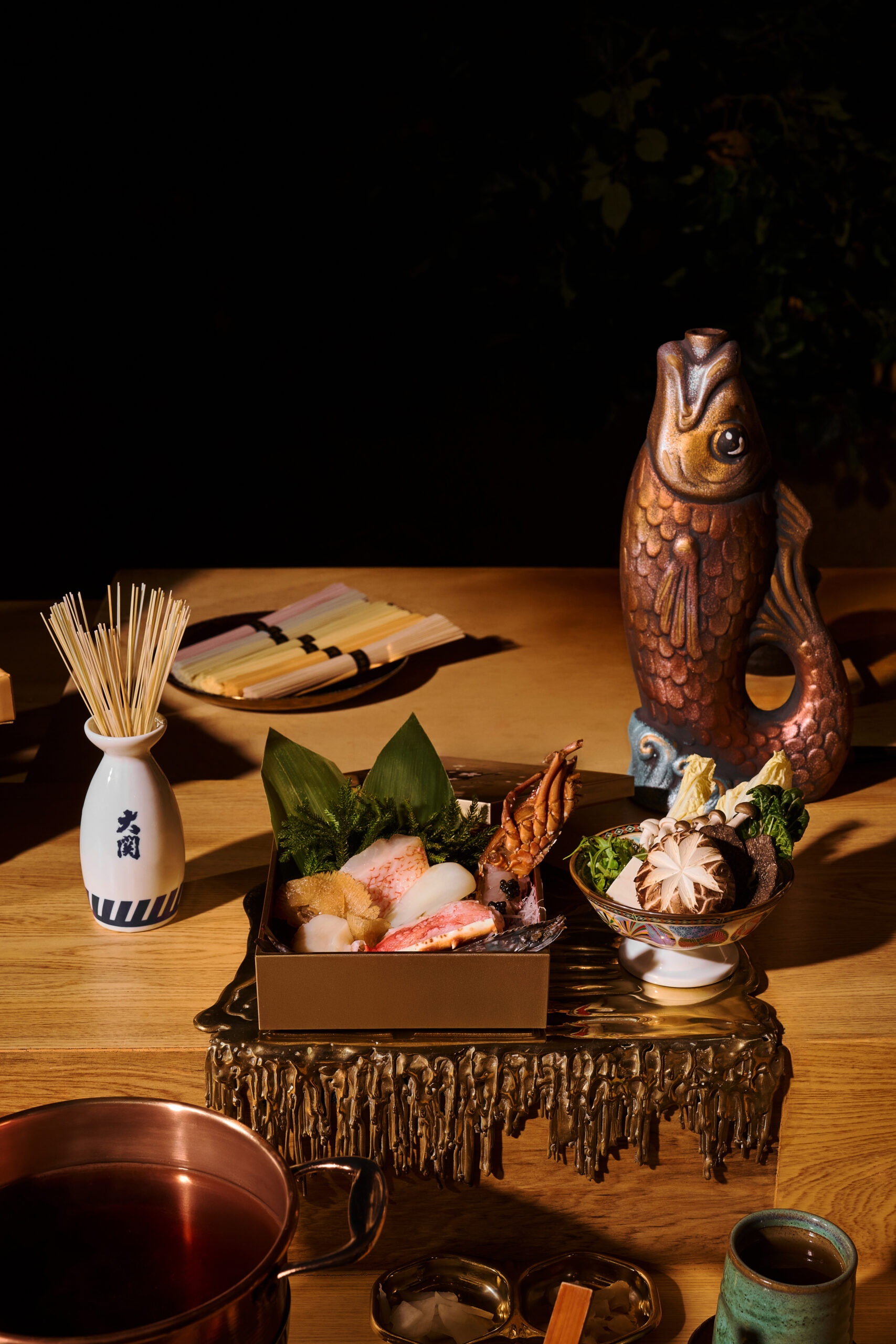
What is Wagyu Kappo? The Counter-Style Wagyu Course Explained (2026)
Wagyu Kappo is a Japanese counter-style dining format built around premium wagyu beef. The chef cooks in front of the guest, course by course, using grilling, searing, simmering and lightly raw preparations to show different sides of the same animal. Kappo (割烹) literally means “to cut and to cook with heat”, and a wagyu kappo… Continue reading What is Wagyu Kappo? The Counter-Style Wagyu Course Explained (2026)
Uncategorized ● 2026 Apr 29
Wagyu Kappo is a Japanese counter-style dining format built around premium wagyu beef. The chef cooks in front of the guest, course by course, using grilling, searing, simmering and lightly raw preparations to show different sides of the same animal. Kappo (割烹) literally means "to cut and to cook with heat", and a wagyu kappo course is the meat-focused expression of that idea. It sits between the formality of kaiseki and the single-ingredient focus of sushi omakase.
WHAT KAPPO ACTUALLY MEANS?
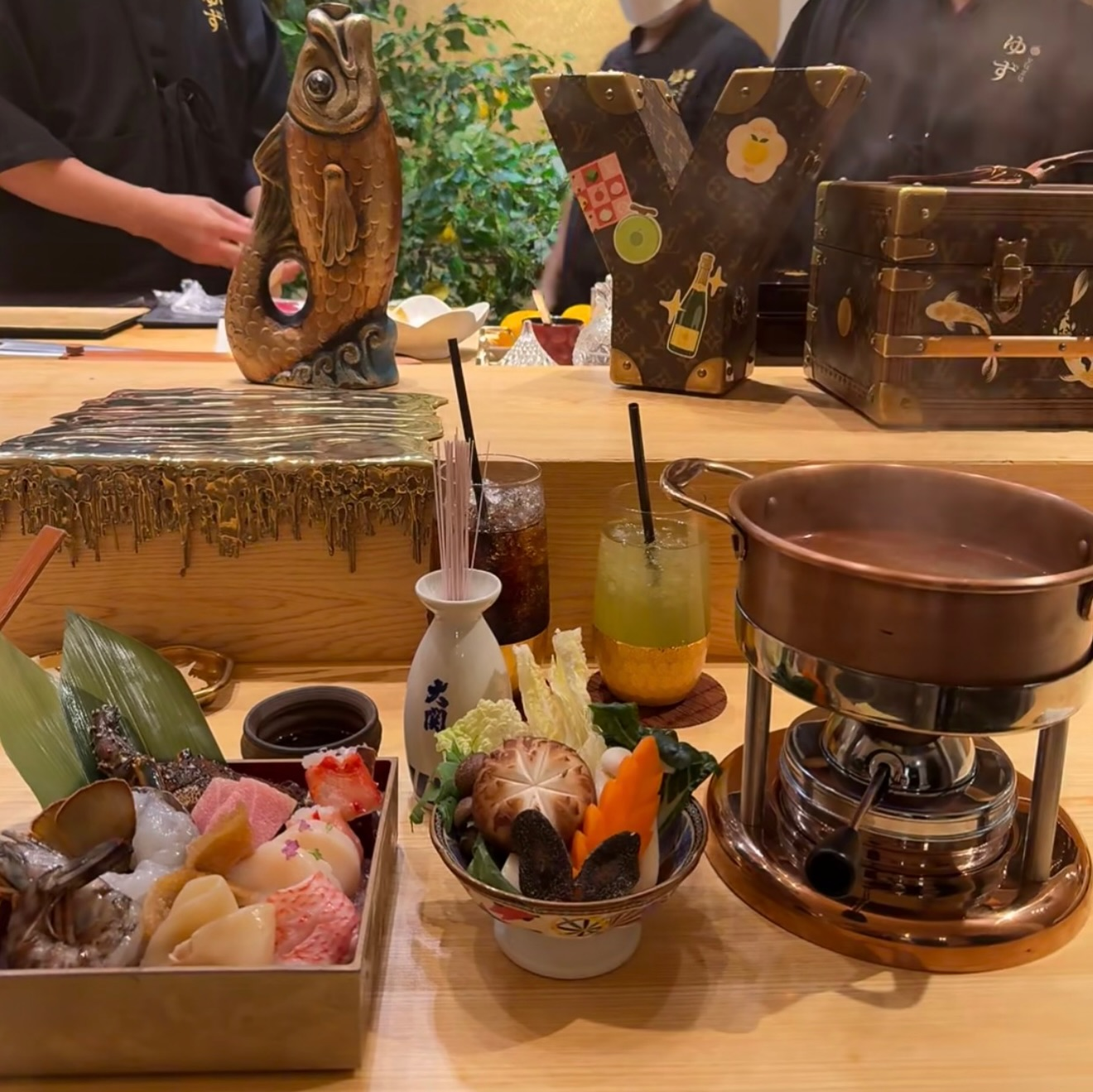
Kappo is written with two characters. Ka (割) means to cut. Po (烹) means to cook with heat. Together they describe the most fundamental promise a kitchen can make to a guest. Cut the ingredient correctly, and apply heat correctly, and the rest follows.
The format originated in Osaka in the late Meiji and early Taisho period, roughly the 1910s, when chefs began offering kaiseki-trained cooking in a less formal setting. Instead of a private tatami room and a closed kitchen, kappo placed the chef directly behind a counter. Guests watched the food being made, asked questions, and ordered course by course rather than from a fixed menu. Over a century later the structure has barely changed. The counter is still the centre of the experience.
What separates kappo from kaiseki is mostly atmosphere and rhythm. Kaiseki is set, multi-course, and quiet, with a printed menu and dishes finished out of sight. Kappo is open, responsive, and conversational. The chef adjusts in real time based on what the guest is enjoying and what the market gave them that morning.
WHAT MAKES IT WAGYU KAPPO?
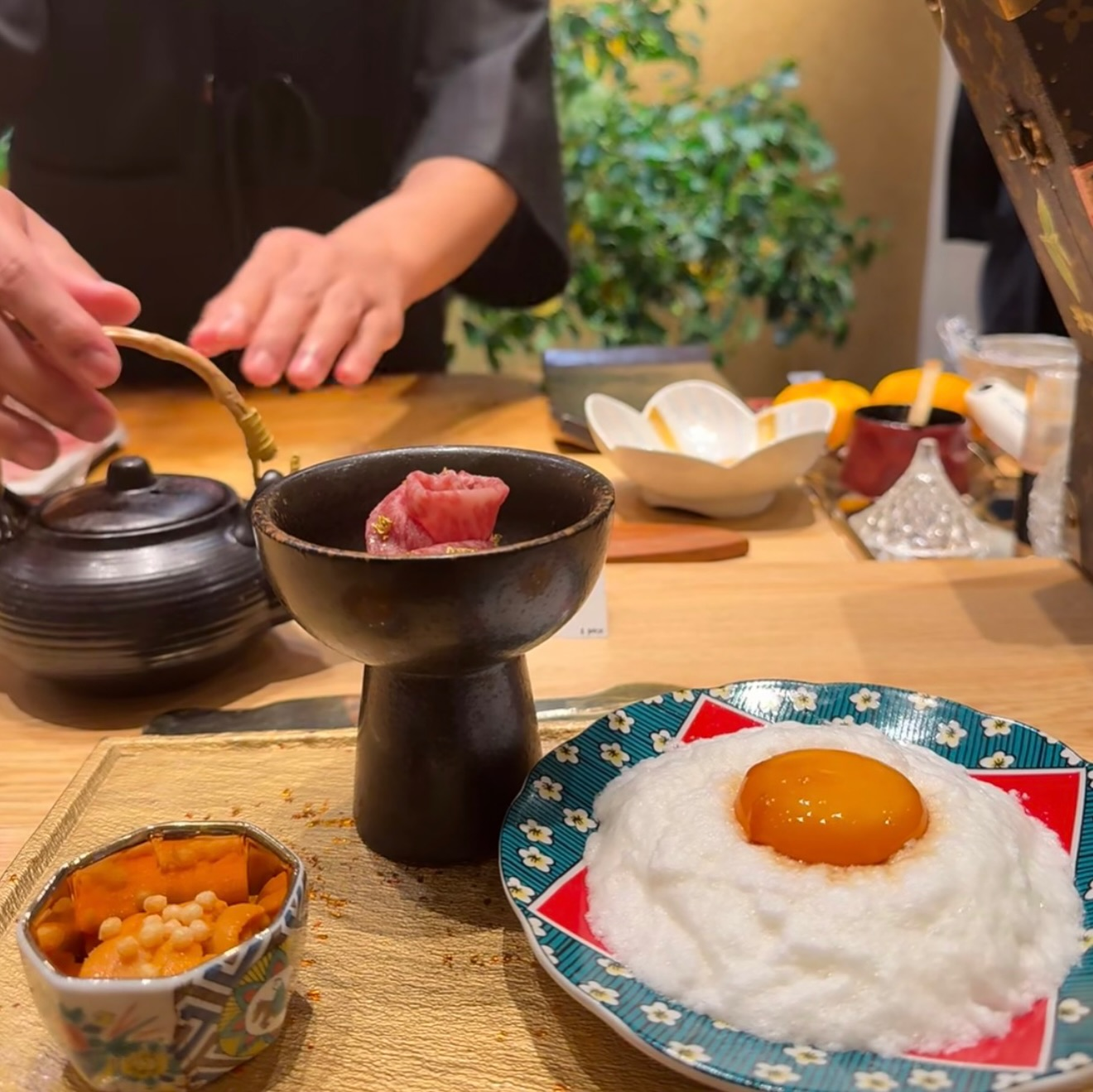
Wagyu kappo, sometimes called niku-kappo (肉割烹), is the meat-focused version of kappo. The structure is identical. The ingredient at the centre changes. Where a seafood-leaning kappo will move through whitefish, shellfish, and seasonal vegetables, a wagyu kappo course is built around a single primal cut, or sometimes a flight of cuts, from a single animal.
Wagyu grading, briefly
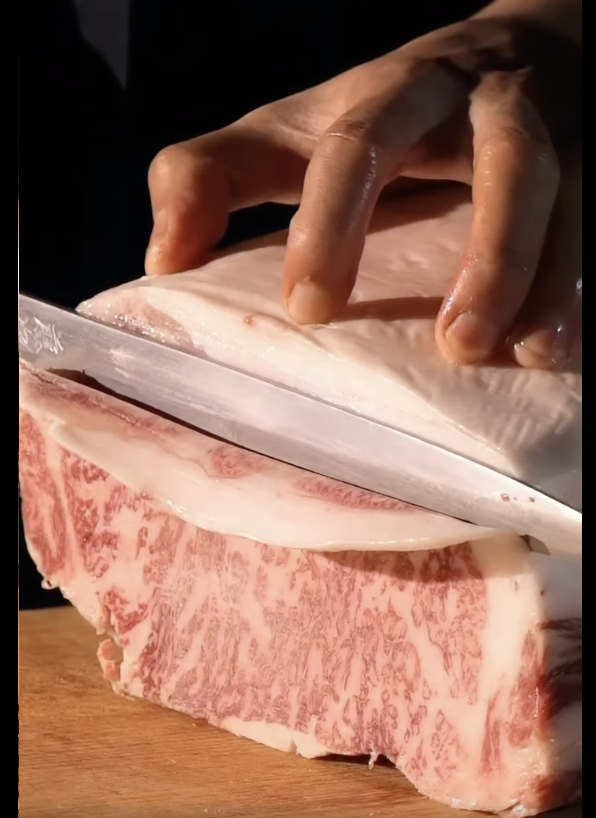
Wagyu in this context means Japanese wagyu, raised and graded in Japan, not Australian or American crossbreed. The Japan Meat Grading Association uses a two-part scale. The yield grade runs A, B, or C, with A indicating the highest yield. The quality grade runs 1 to 5, with 5 the highest. A5 is the top combination, and A5 from a pedigree region such as Yonezawa, Miyazaki, Ohmi or Matsusaka is what serious wagyu kappo counters source.
Within a single A5 carcass, different cuts behave very differently. Sirloin is buttery and yielding. Chateaubriand is dense and clean. Misuji has connective tissue that responds to slow heat. Zabuton sits right above the chuck and carries dramatic marbling. A wagyu kappo course is essentially a guided tour through these contrasts.
WHY THE COUNTER MATTERS?
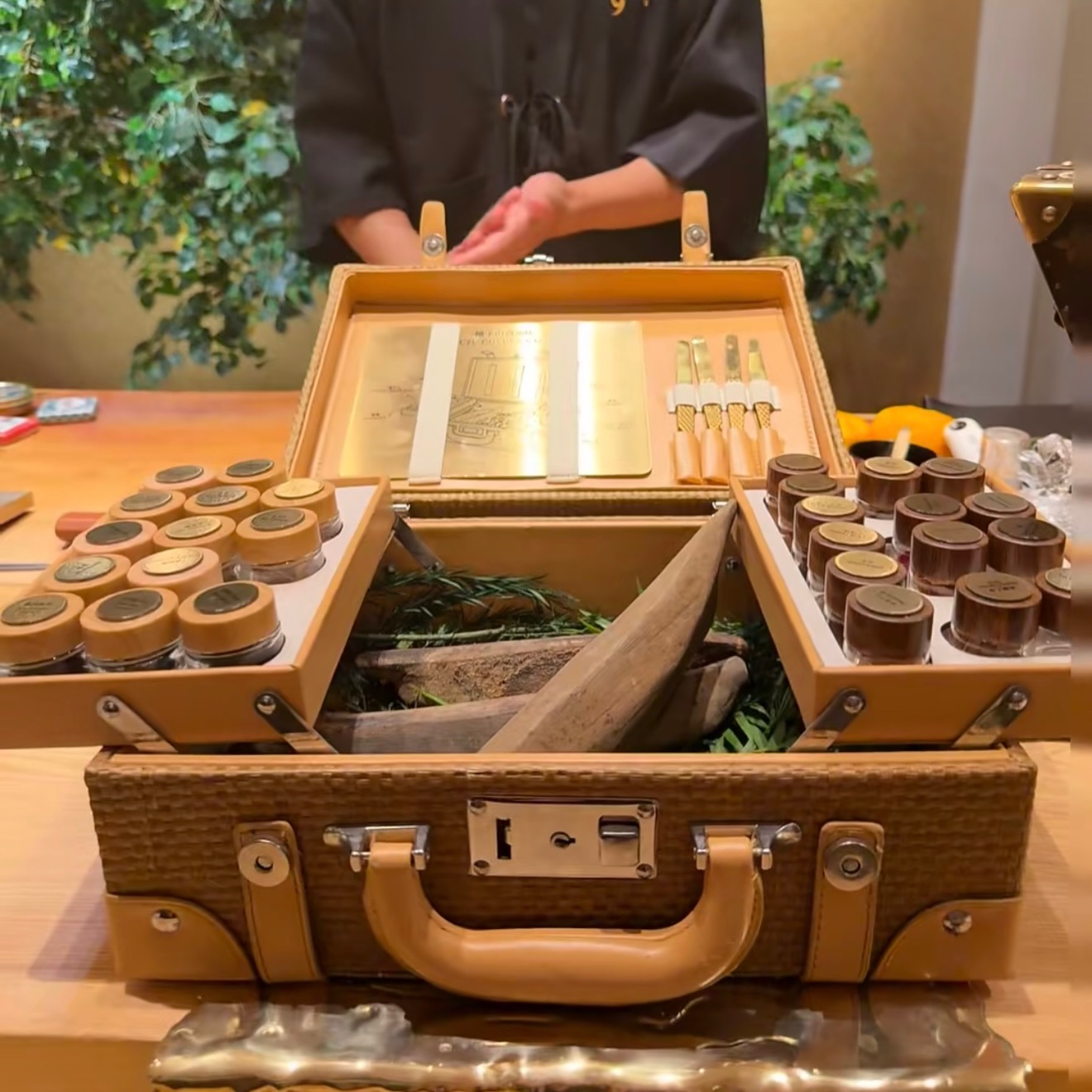
The counter is not decoration. It is the entire reason the format exists.
Sitting at a wagyu kappo counter, a guest sees the marbling on the cut before it hits the heat. They see how long the chef rests it. They see the salt go on, the cross-hatching of the grill, the angle of the slice. The chef can explain why a particular cut from a particular farm is being treated a particular way. None of this works in a closed kitchen. Move the chef out of view, and a wagyu kappo loses most of its meaning.
This is also why wagyu kappo counters tend to be small. Eight to twelve seats is a typical range. Beyond that, the conversation between chef and guest breaks down, and the format collapses back into a regular tasting menu.
Yuzu Omakase runs a Wagyu Kappo private course at the Bangkok counter for guests who want a meat-led omakase rather than a fish-led one. The course is built around Japanese A5 wagyu sourced for that day, and the structure follows the kappo arc described above. A lighter raw or near-raw opening, a series of grilled and seared courses through the middle, and a final cut served with rice cooked in beef fat.
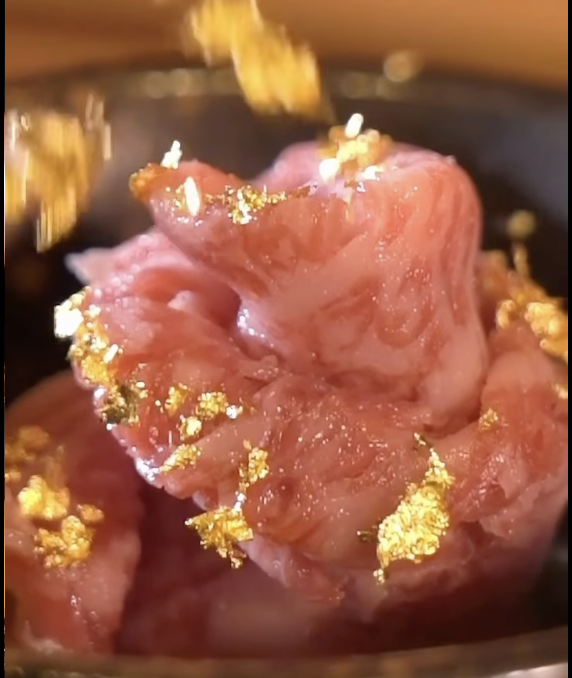
Two details matter for guests new to the format. The first is that the course is a private booking with a one-week lead time, because the cut selection is reserved against the seating. The second is that the course is paired with the same seasonal Japanese ingredients used across the regular omakase, which means the wagyu sits inside a Japanese course rather than a Western steakhouse format. Citrus accents, lightly pickled vegetables, and rice are part of the meal, not garnishes.
For guests deciding between Yuzu's standard omakase and the Wagyu Kappo course, the simplest framing is that the standard omakase moves through fish and seasonal neta, while the Wagyu Kappo course moves through a single Japanese A5 animal. Both are counter formats. Both are chef-led. The choice is about which centre of gravity the meal should have.
Is wagyu kappo the same as a wagyu tasting menu?
Not quite. A wagyu tasting menu can be served in any room, in any order, by any kitchen. Wagyu kappo is specifically counter-style, course by course, with the chef cooking in front of the guest. The format is part of the definition.
What is the difference between kappo and kaiseki?
Kaiseki is fixed, formal, and usually served from a closed kitchen, often in a private room. Kappo is responsive, counter-style, and conversational. The cooking discipline is closely related. The setting and pace are not.
Can vegetarians eat at a wagyu kappo counter?
A pure wagyu kappo course is not designed for vegetarians, since the entire arc is built around a single animal. Most counters that offer wagyu kappo also run a fish or vegetable kappo on request, but a meat-led course is the wrong booking for a guest who does not eat beef.
RELATE
-
Yuzu Omakase × Central Cee: Inside the Bangkok Afterparty (2026)
On 20 March 2026, Yuzu Omakase brought its kitchen to The Yang’s Club 94 in Bangkok for the Central Cee afterparty, part of the British artist’s Asia tour. The collaboration was the first time the omakase counter known for its 19-seat Siam Square dining room stepped out of its dining room and into a club.… Continue reading Yuzu Omakase × Central Cee: Inside the Bangkok Afterparty (2026)
Uncategorized ● 2026 Apr 29
-
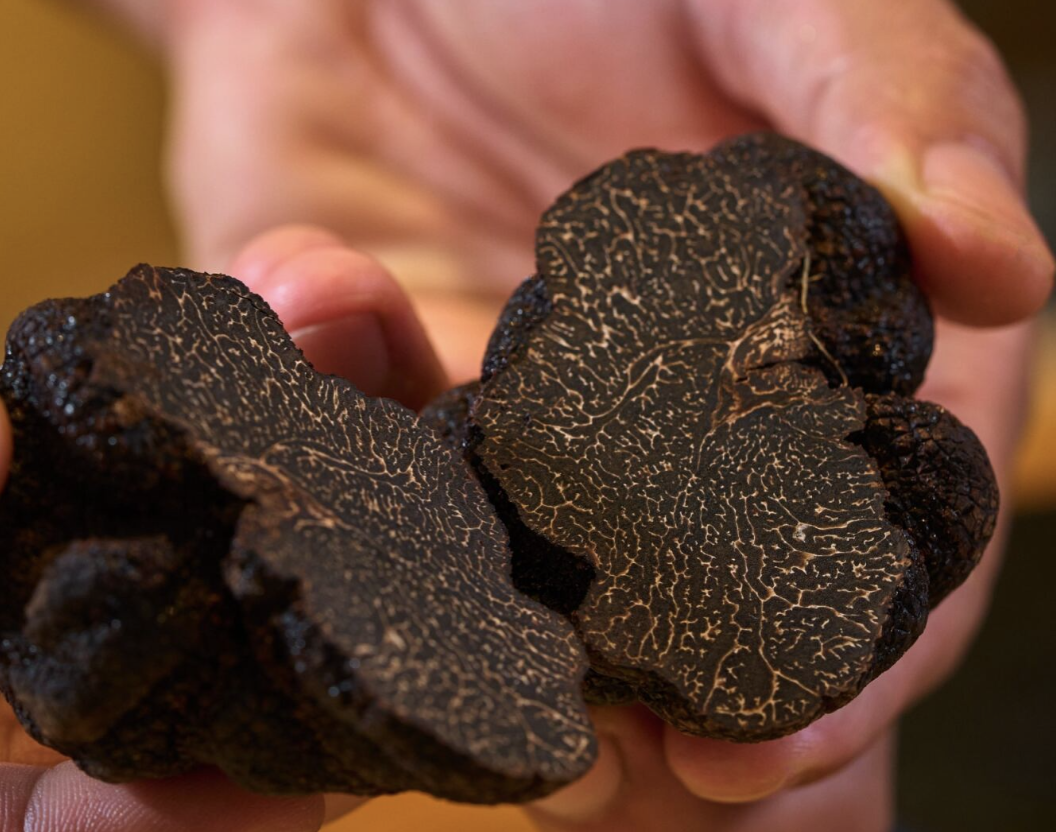
Why Truffle Is the King of Mushrooms and Flavours
Truffle is the most expensive ingredient on earth by weight — and it earns the title. No other fungus, no other flavour, comes close to the depth, complexity, and sheer rarity of a fresh truffle. One bite and you understand why chefs across Bangkok compete to source it, and why a single white truffle can… Continue reading Why Truffle Is the King of Mushrooms and Flavours
Uncategorized ● 2026 Mar 11
-
AGING FISH: WHY IT MATTERS AND HOW IT MAKES OMAKASE TASTE BETTER
Fresh does not always mean better. In the world of omakase, one of the most important skills a chef has is knowing when NOT to serve fish immediately after it arrives. Aging fish — resting it under controlled temperature and humidity for days, sometimes weeks — produces deeper umami, a silkier texture, and flavour complexity… Continue reading AGING FISH: WHY IT MATTERS AND HOW IT MAKES OMAKASE TASTE BETTER
Uncategorized ● 2026 Mar 11
-
What is Uni Sushi?
Uni sushi is a bite of vinegared rice topped with uni—the creamy, sweet-briny edible gonads of a sea urchin—most often served as gunkan (a nori-wrapped “battleship”) or as delicate nigiri. Fresh uni tastes custardy and ocean-clean; poor-quality uni can taste bitter or ammoniacal. What is uni (and why it’s not “roe”)? Many people think uni… Continue reading What is Uni Sushi?
Uncategorized ● 2025 Sep 11

