




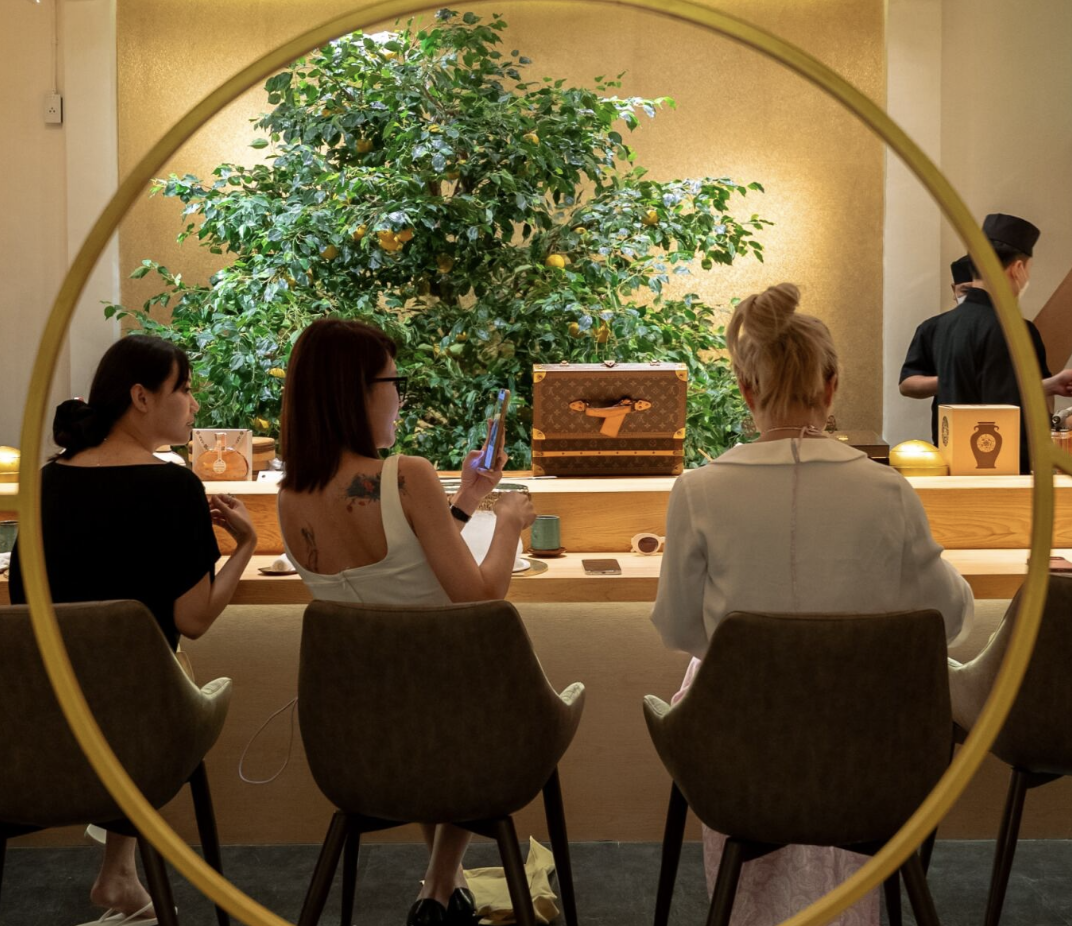
Why Omakase Is Expensive: Sourcing, Craftsmanship, and Premium Ingredients
Omakase is expensive because it combines premium-grade ingredients sourced from elite markets, years of chef training (often 10+ years), specialized techniques like fish aging, limited seating, and a personalized multi-course dining experience that cannot be replicated. Why Omakase Premium Prices all around the world Cost Factor Details Ingredient Sourcing Fish imported from Toyosu Market, flown… Continue reading Why Omakase Is Expensive: Sourcing, Craftsmanship, and Premium Ingredients
The World ● 2026 Jan 22
Omakase is expensive because it combines premium-grade ingredients sourced from elite markets, years of chef training (often 10+ years), specialized techniques like fish aging, limited seating, and a personalized multi-course dining experience that cannot be replicated.
Why Omakase Premium Prices all around the world
| Cost Factor | Details |
|---|---|
| Ingredient Sourcing | Fish imported from Toyosu Market, flown overnight on ice |
| Chef Training | 10–20 years of apprenticeship under master itamae |
| Fish Pricing | $18–$120 per pound; wasabi root ~$200 per pound |
| Seating | Typically 8–12 seats for intimate, personalized service |
| Course Count | 10–20 courses, each handcrafted in real-time |
What Makes Omakase Different from Regular Sushi?
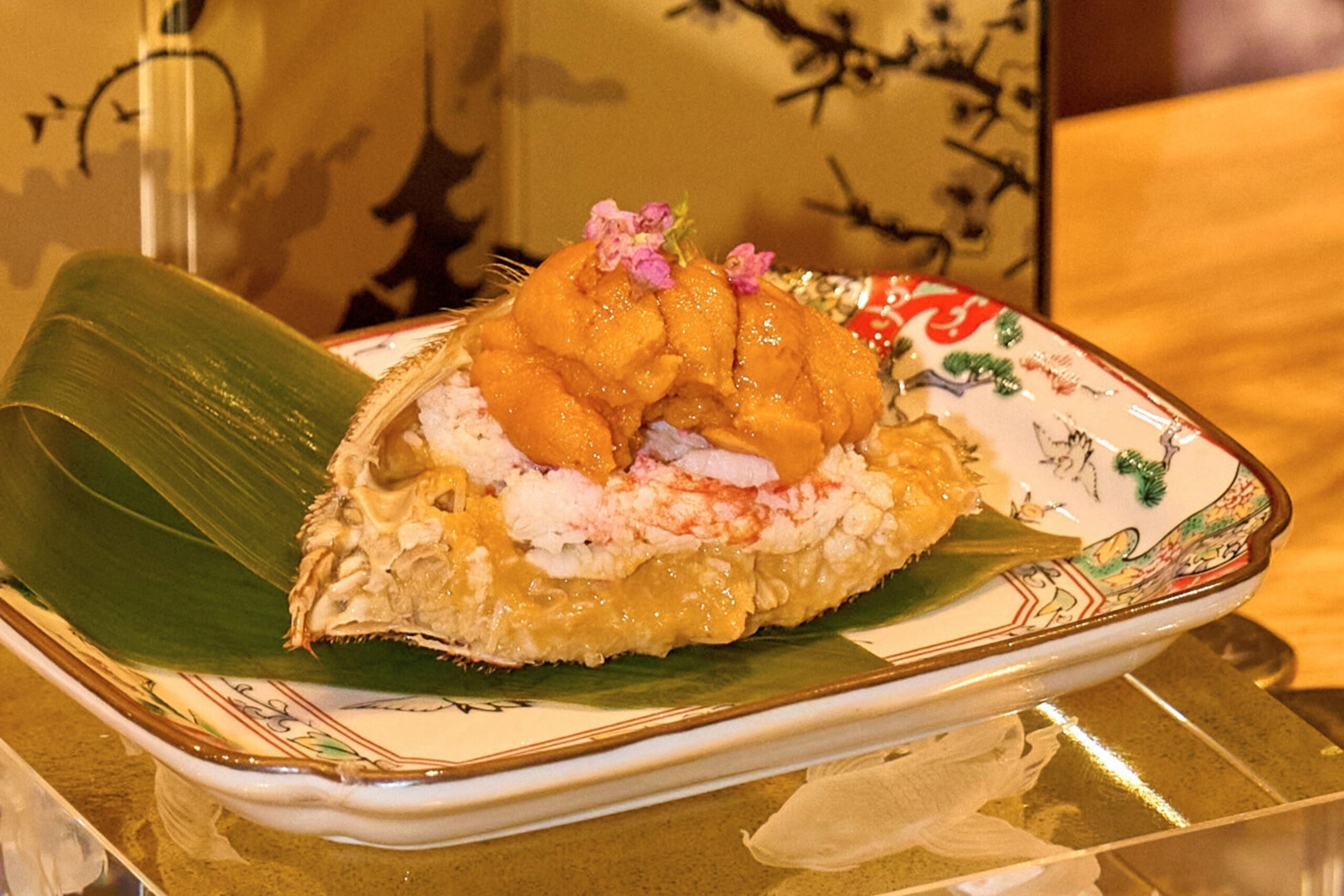
Omakase, meaning "I leave it up to you" in Japanese, represents the pinnacle of Japanese culinary tradition. Unlike ordering from a menu, diners entrust the chef with complete creative control. The itamae selects the freshest seasonal ingredients available that day and crafts each course specifically for the guest seated before them.
This dining format originated during the Edo period in Tokyo's bustling sushi stalls, where trust between chef and customer became the foundation of an elevated culinary experience. The Michelin Guide describes omakase as one of the most revered formal dining experiences, calling it the spiritual counterpoint to kaiseki cuisine.
Premium Ingredient Sourcing: The Foundation of Cost
Where Do Omakase Ingredients Come From?
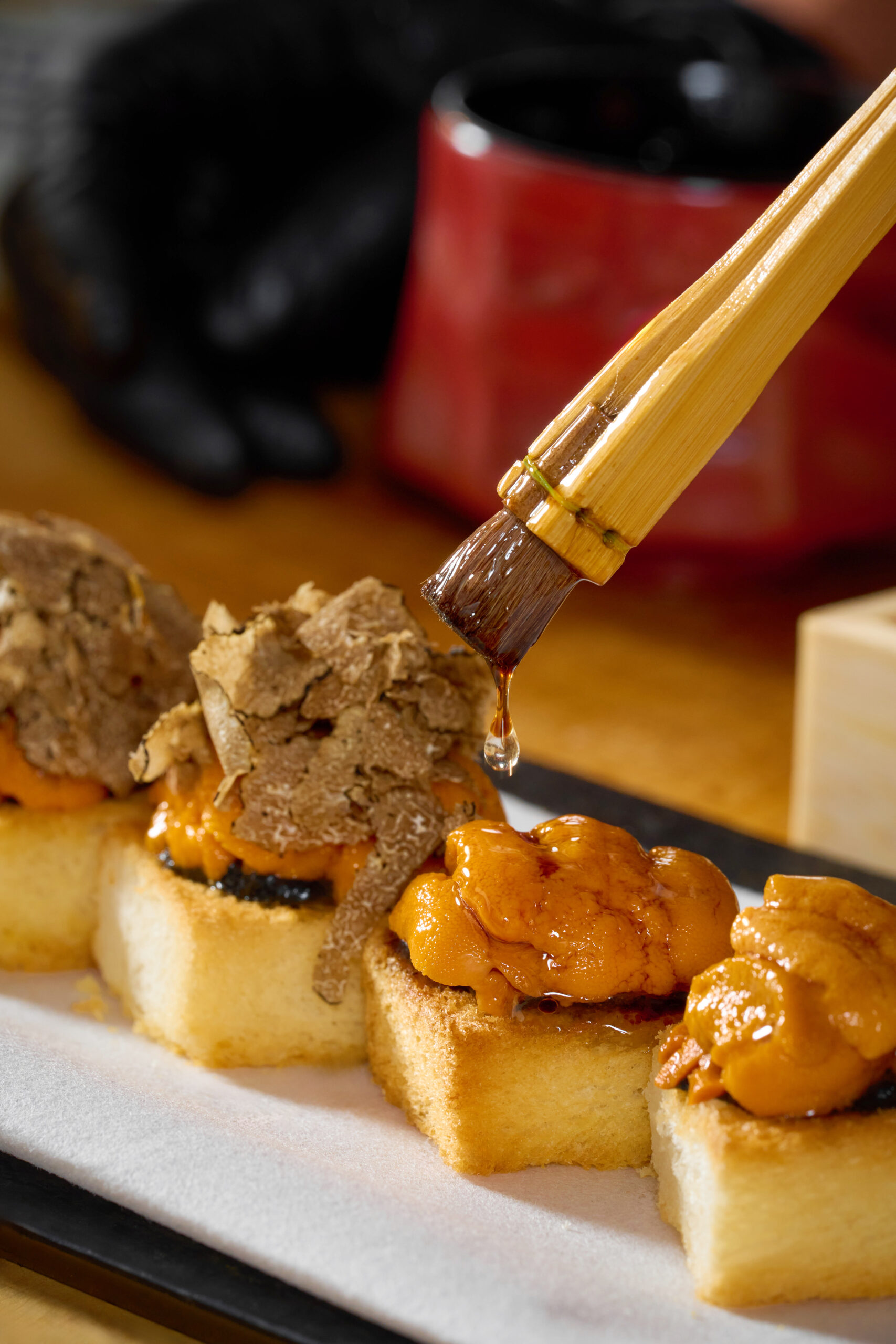
The finest omakase restaurants source seafood directly from Toyosu Market in Tokyo, Japan's largest wholesale fish market. Chefs or their representatives visit the market before dawn, hand-selecting fish based on quality, seasonality, and freshness. This daily ritual ensures only exceptional ingredients reach the counter.
Key sourcing elements that drive costs:
- Wild-caught fish flown overnight on ice from specific Japanese regions
- Seasonal availability limiting supply of premium species
- Direct relationships with specialized fishermen and wholesalers
- Artisanal ingredients like aged red vinegar (akazu), hand-grated fresh wasabi, and premium rice varieties such as Koshihikari
Fish costs alone range dramatically. One top sushi chef in the United States notes that premium wasabi root from Japan costs approximately $200 per pound, while fish prices range from $18 to $120 per pound—and that includes unusable parts like bones and organs.
Itamae Craftsmanship: Decades of Training
How Long Does It Take to Become an Omakase Chef?
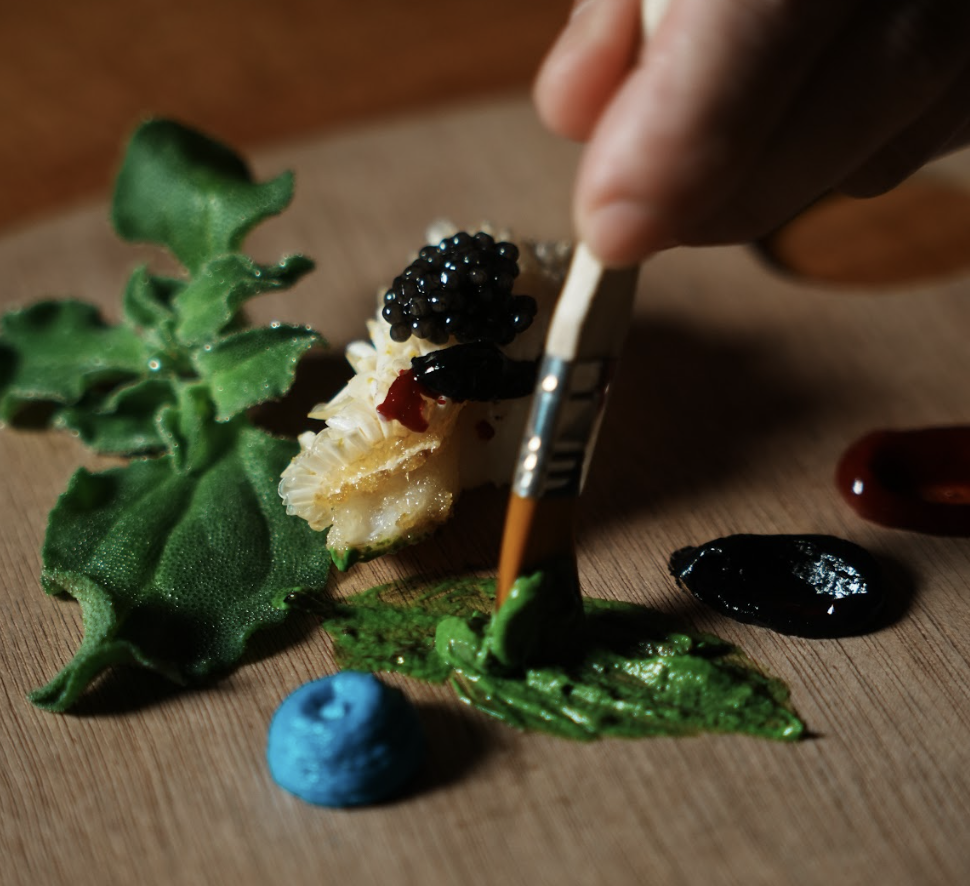
Traditional itamae training in Japan follows a rigorous progression spanning 10 to 20 years. Apprentices begin with cleaning and observation, spending their first two years without touching fish. Rice preparation comes next—a skill so fundamental that apprentices may practice it for years before handling seafood.
Traditional Itamae Training Timeline:
| Years | Training Focus |
|---|---|
| 1–2 | Observation, cleaning, rice washing |
| 3–4 | Rice preparation, basic vegetable cutting |
| 5–6 | Fish handling introduction, supervised filleting |
| 7–8 | Independent fish preparation, customer service |
| 9–10 | Advanced techniques, menu development, teaching |
This accumulated expertise—understanding fish aging, rice seasoning, knife techniques, and flavor pairing—represents decades of daily practice. When you pay for omakase, you pay for this irreplaceable mastery.
Fish Aging Techniques: The Science of Umami
Why Is Aged Fish Better for Sushi?
While freshness remains important, many omakase chefs employ fish aging (jikangai) to enhance flavor and texture. This technique breaks down proteins into amino acids, including glutamate, which creates deeper umami notes.
How fish aging works:
Fresh fish can be overly firm, making it difficult to meld with rice. Controlled aging softens texture while concentrating flavor. Tuna may be aged for several days to intensify its rich, meaty character. White-fleshed fish like sea bream develops subtle sweetness through aging. Some pioneering chefs age certain fish for up to two months.
The process requires precise temperature and humidity control—a skill that takes years to master and equipment that adds operational costs.
Is Omakase Worth the Price?
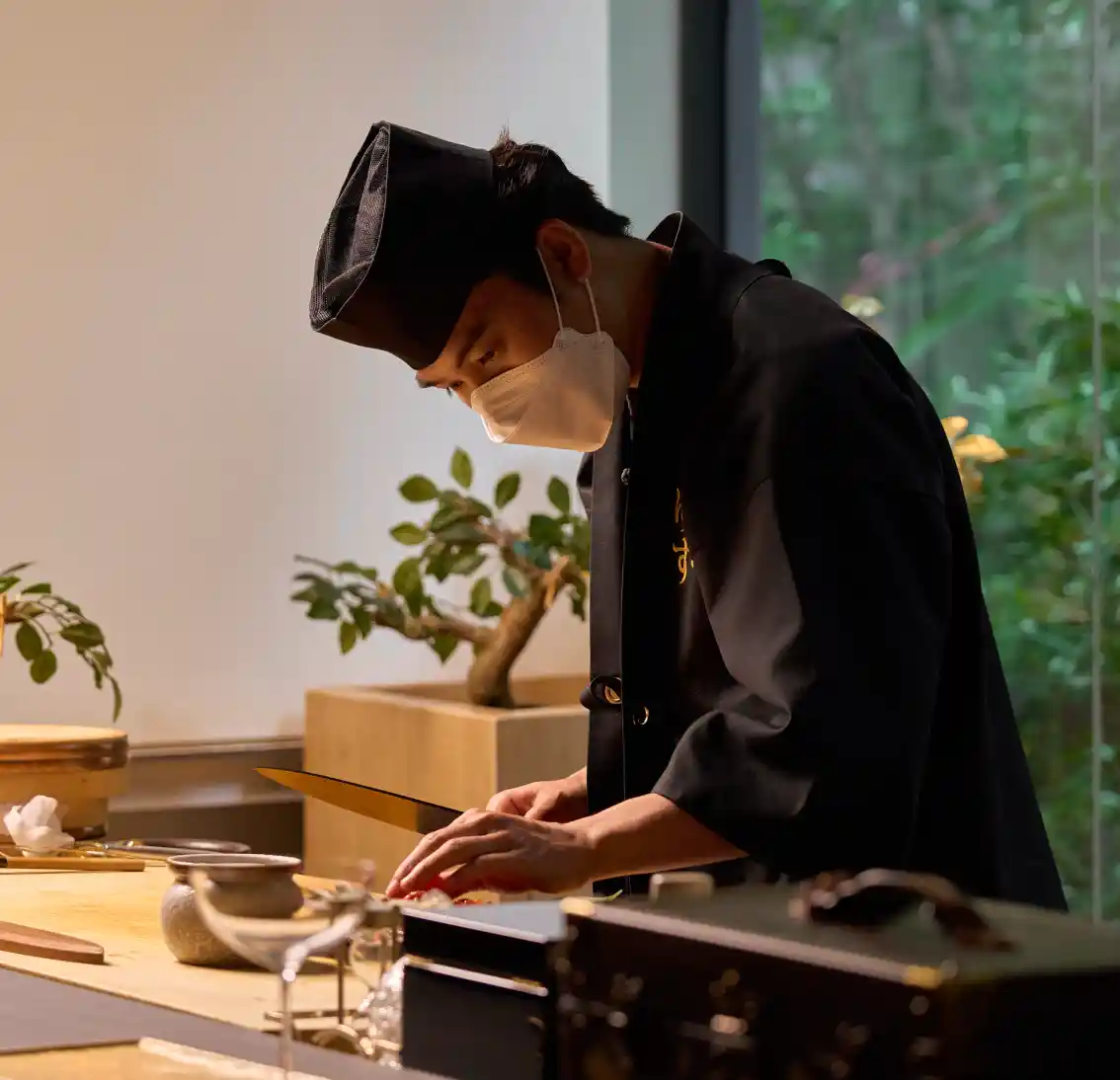
The value of omakase extends beyond ingredients and technique. You receive a curated, unrepeatable culinary journey where each course builds upon the last. The chef reads your reactions and adjusts subsequent dishes accordingly. Limited seating (often just 8–12 guests) creates intimacy impossible in conventional restaurants.
For diners seeking education alongside exceptional food, omakase provides direct interaction with master craftspeople who explain each ingredient's origin, preparation method, and optimal way to enjoy it.
Frequently Asked Questions
Why is omakase so much more expensive than regular sushi? Omakase combines premium imported ingredients, limited seating, personalized service, and chefs with decades of specialized training. Each element contributes to higher operational costs that cannot be reduced without compromising quality.
What is the difference between omakase and kaiseki? Omakase is customized for each individual diner with the chef making real-time decisions. Kaiseki is a set multi-course meal emphasizing seasonal themes where all guests receive identical courses.
How long does an omakase meal take? Most omakase experiences last 1.5 to 2.5 hours, with elaborate courses extending to 3 hours or more. The pace allows proper appreciation of each dish and conversation with the chef.
Is omakase always raw fish? No. Omakase incorporates various cooking techniques including grilling, simmering, torching, and aging. Many courses feature cooked preparations alongside raw items.
What should I know before my first omakase? Communicate allergies or strong dislikes beforehand. Eat each piece promptly after it's served. Consume nigiri in one bite. Trust the chef's expertise and remain open to unfamiliar ingredients.
Does expensive omakase guarantee better quality? Higher prices generally reflect better ingredient sourcing and more experienced chefs, but value exists at various price points. Research chef credentials and sourcing practices rather than focusing solely on cost.
Key Takeaways
- Omakase pricing reflects premium ingredient sourcing, often from Toyosu Market with overnight shipping
- Itamae undergo 10–20 years of apprenticeship to master their craft
- Fish aging techniques enhance umami and texture beyond simple freshness
- Limited seating and personalized service justify higher per-guest costs
- The experience encompasses education, artistry, and unrepeatable culinary moments
RELATE
-
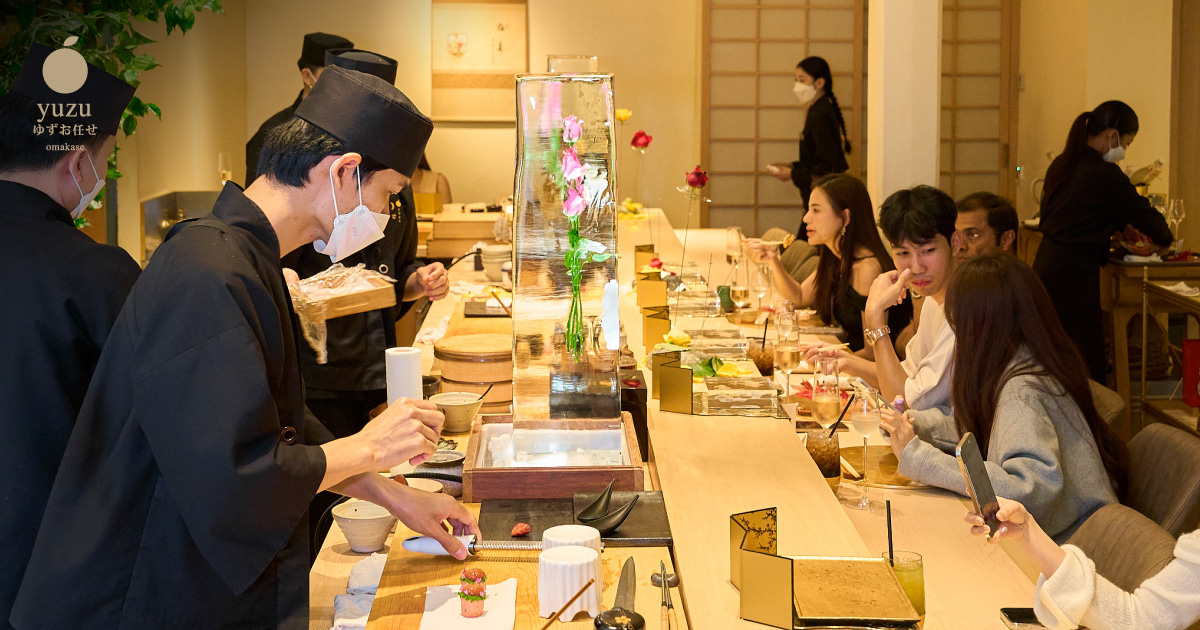
The Global Appeal of Chef-Curated Tasting Menus in Omakase Thailand
From New York to Tokyo, Paris to Bangkok—chef-curated tasting menus have become the global benchmark for refined dining. At the center of this culinary shift in Thailand is Yuzu Omakase, where omakase becomes an immersive expression of art, season, and culture.
The World ● 2025 Aug 5
-
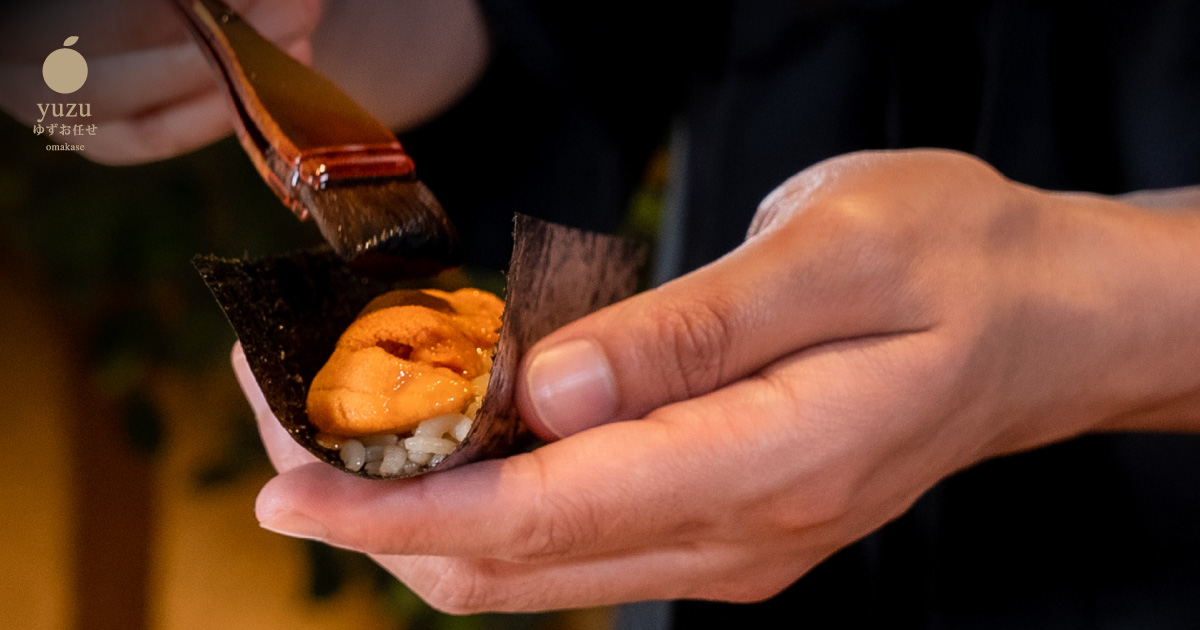
From Tokyo to Siam Square: A Legacy of Culinary Mastery in Japanese Restaurants
The soul of Tokyo’s revered sushi traditions now thrives in Bangkok’s dynamic heart. At Yuzu Omakase Thailand, ancient craft meets urban luxury—delivering a dining experience rooted in precision, purity, and the pursuit of culinary excellence.
The World ● 2025 Aug 4
-
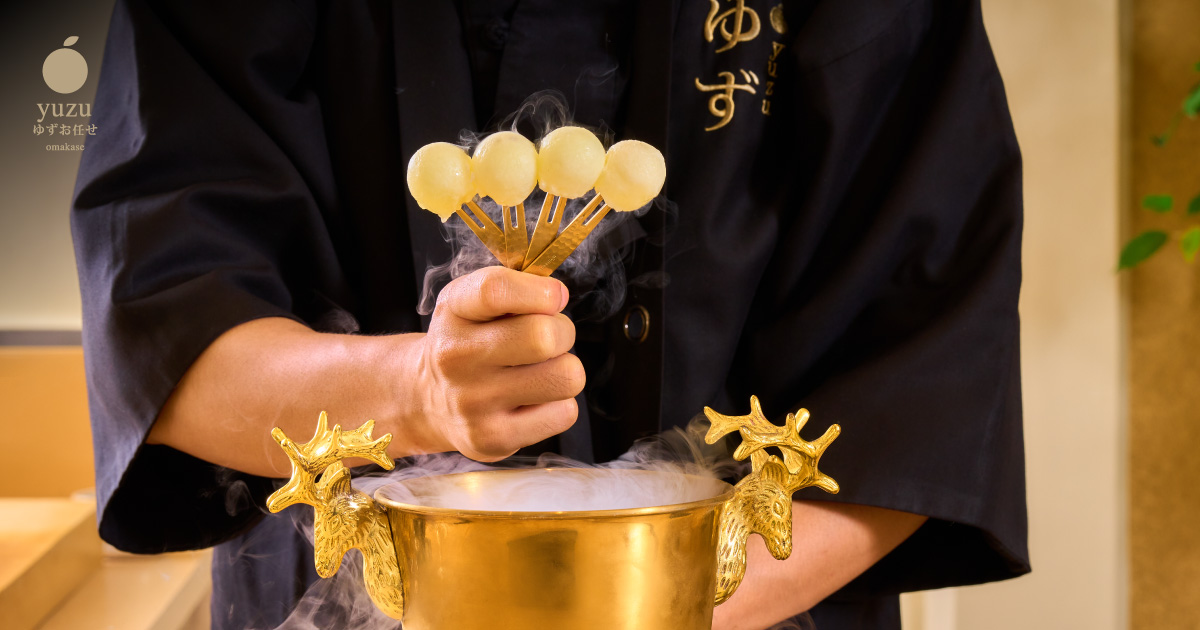
Why Premium Dining Is Now All About the Journey — Not Just the Meal
Today’s most memorable meals aren’t just about taste—they’re about transformation. At Yuzu Omakase Thailand, every detail is curated to move you, surprise you, and immerse you in a world where dinner becomes a journey.
The World ● 2025 Jul 19
-
Experiential Restaurants Around the World: Why Omakase Bangkok Is a Global Star
Across the globe, diners are seeking more than just good food. They crave connection. Story. Emotion. They want each course to be part of a journey—guided by the chef’s hand and shaped by the space, sounds, and sensations of the moment. In Tokyo, omakase counters have long offered this experience. In New York, tasting menus… Continue reading Experiential Restaurants Around the World: Why Omakase Bangkok Is a Global Star
The World ● 2025 Jul 19

