




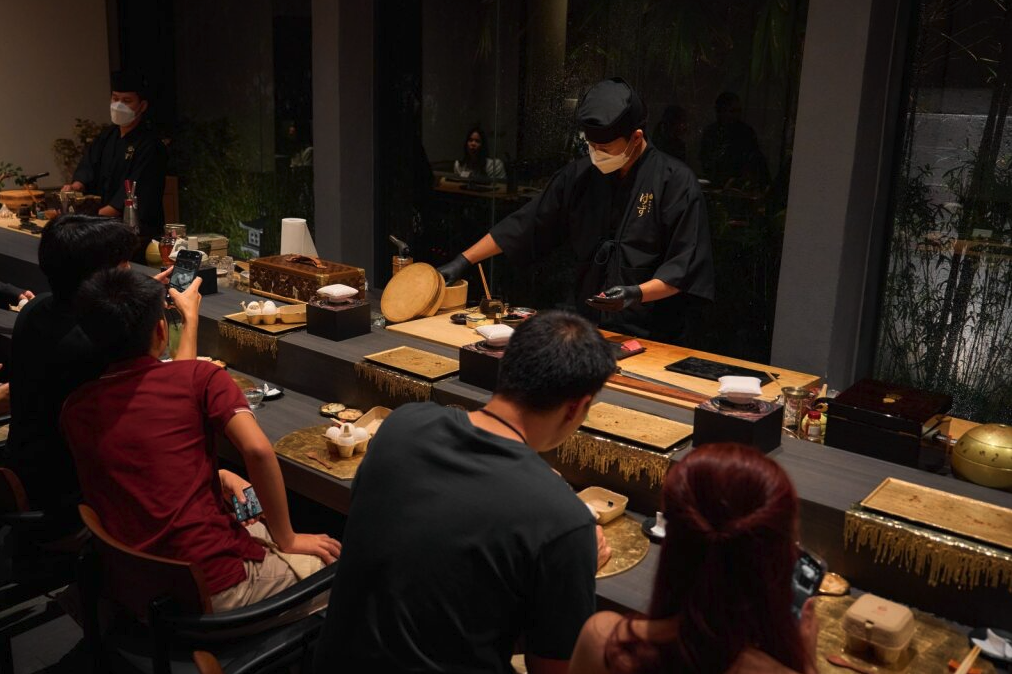
The Rise of Private Dining Omakase: Why Intimate Settings Matter
Private omakase is not an upgrade to the standard experience. It is the return to what omakase was always designed to be: one chef, one table, complete trust. The private dining room does not add something to the experience. It removes the one thing that was never supposed to be part of it in the… Continue reading The Rise of Private Dining Omakase: Why Intimate Settings Matter
Our Creations ● 2026 Mar 27
Private omakase is not an upgrade to the standard experience. It is the return to what omakase was always designed to be: one chef, one table, complete trust. The private dining room does not add something to the experience. It removes the one thing that was never supposed to be part of it in the first place.
WHAT OMAKASE WAS ALWAYS ABOUT
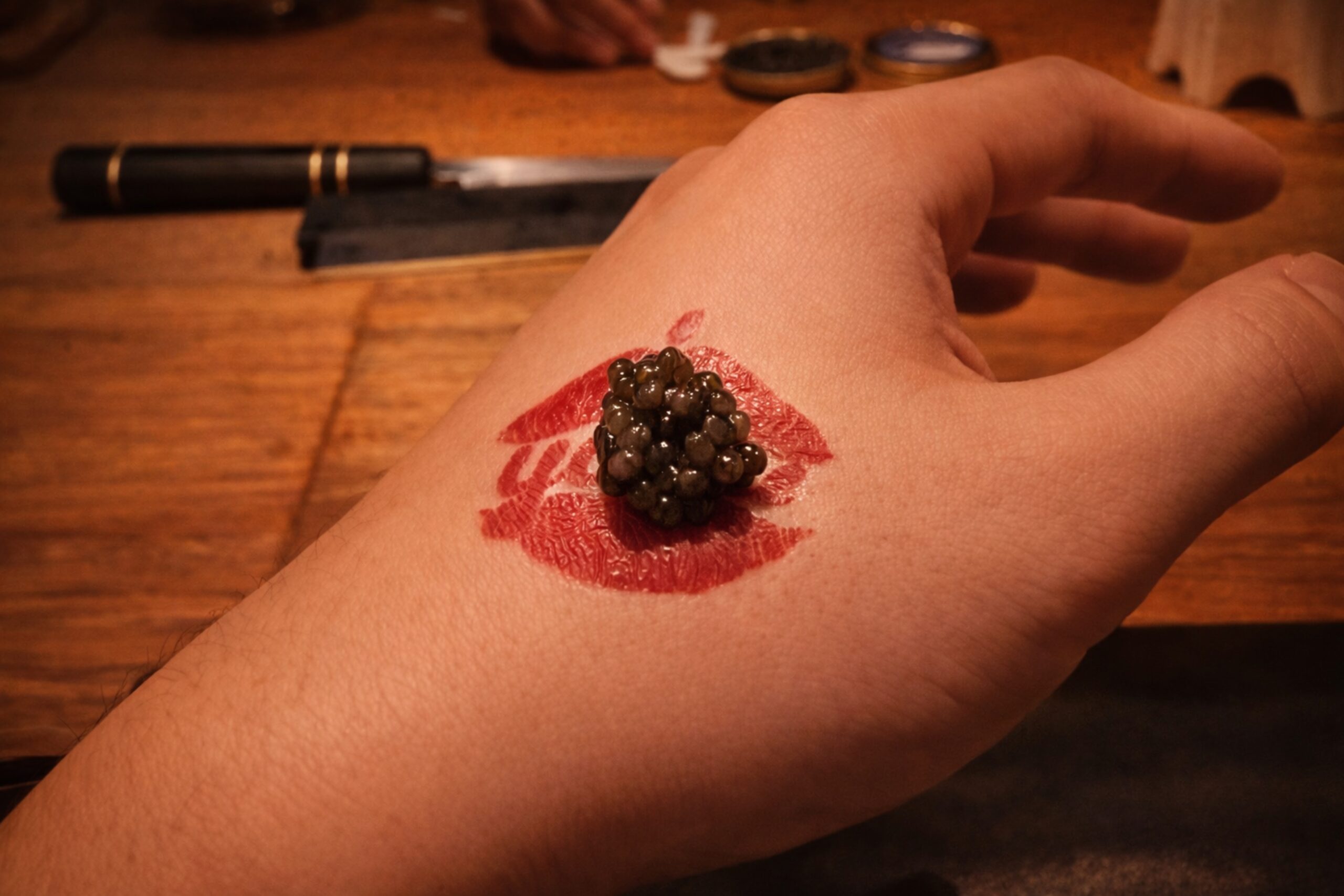
Before omakase became a global dining category, before it appeared on Michelin lists and travel itineraries, it existed as something far simpler and far more personal. A guest would sit down at a counter and say: I trust you. The chef would cook accordingly. There was no menu to negotiate, no course to skip, no preference to manage. Just two people and a shared understanding that the meal would be exactly what it needed to be.
That relationship, at its core, required one thing above all else: attention. The chef's full attention on the guest. The guest's full attention on the food. A current of focus running in both directions, uninterrupted.
This is what the private dining room restores.
In a shared space, that current is always being diverted. The couple at the next seat orders something different. A conversation rises and falls nearby. The chef glances down the counter. These are small things individually. Together, they shift the nature of the experience in ways that are difficult to name but easy to feel. Something is slightly diluted. The meal is excellent, but the connection that makes omakase what it is exists at a lower frequency.
The private room closes that distance.
WHY OMAKASE BELONGS BEHIND A CLOSED DOOR
The Original Relationship
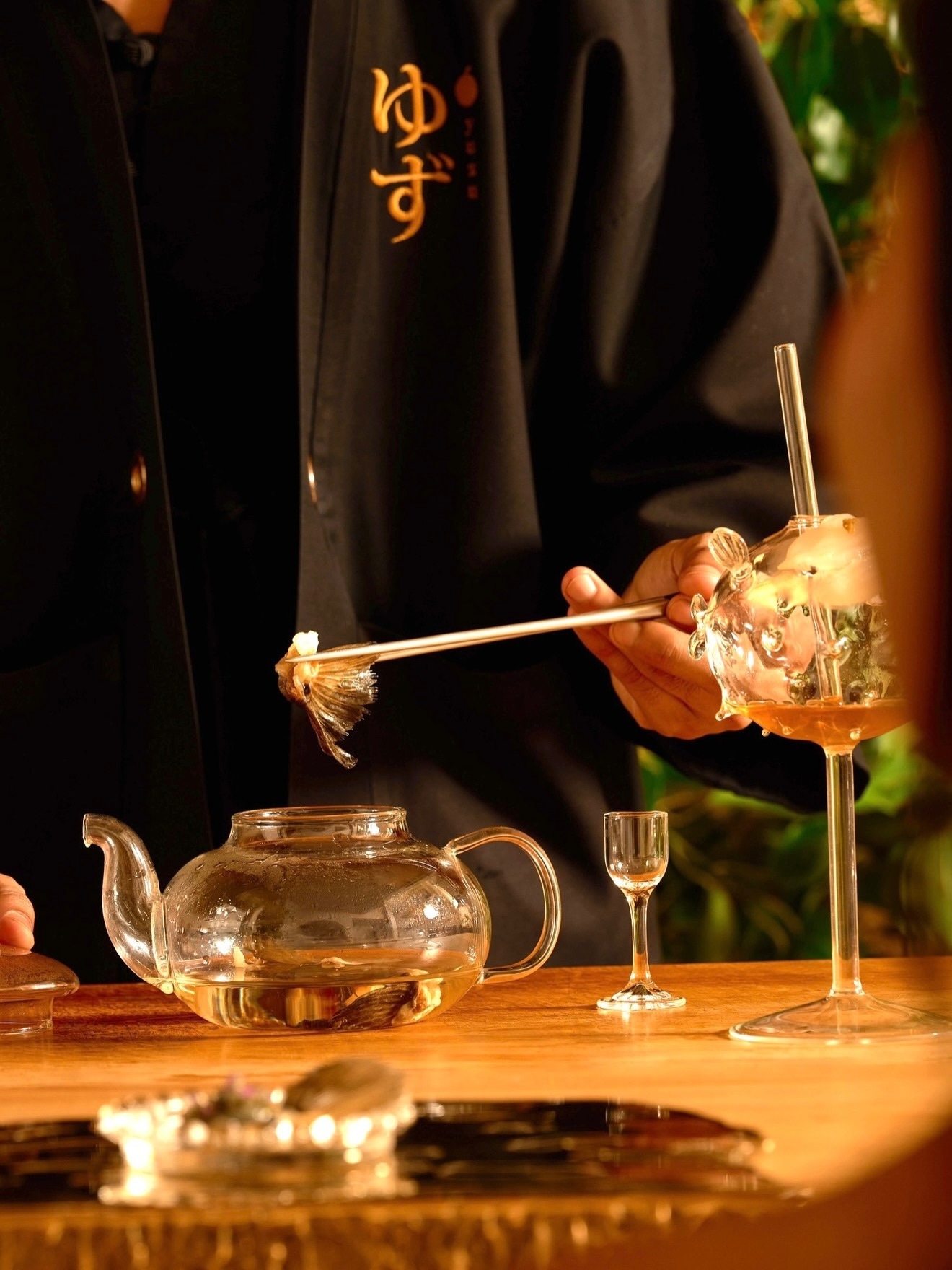
Omakase has always been about surrender, in the best sense of the word. The guest arrives without an agenda. The chef arrives with one. That dynamic is the entire architecture of the experience, and it functions best when nothing interrupts it.
A private space makes that surrender easier. When a guest is alone with the chef and their table, there is nothing to compare the experience against, nothing to be distracted by, no ambient noise from another diner's conversation to pull the mind away from what is happening in front of them. The guest simply arrives, and then is present. Fully, without effort.
This is not a small shift. Presence changes how food is experienced at a physiological level. It changes the pace at which flavours register, the depth at which textures are noticed, and the degree to which the chef's intentions in each course are actually received. The private room does not improve the food. It improves the guest's capacity to experience it.
Privacy Changes What the Guest Allows
In a shared dining room, even an intimate one, guests perform to some degree. They are aware of being seen. They moderate their reactions, their questions, their pace. This is human and natural, but it creates a subtle distance between the guest and the experience.
In a private space, that distance collapses. Guests ask questions they would not ask at a shared counter. They express surprise or delight without self-consciousness. They slow down in a way that is almost involuntary. And in slowing down, they receive more of what the chef is offering.
The best omakase chefs notice this immediately. The energy in the room changes. The conversation becomes more direct, more curious, more genuine. The meal stops being a performance in any direction and becomes something more like an exchange. That shift is felt in every course that follows.
The Chef Works at a Different Level
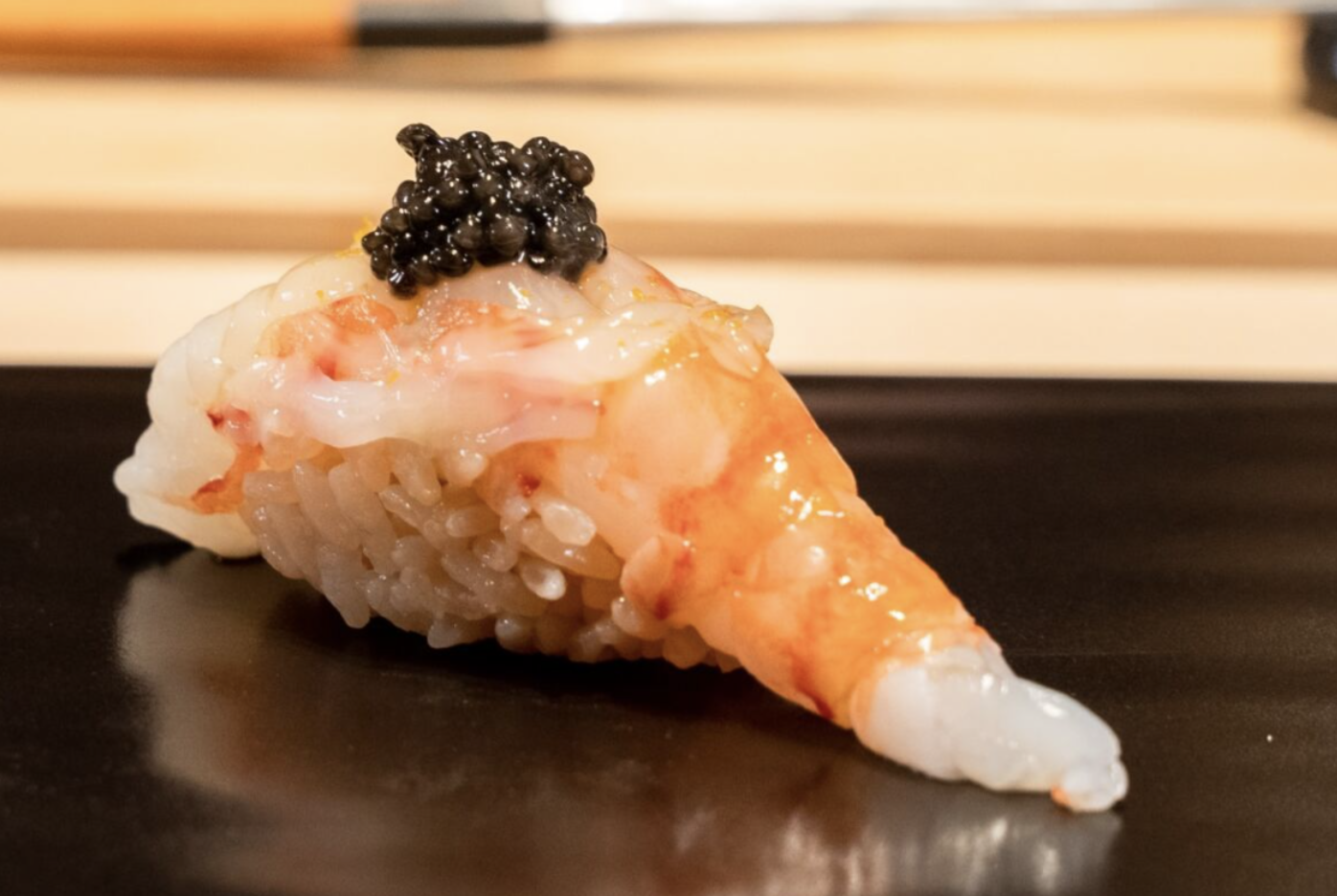
At a shared counter, a chef manages several guests simultaneously. They track pacing across multiple seats, read different moods and appetites, and calibrate presentation for guests at different points in the meal. This is skilled work. It is also a divided form of attention.
In a private session, the focus is total. There is one table. One pace. One conversation. The chef can time each piece to the moment rather than the average. They can read the guest's response to the previous course before deciding how to approach the next. They can explain, or stay silent, based on what the room actually needs rather than what is appropriate for a general audience.
What emerges from this is not simply a more relaxed version of omakase. It is a more precise one. The meal becomes a direct expression of the relationship between this chef and this guest on this evening. That specificity is what private omakase, done correctly, offers.
THE PRIVATE SPACE AT YUZU OMAKASE
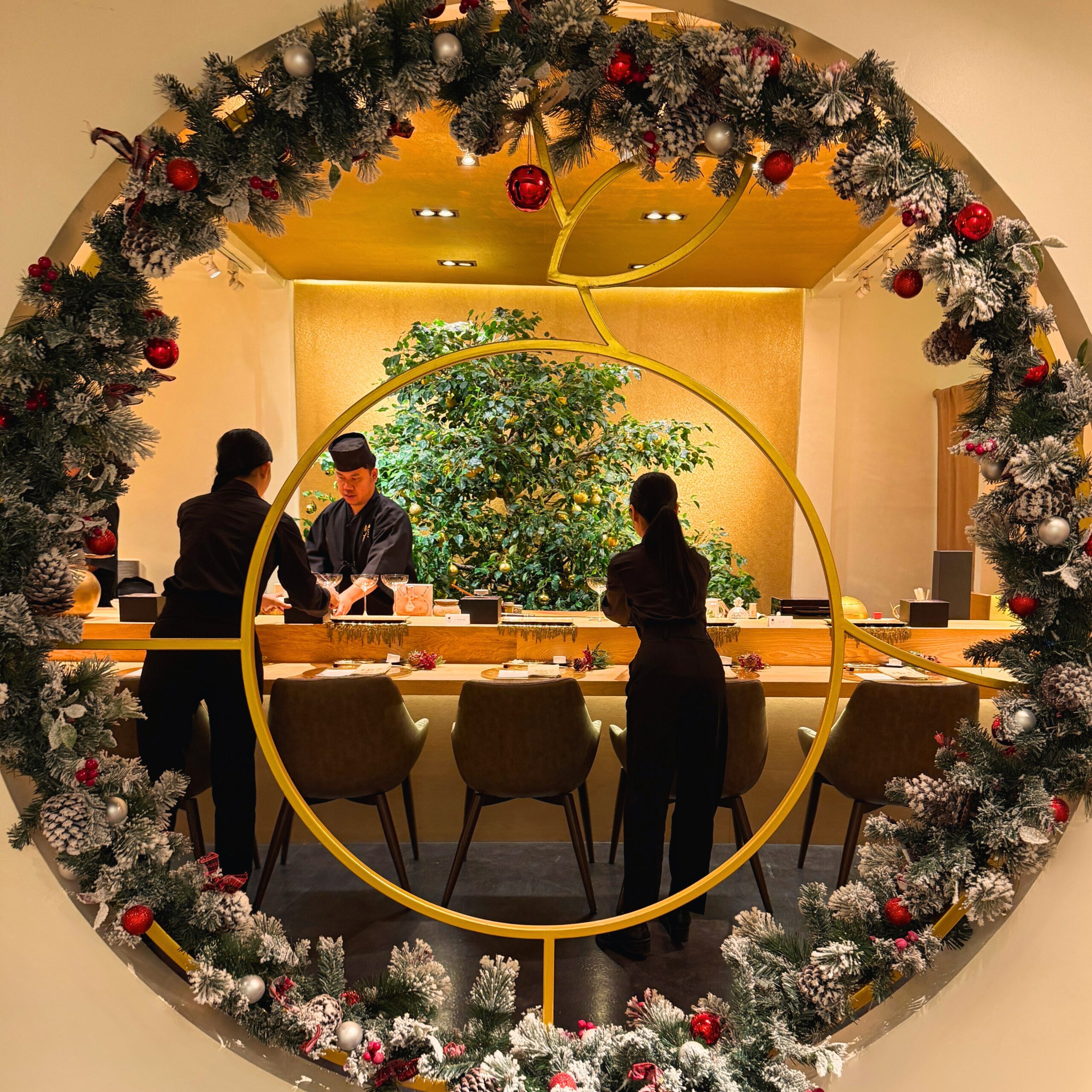
At Yuzu Omakase in Siam Square, the private dining room was not designed as a corporate option or a special occasion add-on. It was designed as a place where the philosophy of the counter could be realised without compromise.
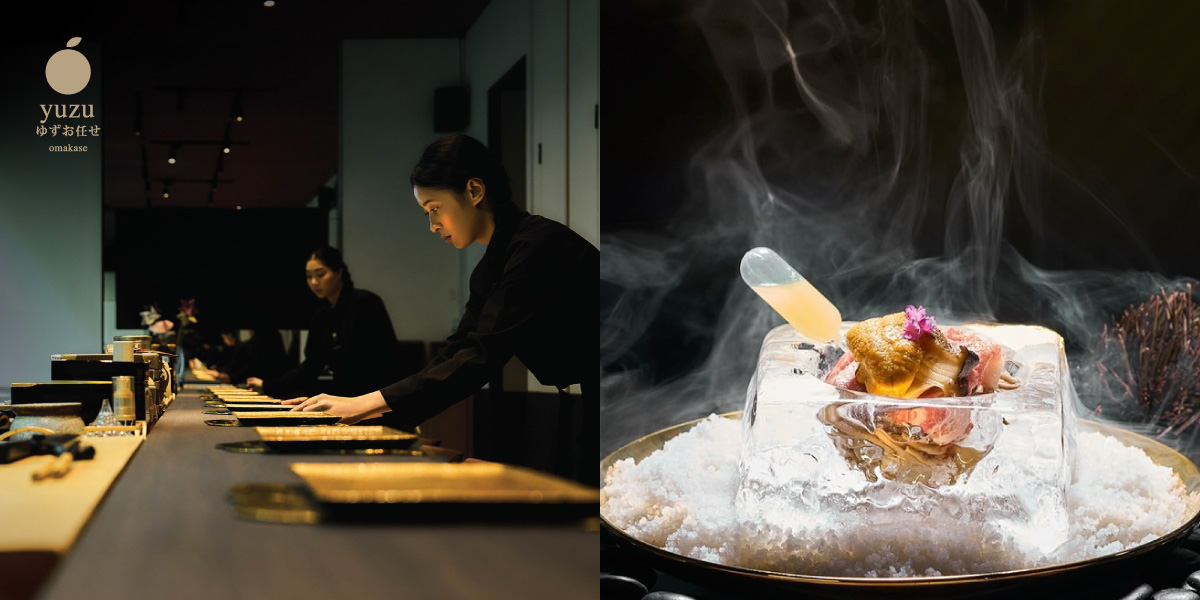
The room is quiet. Not the managed quiet of acoustic panels and ambient music, but the genuine quiet of a space that was built around stillness. The design follows the same Zen principles as the rest of the restaurant: clean lines, warm materials, nothing present that does not belong. When you step into the room, the city outside becomes irrelevant.
The counter faces the chef directly. The session is led entirely by Yuzu's kitchen, with the same Edomae rigour, the same sourcing standards, and the same attention to shari and neta that defines every experience at the restaurant. But the configuration of the space changes the register of everything that follows. The chef is not shared. The counter belongs only to this table.
Guests who have experienced Yuzu at the main counter and then returned for a private session often describe the private room as a different category of experience. Not better in the way that a more expensive item is better, but different in the way that a conversation is different from a speech. The same words, the same craft, but directed entirely at you.
Yuzu's private room is used for dinners that matter. Celebrations, significant meetings, occasions when the experience itself is the message. But it is also used simply by guests who have discovered that private omakase is how they prefer to eat. Not because of the exclusivity, but because of the attention.
What is the difference between the main counter and the private room at Yuzu?
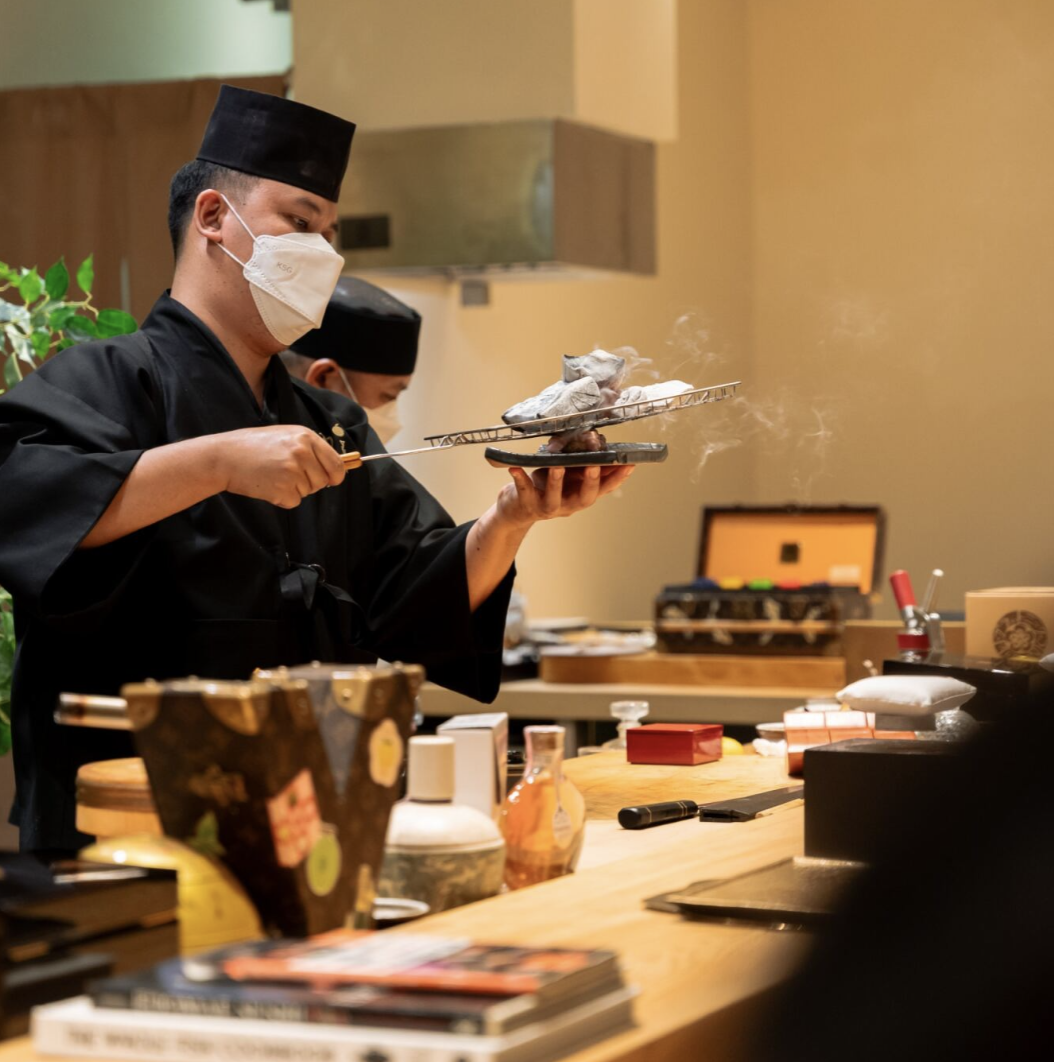
The menu and the standard of craft are consistent across both. The difference is in the configuration and the quality of focus it produces. At the private counter, the chef's attention is undivided. The pace of the meal is set entirely by your table. The conversation, if there is one, goes deeper. For guests who want omakase in its most complete form, the private room is where that becomes possible.
Is private omakase better suited to certain occasions?
It suits any occasion where the meal itself should be the entire experience. Celebrations, meaningful conversations, or simply an evening where distraction is unwelcome. The private room does not require a reason. It requires only the decision to be fully present.
How does privacy affect the chef's approach?
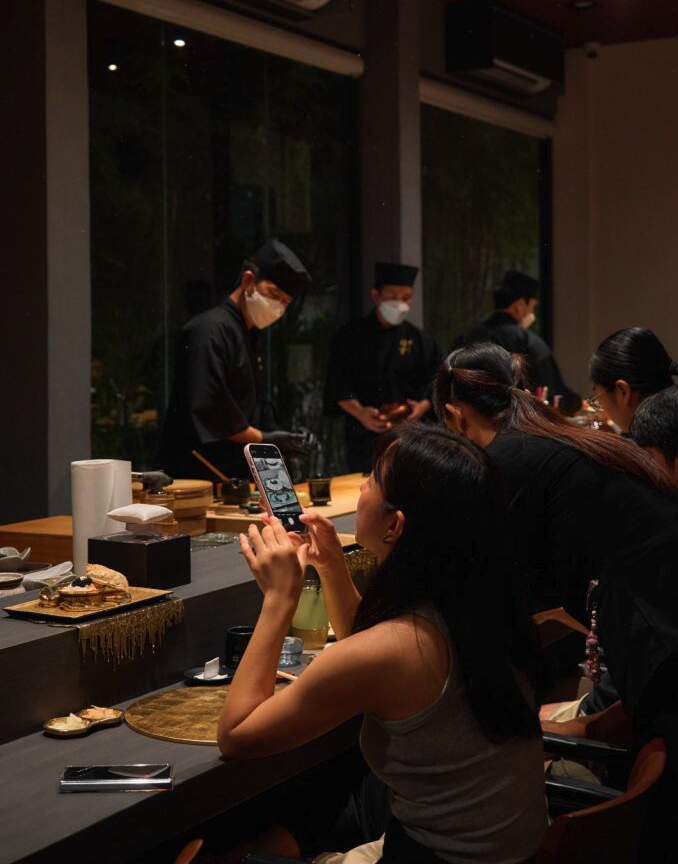
Significantly. A private session allows the chef to calibrate every course to a single table in real time, responding to pace, preference, and atmosphere in a way that is not possible when attention is divided across a shared counter. The result is a meal that feels more specifically made, because it is.
Is private omakase appropriate for guests new to the format?
It is arguably the best introduction. New guests often have questions, moments of uncertainty about pace or etiquette, and a natural hesitation about the unfamiliar. The private room removes the social pressure of navigating all of this in a shared space. The chef can guide at whatever pace is needed. The guest can ask anything. There is no audience.
The private dining room at an omakase restaurant is not a sign of excess. It is a sign of commitment to the form.
Omakase began as an act of complete trust between one chef and one guest. Everything that has happened since, the shared counters, the Michelin attention, the global dining culture that has grown around the format, has been extraordinary. But it has also moved the experience some distance from its origin.
The private room is where that distance closes.
At Yuzuomakase, it is where omakase becomes exactly what it was always meant to be.
RELATE
-
First Time Omakase: The Guide for Beginners
Omakase (お任せ) means “I leave it up to you” in Japanese. It is a chef-curated dining experience where the sushi master selects and serves seasonal dishes based on the freshest ingredients available that day. What First-Timers Need to Know: What Is Omakase and Why Is It Different? Unlike ordering from a menu, omakase dining places… Continue reading First Time Omakase: The Guide for Beginners
Our Creations ● 2026 Jan 28
-
Best Omakase in Bangkok for Date Night: Why Yuzu Omakase?
Yuzu Omakase offers an enchanting setting for a romantic evening with its intimate atmosphere, exquisite cuisine, and impeccable service Yuzu Omakase in Bangkok’s Siam Square. The restaurant combines minimalist Japanese elegance with personalized chef experiences, creating the perfect backdrop for special moments. Key Highlights for Romantic Dining What Makes Omakase Perfect for Date Night? Omakase… Continue reading Best Omakase in Bangkok for Date Night: Why Yuzu Omakase?
Our Creations ● 2025 Dec 4
-
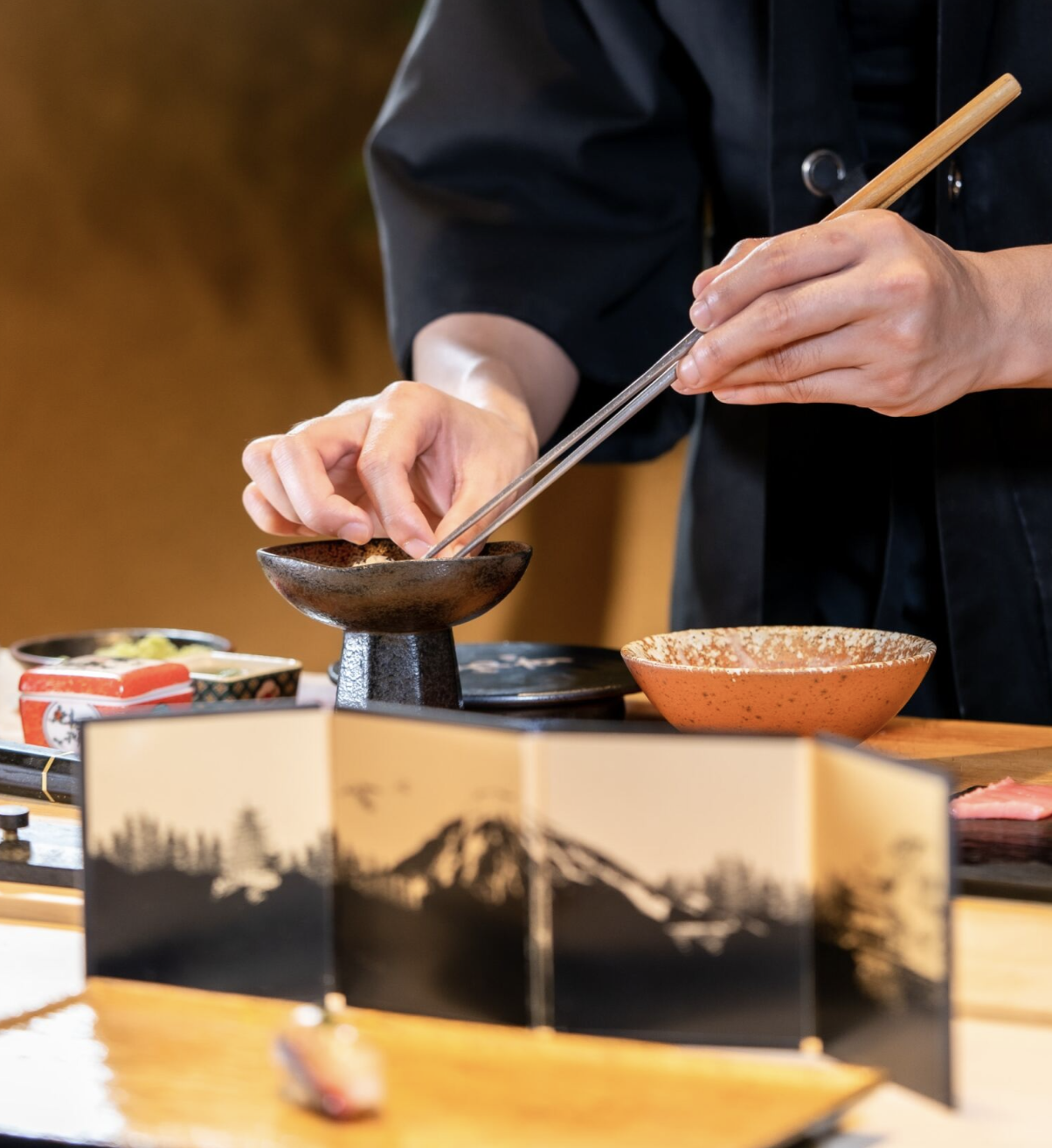
High-End Omakase Experience
Have you ever wondered what it feels like to surrender complete control of your dining experience to a master chef? Welcome to the world of high-end omakase, where culinary artistry meets personalized service in an unforgettable gastronomic journey. This isn’t just dinner – it’s a front-row seat to culinary theater at its finest. The high-end… Continue reading High-End Omakase Experience
Our Creations ● 2025 Oct 11
-
Beyond Sushi: Seasonal Ingredients You’ll Find in Bangkok’s Omakase
Bangkok’s culinary landscape has evolved dramatically over the past decade, and nowhere is this more evident than in the city’s flourishing omakase scene. While many diners associate Japanese cuisine with simple sushi rolls, Bangkok’s high-end omakase restaurants offer something far more sophisticated: a curated journey through seasonal ingredients that showcase the chef’s artistry and the… Continue reading Beyond Sushi: Seasonal Ingredients You’ll Find in Bangkok’s Omakase
Our Creations ● 2025 Oct 10

