




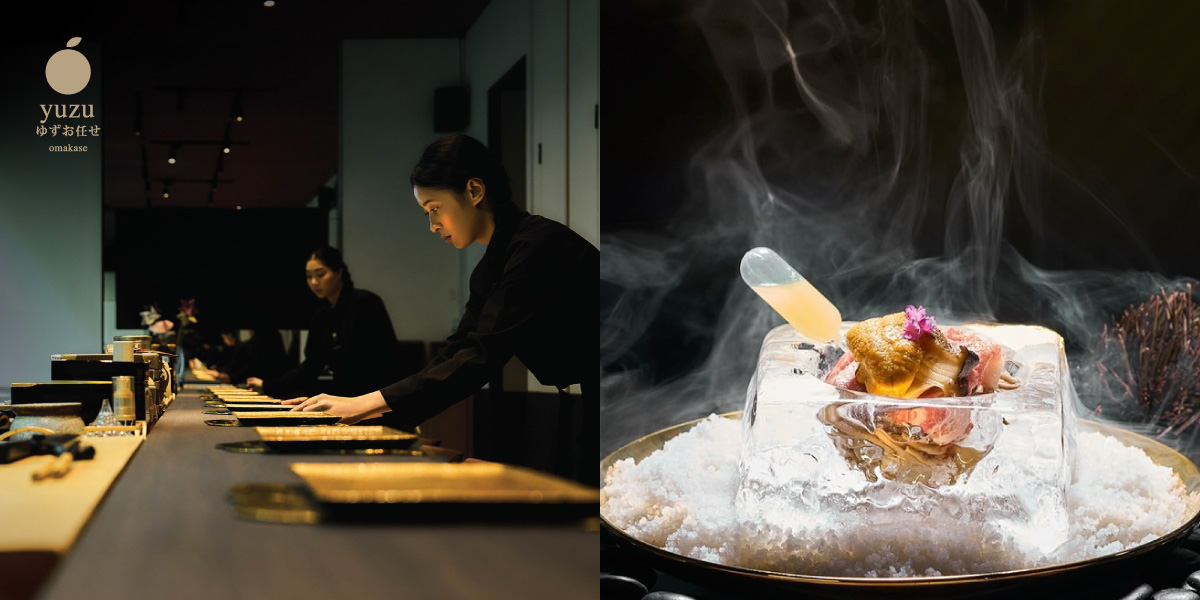
Beyond Sushi: Seasonal Ingredients You’ll Find in Bangkok’s Omakase
Bangkok’s culinary landscape has evolved dramatically over the past decade, and nowhere is this more evident than in the city’s flourishing omakase scene. While many diners associate Japanese cuisine with simple sushi rolls, Bangkok’s high-end omakase restaurants offer something far more sophisticated: a curated journey through seasonal ingredients that showcase the chef’s artistry and the… Continue reading Beyond Sushi: Seasonal Ingredients You’ll Find in Bangkok’s Omakase
Our Creations ● 2025 Oct 10
Bangkok's culinary landscape has evolved dramatically over the past decade, and nowhere is this more evident than in the city's flourishing omakase scene. While many diners associate Japanese cuisine with simple sushi rolls, Bangkok's high-end omakase restaurants offer something far more sophisticated: a curated journey through seasonal ingredients that showcase the chef's artistry and the ocean's finest treasures.
Understanding Bangkok's Omakase Revolution
What Makes Bangkok's Omakase Scene Unique?
Bangkok has become an unexpected haven for authentic Japanese omakase experiences. The city's strategic location as a culinary crossroads, combined with its affluent dining scene, has attracted world-class Japanese chefs who bring their expertise to Thai soil. These establishments don't just serve sushi—they create edible art using the finest seasonal ingredients available.
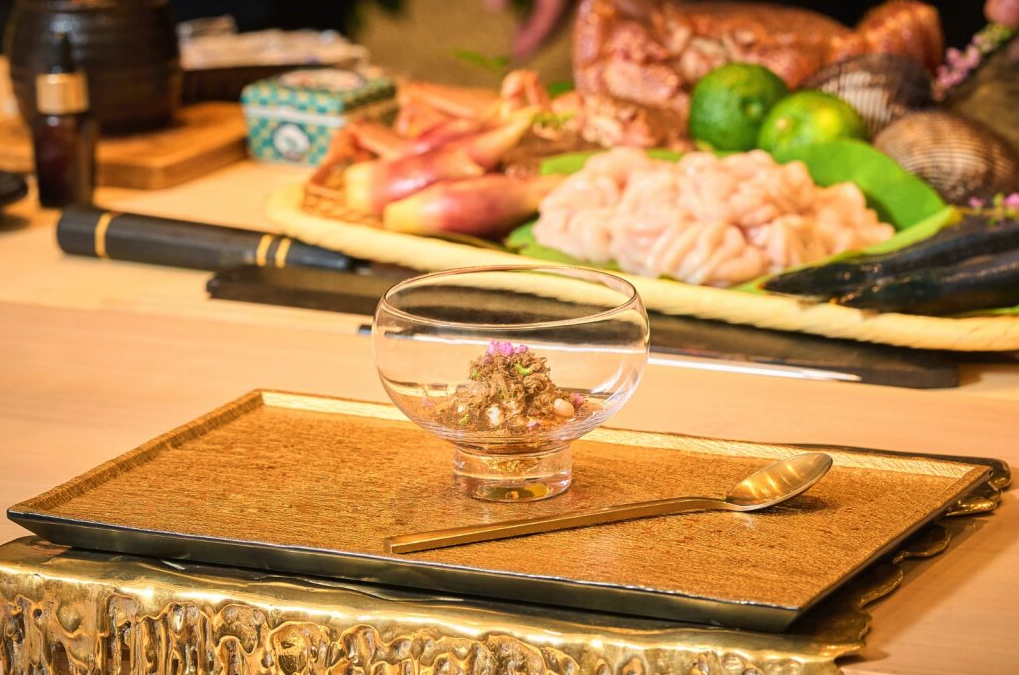
The word "omakase" literally means "I'll leave it up to you" in Japanese, and this philosophy permeates every aspect of the dining experience. When you sit at an omakase counter in Bangkok, you're not just ordering a meal; you're entrusting the chef to guide you through a carefully orchestrated symphony of flavors, textures, and seasonal ingredients.
The Philosophy Behind Omakase Dining
Omakase represents the pinnacle of trust between chef and diner. In Bangkok's top establishments, this relationship takes on an even more special meaning. Chefs must balance traditional Japanese techniques with the local palate and climate considerations, creating unique interpretations that honor both cultures.
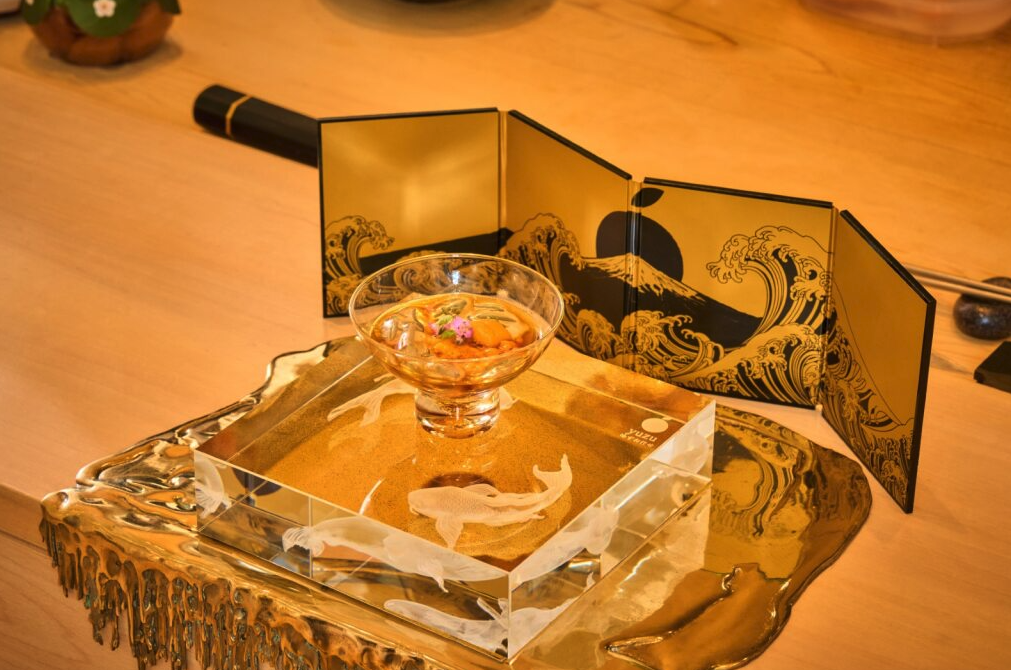
The seasonal aspect is crucial here. Unlike Western cuisine, which often focuses on year-round availability, omakase celebrates the natural rhythms of the ocean and seasons. This means that your experience in Bangkok's omakase restaurants will vary dramatically depending on when you visit.
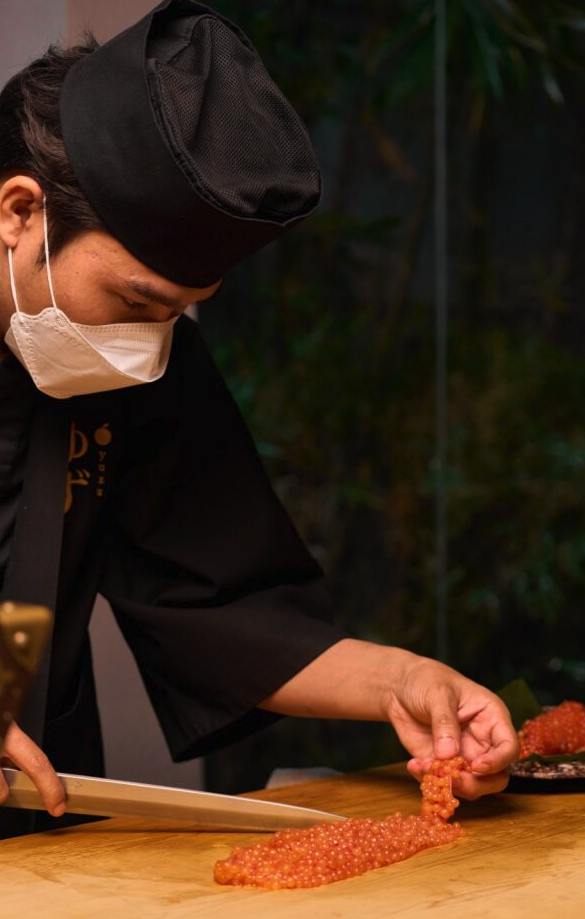
The Art of Seasonal Ingredient Selection
Why Seasonality Matters in Omakase
Seasonality isn't just a trendy concept in omakase—it's fundamental to the experience. The ocean's bounty changes throughout the year, with different species reaching peak quality at specific times. Bangkok's omakase chefs have mastered the art of timing, ensuring that each ingredient appears on their menu when it's at its absolute best.
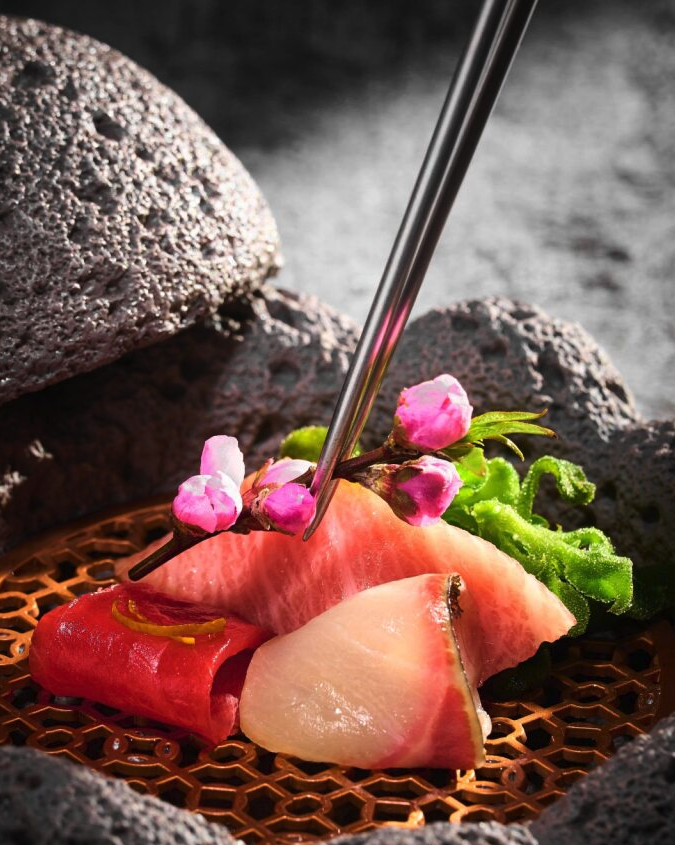
This seasonal approach means that no two omakase experiences are identical. The chef's selection depends on what's available from trusted suppliers, what's in season, and what will create the most harmonious progression of flavors throughout the meal.
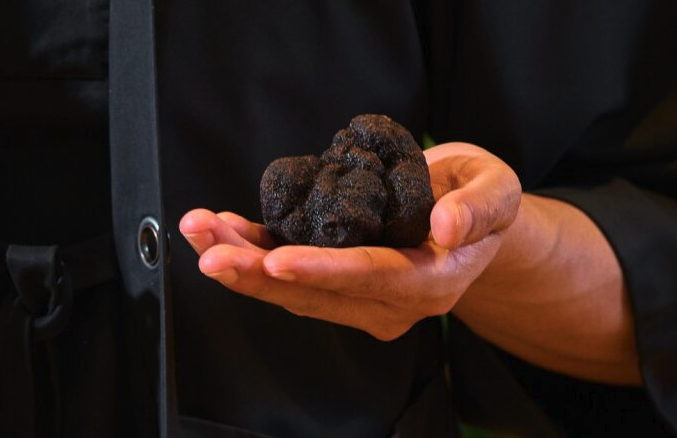
How Bangkok Chefs Source Premium Ingredients
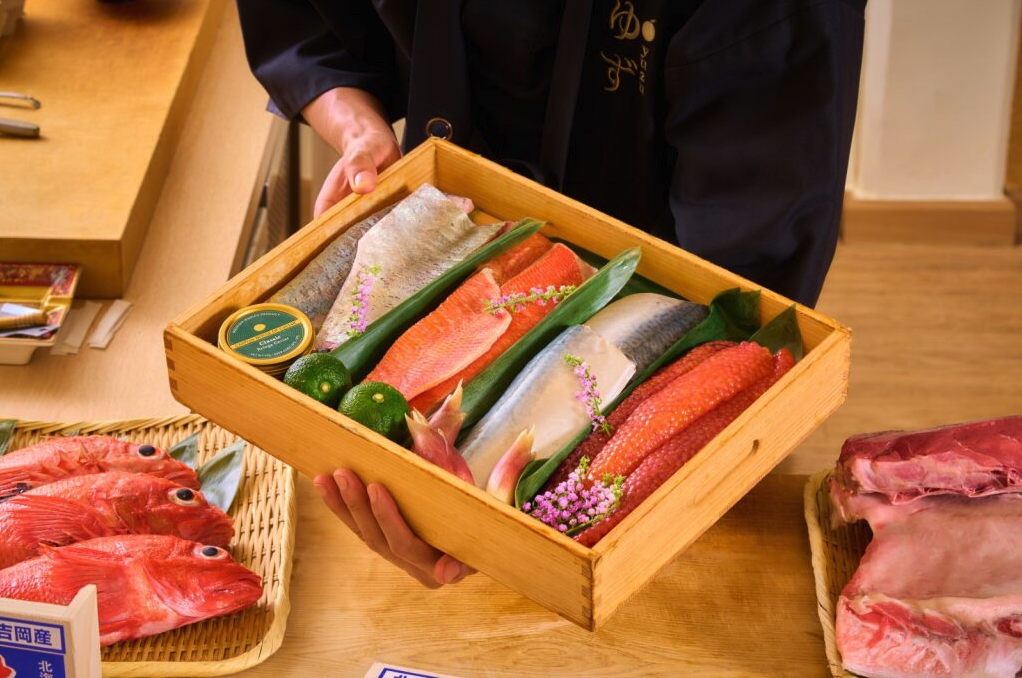
Bangkok's omakase restaurants maintain relationships with suppliers across Japan, sourcing ingredients directly from renowned markets like Tsukiji and Toyosu. Some establishments even fly in ingredients daily, ensuring that diners experience the same quality they would find in Tokyo's most prestigious restaurants.
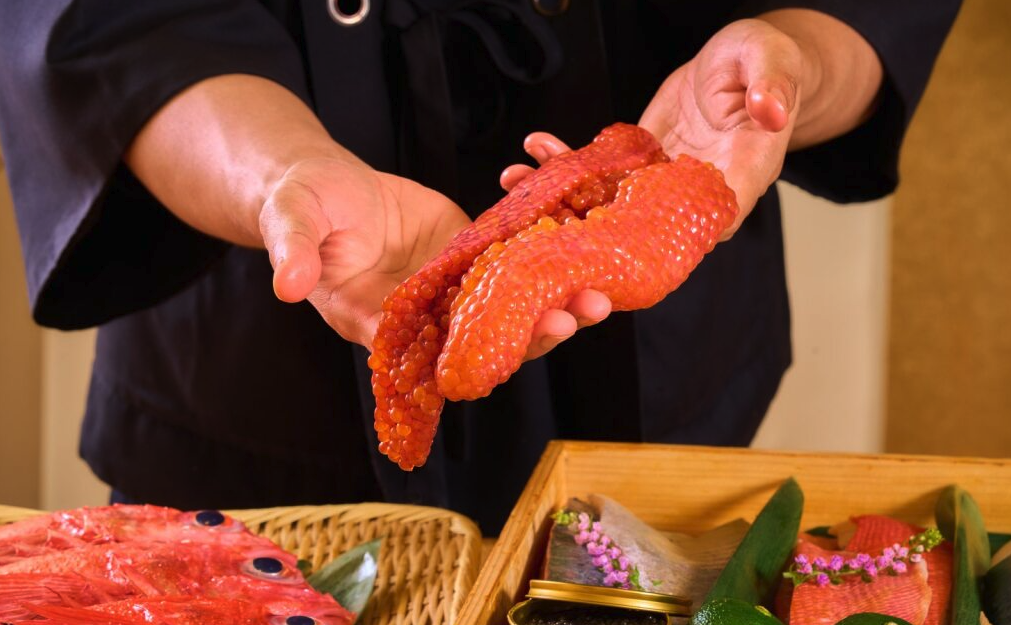
The logistics of maintaining this supply chain in Bangkok's tropical climate presents unique challenges. Restaurants invest heavily in specialized storage and transportation to preserve the integrity of these precious ingredients from ocean to plate.
Premium Seafood Treasures in Bangkok's Omakase
Anago: The Delicate Sea Eel
Anago, or sea eel, represents one of the most technically challenging ingredients in the omakase repertoire. This delicate fish requires precise preparation and timing to achieve the perfect balance of tenderness and flavor. In Bangkok's omakase restaurants, anago typically appears during the warmer months when the eels are at their plumpest.
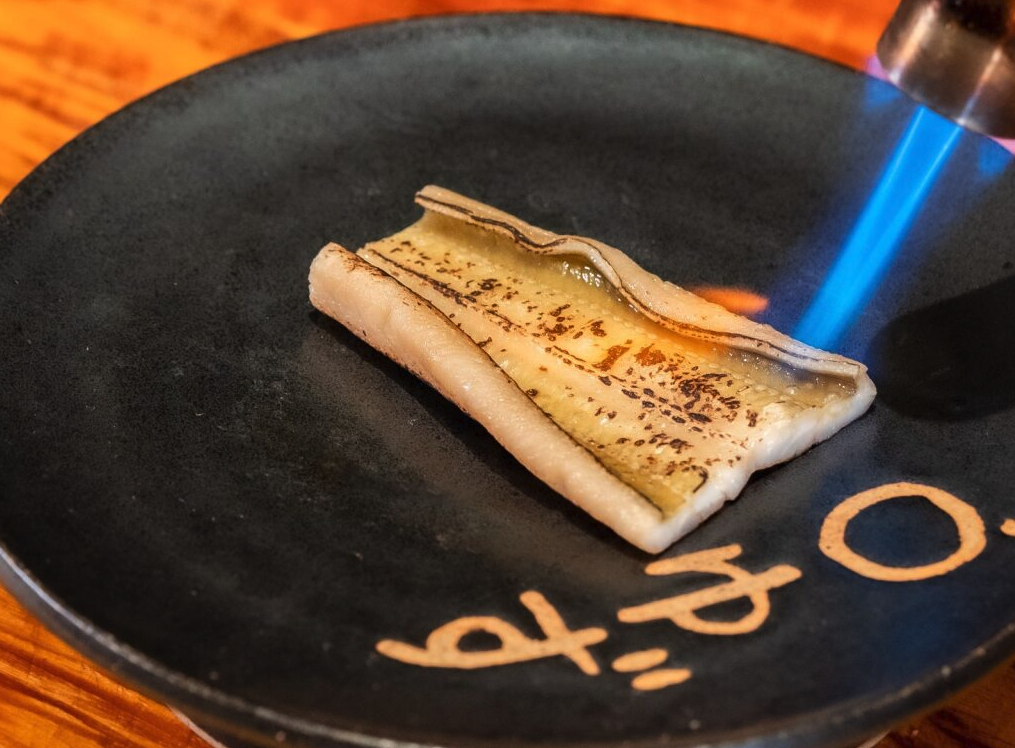
The preparation of anago is almost ritualistic. Chefs slowly simmer the eel in a sweet soy-based sauce, creating a glossy, caramelized exterior while maintaining the tender, flaky interior. The result is a piece that melts on your tongue, delivering umami-rich flavors that perfectly complement seasoned sushi rice.
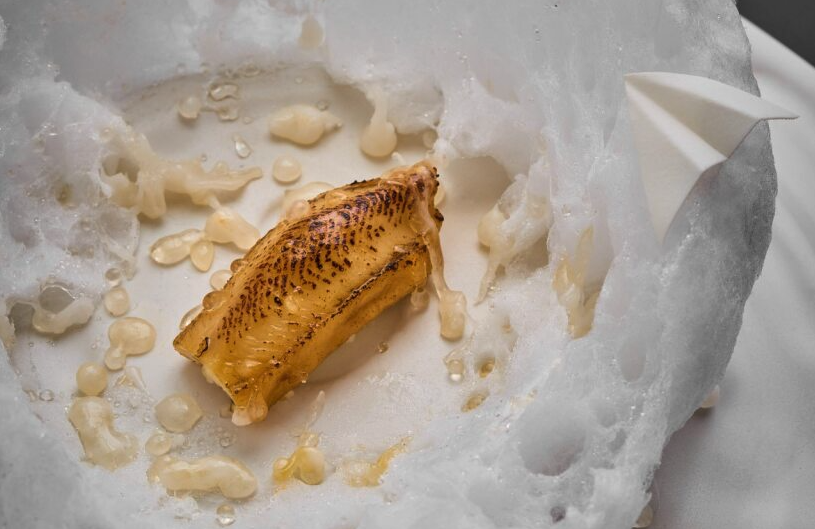
What makes anago special in Bangkok's context is how chefs adapt the traditional preparation to local tastes. Some establishments incorporate subtle Thai elements, such as a hint of palm sugar in the glaze, creating a bridge between Japanese technique and Thai flavors.
Akami: The Heart of Tuna
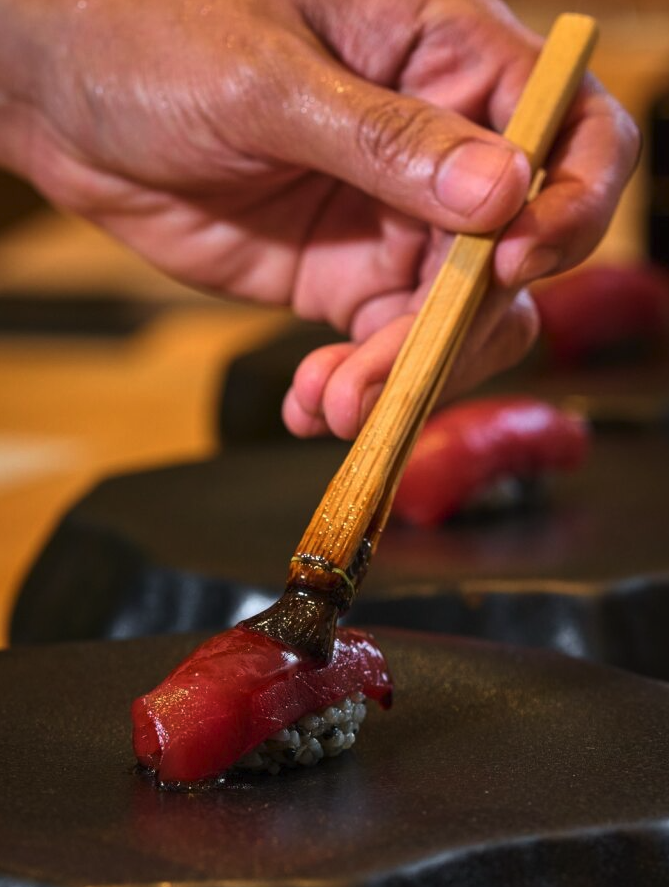
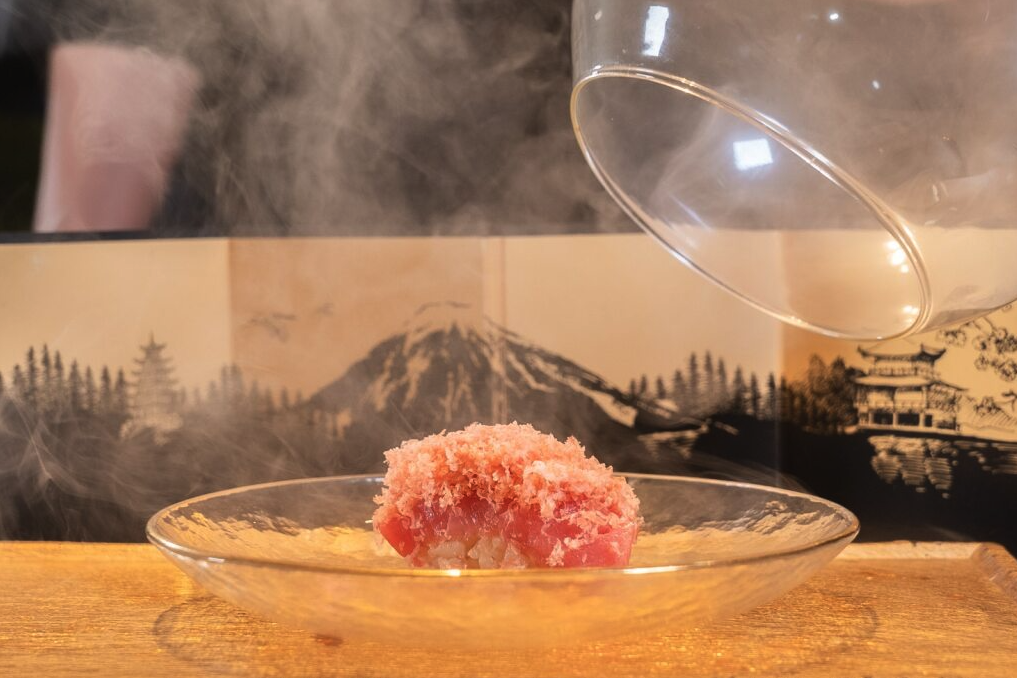
Akami refers to the lean, deep red meat from the sides and back of the tuna, and it's considered the purest expression of tuna flavor. In Bangkok's omakase scene, akami quality varies dramatically with the seasons, with winter months typically offering the most prized specimens.
The beauty of akami lies in its clean, meaty flavor and firm texture. Unlike the fatty toro cuts, akami allows diners to experience the essential character of the tuna without distraction. Bangkok's omakase chefs often present akami early in the meal to establish a flavor baseline before introducing more complex preparations.
The sourcing of quality akami presents unique challenges in Bangkok's climate. Restaurants must maintain strict temperature controls throughout the supply chain, from Tokyo markets to Bangkok dining rooms. This attention to detail ensures that each piece retains the bright red color and clean flavor that defines excellent akami.
Taraba: King Crab Luxury
Taraba, or king crab, represents luxury in its purest form. These massive crustaceans from cold northern waters are prized for their sweet, succulent meat and impressive size. In Bangkok's omakase restaurants, taraba typically appears during winter months when the crabs are at their peak quality.
The presentation of taraba in omakase is often dramatic. Chefs may present whole crab legs, carefully extracted meat, or delicate preparations that highlight the natural sweetness of the crab. The key is minimal intervention—letting the ingredient's natural qualities shine through.
Bangkok's chefs have developed innovative presentations for taraba that respect Japanese traditions while acknowledging local preferences. Some establishments lightly char the crab meat, adding a subtle smoky element that complements the natural sweetness.
Maguro: The Tuna Spectrum
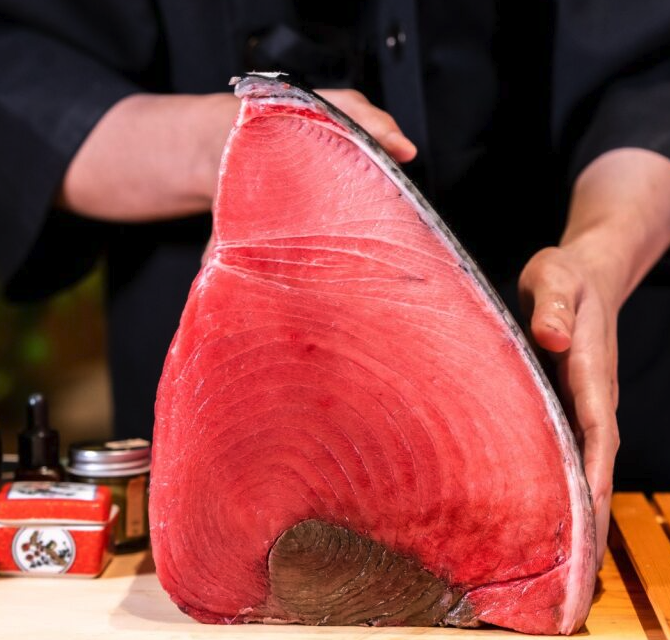
Maguro encompasses the entire tuna, but in omakase contexts, it often refers to the various cuts and preparations that showcase different parts of this magnificent fish. Bangkok's top omakase restaurants present maguro in multiple forms throughout a meal, creating a progression that explores the fish's complete flavor profile.
The journey through maguro might begin with lean akami, progress through medium-fatty chu-toro, and culminate with the incredibly rich o-toro. Each cut requires different handling techniques and serves a specific purpose in the meal's flow. Bangkok's chefs have mastered these nuances, creating presentations that honor Japanese traditions while satisfying local palates.
Seasonality plays a crucial role in maguro quality. Winter tunas, with their higher fat content developed for colder waters, are particularly prized. Bangkok's omakase restaurants time their maguro presentations to coincide with these seasonal peaks, ensuring optimal flavor and texture.
Hotate: Scallop Perfection
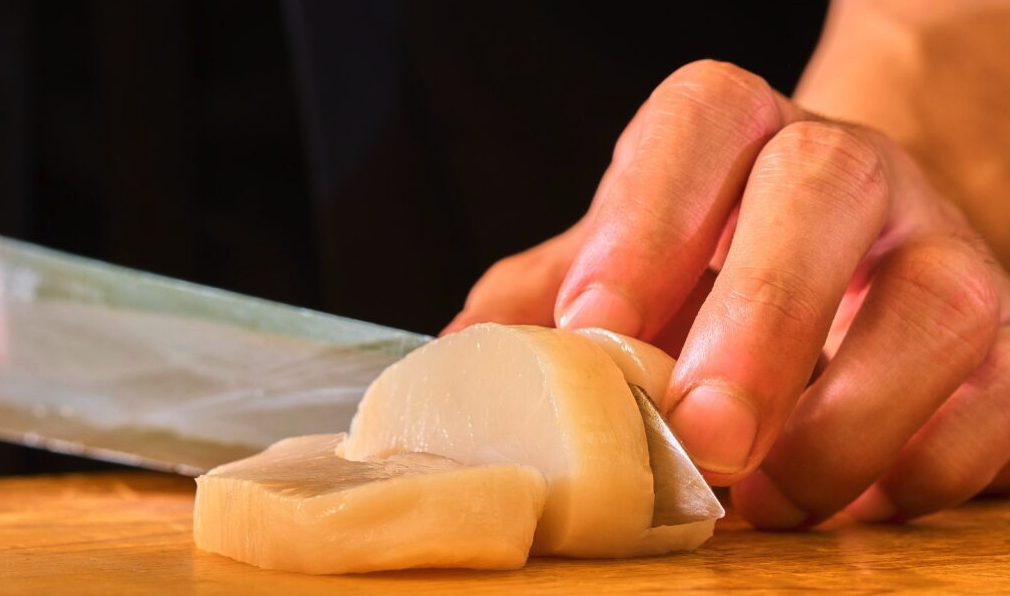
Hotate, or scallops, bring a sweet, delicate flavor and tender texture to the omakase experience. These bivalves are particularly prized during cooler months when they develop peak sweetness and firm texture. Bangkok's omakase chefs present hotate in various forms, from raw preparations that highlight natural sweetness to lightly cooked versions that add textural contrast.
The preparation of hotate requires precise timing and technique. The natural sweetness can be easily overwhelmed by heavy-handed seasoning or overcooking. Bangkok's skilled chefs understand these subtleties, often presenting hotate with minimal intervention to let the ingredient speak for itself.
Sourcing quality hotate in Bangkok requires careful supplier relationships and strict handling protocols. The best specimens come from cold Japanese waters, and maintaining their quality during transport to Bangkok's tropical climate demands expertise and investment in proper refrigeration systems.
Uni: Sea Urchin Delicacy
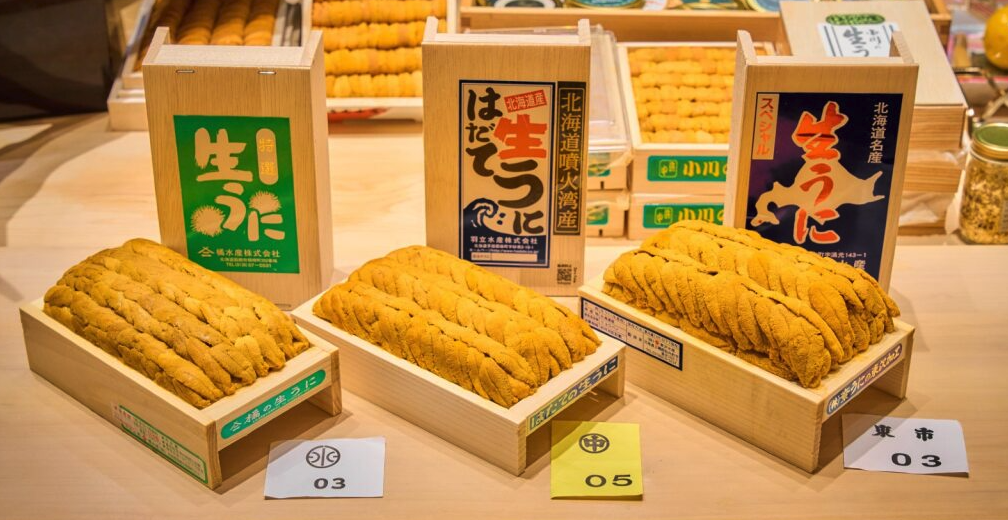
Uni, the reproductive organs of sea urchins, represents one of the most polarizing yet prized ingredients in omakase dining. Its creamy texture and briny, oceanic flavor create an unmistakable taste experience that defines luxury sushi. In Bangkok's omakase restaurants, uni quality and availability fluctuate dramatically with seasons and sourcing regions.
The best uni exhibits a bright orange or yellow color, creamy texture, and clean ocean flavor without any bitter aftertaste. Bangkok's omakase chefs source uni from various Japanese regions, each offering distinct characteristics. Hokkaido uni, prized for its sweet, rich flavor, often appears in premium Bangkok establishments during peak seasons.
Presenting uni requires immediate service after preparation. The delicate texture and flavor deteriorate quickly, making timing crucial in the omakase flow. Bangkok's chefs have mastered this timing, ensuring that uni appears at the perfect moment in the meal progression.
Kani Miso: Crab Brain Essence
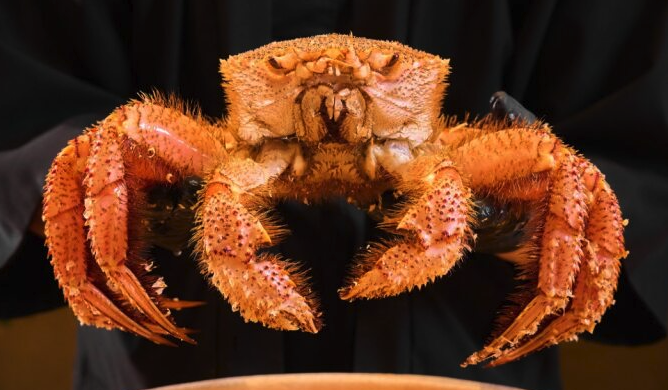
Kani miso, literally "crab brain," refers to the hepatopancreas of the crab—the organ that functions as both liver and pancreas. This ingredient represents the ultimate in acquired tastes, offering an intensely concentrated crab flavor that's both creamy and briny. Bangkok's omakase restaurants typically reserve kani miso for the most adventurous diners and peak seasonal periods.
The preparation and presentation of kani miso require exceptional skill. The ingredient's intense flavor can overwhelm unprepared palates, so Bangkok's chefs often introduce it strategically within the meal progression. Some establishments pair it with mild rice or use it as a sauce component rather than a standalone ingredient.
Sourcing quality kani miso presents unique challenges in Bangkok's market. The ingredient must be impeccably fresh and properly handled throughout the supply chain. Only the most established omakase restaurants maintain the supplier relationships and expertise necessary to consistently offer this rarified ingredient.
The Cultural Bridge: Japanese Traditions in Thai Context
Adapting to Local Tastes and Climate
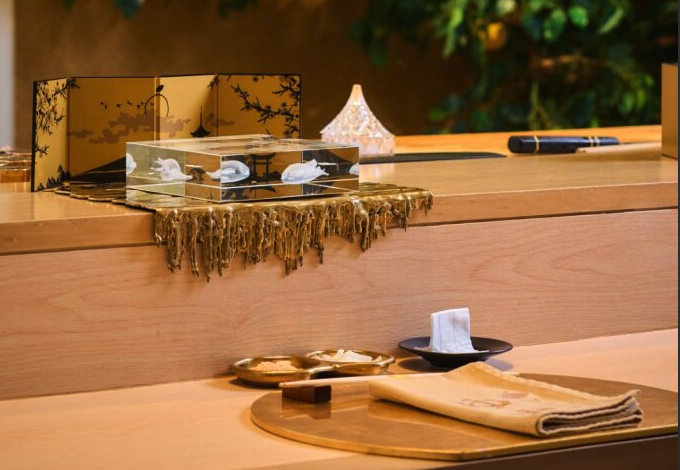
Bangkok's omakase scene represents a fascinating cultural fusion where Japanese techniques meet Thai sensibilities and tropical climate challenges. Successful establishments don't simply transplant Japanese methods—they thoughtfully adapt them to local conditions while maintaining authenticity.
The tropical climate affects ingredient storage, preparation timing, and even diner preferences. Bangkok's omakase chefs have developed techniques that account for these factors while preserving the essential character of each ingredient. This might mean adjusting rice temperatures, modifying sauce concentrations, or timing service differently than in Japan.
The Dining Experience: More Than Just Food
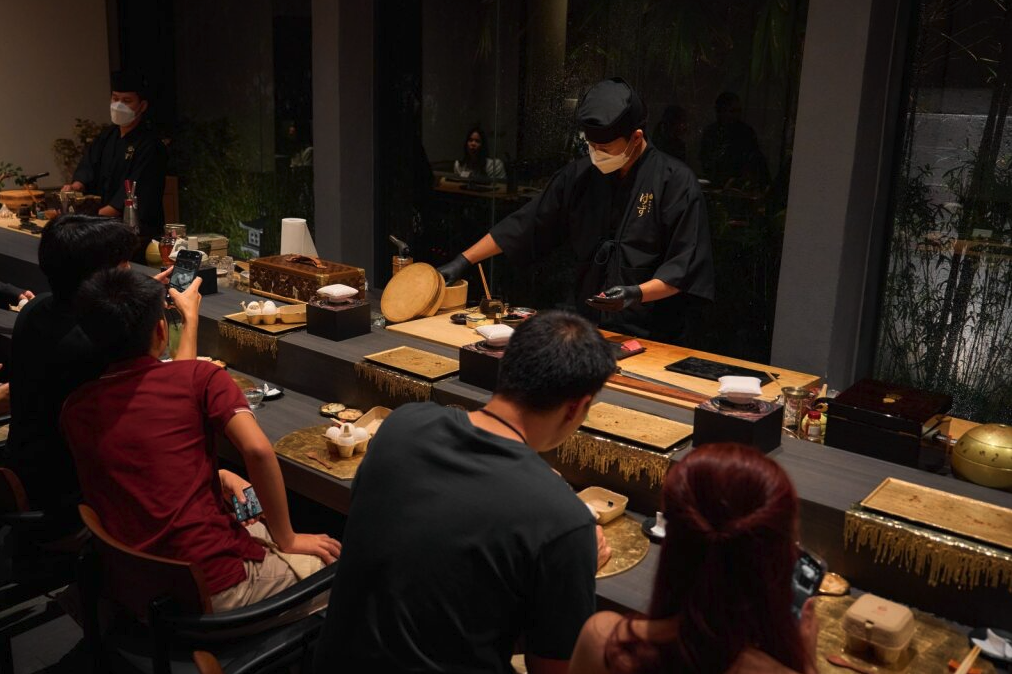
Omakase in Bangkok offers more than exceptional ingredients—it provides a complete cultural experience. The counter seating, chef interaction, and meal progression create intimacy and education opportunities that distinguish omakase from other dining formats.
Bangkok's omakase restaurants often blend Japanese hospitality traditions with Thai warmth, creating unique atmospheres that feel both authentic and welcoming. Chefs frequently explain ingredients, preparation techniques, and seasonal considerations, transforming the meal into an educational journey.
Conclusion
Bangkok's omakase scene has evolved into something truly special—a place where traditional Japanese techniques meet world-class ingredients and thoughtful cultural adaptation. The seasonal ingredients like anago, akami, taraba, maguro, hotate, uni, and kani miso represent more than just premium food items; they're the building blocks of memorable culinary experiences that celebrate both the ocean's bounty and human artistry.
These establishments have proven that authentic omakase can flourish outside Japan when supported by proper sourcing, skilled chefs, and appreciation for seasonal rhythms. For diners willing to trust the chef's expertise and embrace seasonal variation, Bangkok's omakase restaurants offer experiences that rival the world's best.
The future of Bangkok's omakase scene looks bright, with continued investment in supplier relationships, chef training, and customer education. As more diners discover the pleasures of seasonal, chef-driven dining, these restaurants will continue to elevate Bangkok's position as a global culinary destination.
Frequently Asked Questions
Q1: What's the best time of year to experience omakase in Bangkok? A: Each season offers unique advantages. Winter months (December-February) typically provide the best tuna and crab, while summer offers excellent eel and some shellfish varieties. The beauty of omakase is that skilled chefs work with whatever is seasonally optimal.
Q2: How much should I expect to pay for quality omakase in Bangkok? A: Premium omakase experiences in Bangkok typically range from 8,000-15,000 THB per person, with some ultra-premium establishments charging more. The price reflects ingredient quality, chef expertise, and the overall experience level.
Q3: Do I need to make reservations well in advance? A: Yes, Bangkok's top omakase restaurants often require reservations weeks or even months in advance, especially for weekend dining. Counter seats are particularly limited and in high demand.
Q4: Are there vegetarian options in omakase restaurants? A: Traditional omakase focuses heavily on seafood and meat, making vegetarian options limited. However, some Bangkok establishments offer modified experiences or separate vegetarian omakase menus when requested in advance.
Q5: What should I expect during my first omakase experience? A: Expect a meal lasting 2-3 hours with 15-20 courses served in a specific progression. The chef will guide you through each ingredient and preparation. Come with an open mind and empty stomach—it's a journey of discovery rather than just a meal.
RELATE
-
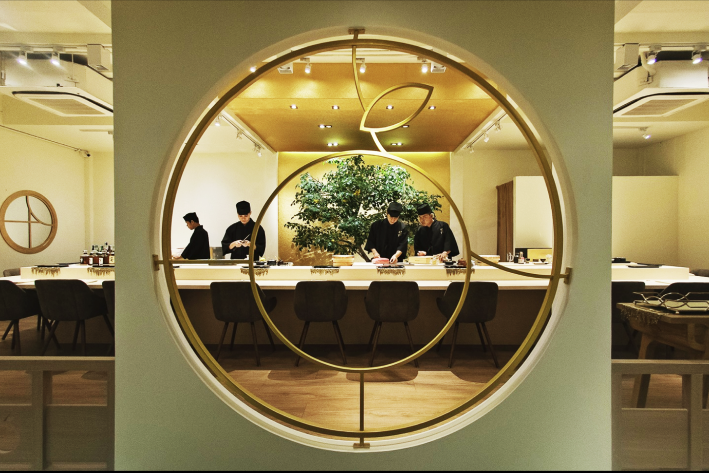
Why Does Omakase Need to Be Creative?
Omakase (お任せ) comes from the Japanese verb makaseru (任せる), to entrust, and means “I’ll leave it up to you,” so an omakase meal is one the diner hands to the chef instead of ordering from a menu. Omakase needs to be creative because the chef is expected to build the meal around the day’s seasonal… Continue reading Why Does Omakase Need to Be Creative?
Our Creations ● 2026 Sep 23
-
What Is Whisky Jelly?
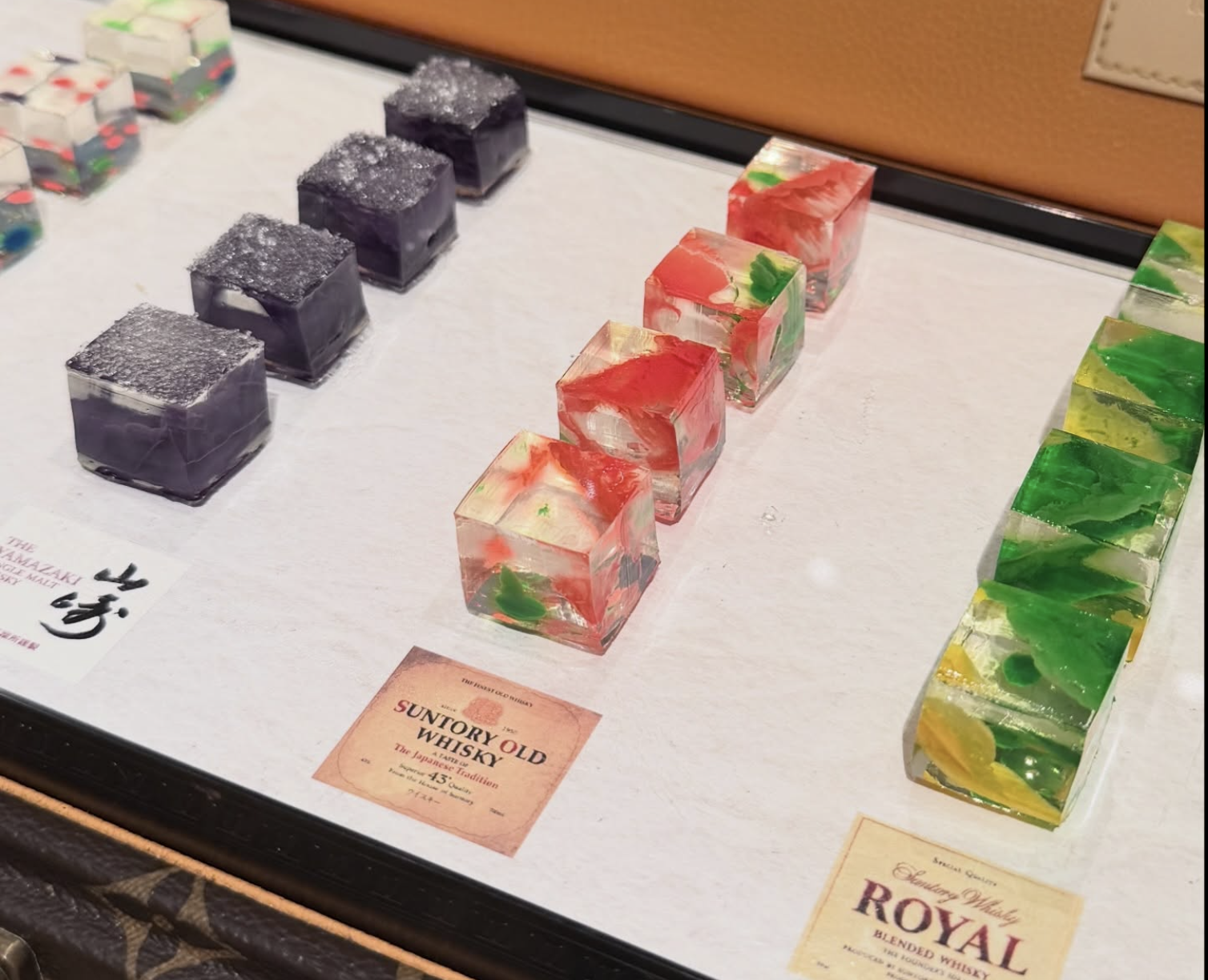
Whisky jelly is a set dessert in which whisky is the flavouring rather than the drink, served in the same form Japan has used for coffee jelly and fruit jelly for roughly a century. Japan’s jelly dessert tradition is not ancient. It arrived in the Taisho period, from 1912 to 1926, as a domestic answer… Continue reading What Is Whisky Jelly?
Our Creations ● 2026 Aug 30
-
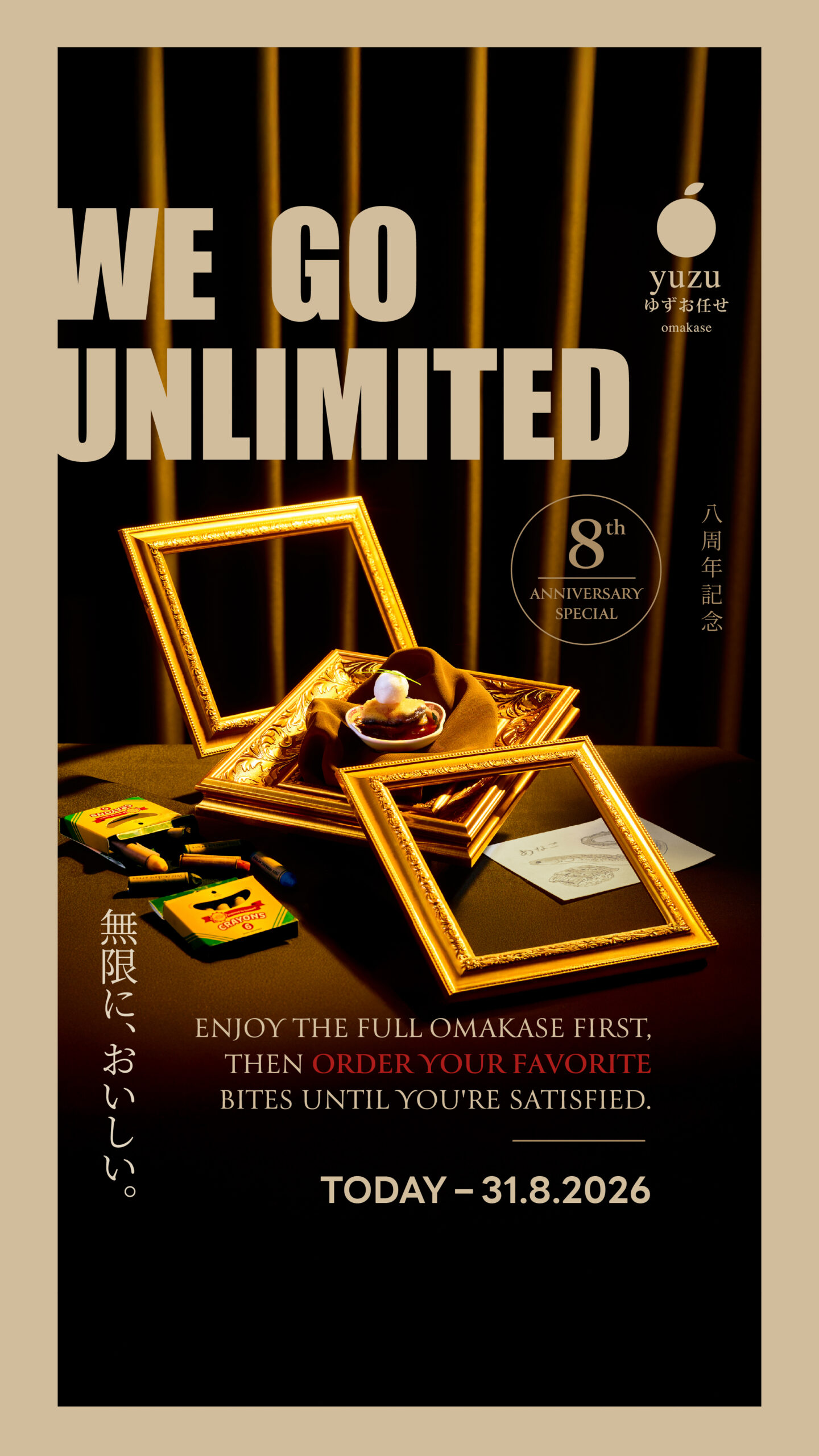
We Go Unlimited: 8th Anniversary | Yuzu Omakase Bangkok
Eight years ago, Yuzu Omakase seated its first guests in Bangkok. To mark the eighth anniversary, the house is making a simple, generous promise called We Go Unlimited. Your full omakase (お任せ) course is served first, exactly as the chef composed it, from the first bite to the last. Then, once the last course has… Continue reading We Go Unlimited: 8th Anniversary | Yuzu Omakase Bangkok
Our Creations ● 2026 Jul 14
-
A New Beverage Pairing, Built Around the Counter
An omakase moves in courses, and so should the drink beside it. Yuzu Omakase has introduced a new beverage pairing at its Siam Square counter in Bangkok, a sequence of pours chosen to follow the meal rather than sit apart from it. The pairing arrives in three forms: a House Pairing that crosses sake, whisky,… Continue reading A New Beverage Pairing, Built Around the Counter
Our Creations ● 2026 May 29

