




First Time Omakase: The Guide for Beginners
Omakase (お任せ) means “I leave it up to you” in Japanese. It is a chef-curated dining experience where the sushi master selects and serves seasonal dishes based on the freshest ingredients available that day. What First-Timers Need to Know: What Is Omakase and Why Is It Different? Unlike ordering from a menu, omakase dining places… Continue reading First Time Omakase: The Guide for Beginners
Our Creations ● 2026 Jan 28
Omakase (お任せ) means "I leave it up to you" in Japanese. It is a chef-curated dining experience where the sushi master selects and serves seasonal dishes based on the freshest ingredients available that day.
What First-Timers Need to Know:
- Book reservations weeks in advance
- Inform the restaurant of allergies beforehand
- Arrive 5–10 minutes early
- Expect 10–20 courses over 90 minutes to 2 hours
- Trust the chef's expertise completely
What Is Omakase and Why Is It Different?
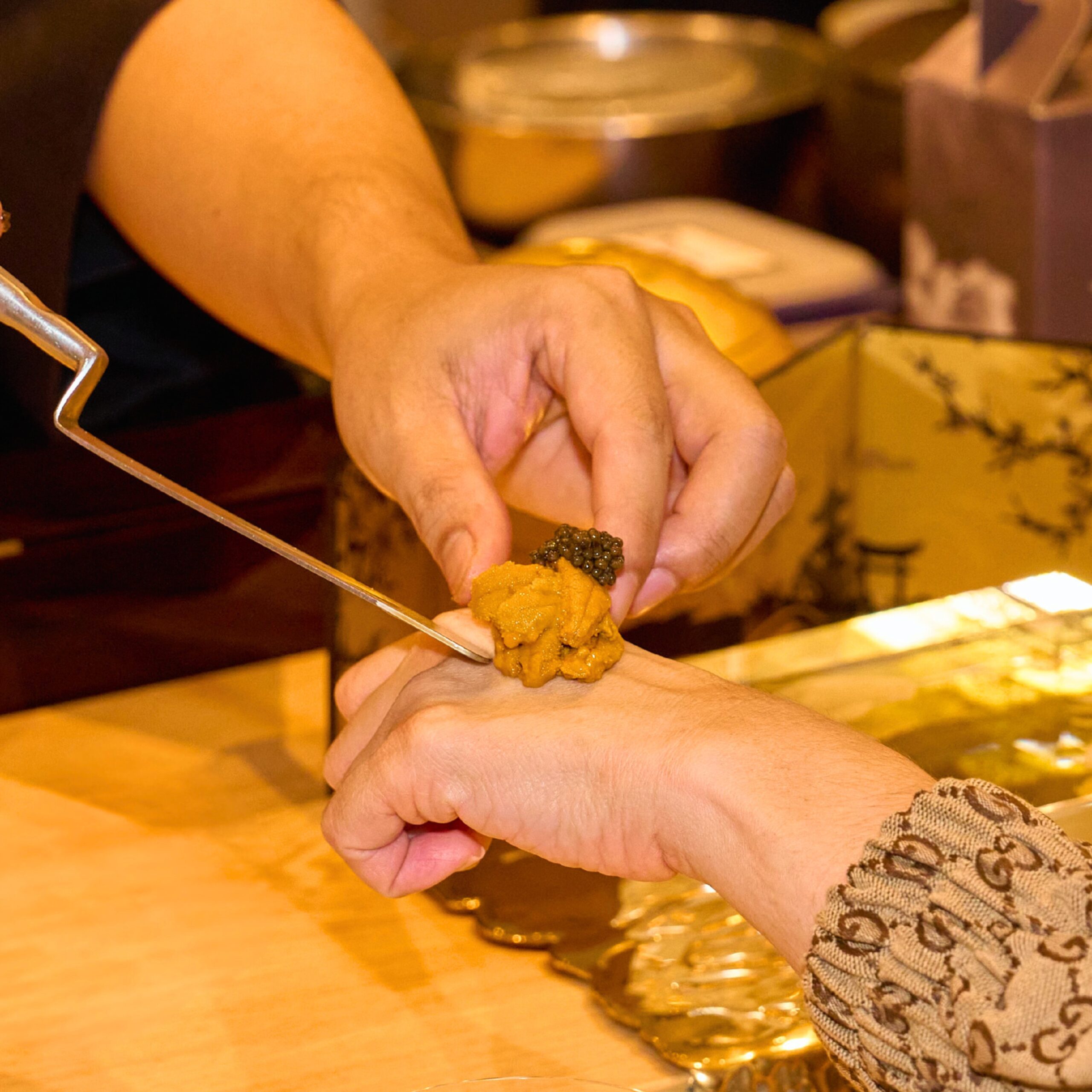
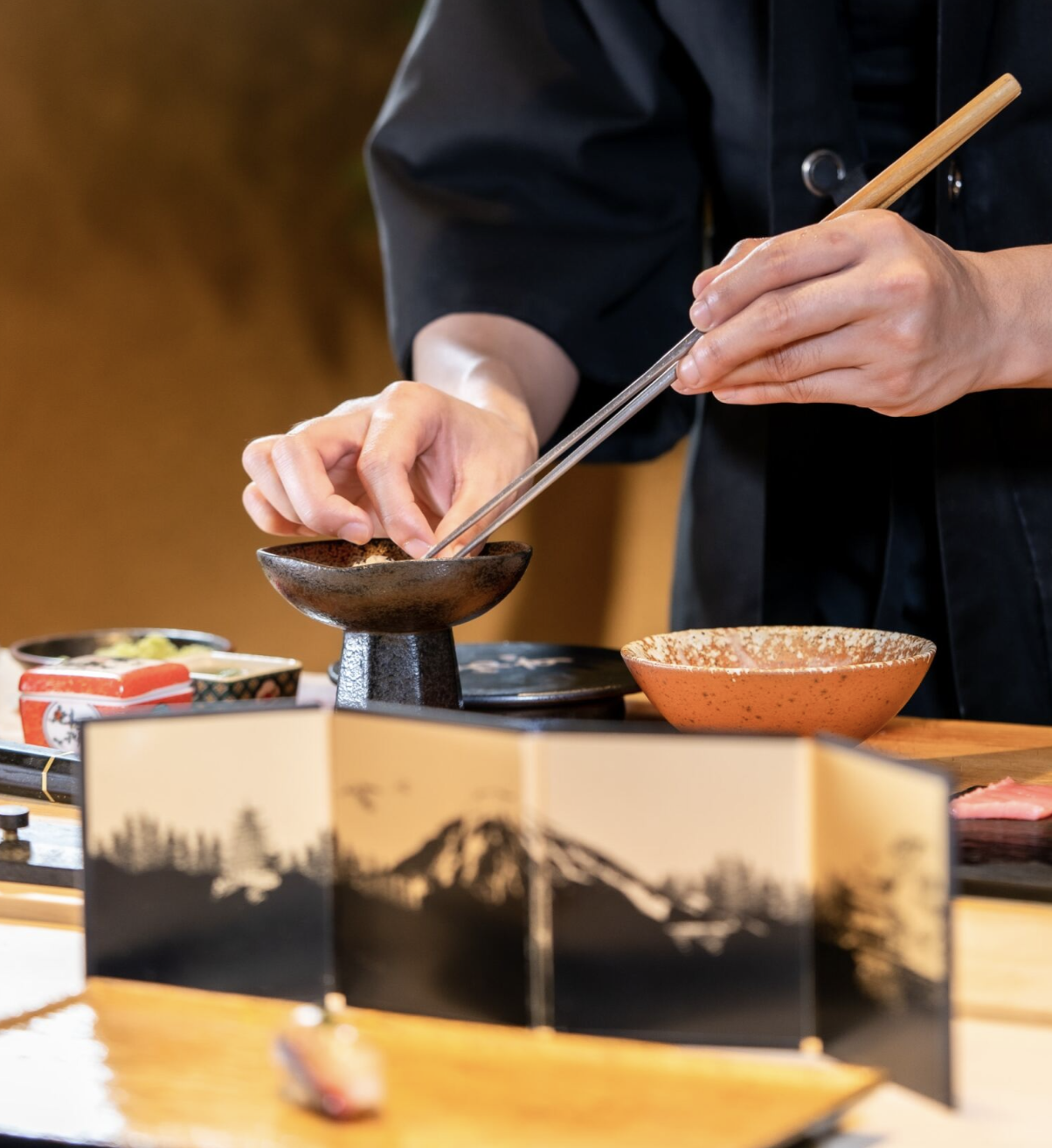
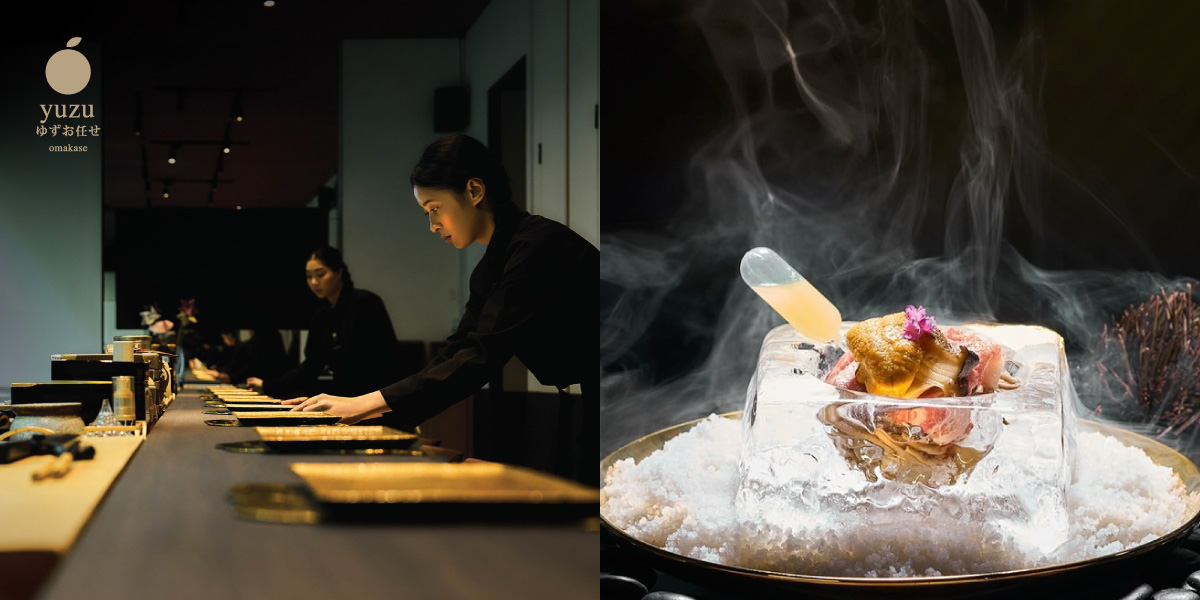
Unlike ordering from a menu, omakase dining places complete trust in the chef's craftsmanship. You sit at a counter, watch the itamae (sushi chef) prepare each piece by hand, and receive courses one at a time. The experience combines culinary artistry, seasonal ingredients, and direct interaction with the person creating your meal.
This differs from kaiseki, which follows a fixed multi-course structure rooted in tea ceremony traditions. Omakase is more spontaneous—the chef adjusts courses based on your reactions and pace throughout the meal.
Typical Omakase Course Flow
| Course | Japanese Term | Description |
|---|---|---|
| Appetizer | Zensai | Light seasonal starter |
| Sashimi | Otsukuri | Raw fish slices |
| Grilled Dish | Yakimono | Charcoal-grilled seafood |
| Steamed Dish | Mushimono | Delicate steamed preparation |
| Nigiri Sushi | Nigiri | 8–12 pieces, the main event |
| Soup | Osuimono | Clear or miso soup |
| Dessert | Kanmi | Light seasonal sweet |
The progression moves from lighter, delicate flavors toward richer, more complex tastes. Each course builds upon the previous one, creating a complete sensory journey.
Essential Omakase Etiquette for First-Timers
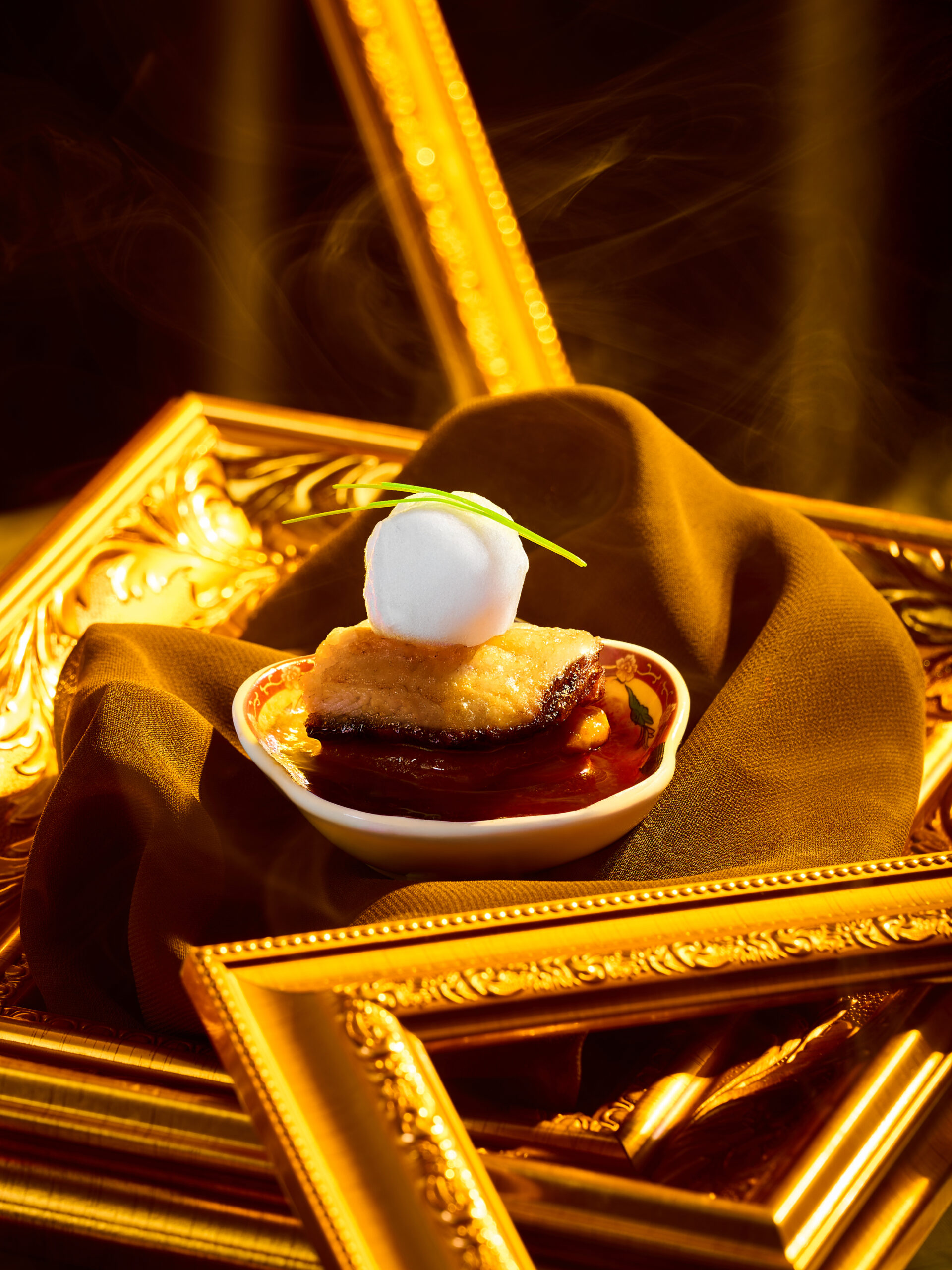
Proper etiquette shows respect for the chef's craft and enhances your experience. These guidelines apply whether you dine in Tokyo, Bangkok, or New York.
Before You Arrive:
- Make reservations early—popular spots book weeks ahead
- Communicate dietary restrictions when booking
- Avoid wearing strong perfume or cologne
During the Meal:
- Greet the chef with "konbanwa" (good evening)
- Eat each piece within 30 seconds of receiving it
- Use fingers or chopsticks for nigiri—both are acceptable
- Dip fish-side into soy sauce, not the rice
- Consume each piece in one bite
- Say "oishii" (delicious) to compliment the chef
- Place chopsticks on the hashioki rest, never across your plate
After the Meal:
- Say "gochisosama deshita" (thank you for the meal)
- Tipping customs vary by country—not expected in Japan
Omakase Price Range: What to Expect
Pricing varies based on location, chef reputation, ingredient sourcing, and course complexity. Here is a reference from Yuzu Omakase in Siam Square, Bangkok—one of Thailand's top-rated omakase destinations:
| Course Level | Price (THB) | Experience |
|---|---|---|
| Omakase Course 3500 | ฿3,500++ | Lunch only, ideal for first-timers |
| Omakase Course 5500 | ฿5,500++ | Entry-level dinner experience |
| Omakase Course 7500 | ฿7,500++ | Premium seasonal selection |
| Omakase Course 9500 | ฿9,500++ | Extended multi-course journey |
| The Experience 15000 | ฿15,000++ | Elevated ingredients, intimate service |
| The Symphony 20000 | ฿20,000++ | Signature experience with rare delicacies |
| Blue Diamond | ฿50,000++ | Ultra-premium, 7-day advance booking required |
Note: ++ indicates prices before service charge and VAT
For first-timers in Bangkok, the lunch course at ฿3,500 offers an excellent introduction without overwhelming commitment. Dinner courses starting at ฿5,500–7,500 provide a more comprehensive experience with premium seasonal ingredients.
Is Omakase Worth It for First-Timers?
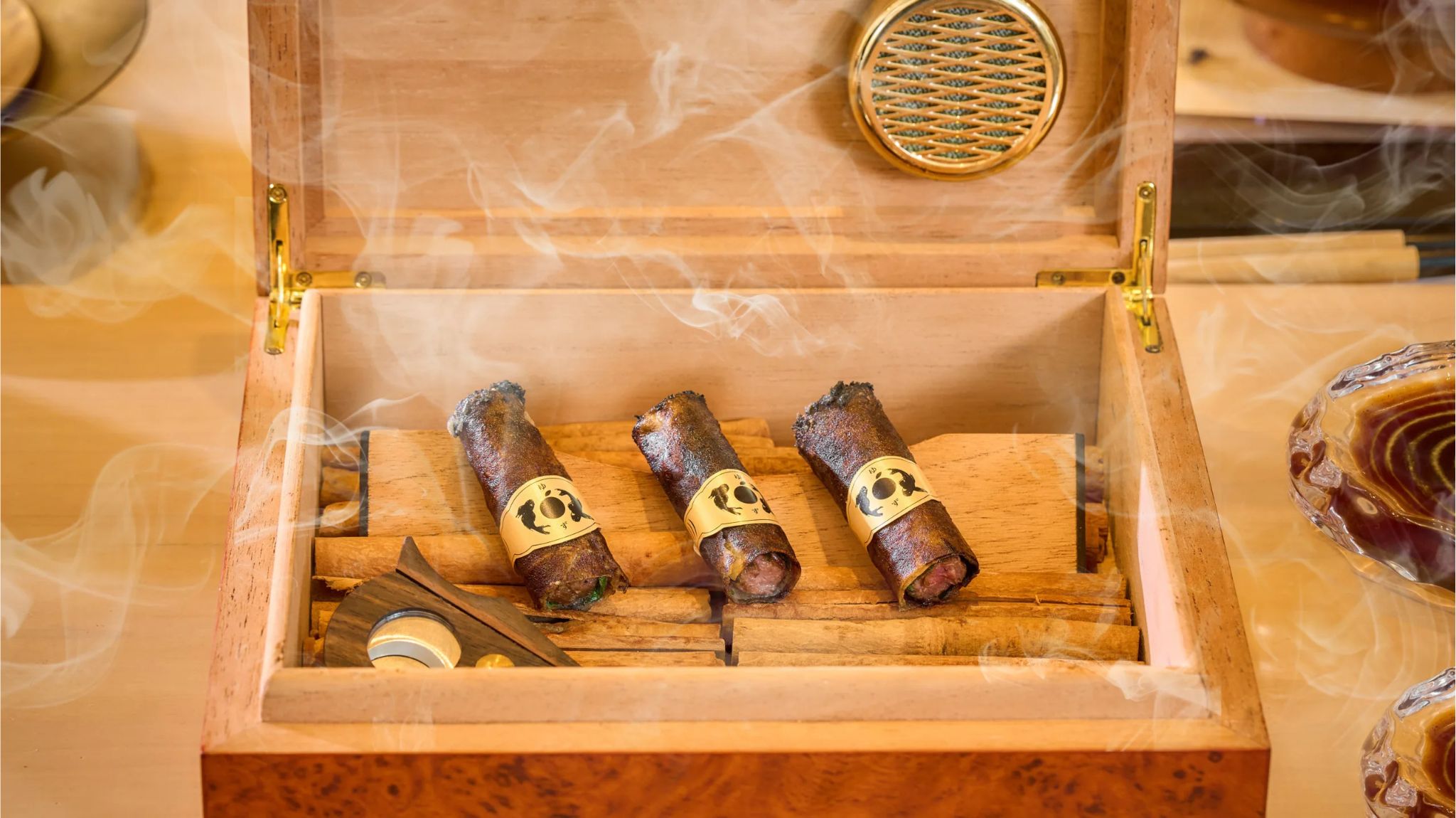
Omakase offers value beyond the food itself. You receive personalized attention, seasonal ingredients at peak freshness, and an educational experience as chefs explain each course. For sushi enthusiasts curious about authentic Japanese dining culture, the investment delivers a memorable culinary journey.
First-timers often discover new favorites they would never have ordered independently. The chef reads your preferences throughout the meal, adjusting subsequent courses based on your reactions—creating a truly personalized experience.
Key Takeaways for Your First Omakase
✓ Book reservations well in advance and communicate allergies when booking
✓ Arrive on time—lateness disrupts the carefully timed service flow
✓ Trust the chef completely and embrace the element of surprise
✓ Eat each piece immediately and in one bite for optimal flavor
✓ Engage respectfully with the chef—questions are welcome
✓ Allow 90 minutes to 2 hours for the complete experience
Frequently Asked Questions
What does omakase mean? Omakase translates to "I leave it up to you" in Japanese. When ordering omakase, you trust the chef to select the best dishes based on seasonal availability and their expertise.
Can I request specific items during omakase? Generally, you should avoid making requests during the meal. Inform the restaurant of allergies and strong dislikes when booking, but embrace the chef's selections once seated.
How many courses are in omakase? Most omakase meals include 10–20 courses, though this varies by restaurant. Courses typically include appetizers, sashimi, nigiri sushi, and dessert.
Should I use chopsticks or hands for sushi? Both methods are acceptable. Many traditionalists prefer using fingers for nigiri, as it provides better control and avoids compressing the rice.
How long does an omakase meal last? Expect 90 minutes to 2 hours for a complete omakase experience. Premium establishments with more courses may extend to 2.5 hours.
Is omakase suitable for picky eaters? Omakase works best for adventurous diners willing to try new items. If you have many restrictions, consider a la carte sushi dining instead.
When should I take photos during omakase? Ask the chef for permission first. If allowed, photograph quickly when each piece is served, then eat immediately—letting sushi sit diminishes the experience.
RELATE
-
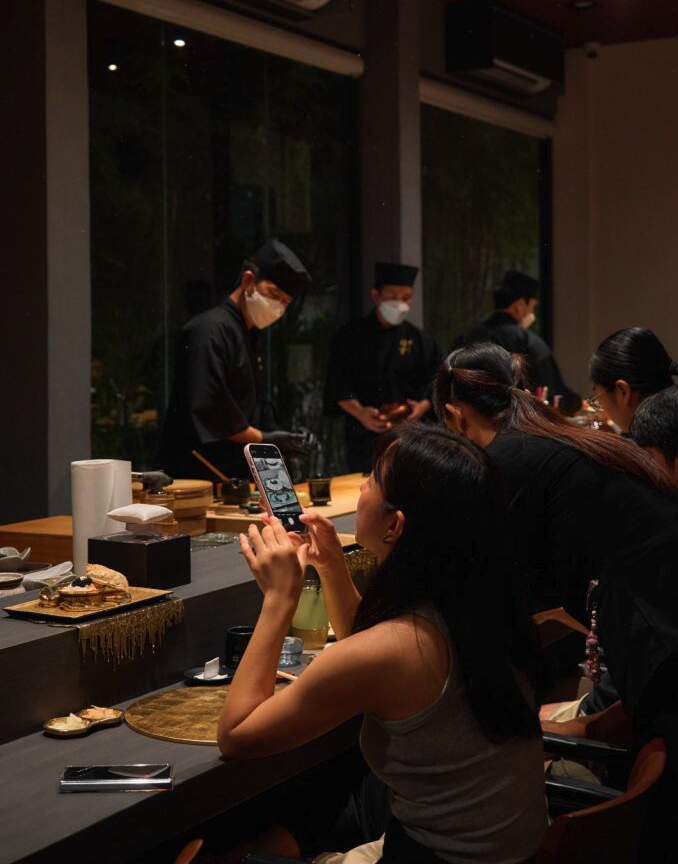
Best Omakase in Bangkok for Date Night: Why Yuzu Omakase?
Yuzu Omakase offers an enchanting setting for a romantic evening with its intimate atmosphere, exquisite cuisine, and impeccable service Yuzu Omakase in Bangkok’s Siam Square. The restaurant combines minimalist Japanese elegance with personalized chef experiences, creating the perfect backdrop for special moments. Key Highlights for Romantic Dining What Makes Omakase Perfect for Date Night? Omakase… Continue reading Best Omakase in Bangkok for Date Night: Why Yuzu Omakase?
Our Creations ● 2025 Dec 4
-
High-End Omakase Experience
Have you ever wondered what it feels like to surrender complete control of your dining experience to a master chef? Welcome to the world of high-end omakase, where culinary artistry meets personalized service in an unforgettable gastronomic journey. This isn’t just dinner – it’s a front-row seat to culinary theater at its finest. The high-end… Continue reading High-End Omakase Experience
Our Creations ● 2025 Oct 11
-
Beyond Sushi: Seasonal Ingredients You’ll Find in Bangkok’s Omakase
Bangkok’s culinary landscape has evolved dramatically over the past decade, and nowhere is this more evident than in the city’s flourishing omakase scene. While many diners associate Japanese cuisine with simple sushi rolls, Bangkok’s high-end omakase restaurants offer something far more sophisticated: a curated journey through seasonal ingredients that showcase the chef’s artistry and the… Continue reading Beyond Sushi: Seasonal Ingredients You’ll Find in Bangkok’s Omakase
Our Creations ● 2025 Oct 10
-
Multi-Sensory Dining: Ambiance Lighting and Flavor Fusion at Omakase Siam Square
At Yuzu Omakase Thailand, every detail—from the flicker of a candle to the tempo of a playlist—is orchestrated to immerse guests in a complete sensory experience. This is not just dining; it’s a meditation in flavor, light, and emotion.
Our Creations ● 2025 Aug 20

