




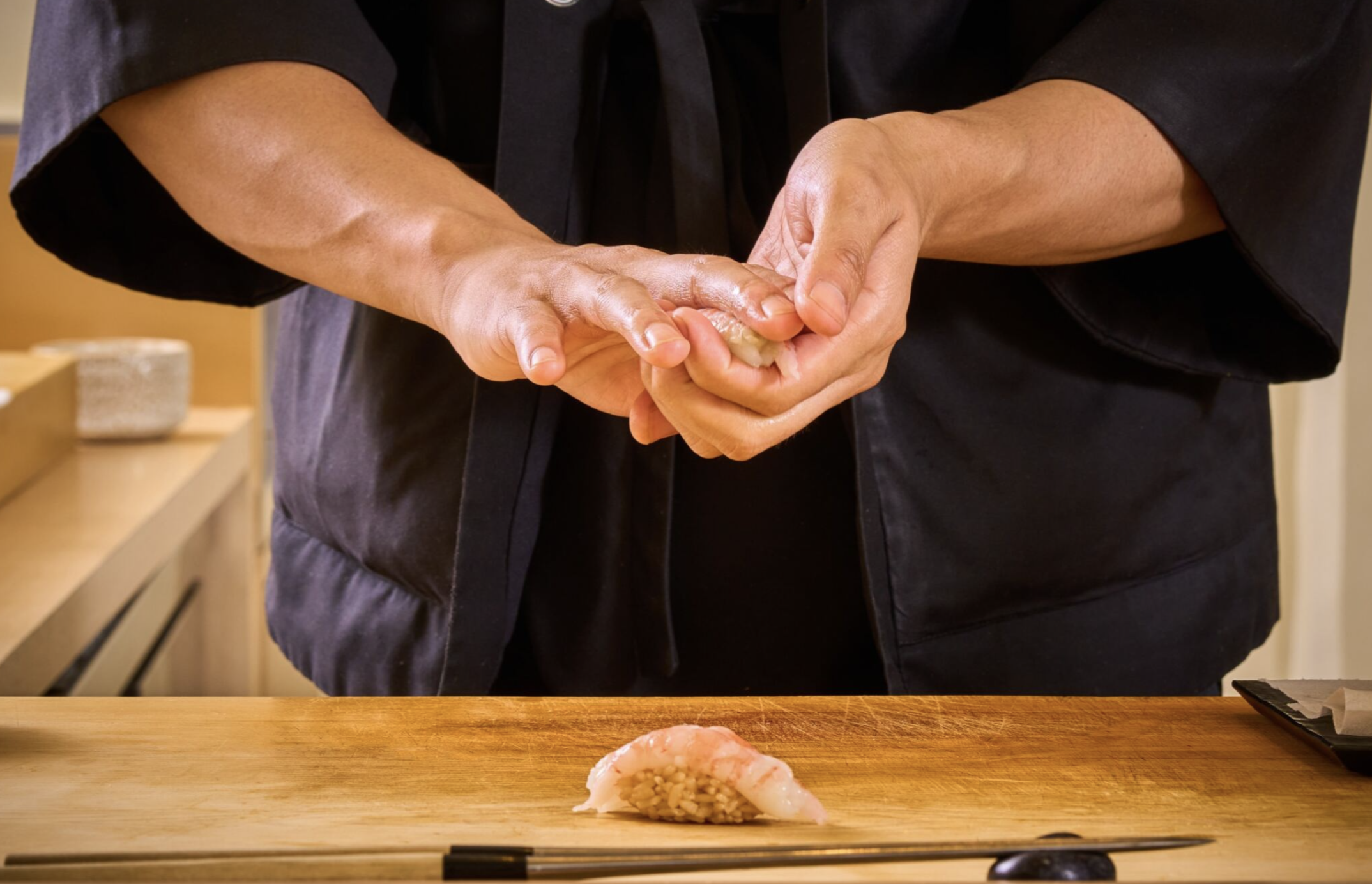
Why Sushi Rice Makes or Breaks Omakase
Sushi rice is not the backdrop to the fish. It is the other half of every piece. At the highest level of omakase, the shari is where a chef’s identity lives, where years of training become tangible, and where the difference between a good experience and an exceptional one is decided. Most guests never realise… Continue reading Why Sushi Rice Makes or Breaks Omakase
Local Story ● 2026 Mar 27
Sushi rice is not the backdrop to the fish. It is the other half of every piece. At the highest level of omakase, the shari is where a chef's identity lives, where years of training become tangible, and where the difference between a good experience and an exceptional one is decided. Most guests never realise this. The ones who do never eat omakase the same way again.
WHAT MOST GUESTS MISS
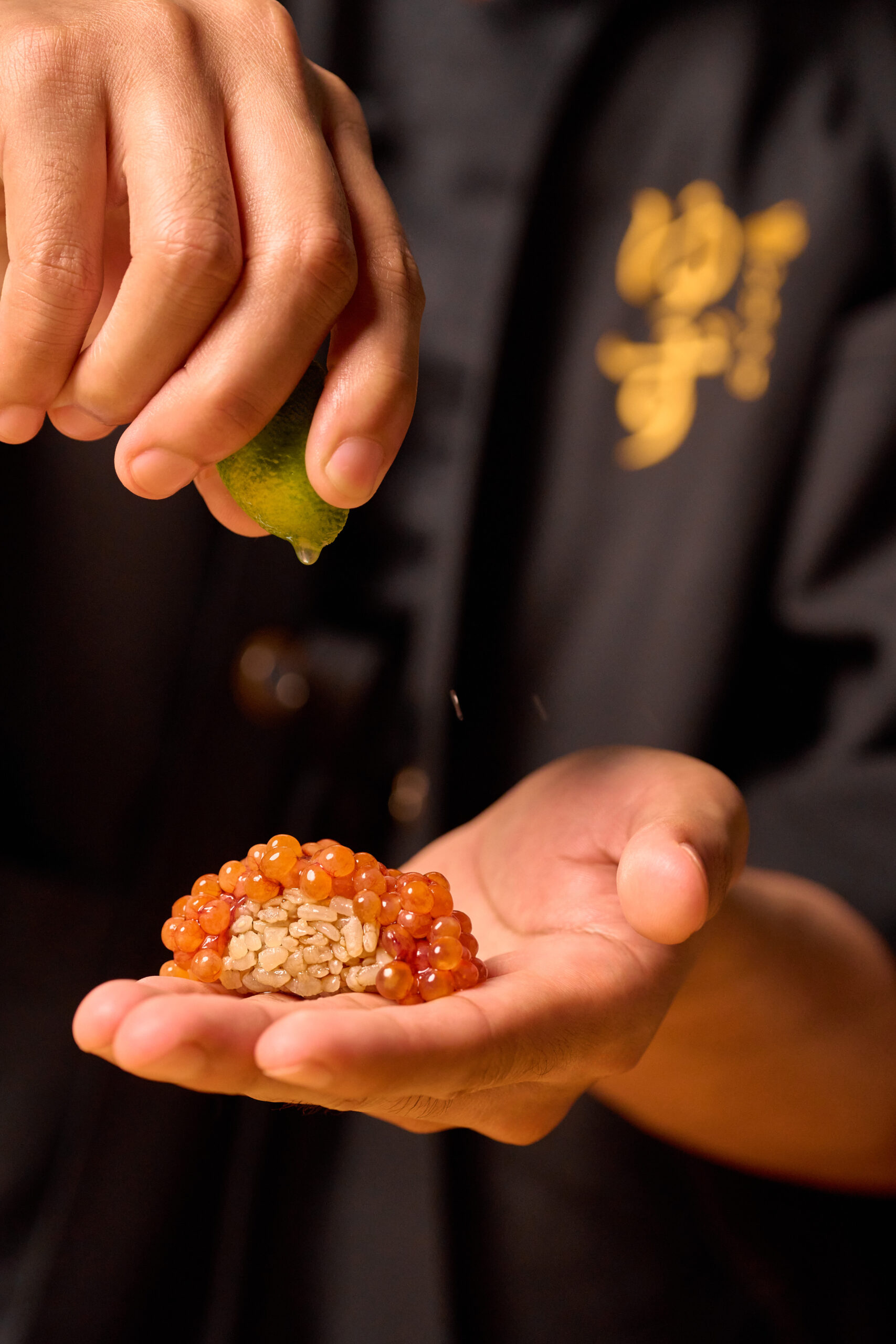
There is a moment at every omakase counter when the chef lifts a piece of nigiri and places it in front of you. Almost every guest looks at the fish. The colour of the tuna. The translucency of the flounder. The glistening fat of a slice of otoro.
Very few look at the rice.
This is understandable. The neta is visual. It communicates quality immediately, even to an untrained eye. But in the Edomae tradition, the tradition that forms the foundation of serious omakase dining, shari and neta are inseparable. They are designed to exist together, to balance each other, to complete a single expression of flavour and texture. Judging a piece of nigiri by its fish alone is like judging a conversation by only one voice.
The chefs who built the Edomae tradition understood something that takes time to appreciate: the rice is not a vehicle. It is half the dish.
WHY THE RICE IS WHERE MASTERY LIVES
The Rice Carries the Chef's Signature
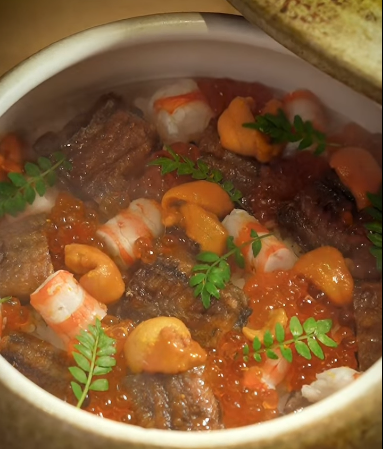
Every serious omakase chef has a shari that is entirely their own. The ratio of vinegar to rice. The type of vinegar used, and whether it is blended. The temperature at which the rice is seasoned. The resting time before service. The pressure applied when forming each piece of nigiri by hand.
These variables are not minor. They accumulate into something that a trained palate can identify before the fish is even tasted. In Japan, experienced diners speak of a chef's shari the way they might describe a house wine: distinctive, recognisable, an expression of philosophy as much as technique.
This is not craft that can be copied or approximated. It is developed over years at the counter, refined through repetition, and protected as the most personal aspect of how a chef works. The fish changes with the season. The shari is the constant.
Balance Is the Point
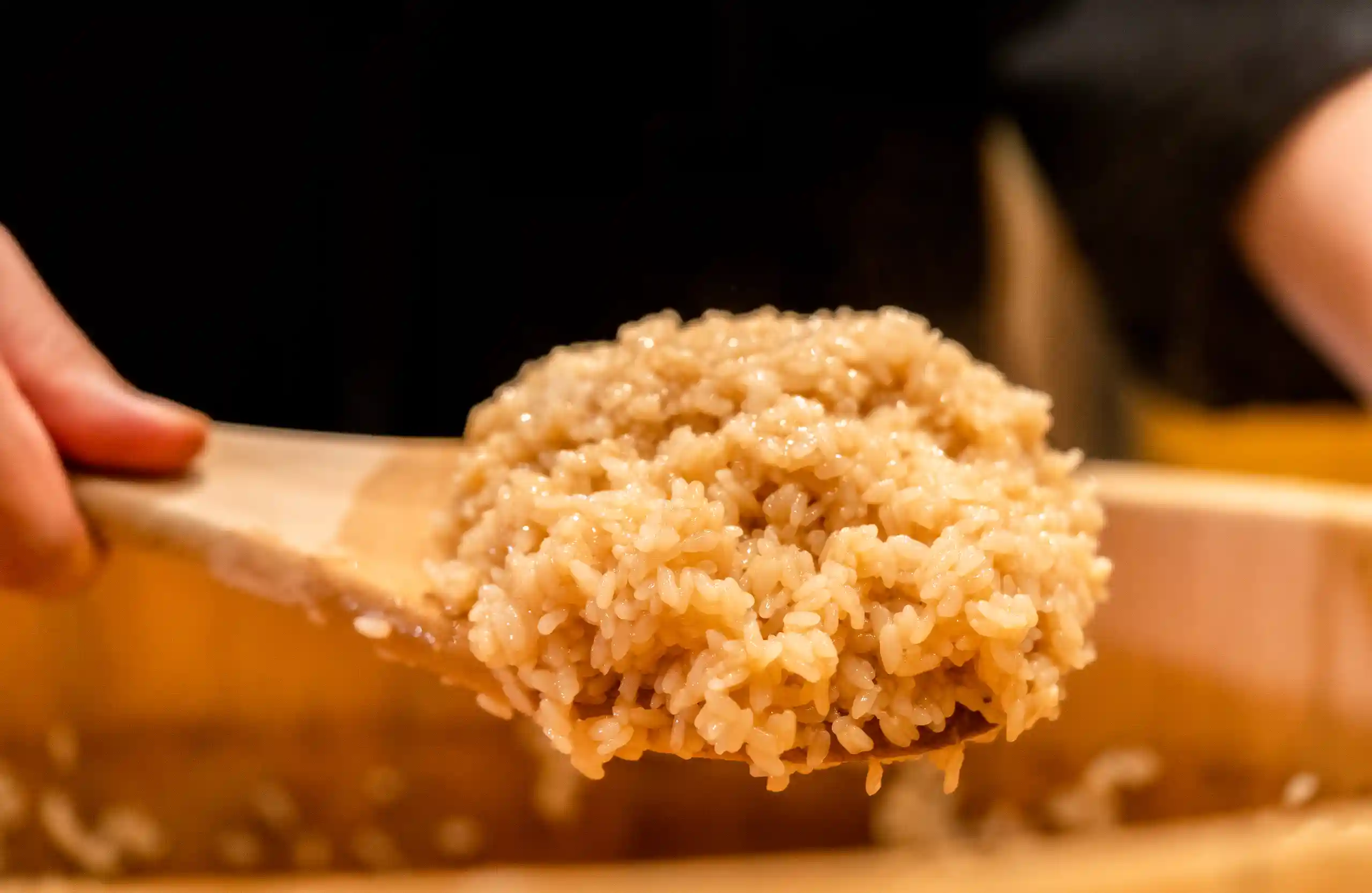
The relationship between shari and neta is one of balance, and that balance is precise. When the rice is even slightly too warm, the fat in certain fish begins to behave differently on the palate. When it is too cold, it loses the yielding texture that allows it to dissolve at the same rate as the fish above it. When it is packed too tightly, the piece becomes dense. When it is too loose, it falls apart before it reaches the mouth.
Every one of these failures disrupts the experience. Not dramatically. Subtly. But at the level of craft that omakase demands, subtle failures matter.
The best shari supports the fish without overpowering it. It provides acidity that lifts delicate flavours. It offers a texture that contrasts with the fish in a way that makes both more interesting. It disappears at the right moment, leaving the neta to finish. This is not accidental. It is the result of a chef who has thought about rice as deeply as they have thought about anything else on the counter.
It Cannot Be Rushed or Standardised
There is no shortcut to understanding shari. A chef can learn the theory of vinegar ratios quickly. Applying that theory correctly, consistently, across every piece served during a session, while maintaining the right hand temperature and the right pressure, while reading the rice for variations that change day to day depending on humidity and batch: this takes years.
The vinegar blend at many serious omakase restaurants is a house formula, adjusted over time and rarely shared. The cooking method is specific. The resting period before service is calibrated to the day's conditions. A chef who has done this for ten years is doing something genuinely different from one who has done it for two, even if the ingredients are identical.
This is where omakase separates itself from every other form of Japanese dining. Anyone can source excellent fish. Not everyone can do what the rice requires.
HOW YUZU APPROACHES SHARI

At Yuzu Omakase in Siam Square, the rice is treated with the same seriousness as every other element at the counter. The style is Edomae. That means the shari is the foundation, not an afterthought.
The chefs at Yuzu trained in Tokyo, where the relationship between rice and fish is not a technique so much as a philosophy. Shari temperature is monitored throughout each session. The vinegar balance is the result of years of refinement. The forming of each piece is done by hand, with a pressure and speed that has been developed specifically for Yuzu's rice and Yuzu's fish.
Guests who visit Yuzu often remark on how the rice feels different. Lighter than expected. More present. A few ask the chef about it directly. That conversation, when it happens, tends to last a while.
That is the point. When the rice is right, it invites attention. It becomes part of what the guest remembers, not as a detail, but as something central to why the experience was exceptional.
What makes sushi rice different from regular cooked rice?
Sushi rice is seasoned after cooking with a blend of rice vinegar, salt, and sugar, then cooled to a specific temperature before use. But the preparation is only the beginning. In omakase, the rice is also formed at a precise temperature, under specific pressure, and at a timing that aligns with when the neta is at its best. The difference between sushi rice and great shari is the same as the difference between a correct answer and a right one.
How does the rice affect the taste of the fish?
Significantly. The acidity in the shari interacts with the fat and protein in the fish, lifting lighter flavours and softening richer ones. The temperature of the rice changes how quickly fat melts on the palate. The texture of how the piece was formed determines how it dissolves. When these elements are aligned with the specific fish on top, the result is a flavour that neither element could produce alone.
What do omakase chefs say about rice preparation?
Many describe it as the part of the craft that never stops teaching them. Unlike sourcing fish, which involves external variables, the rice is entirely within the chef's control. That makes it demanding in a different way. There is nowhere to place the responsibility except on the chef's own hands. The best practitioners treat this not as a burden but as the most honest measure of their skill.
How can a guest appreciate the rice at an omakase counter?
Pay attention to it directly. Before eating each piece, notice the structure. When you eat it, consider how the rice and fish dissolve together and whether one finishes before the other. Ask the chef about the shari if you are curious. At a serious counter, that question will always be welcomed. It signals that you are paying attention to the right things.
The fish at an omakase counter tells you where the chef sources. The rice tells you who the chef is.
For guests who want to understand omakase at its deepest level, that is the place to start. Not with the toro or the uni or the wagyu. With the rice, formed by hand, at the right temperature, at the moment when everything comes together.
At the best counters, you will know when it is right. You may not be able to say exactly why. But you will not forget it.
RELATE
-
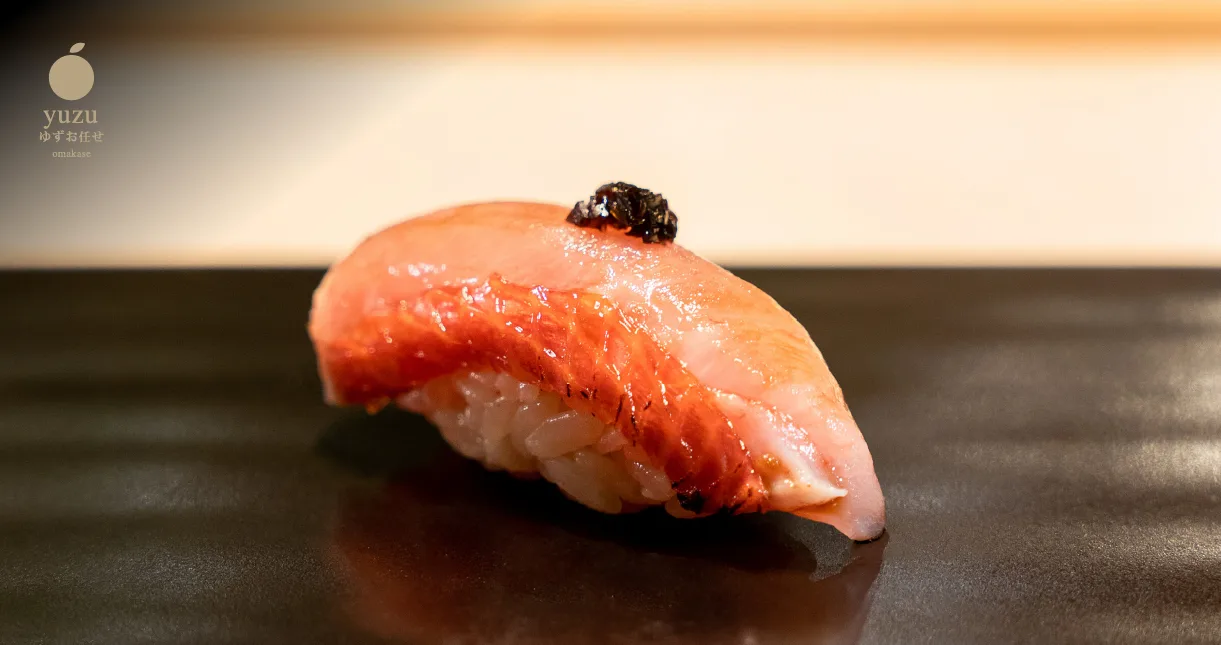
HAND TO HAND NIGIRI: THE MOST INTIMATE WAY TO EAT OMAKASE
Hand to hand nigiri means the chef places each piece of sushi directly into your open palm — and you eat it immediately with your fingers. No chopsticks. No plate. Just the rice, the fish, and the chef’s intent. It is the oldest and most traditional way to eat omakase sushi, and at Bangkok’s finest… Continue reading HAND TO HAND NIGIRI: THE MOST INTIMATE WAY TO EAT OMAKASE
Local Story ● 2026 Mar 11
-
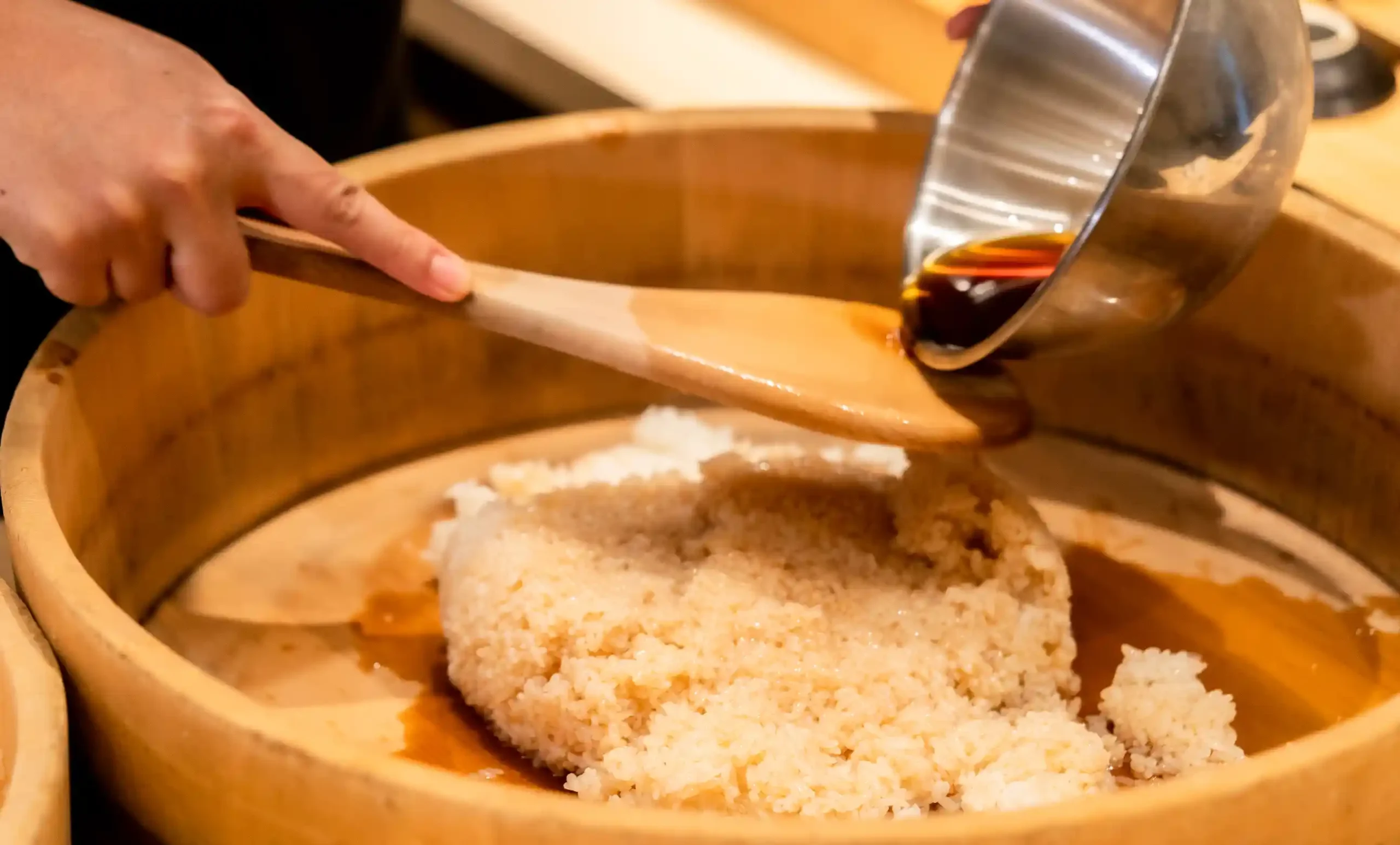
Temperature in Sushi Rice: The Foundation of Authentic Sushi Craftsmanship
What Is the Ideal Temperature for Sushi Rice? Sushi rice (shari) should be served at body temperature, approximately 35-40°C (95-104°F). This warmth allows the vinegar seasoning to release its aroma, keeps grains soft and glossy, and melts the fat of fish toppings upon contact for optimal flavor release. Key Facts at a Glance Why Does… Continue reading Temperature in Sushi Rice: The Foundation of Authentic Sushi Craftsmanship
Local Story ● 2026 Jan 29
-
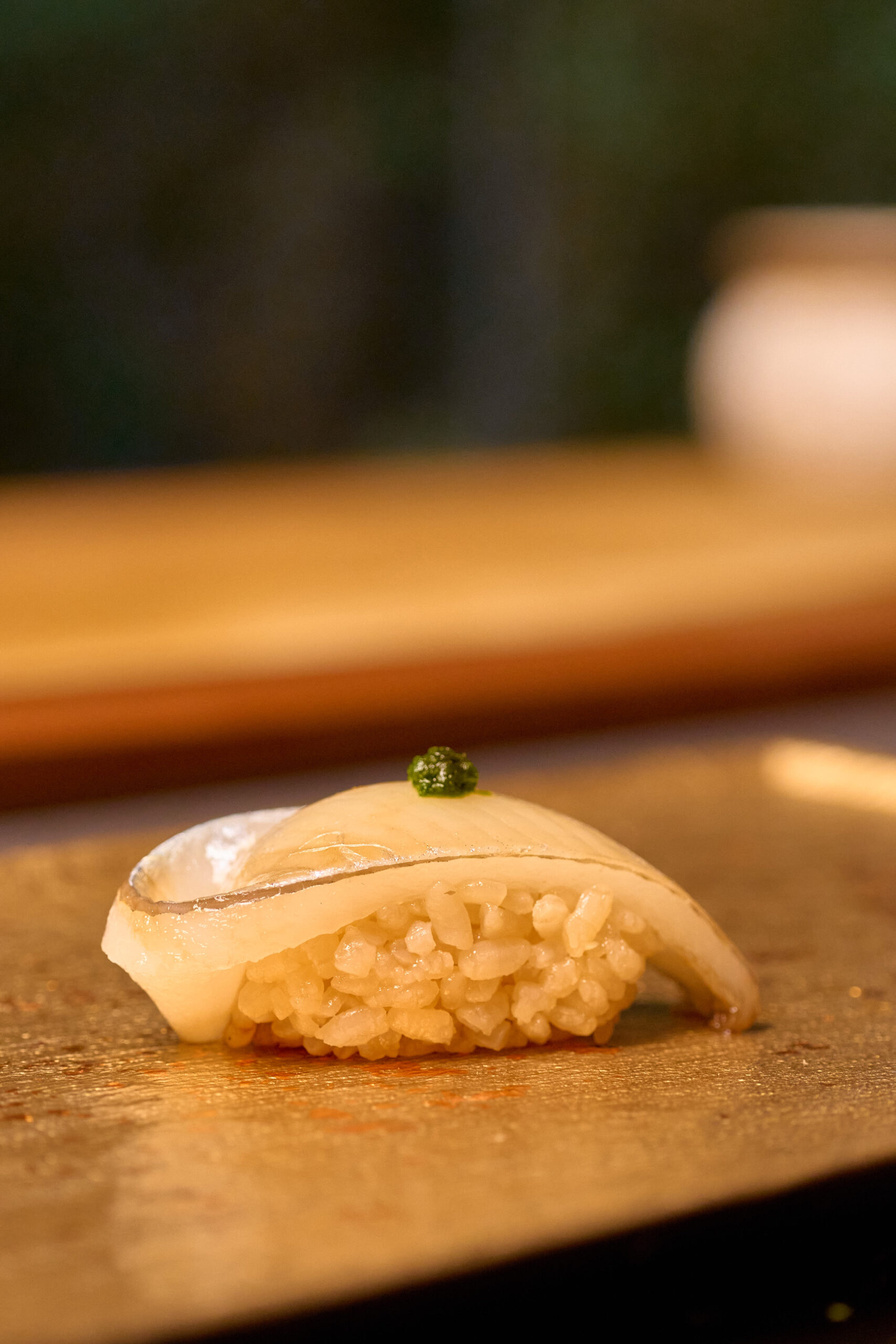
Why Is Wasabi Always Served with Sushi?
Wasabi accompanies sushi for three essential reasons: it kills harmful bacteria in raw fish, enhances umami flavor, and cleanses the palate between bites. This pairing dates back to the Edo period in Japan when refrigeration did not exist. Quick Answer Card The Science Behind Wasabi and Raw Fish Wasabi contains allyl isothiocyanate, a natural compound… Continue reading Why Is Wasabi Always Served with Sushi?
Local Story ● 2026 Jan 28
-
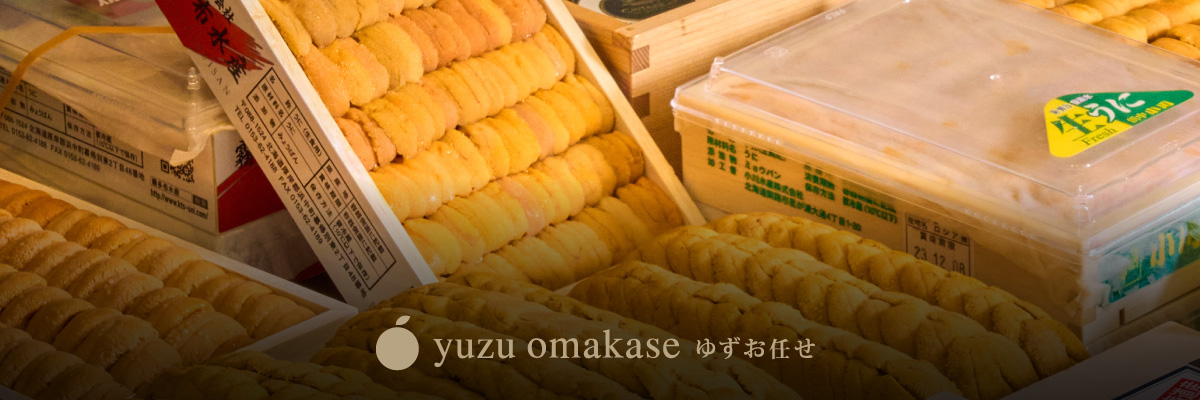
Hokkaido Uni vs Kyushu Uni: What’s the Difference?
Hokkaido uni offers a rich, creamy sweetness with a firm texture, while Kyushu uni delivers a lighter, more delicate flavor with a softer, melt-in-your-mouth consistency. The difference comes from water temperature, diet, and harvesting season. Understanding Japanese Sea Urchin Varieties Japan produces some of the world’s finest uni, with regional terroir creating distinct flavor profiles.… Continue reading Hokkaido Uni vs Kyushu Uni: What’s the Difference?
Local Story ● 2026 Jan 22

