




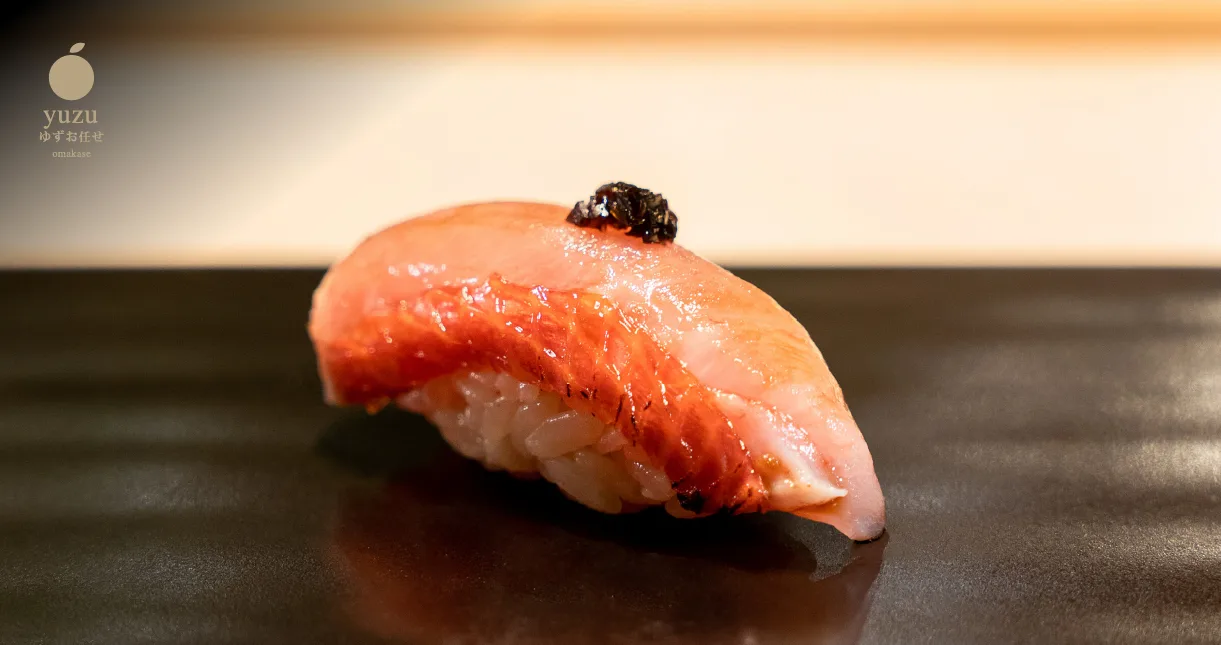
HAND TO HAND NIGIRI: THE MOST INTIMATE WAY TO EAT OMAKASE
Hand to hand nigiri means the chef places each piece of sushi directly into your open palm — and you eat it immediately with your fingers. No chopsticks. No plate. Just the rice, the fish, and the chef’s intent. It is the oldest and most traditional way to eat omakase sushi, and at Bangkok’s finest… Continue reading HAND TO HAND NIGIRI: THE MOST INTIMATE WAY TO EAT OMAKASE
Local Story ● 2026 Mar 11
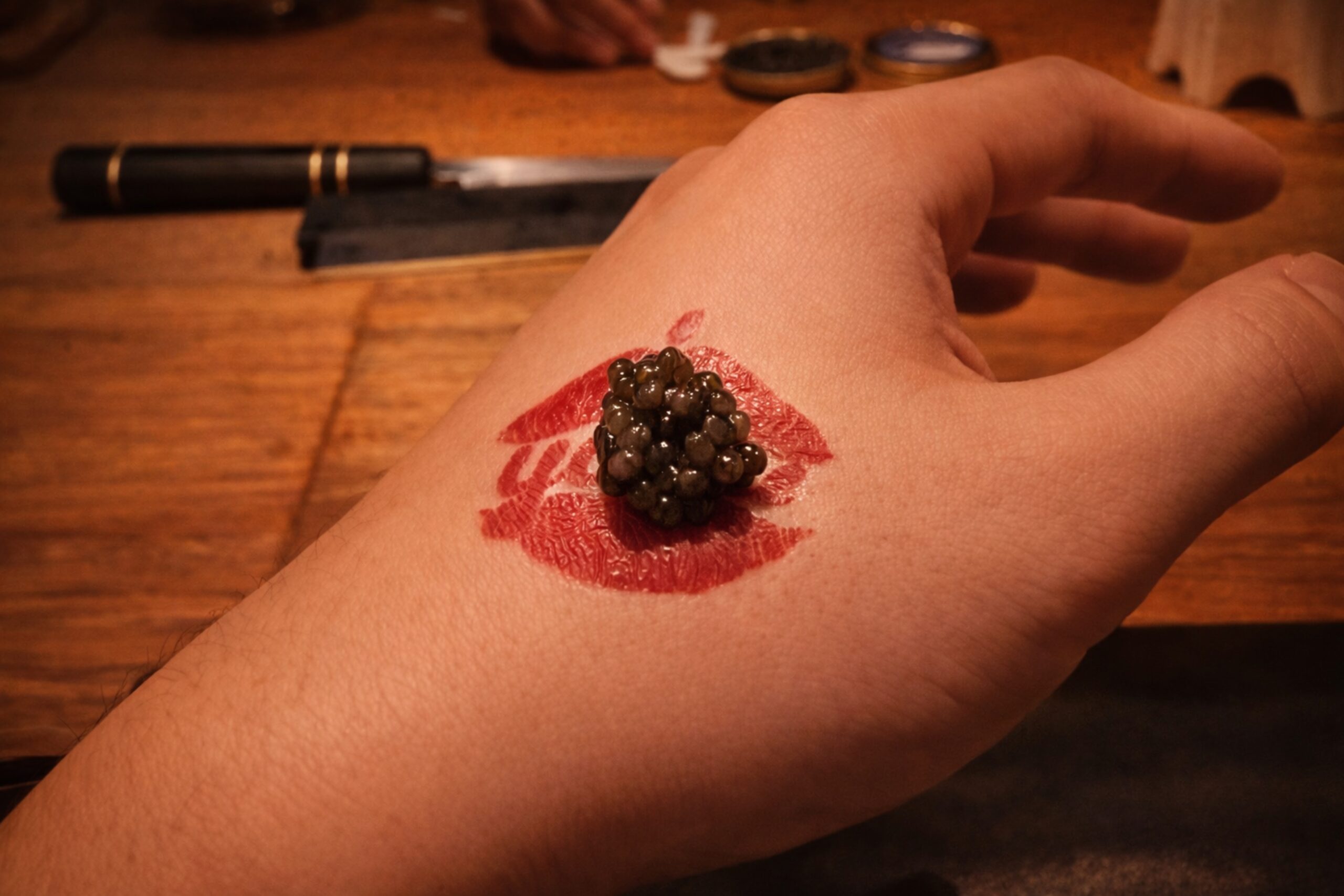
Hand to hand nigiri means the chef places each piece of sushi directly into your open palm — and you eat it immediately with your fingers. No chopsticks. No plate. Just the rice, the fish, and the chef's intent.
It is the oldest and most traditional way to eat omakase sushi, and at Bangkok's finest counters, it remains the defining moment of the meal.
WHY IT EXISTS
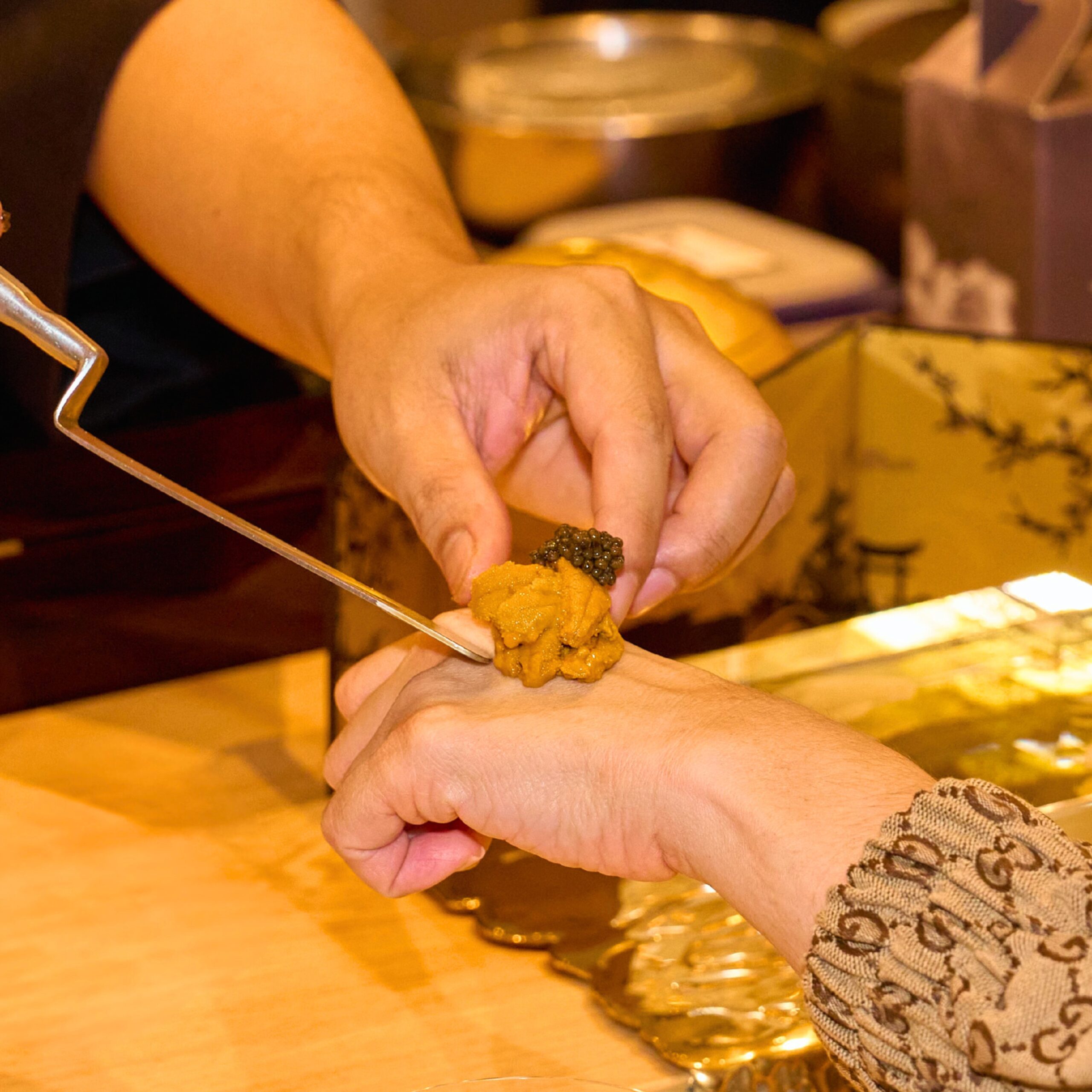
Nigiri is a warm, living thing. The rice is pressed at body temperature. The fish is at its peak aromatic moment. Every second between the chef's hands and your palate is flavour lost.
When nigiri sits on a cold plate, the rice stiffens and the vinegar sharpens. When it passes through chopsticks, it risks breaking apart. When it goes directly from the chef's palm to yours, you receive it exactly as intended — warm, cohesive, alive.
This is not ceremony. There is a practical reason behind every element of it.
HAND VS CHOPSTICKS VS PLATE
| Delivery Method | Rice Temperature | Time to Palate | Flavour Impact |
|---|---|---|---|
| Hand to hand | Body temp (37°C) | Under 5 seconds | Maximum |
| Chopsticks | Slightly cooler | 10–20 seconds | Reduced |
| Plate service | Room temperature | 30–60+ seconds | Notably reduced |
The difference is real and immediate. A nigiri eaten warm from the chef's hand falls apart gently on the tongue. The same piece on a cold plate 60 seconds later behaves like a different dish entirely.
THE NIGIRI SEQUENCE AT YUZU OMAKASE
Hand to hand service covers the central nigiri sequence of the meal — typically 8–12 consecutive pieces served in ascending richness:
Light and clean: Hirame (flounder), Tai (sea bream), Shiro maguro
Building richness: Akami (lean tuna), Chu-toro (medium fatty tuna), Hamachi
Peak: Otoro (fatty tuna belly), Uni (sea urchin), Ikura (salmon roe)
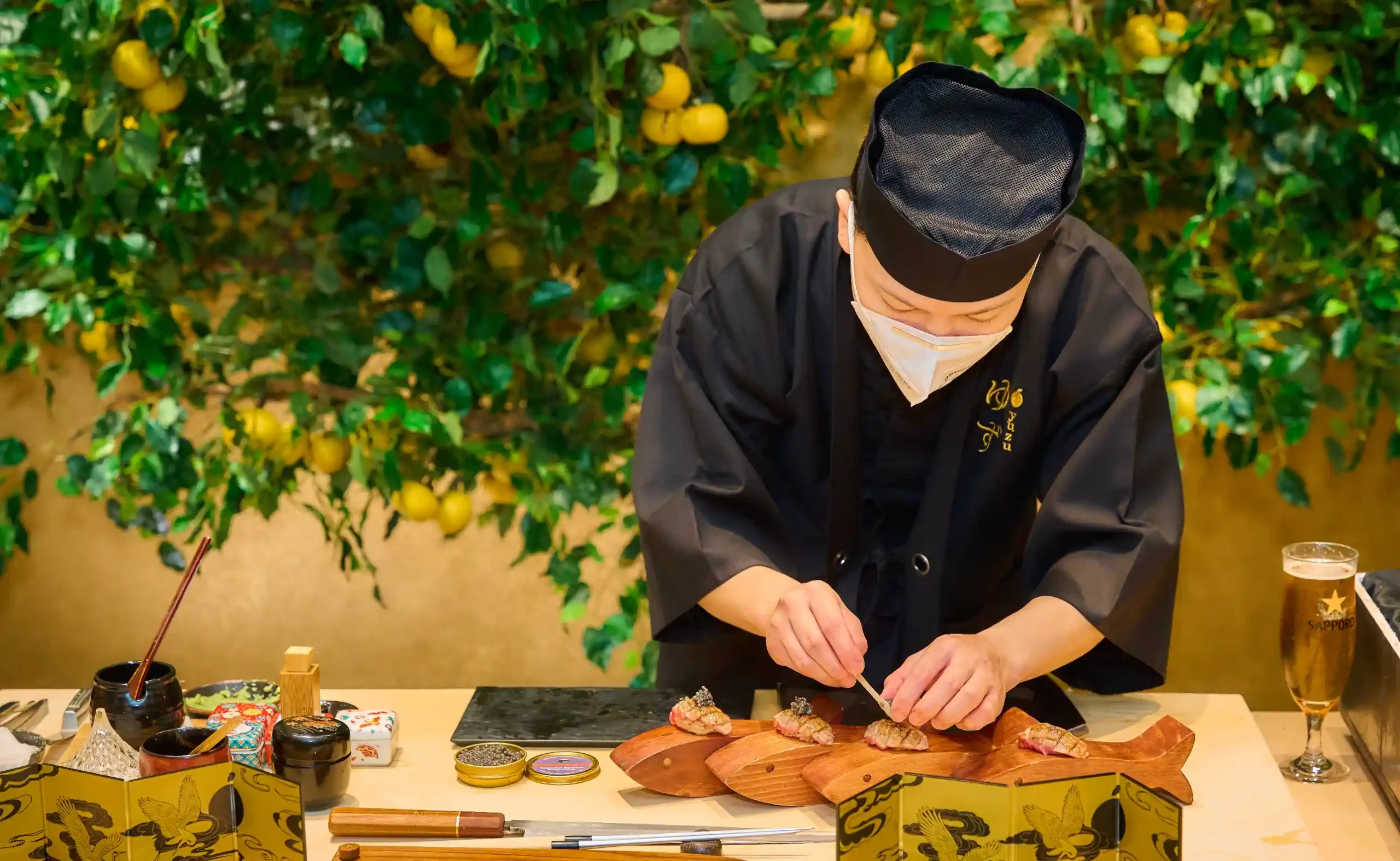
At Yuzu Omakase in Siam Square, each piece — from lean akami to creamy uni — is made to be eaten the moment it is handed over. The kitchen ages its fish, calibrates rice temperature, and times every piece to the guest's pace.
HOW TO RECEIVE NIGIRI BY HAND
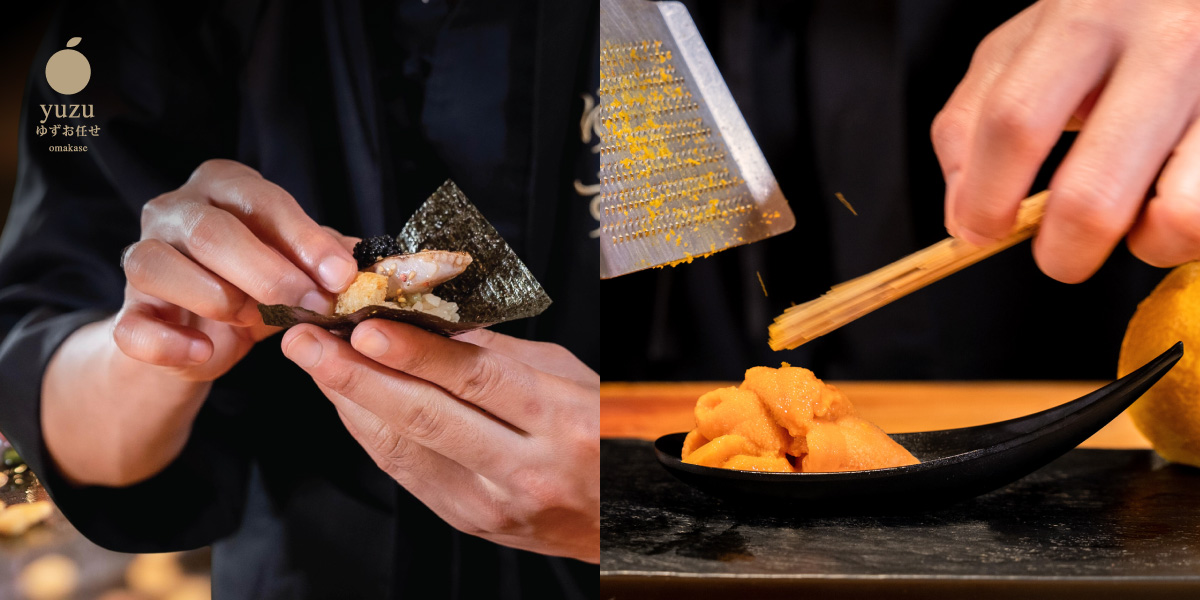
For first-time diners, the etiquette is simple:
- Hold your hand out flat, palm up
- Receive the piece gently — don't grab, just let it rest
- Eat immediately, within 5 seconds
- Do not dip heavily in soy — the chef has already seasoned it
- Eat in one bite, or two deliberate bites for larger pieces
The counter is a conversation. The chef watches how you receive each piece and adjusts the remaining courses accordingly. That feedback loop — entirely non-verbal — is what separates omakase from every other dining format.
WHAT THIS FEELS LIKE IN BANGKOK
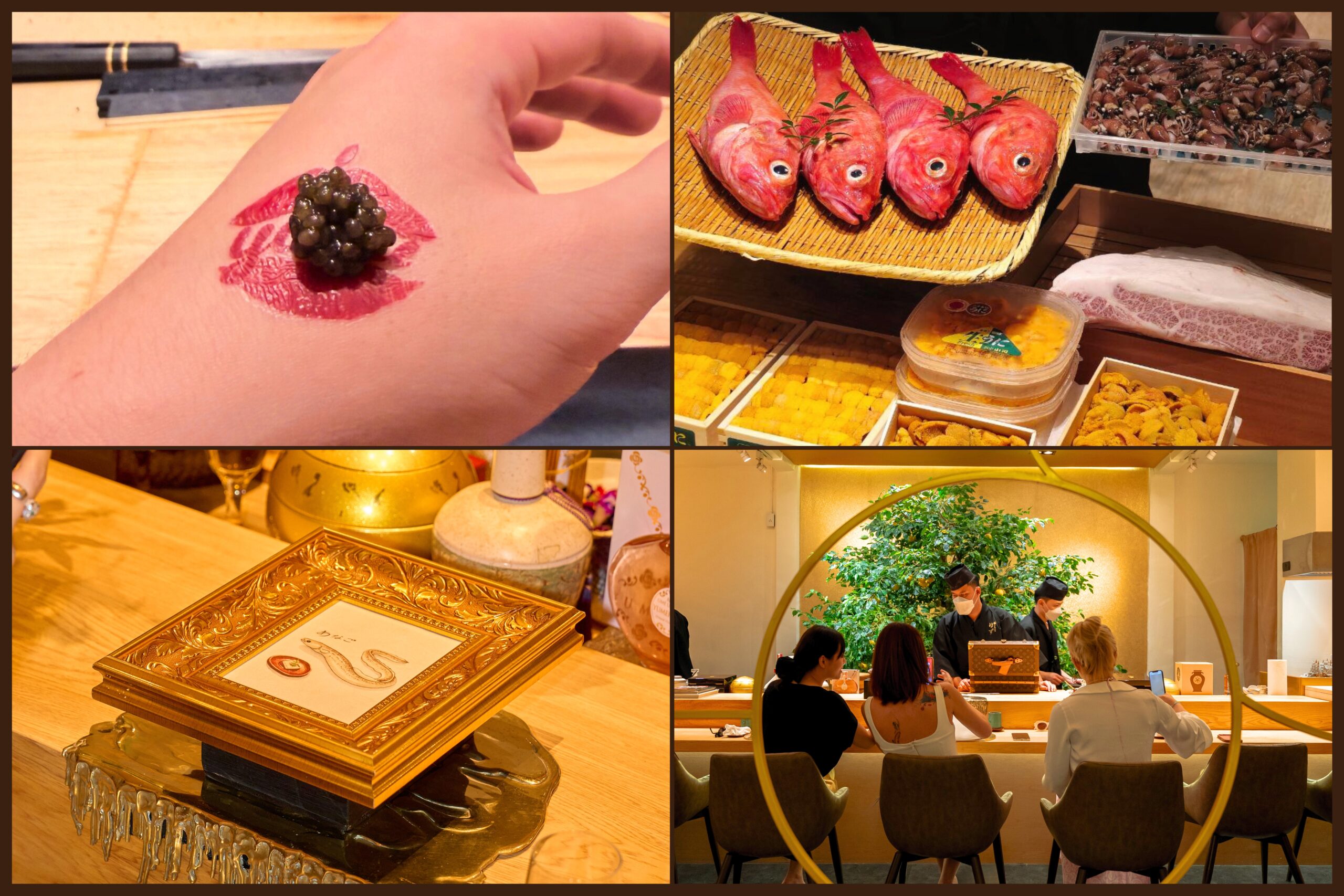
By the third piece, the awkwardness is gone. By the sixth, it feels natural. By the end, you understand why every other way of eating sushi is a compromise.
Bangkok's omakase scene has matured rapidly — counters here now apply the same hand to hand protocols as Tokyo. At Yuzu Omakase, menus run from ฿4,500 (13–15 courses) to ฿9,500 for The Experience (15–18+ premium courses). The hand to hand nigiri sequence is the emotional centrepiece of every format.
FREQUENTLY ASKED QUESTIONS
What is hand to hand nigiri?
The chef places each nigiri piece directly into your open palm. You eat it immediately with your fingers. It is the traditional Edomae method that best preserves temperature, texture, and flavour.
Is eating sushi with hands acceptable?
Yes — at omakase counters, eating nigiri with your fingers is not only acceptable, it is the preferred and traditional method. Chopsticks risk breaking the piece. Your hand preserves it.
Why do chefs hand nigiri directly to you?
Because nigiri is designed to be eaten immediately. Every second of delay changes the rice temperature and texture. Hand to hand is the fastest path from the chef's craft to your palate.
Where can I experience hand to hand nigiri in Bangkok?
Yuzu Omakase at Siam Square (258/9-10 Siam Square Soi 3, Bangkok). Menus from ฿4,500 per person.
RELATE
-
Temperature in Sushi Rice: The Foundation of Authentic Sushi Craftsmanship
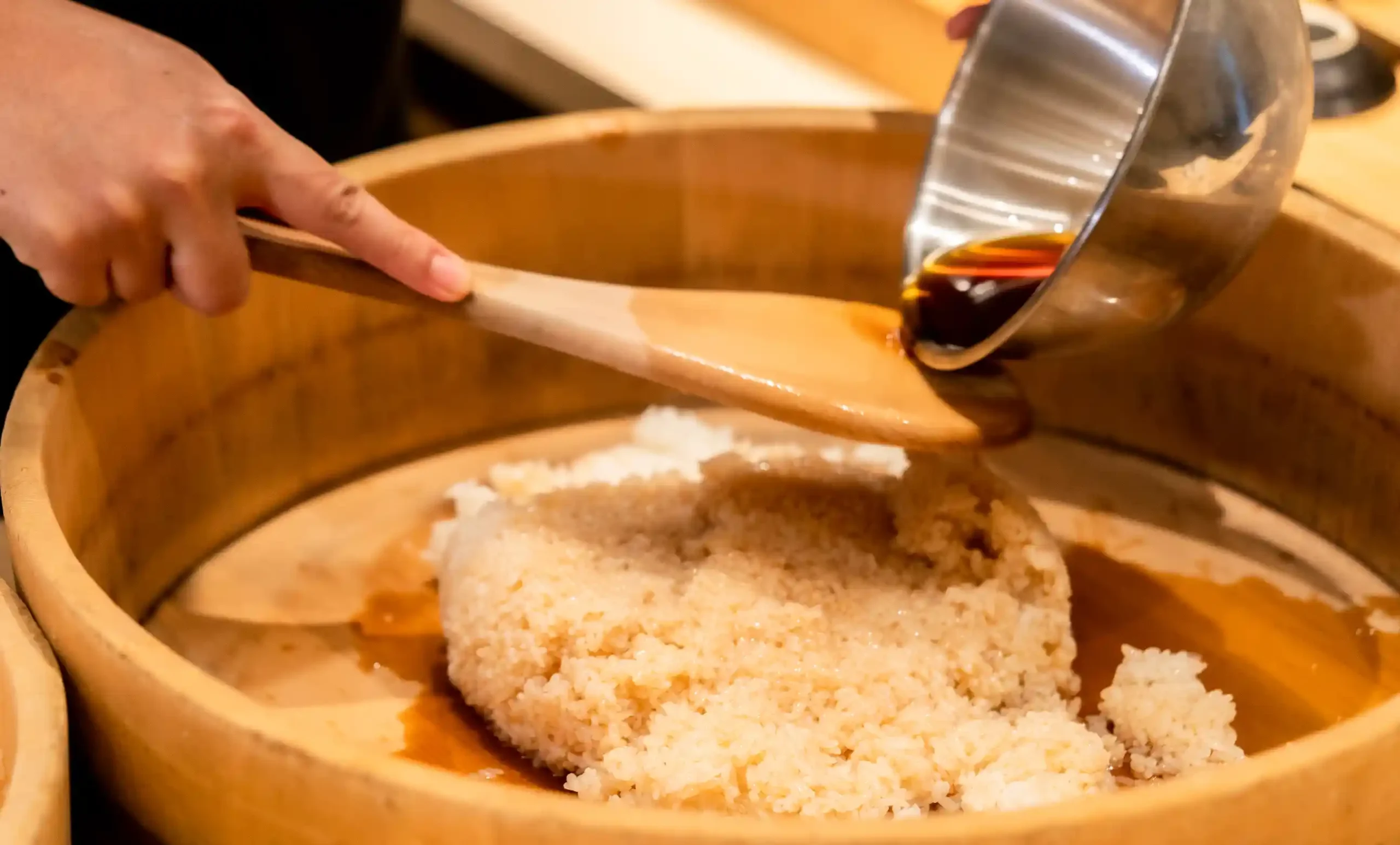
What Is the Ideal Temperature for Sushi Rice? Sushi rice (shari) should be served at body temperature, approximately 35-40°C (95-104°F). This warmth allows the vinegar seasoning to release its aroma, keeps grains soft and glossy, and melts the fat of fish toppings upon contact for optimal flavor release. Key Facts at a Glance Why Does… Continue reading Temperature in Sushi Rice: The Foundation of Authentic Sushi Craftsmanship
Local Story ● 2026 Jan 29
-
Why Is Wasabi Always Served with Sushi?
Wasabi accompanies sushi for three essential reasons: it kills harmful bacteria in raw fish, enhances umami flavor, and cleanses the palate between bites. This pairing dates back to the Edo period in Japan when refrigeration did not exist. Quick Answer Card The Science Behind Wasabi and Raw Fish Wasabi contains allyl isothiocyanate, a natural compound… Continue reading Why Is Wasabi Always Served with Sushi?
Local Story ● 2026 Jan 28
-
Hokkaido Uni vs Kyushu Uni: What’s the Difference?
Hokkaido uni offers a rich, creamy sweetness with a firm texture, while Kyushu uni delivers a lighter, more delicate flavor with a softer, melt-in-your-mouth consistency. The difference comes from water temperature, diet, and harvesting season. Understanding Japanese Sea Urchin Varieties Japan produces some of the world’s finest uni, with regional terroir creating distinct flavor profiles.… Continue reading Hokkaido Uni vs Kyushu Uni: What’s the Difference?
Local Story ● 2026 Jan 22
-
Sushi Knives Explained: Yanagiba, Deba, Usuba and Their Purpose
Japanese sushi knives (hocho) are single-bevel blades designed for specific tasks in washoku cuisine. The essential trio—Yanagiba, Deba, and Usuba—form the foundation of professional sushi preparation, each serving a distinct purpose in the itamae’s craft. Which Knife for What? • Yanagiba: Slicing sashimi and sushi toppings (neta) • Deba: Filleting whole fish, removing heads, breaking… Continue reading Sushi Knives Explained: Yanagiba, Deba, Usuba and Their Purpose
Local Story ● 2026 Jan 22

