




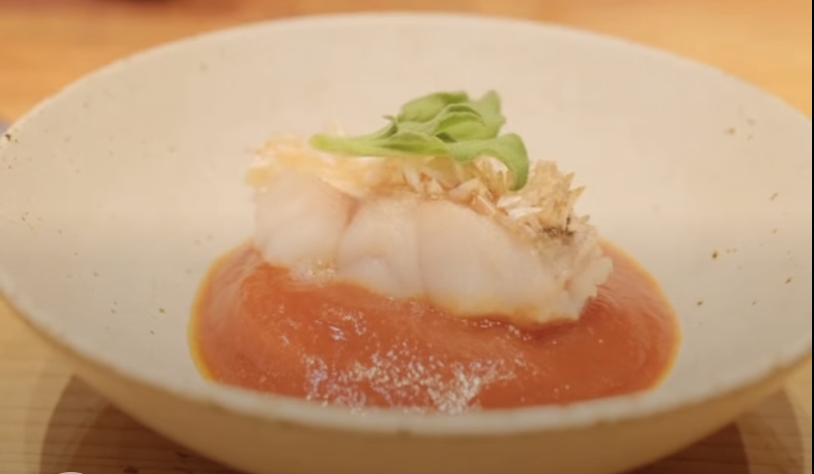
The Best Season to Taste Amadai: Winter, or Summer?
Japanese cooking calls amadai (甘鯛), the Japanese tilefish, a winter fish, at its best from roughly December to February, and Kyoto has a name for it in that season: kan-guji (寒ぐじ). Measured fat tells a different story. The Yamaguchi Prefectural Fisheries Research Center found that red amadai (アカアマダイ) from the Sea of Japan side carries… Continue reading The Best Season to Taste Amadai: Winter, or Summer?
Uncategorized ● 2026 Oct 18
Japanese cooking calls amadai (甘鯛), the Japanese tilefish, a winter fish, at its best from roughly December to February, and Kyoto has a name for it in that season: kan-guji (寒ぐじ).
Measured fat tells a different story. The Yamaguchi Prefectural Fisheries Research Center found that red amadai (アカアマダイ) from the Sea of Japan side carries the most fat in summer.
So the answer depends on what you are looking for: summer for a richer fish, winter for the season Japanese kitchens have always honoured.
For white amadai (シロアマダイ), the rarest of the group, the best months run from late autumn into winter.
Ask a Japanese chef when amadai is at its best and the answer is almost always the same: winter. The belief is so settled in Kyoto that the winter fish has its own name. Then researchers in Japan put the fish on a scale, month by month, measured its fat, and the numbers pointed the other way. Yuzu Omakase looks at what the season of amadai actually is, why tradition and data disagree, and what to ask the chef when you sit down.
Why Amadai Is Called a Winter Fish
In traditional Japanese cooking, amadai belongs to winter, roughly December to February. Kyoto, where amadai is called guji (グジ), calls the winter fish kan-guji (寒ぐじ), “cold guji”.
Amadai landed around Wakasa, north of Kyoto, is sold as Wakasa guji (若狭ぐじ), an indispensable ingredient in Kyoto cuisine, and winter is when it sits at the top of traditional Kyoto menus.
For a Bangkok diner the timing is convenient. Japan’s winter falls at the end and beginning of the year, which is exactly when Bangkok has its coolest weather.
What the Fat Data Says
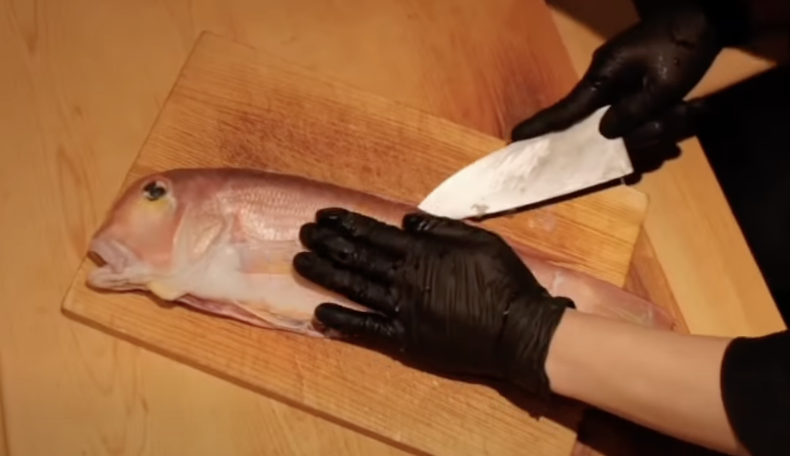
The Yamaguchi Prefectural Fisheries Research Center (山口県水産研究センター) analysed the crude fat content of the prefecture’s important fish across the year, to pin down their seasons with data rather than tradition.
For red amadai caught on the Sea of Japan side, at about 450 to 650 grams, the centre’s conclusion was blunt: red amadai is said to be at its best in winter, but the analysis found its fat peaks in summer.
That does not make the winter tradition wrong. It shows that “best” for amadai has never been measured by fat alone. Amadai is a naturally lean white fish, and what people prize in it is the softness of the flesh and the delicacy of its flavour.
Good to know: Amadai spawns in the warm months. In Yamaguchi the spawning season runs from June to October, with peaks in June and September, so some fish landed in that period are mature and spawning.
Season by Species
What Japan calls amadai is several species, and they do not share a season.
| Species | Season Japanese kitchens honour | What the sources show |
| Red amadai (アカアマダイ), Branchiostegus japonicus | Winter, roughly December to February (kan-guji) | Fat peaks in summer (Yamaguchi, Sea of Japan side); spawns June to October |
| White amadai (シロアマダイ), Branchiostegus albus | Late autumn to winter | Fished September to May; spawning spread from December to May |
White amadai is the one Japan rates highest and finds hardest to get. Its flesh is the firmest of the group, with deep umami and a sweetness of its own. If you meet it late in the year, you are meeting it at its best.
How a Chef Chooses Amadai, If Not by the Calendar
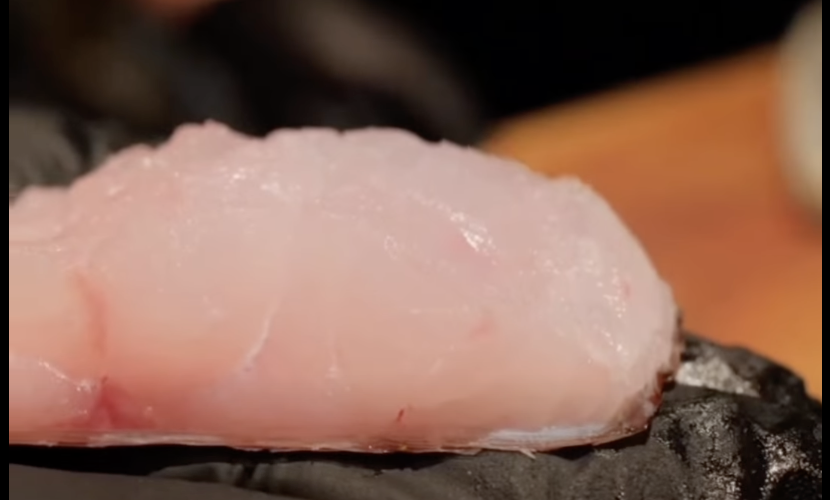
A season tells you what to look for. It cannot tell you which fish is good. Two amadai caught in the same month off the same coast can be very different, so the chef judges the fish itself.
- The eyes: clear and full, never cloudy or sunken.
- The flesh: soft by nature, but it should spring back when pressed rather than stay dented.
- The smell: clean, like the sea, with nothing fishy.
- The cold chain: amadai is soft and loses freshness quickly, so unbroken cold from the port to the counter matters as much as the month it was caught.
Matching the Fish to the Cooking
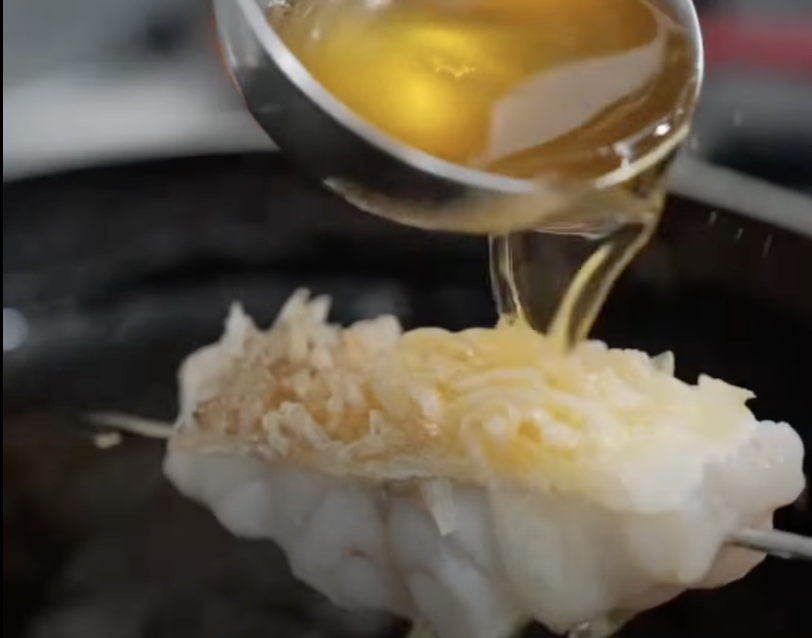
Amadai from different seasons suits different treatments. The pairings below follow from the character of the flesh. They are a guide, not a rule.
- A richer fish suits fire: uroko-yaki (鱗焼き), grilled with the scales standing up crisp, or saikyo-yaki (西京焼き), grilled after marinating in white miso, where heat draws out the fragrance of the fat.
- A leaner, cleaner fish suits gentle heat: sakamushi (酒蒸し), steamed with sake, or a clear kombu broth, where the delicate white flesh stays in front.
- Very fresh white amadai can be eaten raw, or as yakishimo (焼霜造り), with only the skin seared.
Amadai in an Omakase Meal
In an omakase meal, the season decides which fish reaches the counter. Amadai is not on the course every month, and when it appears, the chef chooses the treatment for that fish at that moment.
At Yuzu Omakase, a counter in Siam Square where the season decides the menu, the best question for the chef is not “do you have amadai?” It is “which fish is best right now?”
Frequently Asked Questions
Q: When is amadai in season?
A: Japanese cooking honours amadai in winter, roughly December to February, which Kyoto calls kan-guji. Research by the Yamaguchi Prefectural Fisheries Research Center found that red amadai from the Sea of Japan side carries the most fat in summer.
Q: What is kan-guji?
A: Kan-guji (寒ぐじ) is Kyoto’s name for amadai in winter. Kan (寒) means cold, and guji (グジ) is what amadai is called in Kyoto and the Kansai region.
Q: Is summer amadai good?
A: Yes, in a different way. Yamaguchi research found that red amadai from the Sea of Japan side reaches its highest fat content in summer, which suits grilling.
Q: When is white amadai in season?
A: White amadai is fished from September to May, and it is at its best from late autumn into winter.
Q: When does amadai spawn?
A: In Yamaguchi, red amadai spawns from June to October, with peaks in June and September.
Amadai’s season has no single answer. Kyoto’s tradition says winter, the laboratory says summer, and every fish says something of its own once it is in the chef’s hands. Perhaps the best answer is not a month at all, but leaving the choice to the person who has actually seen the fish.
Reserve a seat at Yuzu Omakase, 2F, 258/9 to 10 Siam Square Soi 3, Pathumwan, Bangkok.
Website: https://www.yuzuomakase.com/
Tel: 0638988989
FB: Yuzu Omakase
RELATE
-
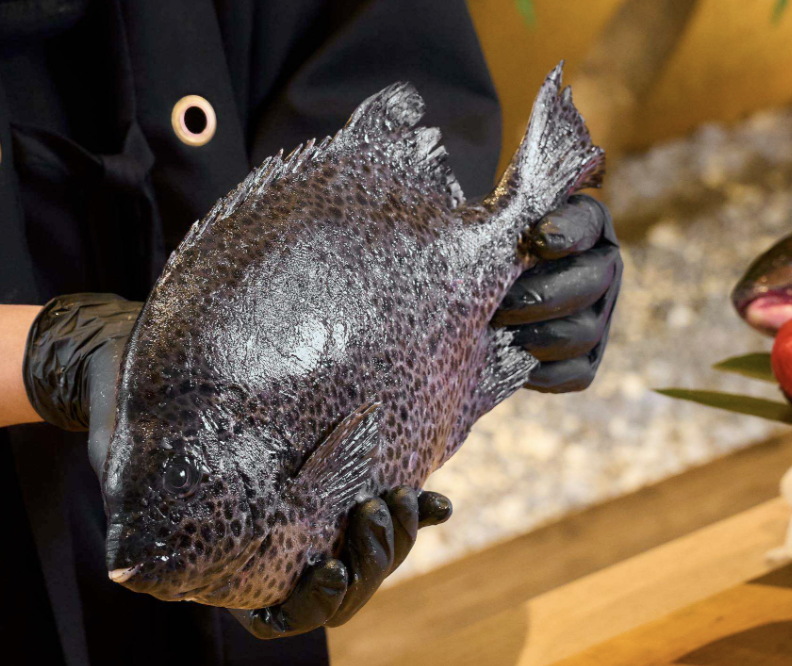
Ishigaki Dai: The Stone Wall Fish, and How It Differs From Ishidai
Ishigaki dai (イシガキダイ, 石垣鯛) is the spotted knifejaw, Oplegnathus punctatus, a white fleshed fish from the rocky coasts of southern Japan in the family Oplegnathidae. It is not another name for ishidai (石鯛). The two are separate species in the same family: ishigaki dai is covered in dark spots, and ishidai carries black vertical bars.… Continue reading Ishigaki Dai: The Stone Wall Fish, and How It Differs From Ishidai
Uncategorized ● 2026 Oct 19
-
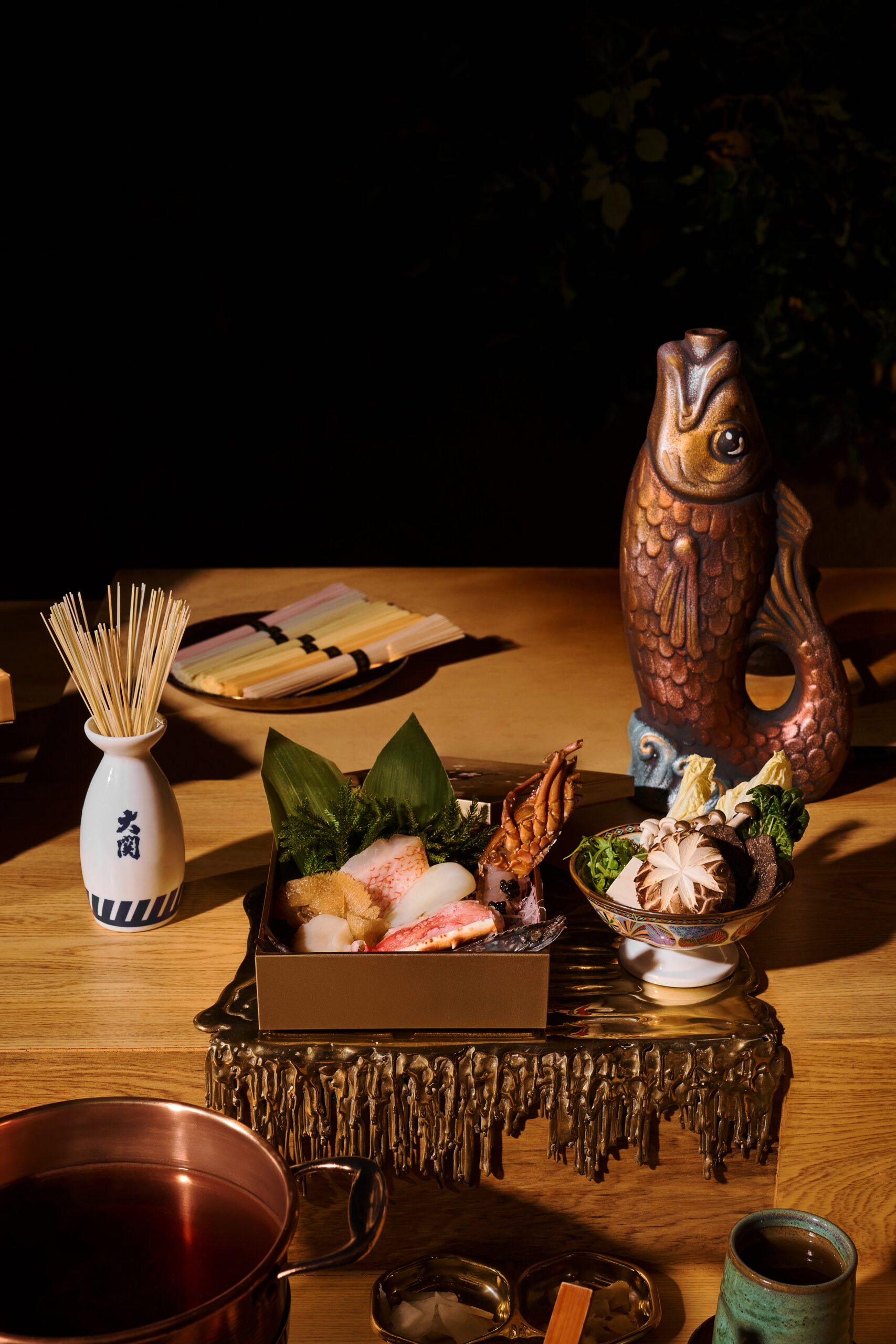
What is Wagyu Kappo? The Counter-Style Wagyu Course Explained (2026)
Wagyu Kappo is a Japanese counter-style dining format built around premium wagyu beef. The chef cooks in front of the guest, course by course, using grilling, searing, simmering and lightly raw preparations to show different sides of the same animal. Kappo (割烹) literally means “to cut and to cook with heat”, and a wagyu kappo… Continue reading What is Wagyu Kappo? The Counter-Style Wagyu Course Explained (2026)
Uncategorized ● 2026 Apr 29
-
Yuzu Omakase × Central Cee: Inside the Bangkok Afterparty (2026)
On 20 March 2026, Yuzu Omakase brought its kitchen to The Yang’s Club 94 in Bangkok for the Central Cee afterparty, part of the British artist’s Asia tour. The collaboration was the first time the omakase counter known for its 19-seat Siam Square dining room stepped out of its dining room and into a club.… Continue reading Yuzu Omakase × Central Cee: Inside the Bangkok Afterparty (2026)
Uncategorized ● 2026 Apr 29
-
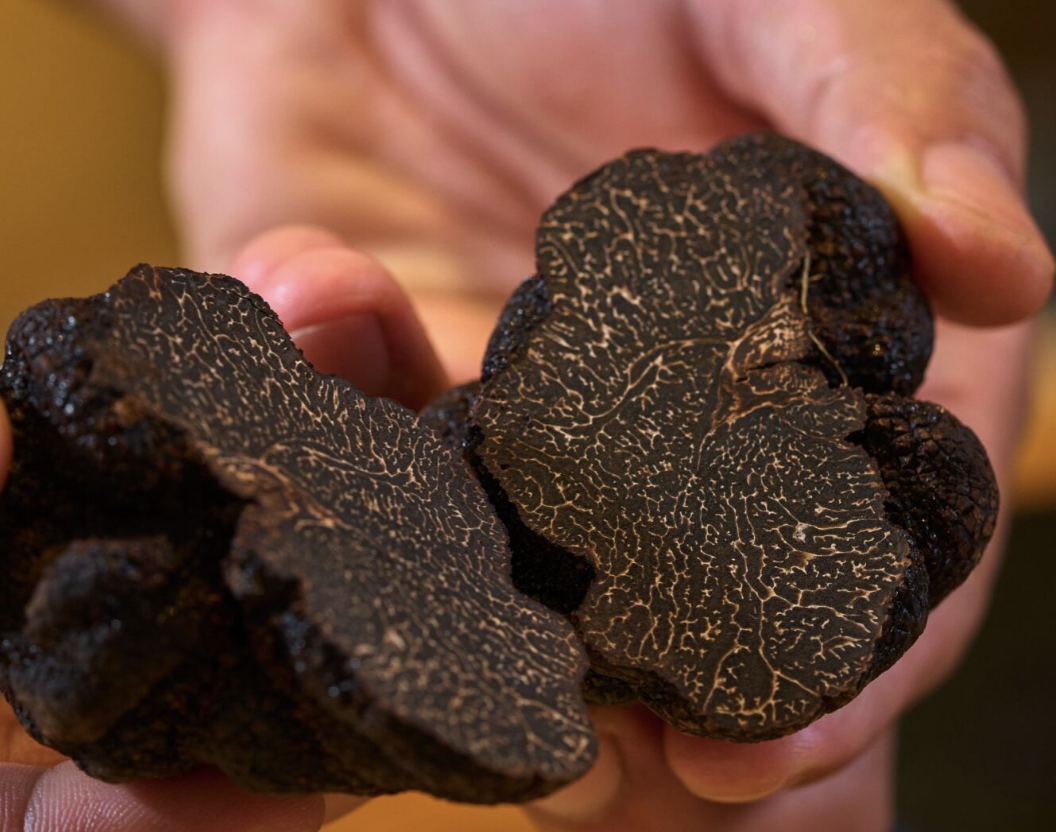
Why Truffle Is the King of Mushrooms and Flavours
Truffle is the most expensive ingredient on earth by weight — and it earns the title. No other fungus, no other flavour, comes close to the depth, complexity, and sheer rarity of a fresh truffle. One bite and you understand why chefs across Bangkok compete to source it, and why a single white truffle can… Continue reading Why Truffle Is the King of Mushrooms and Flavours
Uncategorized ● 2026 Mar 11

