




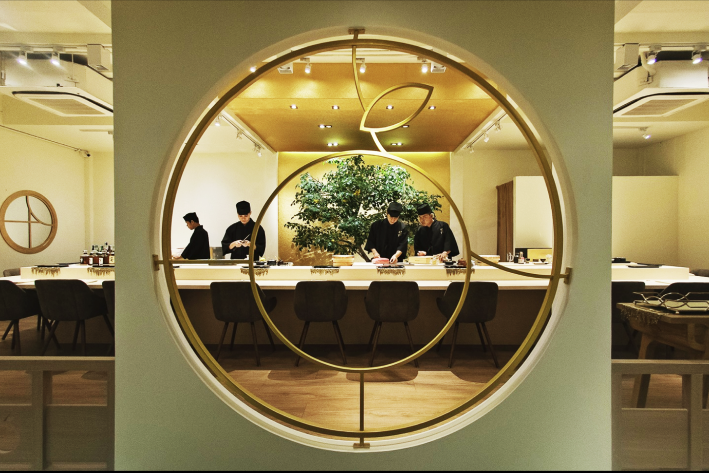
Why Does Omakase Need to Be Creative?
Omakase (お任せ) comes from the Japanese verb makaseru (任せる), to entrust, and means “I’ll leave it up to you,” so an omakase meal is one the diner hands to the chef instead of ordering from a menu. Omakase needs to be creative because the chef is expected to build the meal around the day’s seasonal… Continue reading Why Does Omakase Need to Be Creative?
Our Creations ● 2026 Sep 23
Omakase (お任せ) comes from the Japanese verb makaseru (任せる), to entrust, and means "I'll leave it up to you," so an omakase meal is one the diner hands to the chef instead of ordering from a menu.
Omakase needs to be creative because the chef is expected to build the meal around the day's seasonal ingredients and around the diner's reactions as the courses arrive, which no fixed menu can do.
Edomae sushi, the Tokyo tradition most omakase counters work in, was itself an invention: zuke, shime and nitsuke were developed in Edo because there were no refrigerators to keep raw fish fresh.
Creativity in omakase works when it serves the ingredient and the season, and it fails when the idea becomes louder than the fish.
The chef has already set down the first piece when you notice the second fish waiting on the board, and it is not the one you expected. The chef slices, glances up at you, brushes the surface with a little sauce and places it in front of you. Nobody asked what you would like. That is the arrangement at an omakase counter, and it raises a question most diners never put into words: what is the chef supposed to do with the freedom you just handed over? Yuzu Omakase would like to make the case that the answer is creativity, of a particular and disciplined kind.
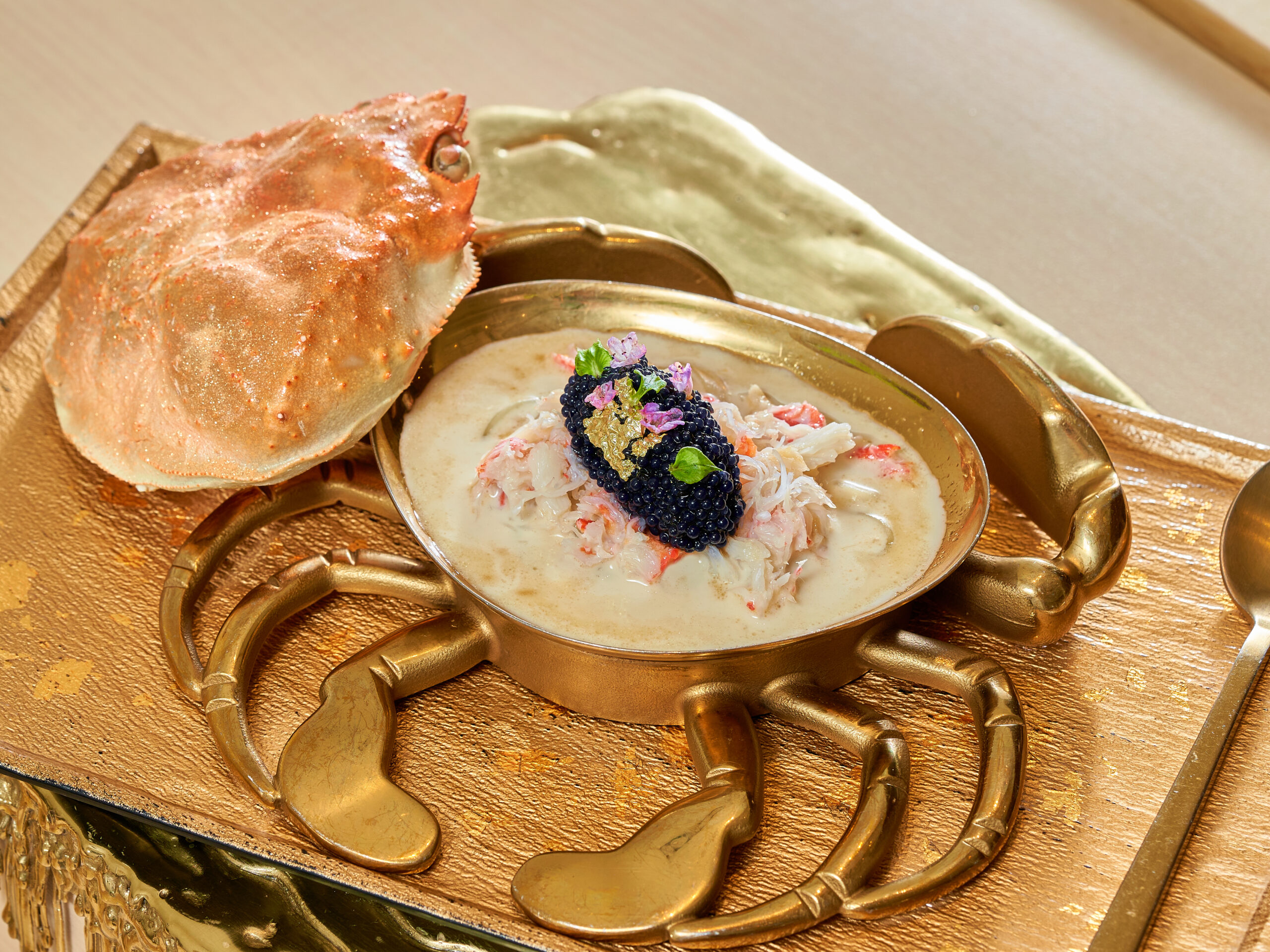
What Omakase Actually Means
Omakase is a Japanese word meaning "I'll leave it up to you," built from makaseru (任せる), the verb for entrusting something to another person. At a sushi counter it describes a meal the diner does not order: the chef decides what arrives, in what sequence, and at what pace.
The habit is older than the fashion for it. A Michelin feature on the word, drawing on Trevor Corson's history The Story of Sushi, notes that sushi bars in Japan historically did not even have menus. Omakase was simply what a knowing customer said on sitting down.
Without a menu there is nothing for the chef to repeat. Every evening has to be composed.
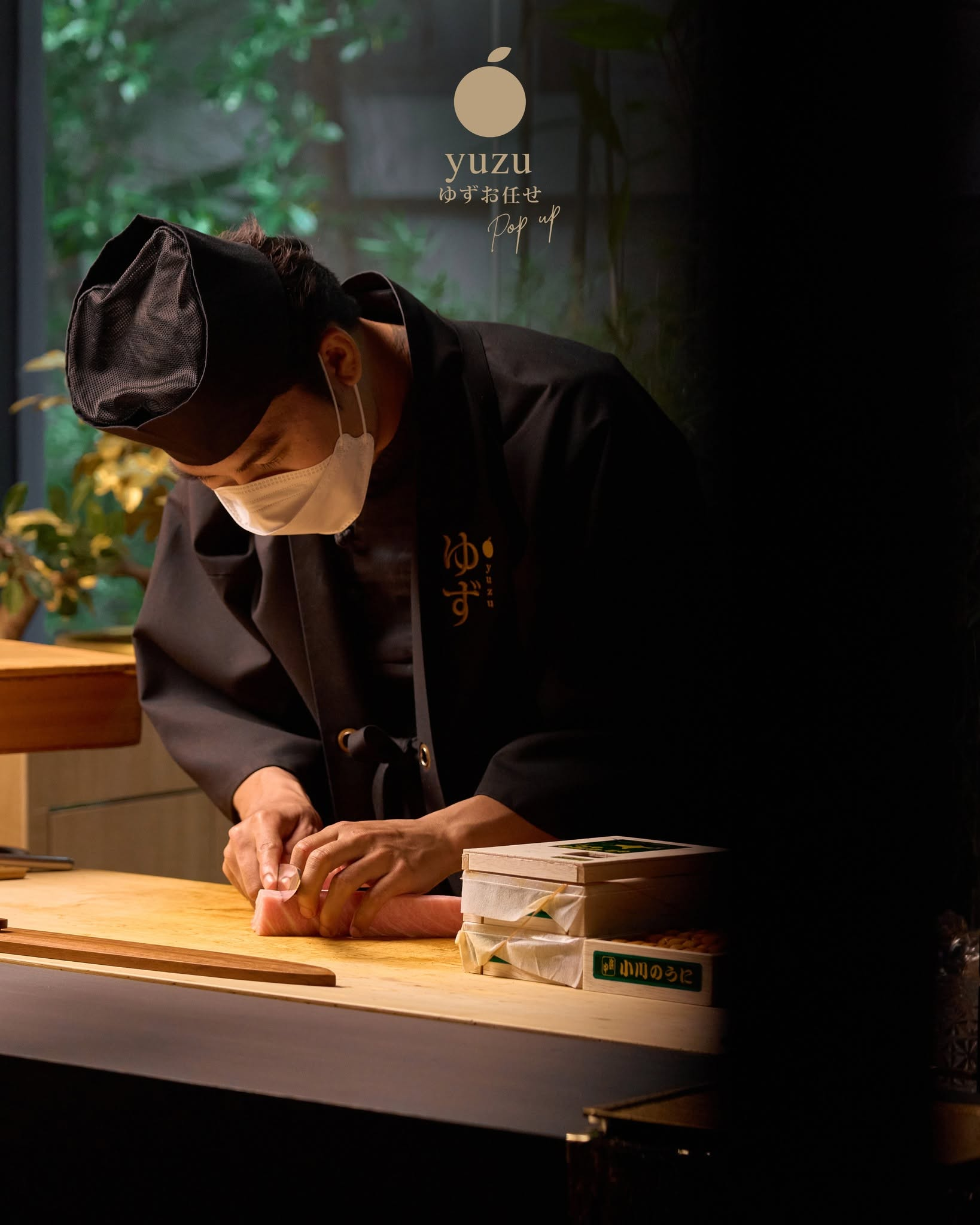
Leaving It to the Chef Is an Act of Trust
Leaving an omakase meal to the chef is a transfer of trust, and trust carries an expectation in both directions: diners expect the chef to be innovative and surprising in what they select, and the chef watches how each course is received and adjusts the courses that remain.
A diner who says omakase has given up control, the one thing a menu offers. What comes back cannot be the meal anyone could have ordered, or the exchange is empty. Chefs interviewed for that same Michelin feature describe opening with a few small dishes to read how a guest responds before going somewhere more adventurous, and sometimes changing direction halfway through.
That is creativity in its most basic form. It is attention first, and then the nerve to act on what attention tells you.
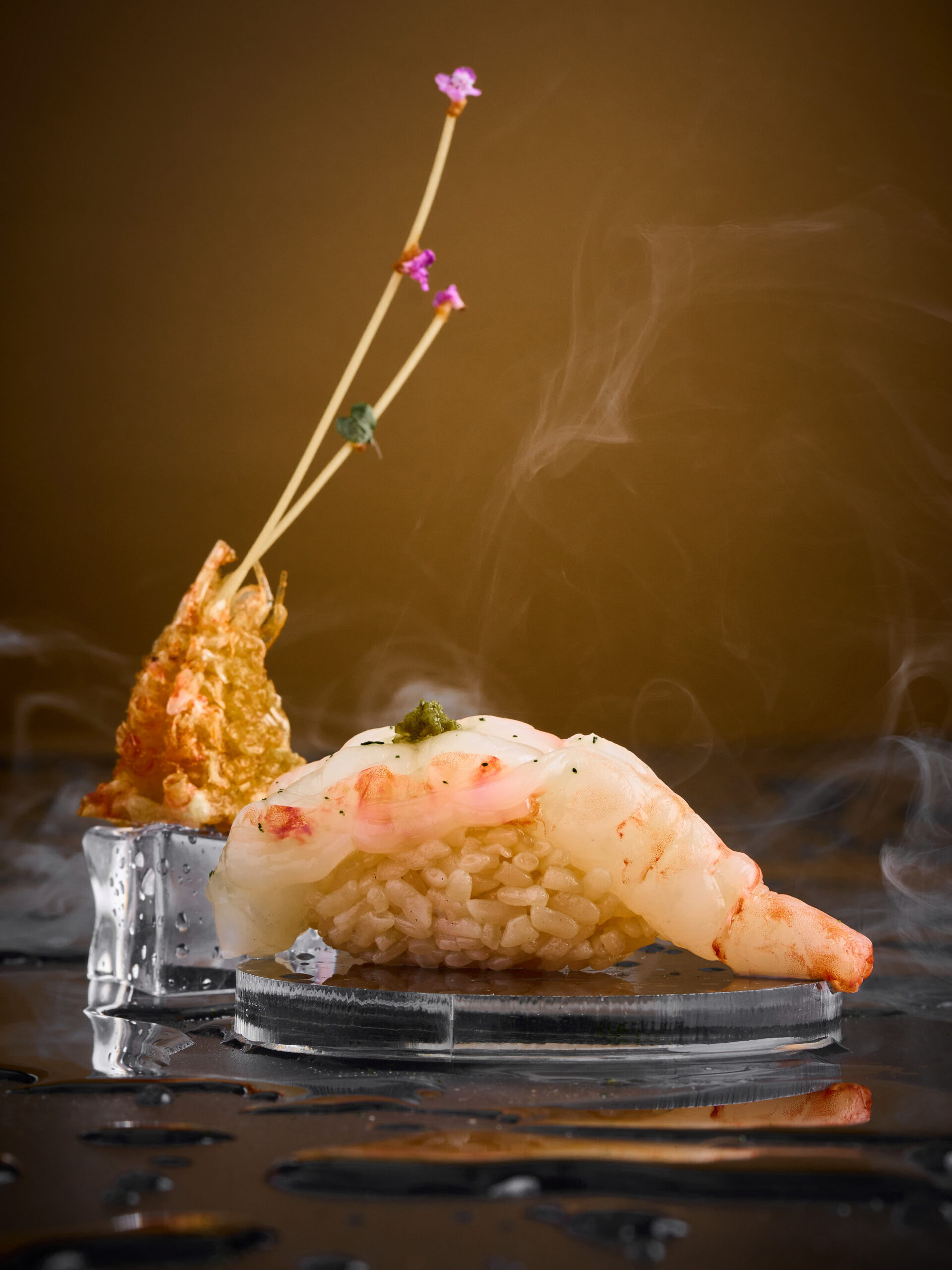
Tradition and Invention in Edomae Sushi
Edomae sushi, the style most omakase counters trace themselves to, began as an invention rather than an inheritance. Nigirizushi, a mound of rice with a slice of fish laid over it, became popular in Edo, present day Tokyo, in the 1820s or 1830s. One common story credits the chef Hanaya Yohei with inventing or perfecting it in 1824 at his shop in Ryōgoku. The name came from where the fish came from: Edo-mae, the water in front of Edo, now Tokyo Bay.
The techniques now called classical were answers to a practical problem. Tokyo's official gourmet guide notes that in those days there were no refrigerators and no modern transport, so raw fish was hard to keep fresh. Chefs responded with zuke, marinating in soy sauce, with shime, curing in salt and vinegar, and with nitsuke, simmering. Each of these was once a new idea, tried by someone holding a fish that would not wait.
So the view that omakase should stay traditional and leave creativity to other kitchens misreads the tradition, which is a record of chefs solving the problem in front of them. Toshikatsu Aoki, the second generation chef of Ginza Sushi Aoki in Tokyo, said it to the same guide in a single line: "If you want people to find your sushi delicious in every era, you can't cling only to the old ways."
**Chef's Insight:** The techniques that look fixed today were chosen because they worked on a particular fish on a particular day. Respecting them means asking the question they once answered, not only repeating the answer.
How Seasonality and the Market Force Creativity
Seasonality forces creativity in omakase because the ingredients change faster than any printed menu could. Japanese cooking follows a fish through its season, an idea called shun (旬). Hashiri (走り) is the first arrival at market, prized for its liveliness even before the flavour has matured. At the peak, the fish has put on fat as it approaches breeding and tastes at its richest. Nagori (名残) is the last of the season, eaten knowing it is about to leave.
The same fish at those moments is not quite the same ingredient. An early piece may want little more than a clean cut. A peak piece may carry enough fat to take a brief sear. None of this can be decided months in advance, because the fish decides it.
For a counter in Bangkok there is another layer. Yuzu Omakase sources from Toyosu in Tokyo and keeps the cold chain unbroken from the market to the counter in Siam Square, so what arrives reflects what the market held that day, not a list agreed long before. The work of Yuzu's Tokyo trained chefs begins when the box is opened: what came in, and what it should become tonight.
Where Creativity in Omakase Goes Wrong
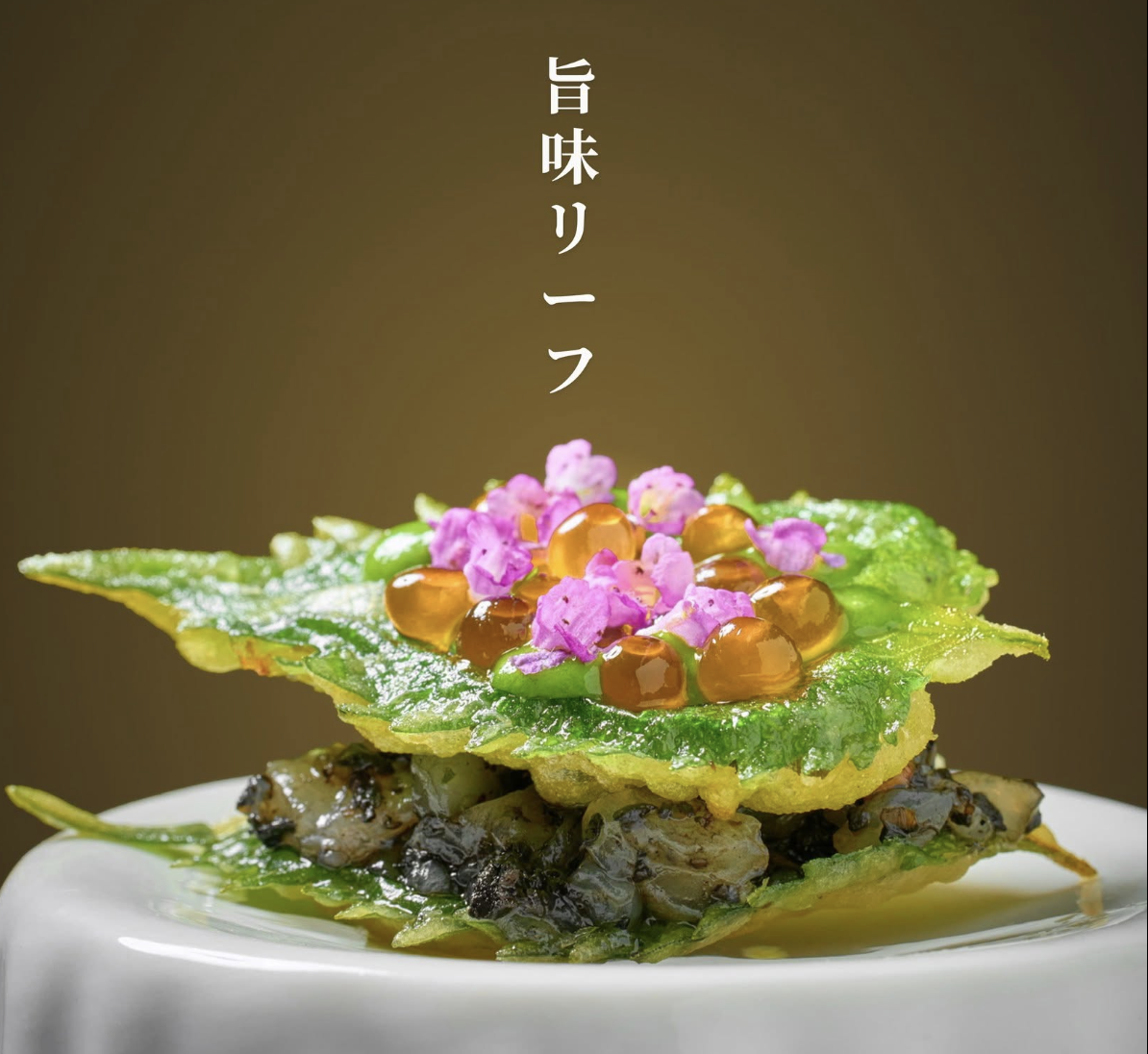
Creativity in omakase goes wrong when the idea becomes the point and the ingredient becomes the vehicle. Most diners have met this version: a luxury garnish added because it impresses rather than because the fish asked for it, a piece dressed so heavily it could have been made with any fish at all. It photographs well. It tells you nothing about the sea.
The test is simple to state: does the change let you taste the fish more clearly, or less? A few grains of salt in place of soy on a piece of white fish can be a genuinely creative decision, because it reveals something soy would cover. The modern touches Aoki describes at his own counter are rock salt and lemon, used to refresh the flavour of the fish rather than disguise it.
Restraint, then, is not the opposite of creativity. It is the part of creativity that decides what to leave out.
Yuzu Omakase keeps a running record of what its kitchen makes in its Our Creations journal, and that is the place to see this judgement applied to real dishes.
**Chef's Insight:** A useful test for any new idea at the counter is whether it would taste the same with a different fish. If it would, the idea is about the chef. If it would not, the idea is about the ingredient.
Frequently Asked Questions
What does omakase mean?
A: Omakase (お任せ) means "I'll leave it up to you." It comes from makaseru (任せる), to entrust, and describes a meal the diner does not order: the chef chooses the dishes and their sequence from that day's seasonal ingredients.
What's so special about omakase?
A: An omakase meal is composed for the people at the counter rather than chosen from a list. The chef works from the day's seasonal ingredients and adjusts the courses to come as each piece is received, which is why diners expect an omakase chef to be creative.
What is the difference between omakase and sushi?
A: Sushi is the food and omakase is a way of ordering it. Sushi can be ordered piece by piece from a menu, while omakase hands every choice to the chef. Most omakase counters work in the Edomae style, which became popular in Edo in the 1820s or 1830s.
Why is omakase so expensive?
A: Omakase is built on the finest ingredients available on the day, chosen for quality and season, and each piece is prepared by hand at the counter. Yuzu Omakase has written about why omakase costs what it does in more detail.
The beauty of Japanese food often hides in its simplest details, and creativity at an omakase counter usually lives there too. It is in a slice cut a little thinner because the fish is leaner this month, or a richer piece held back because the guest across the counter is ready for something quieter. Handing a chef the menu is not a request to be impressed. It is a request to be understood, one piece at a time.
If you would like to leave an evening to the chef, reserve a seat at the Yuzu Omakase
Website: https://www.yuzuomakase.com/
Tel: 0638988989
FB: Yuzu Omakase
IG: yuzu_omakase
RELATE
-
What Is Whisky Jelly?
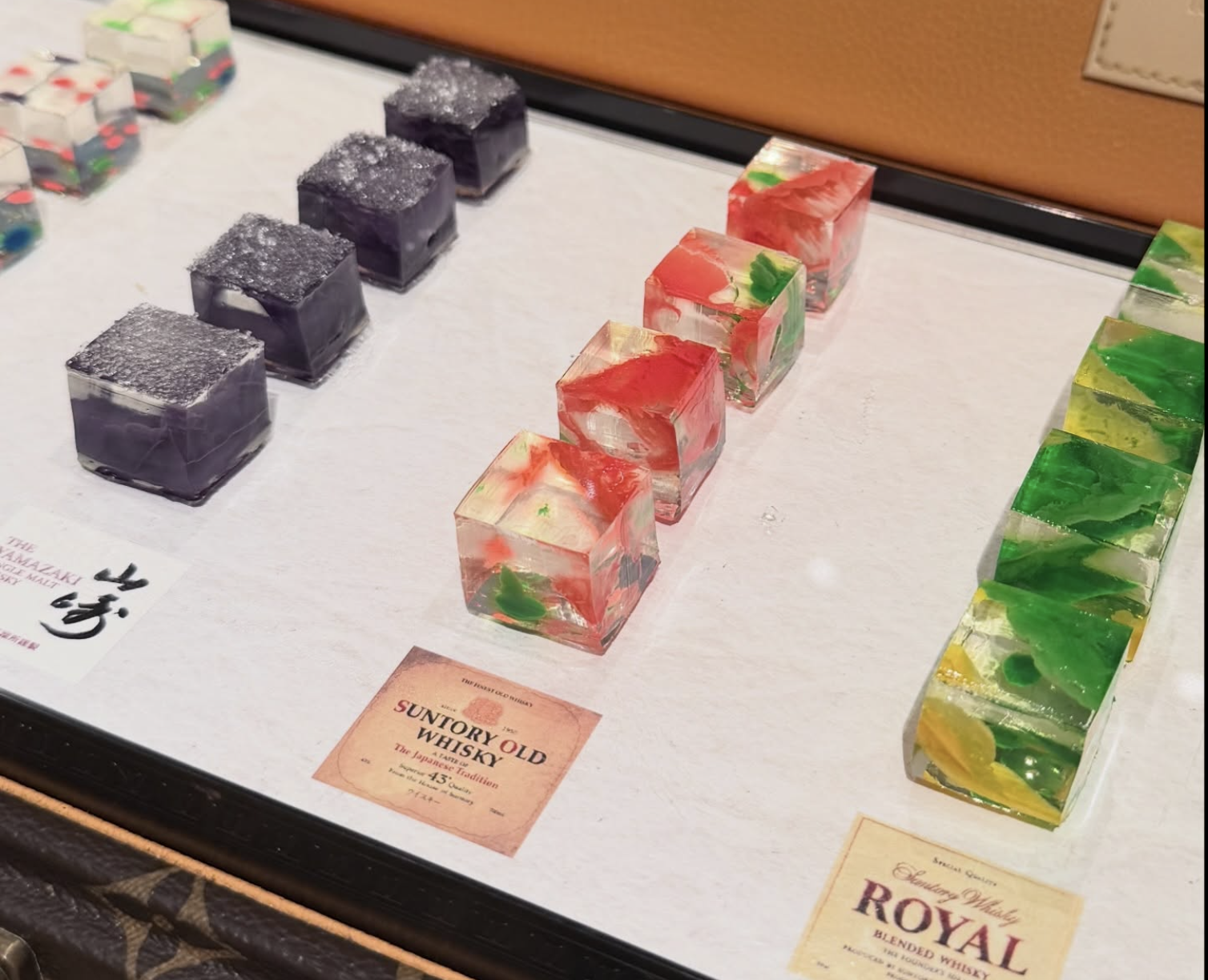
Whisky jelly is a set dessert in which whisky is the flavouring rather than the drink, served in the same form Japan has used for coffee jelly and fruit jelly for roughly a century. Japan’s jelly dessert tradition is not ancient. It arrived in the Taisho period, from 1912 to 1926, as a domestic answer… Continue reading What Is Whisky Jelly?
Our Creations ● 2026 Aug 30
-
We Go Unlimited: 8th Anniversary | Yuzu Omakase Bangkok
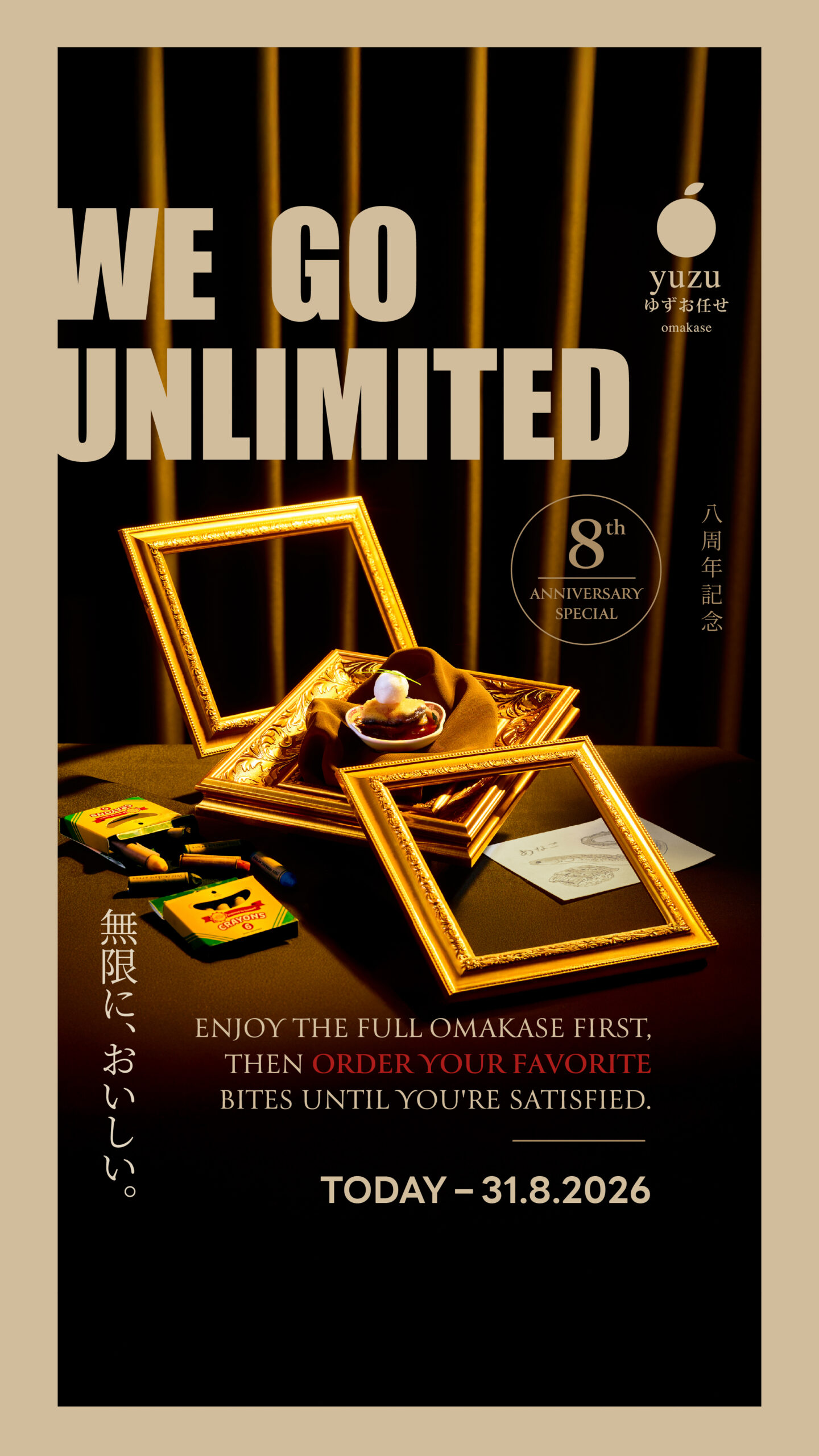
Eight years ago, Yuzu Omakase seated its first guests in Bangkok. To mark the eighth anniversary, the house is making a simple, generous promise called We Go Unlimited. Your full omakase (お任せ) course is served first, exactly as the chef composed it, from the first bite to the last. Then, once the last course has… Continue reading We Go Unlimited: 8th Anniversary | Yuzu Omakase Bangkok
Our Creations ● 2026 Jul 14
-
A New Beverage Pairing, Built Around the Counter
An omakase moves in courses, and so should the drink beside it. Yuzu Omakase has introduced a new beverage pairing at its Siam Square counter in Bangkok, a sequence of pours chosen to follow the meal rather than sit apart from it. The pairing arrives in three forms: a House Pairing that crosses sake, whisky,… Continue reading A New Beverage Pairing, Built Around the Counter
Our Creations ● 2026 May 29
-
The Rise of Private Dining Omakase: Why Intimate Settings Matter
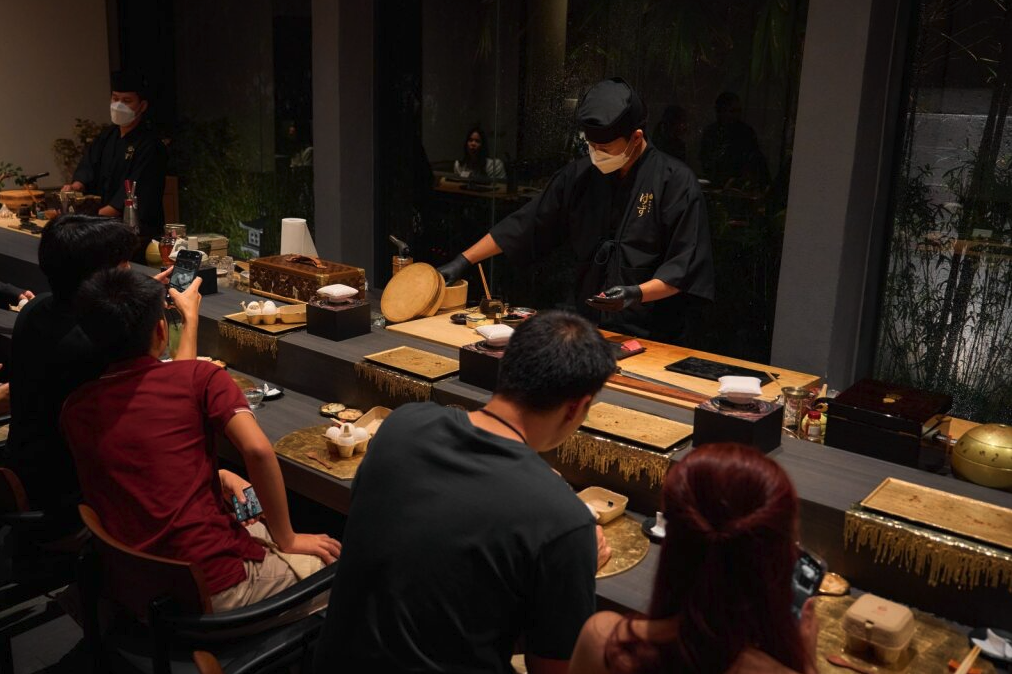
Private omakase is not an upgrade to the standard experience. It is the return to what omakase was always designed to be: one chef, one table, complete trust. The private dining room does not add something to the experience. It removes the one thing that was never supposed to be part of it in the… Continue reading The Rise of Private Dining Omakase: Why Intimate Settings Matter
Our Creations ● 2026 Mar 27

