




Opening the Senses: The Yuzu Omakase Sashimi Course
When freshness meets precision, the result is not a meal. It is a luxury experience you do not forget. Yuzu Omakase invites you into a new dimension of omakase with an exclusive offering: the Sashimi Course, where the chef deliberately removes the sushi rice so the texture and the true character of each premium ingredient… Continue reading Opening the Senses: The Yuzu Omakase Sashimi Course
Our Creations ● 2026 May 29
When freshness meets precision, the result is not a meal. It is a luxury experience you do not forget. Yuzu Omakase invites you into a new dimension of omakase with an exclusive offering: the Sashimi Course, where the chef deliberately removes the sushi rice so the texture and the true character of each premium ingredient can shine on their own.
A sashimi omakase course is a chef-curated tasting menu of seasonal raw and lightly finished seafood served without sushi rice, so flavor and texture come entirely from the ingredient and the chef’s knife work. At Yuzu Omakase in Bangkok, the Sashimi Course runs across four chapters, from delicate white fish to A5 Wagyu with uni and caviar, closing on yuzu. Priced at 15,000++ THB per person, by reservation.
What is a sashimi course in an omakase restaurant?
A sashimi omakase is a tasting menu the chef designs with care, from sourcing the ingredients to sequencing the flavors and textures, all to elevate the genuine taste of fresh, seasonal seafood. Nothing hides behind rice. Every piece stands on its own.
How is it different from a nigiri course?
A nigiri course is built on the balance between warm sushi rice and the topping. The rice cuts richness and adds texture. A sashimi course removes that safety net. With no rice to balance or support the fish, everything rests on the chef’s skill to draw out each ingredient’s natural umami at its peak.
A modern take on omakase: what makes the Sashimi Course special
Traditional omakase centers on nigiri. The chef serves only three or four bites of sashimi or small starters, called tsumami, early in the meal to open the palate. In modern omakase, the new wave, chefs have spun the Sashimi Course into its own experience, shaped by how diners eat today and by the desire to test the chef’s limits. It rests on four dimensions of flavor and texture.
The art of the cut and temperature control
Without warm sushi rice, the mouthfeel of the fish depends entirely on the angle and direction of the knife. The chef calculates the size and the serving temperature of each piece to perfection.
Drawing out umami through aging
Many people assume the best sashimi is simply the freshest. In a premium sashimi course, that is not true. Almost every fish is aged for a different length of time, one day, three days, sometimes a full week, so the umami deepens into the truest, fullest expression of the ingredient.
Placement and timing
Eating raw fish piece after piece can quickly lead to palate fatigue, a heaviness from the oils. The magic of the sashimi course is in the chef’s sequencing, keeping each course exciting and refreshing from first bite to last.
A poem composed by nature: the Yuzu Omakase Sashimi Course
To bring you the natural umami of each season (shun), the chef sequences the course like a poem written with care and inspired by nature, telling the story of every fresh ingredient.
The Ocean’s Prelude
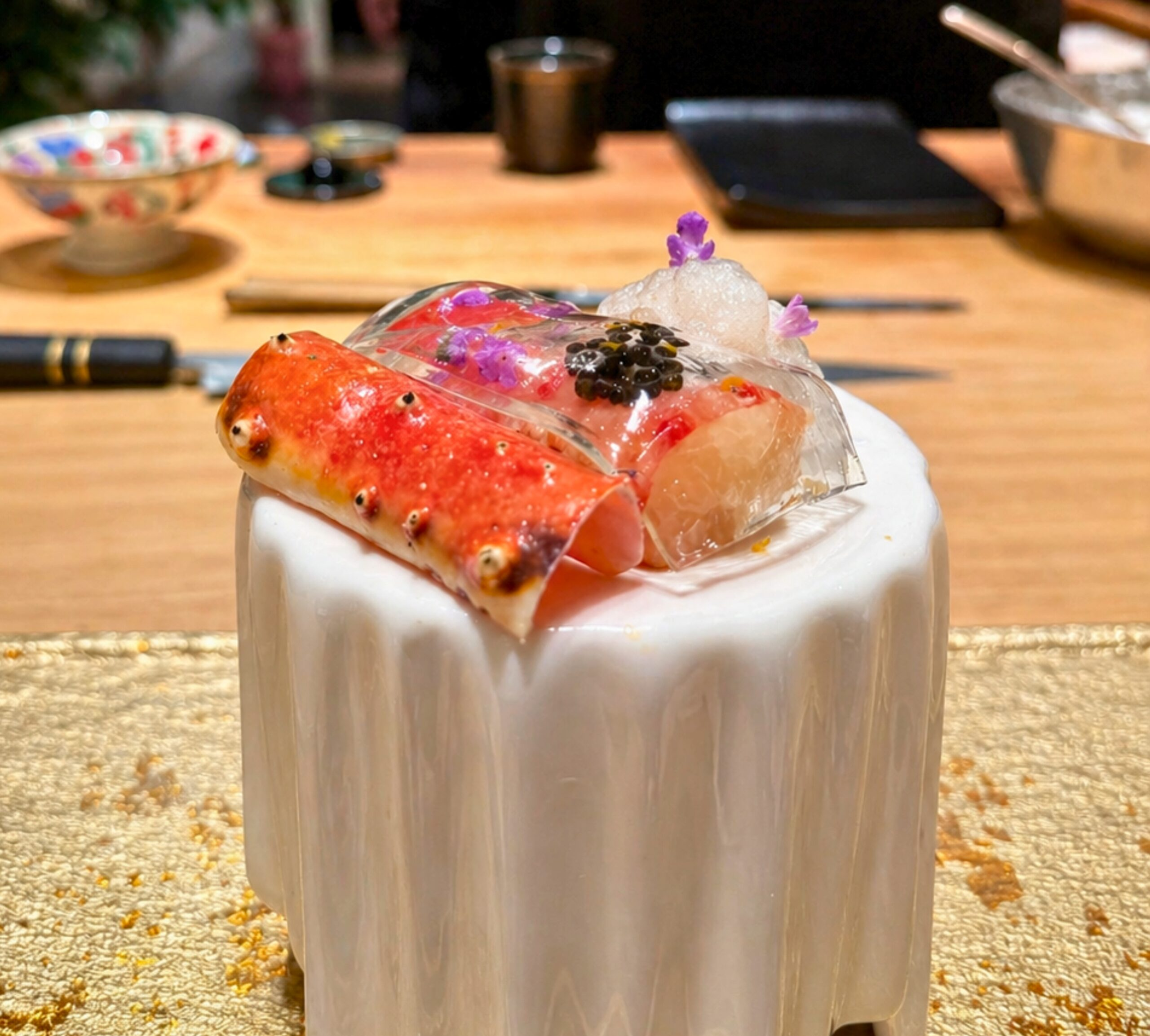
We open the palate gently with sweet, light, clean white fish, and refresh the tongue with Ensui Uni, sea urchin cured in natural saltwater for a soft, sweet finish (no alum, so no bitterness). Then comes the signature snap and bounce of Hirame (flounder), Akahata Rose (red grouper) and Madai (Japanese red sea bream), before a touch of luxury arrives with Taraba Gani (red king crab), its sweet, juicy meat topped with caviar. The bridge to richer flavors is Shima Aji (striped jack), a prized, delicately flavored fish that links the chapter to what comes next.
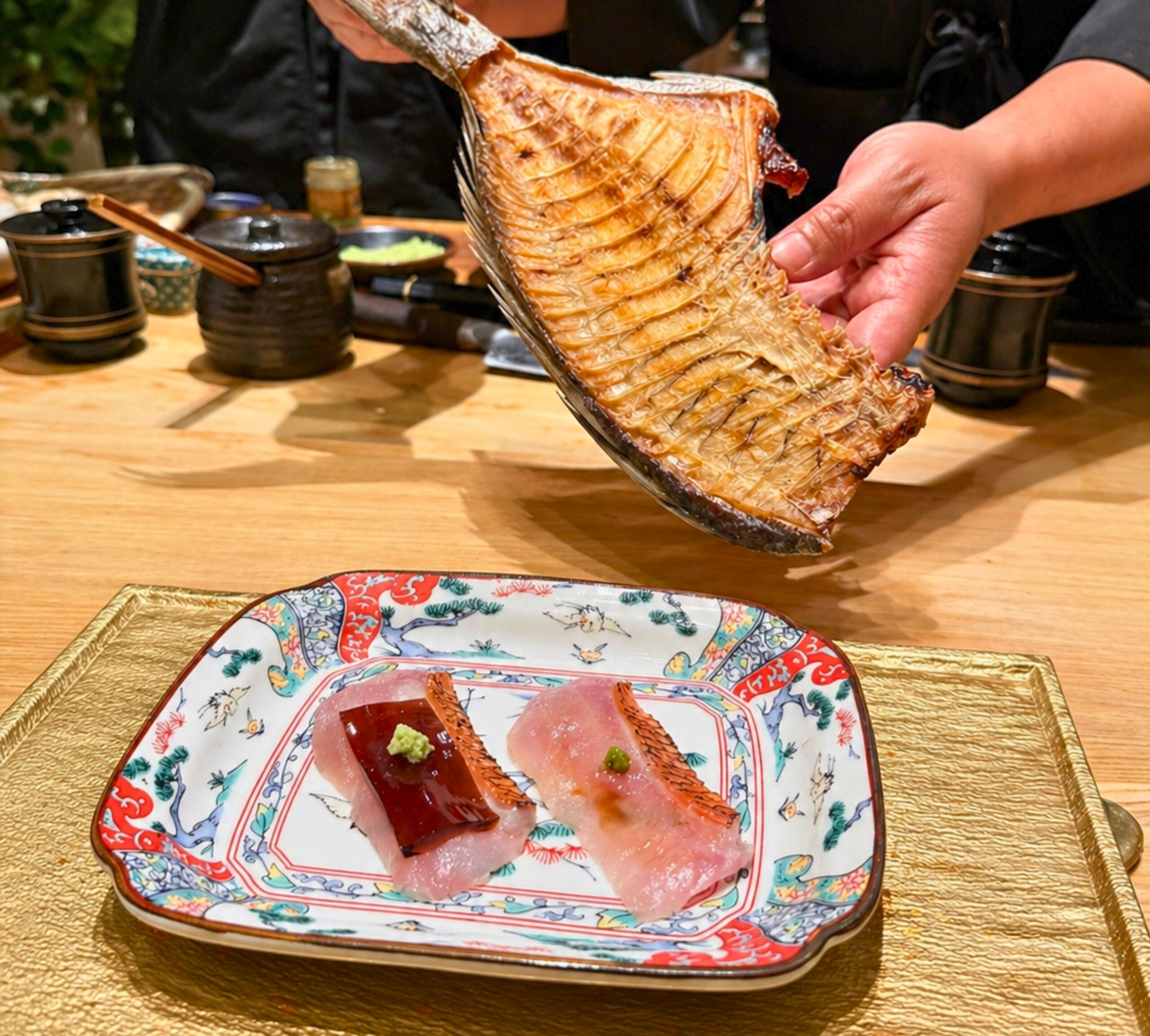
The Symphony of Texture and Aroma
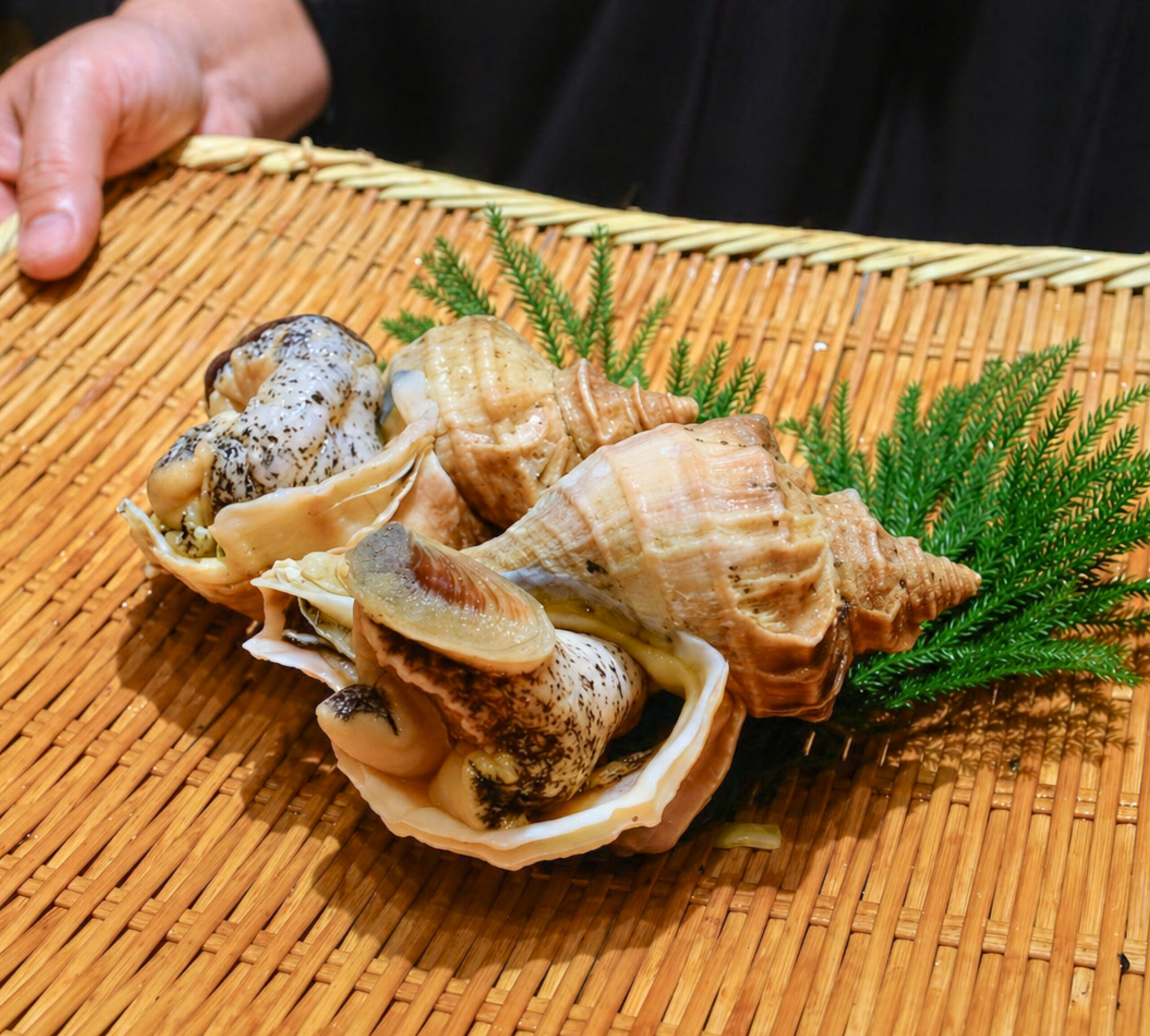
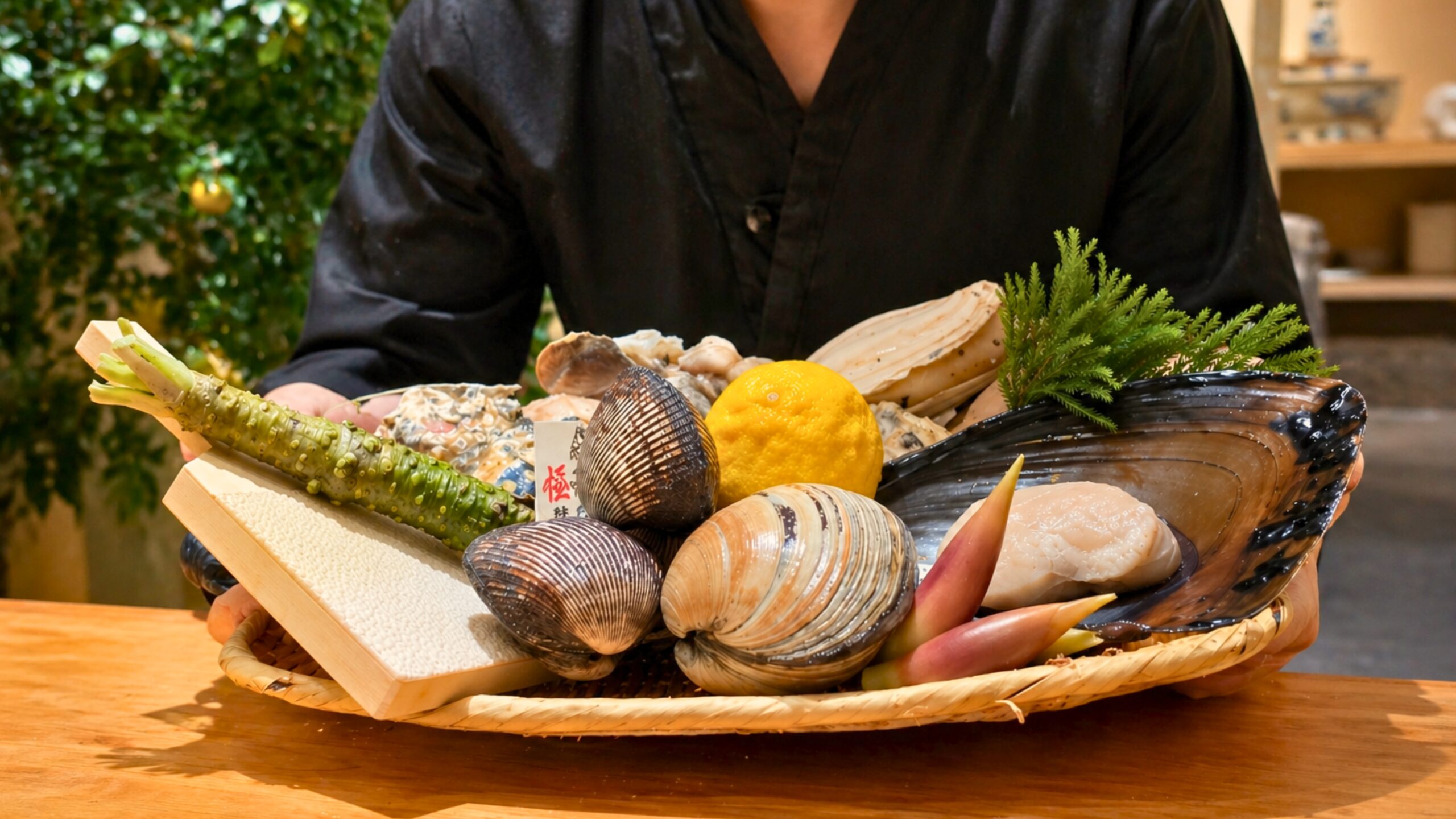
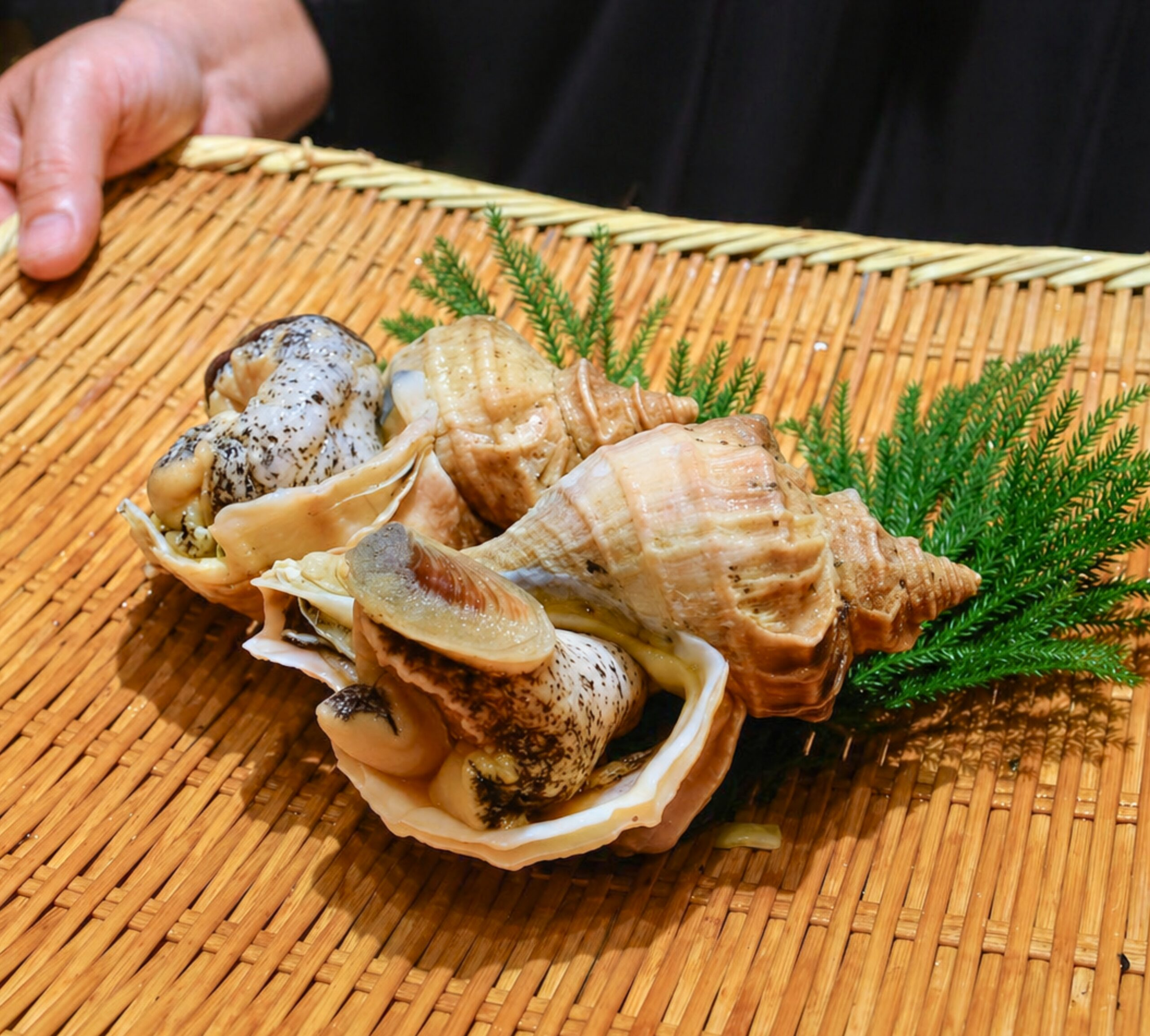
We dive into texture and the aroma of a light flame, starting with Kinmedai Aburi (lightly seared golden-eye snapper) to wake the fat beneath the skin and release its fragrance. Then a parade of premium shellfish: Taira Gai (pen shell), the legendary crunch of Tsubugai (whelk) and Mirugai (geoduck), and Nama Hotate (raw scallop), soft and creamy. The highlight is the chef’s triple-sweetness pairing: plump Botan Ebi, Shiro Ebi (white shrimp) and Uni, framed by the salty richness of caviar that bursts in the mouth.
The Peak of Umami
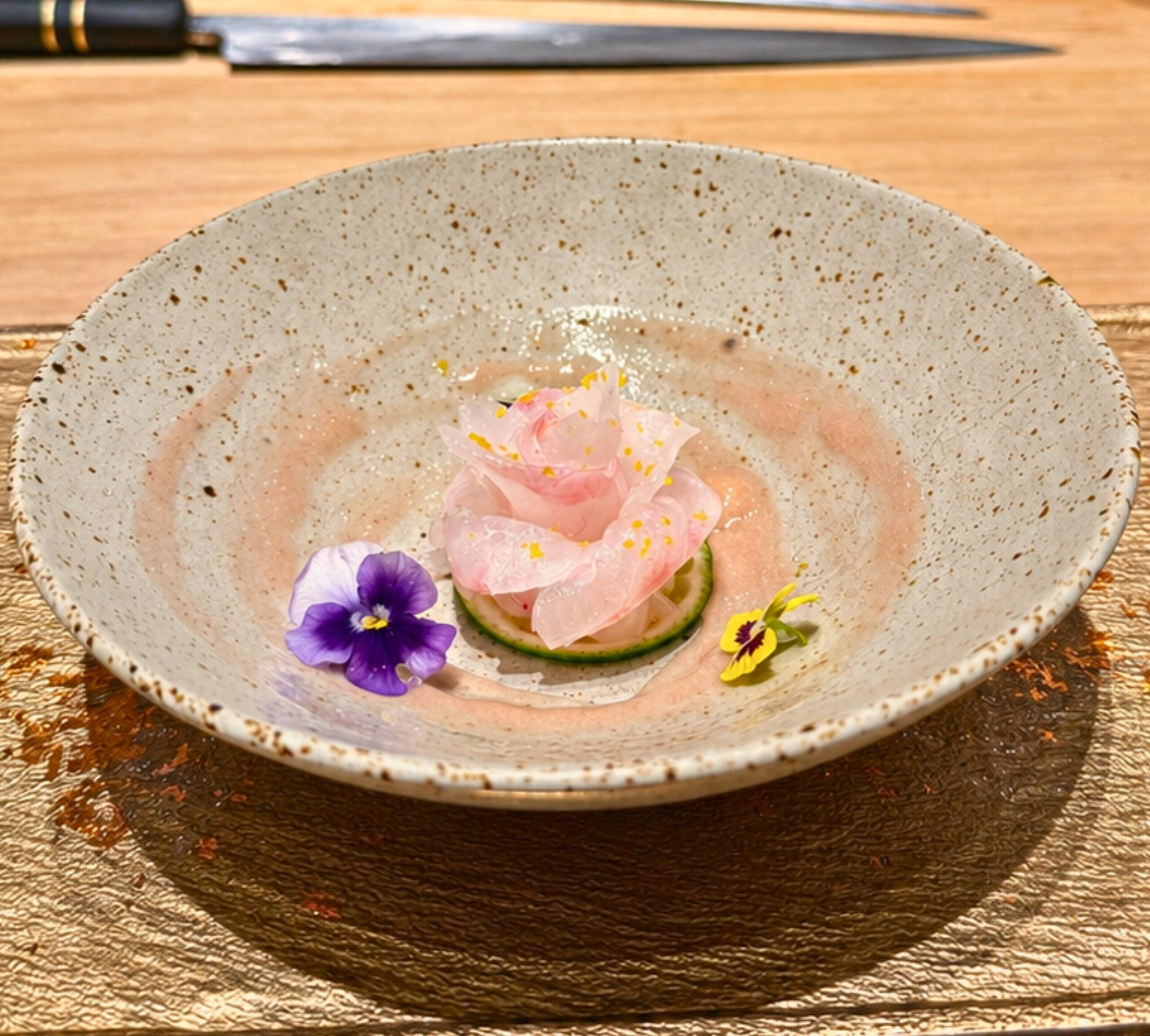
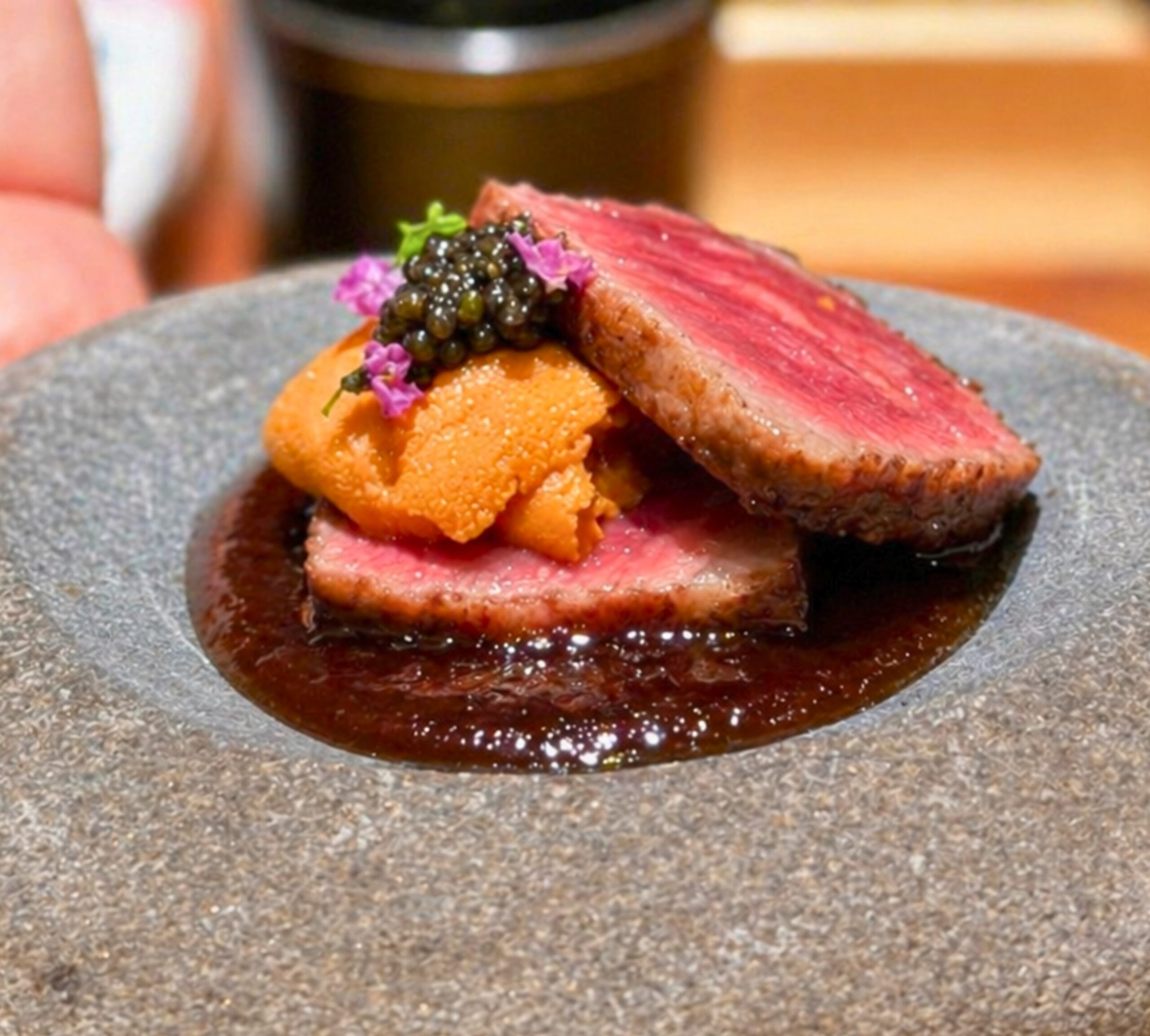
We reach the climax with the deepest flavors of the course, led by Akagai (ark clam), red-orange with a distinct taste of the sea. Then the grand highlight everyone waits for, the three best cuts of tuna: Akami, Chutoro and Otoro. Depth follows with Abalone, tender and springy, served with the restaurant’s signature liver sauce. The intensity peaks with A5 Wagyu, marbled beef paired with the richness of Uni and Caviar, the most powerful pairing on the counter.
The Warm Harmony and Sweet Ending
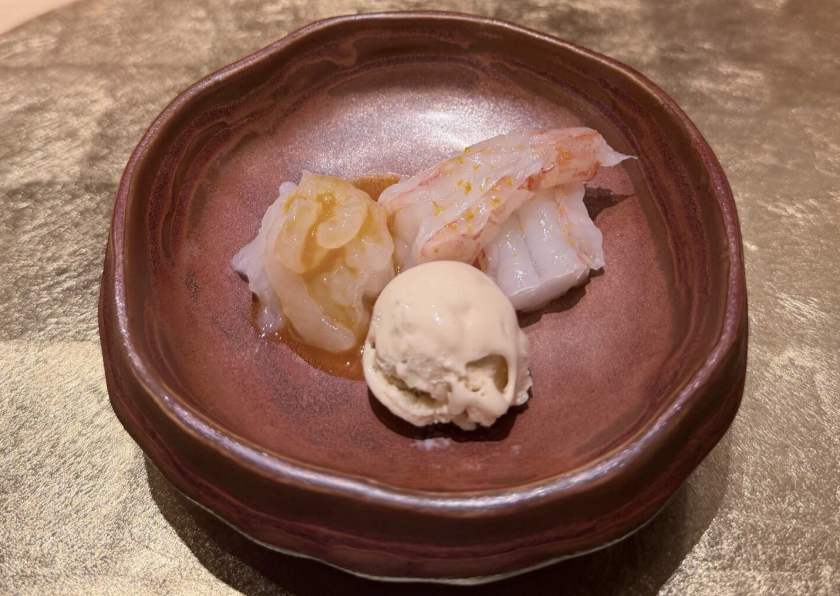
After the peak, the chef soothes with warmth: Unagi (freshwater eel) grilled until fragrant, and Kinki rice porridge, simmered from the bones of premium kinki (kichiji rockfish). The meal closes with dessert: Musk Melon, the juicy, sweet Japanese melon, Yuzu Sorbet made with real yuzu for the freshest finish, and the mystery dessert “Yuzu not Yuzu,” an iconic dish that challenges you to discover for yourself what you are really tasting.
Reserve the experience
Beyond sourcing the best seasonal ingredients, the experienced chefs at Yuzu Omakase place the highest value on placement and timing, so each piece of sashimi tells its story perfectly. Come experience a new kind of impression and a modern omakase, the Sashimi Course by Yuzu Omakase, at 15,000++ THB per person. Reserve in advance to taste the art of purity.
FAQ
Q: How much is the sashimi omakase at Yuzu Omakase?
A: 15,000++ THB per person, by advance reservation.
Q: What is the difference between a sashimi course and a nigiri course?
A: Nigiri balances fish on warm rice. A sashimi course serves no rice, so flavor and texture rely entirely on the ingredient and the chef’s knife work.
Q: Is a sashimi omakase low-carb?
A: Yes. With no rice, it is naturally low-carb and rich in lean protein and Omega-3.
RELATE
-
A New Beverage Pairing, Built Around the Counter
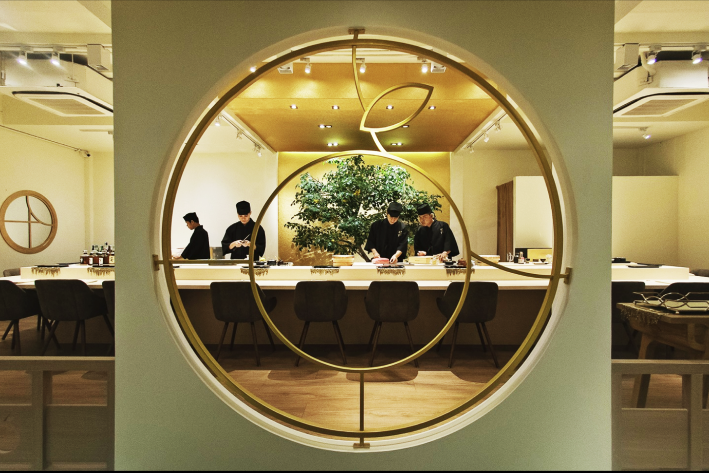
An omakase moves in courses, and so should the drink beside it. Yuzu Omakase has introduced a new beverage pairing at its Siam Square counter in Bangkok, a sequence of pours chosen to follow the meal rather than sit apart from it. The pairing arrives in three forms: a House Pairing that crosses sake, whisky,… Continue reading A New Beverage Pairing, Built Around the Counter
Our Creations ● 2026 May 29
-
The Rise of Private Dining Omakase: Why Intimate Settings Matter
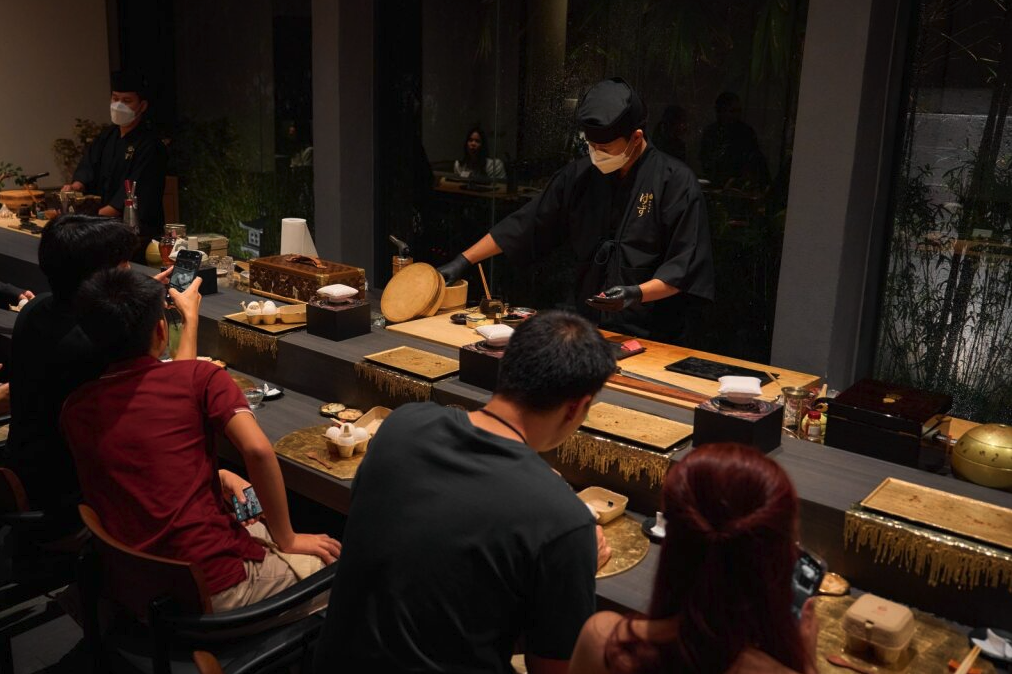
Private omakase is not an upgrade to the standard experience. It is the return to what omakase was always designed to be: one chef, one table, complete trust. The private dining room does not add something to the experience. It removes the one thing that was never supposed to be part of it in the… Continue reading The Rise of Private Dining Omakase: Why Intimate Settings Matter
Our Creations ● 2026 Mar 27
-
First Time Omakase: The Guide for Beginners
Omakase (お任せ) means “I leave it up to you” in Japanese. It is a chef-curated dining experience where the sushi master selects and serves seasonal dishes based on the freshest ingredients available that day. What First-Timers Need to Know: What Is Omakase and Why Is It Different? Unlike ordering from a menu, omakase dining places… Continue reading First Time Omakase: The Guide for Beginners
Our Creations ● 2026 Jan 28
-
Best Omakase in Bangkok for Date Night: Why Yuzu Omakase?
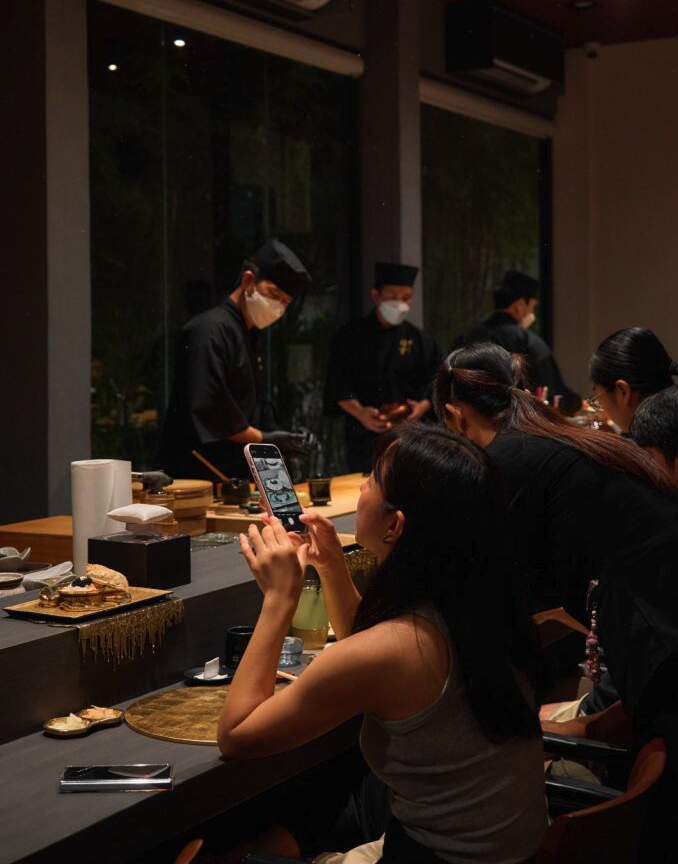
Yuzu Omakase offers an enchanting setting for a romantic evening with its intimate atmosphere, exquisite cuisine, and impeccable service Yuzu Omakase in Bangkok’s Siam Square. The restaurant combines minimalist Japanese elegance with personalized chef experiences, creating the perfect backdrop for special moments. Key Highlights for Romantic Dining What Makes Omakase Perfect for Date Night? Omakase… Continue reading Best Omakase in Bangkok for Date Night: Why Yuzu Omakase?
Our Creations ● 2025 Dec 4

