




Why Bangkok Is One of the Best Cities Outside Japan for Omakase (2026)
Bangkok has earned its place among the world’s finest omakase destinations. With a concentration of Tokyo-trained chefs, a culture that has embraced Japanese cuisine at every level, and a hospitality tradition that elevates every counter experience, the city offers something that goes far beyond imitation. For those who love omakase, Bangkok is not an alternative… Continue reading Why Bangkok Is One of the Best Cities Outside Japan for Omakase (2026)
The World ● 2026 Mar 27
Bangkok has earned its place among the world's finest omakase destinations. With a concentration of Tokyo-trained chefs, a culture that has embraced Japanese cuisine at every level, and a hospitality tradition that elevates every counter experience, the city offers something that goes far beyond imitation. For those who love omakase, Bangkok is not an alternative to Japan while it is a destination in its own right.
WHY THE WORLD IS PAYING ATTENTION
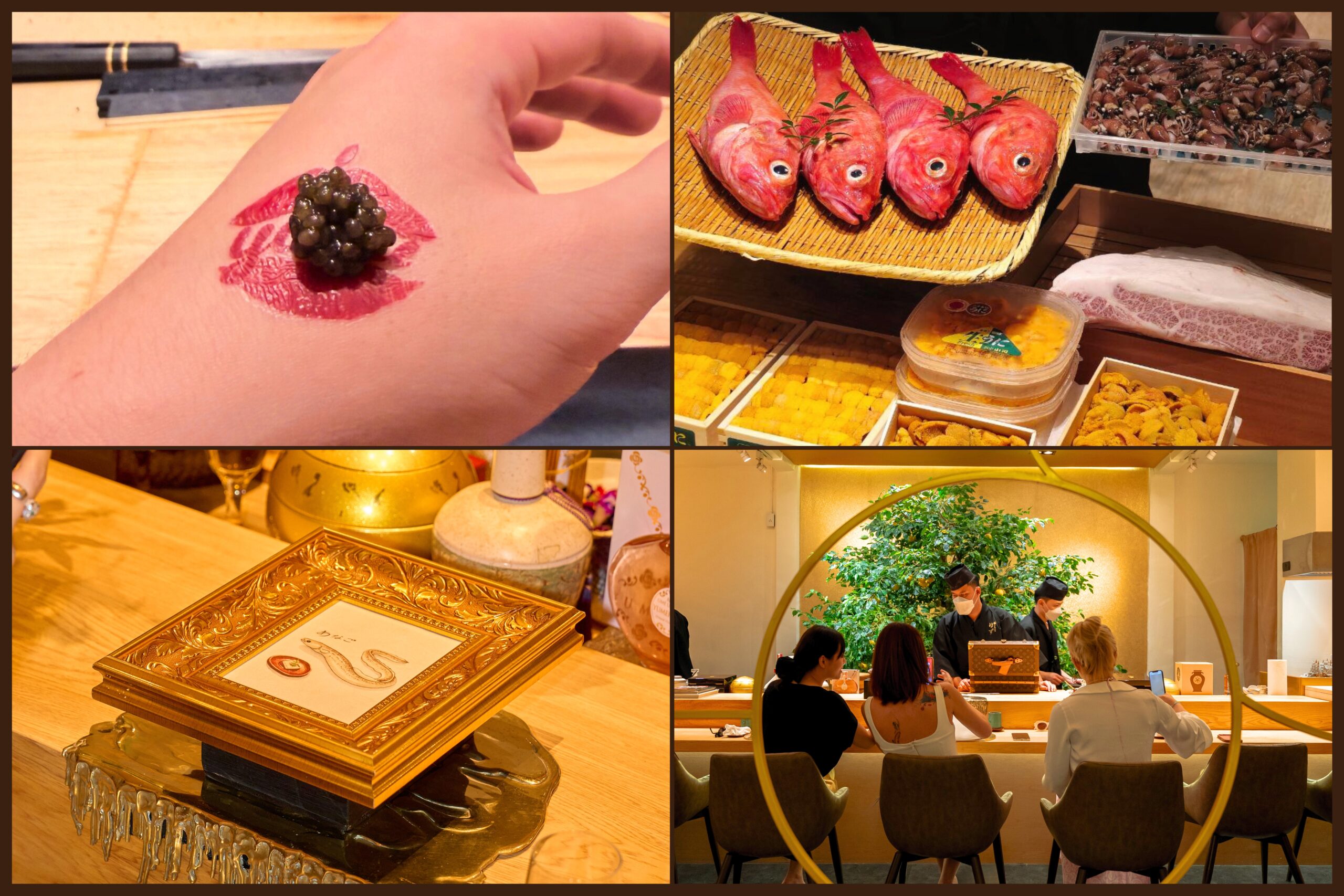
Omakase has traveled far from its origins in Edo-period Tokyo. What began as a deeply personal ritual between chef and diner. Built on trust, seasonality, and restraint have become one of the most sought-after dining experiences in the world. Cities across Asia, Europe, and North America now host omakase counters. Not all of them have earned the right to be taken seriously.
Bangkok has. And the reasons go deeper than the presence of talented chefs or well-reviewed restaurants. The city has developed the cultural infrastructure, the dining community, and the culinary ambition to support omakase at the highest level and not only as a novelty, but as a genuine expression of the form.
The question is no longer whether Bangkok belongs in the conversation. It is why Bangkok belongs at the top of it.
WHAT MAKES BANGKOK DIFFERENT
The Chefs Who Chose Bangkok
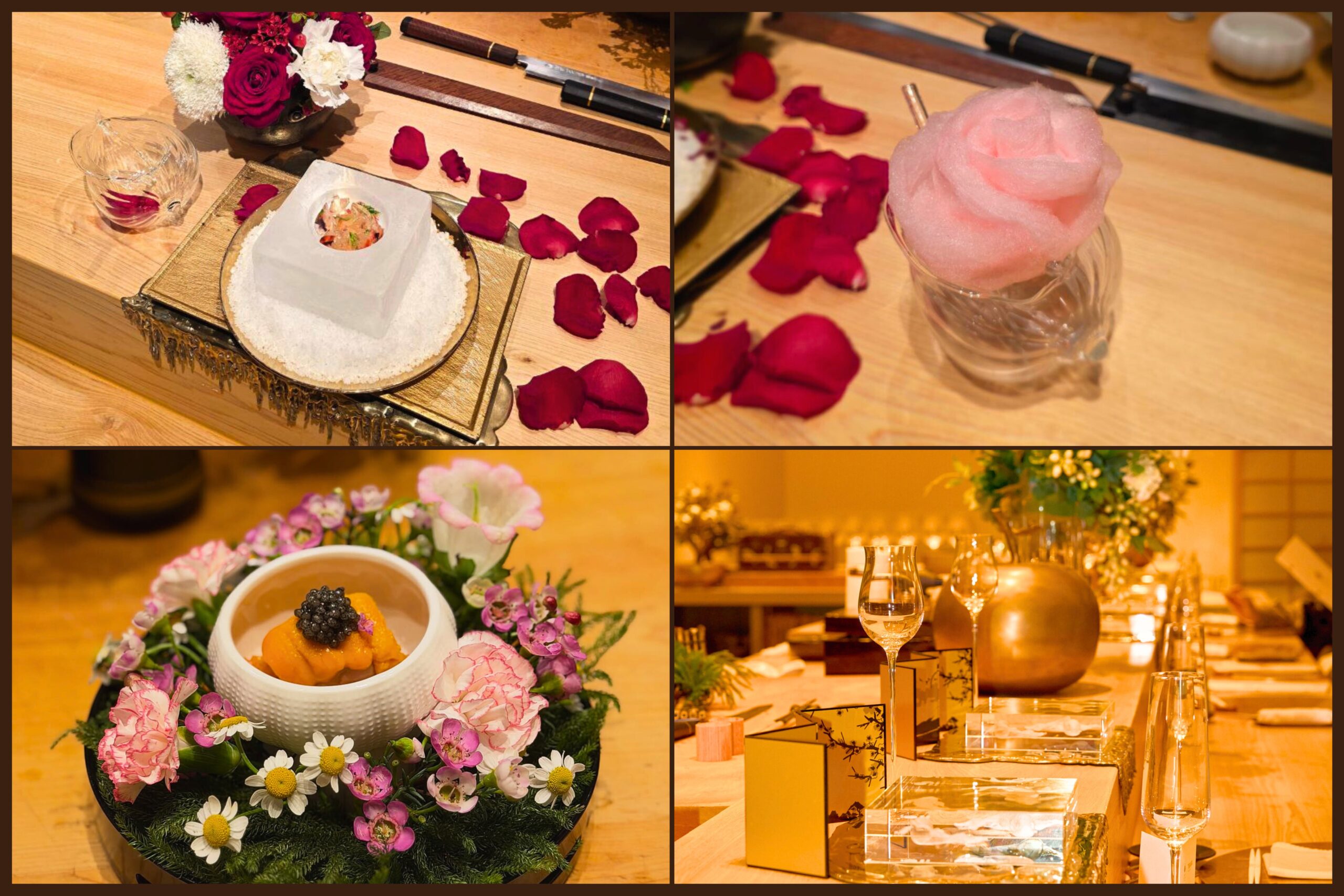
The story of omakase in Bangkok begins with the chefs. Over the past decade, a significant number of Japanese chefs trained at some of Tokyo's most respected sushi houses have made Bangkok their home. This was not coincidence. Bangkok offered them something rare: a city hungry enough for the real thing, open enough to support ambition, and cosmopolitan enough to attract guests who understand what they are eating.
These are not chefs who adapted their craft to suit a foreign market. They brought their standards with them such as the knife work, the rice temperature, the aging technique, the obsessive attention to neta. The result is a level of technical mastery at Bangkok's finest counters that holds its own against anything in Ginza or Shinjuku.
When chefs of that calibre choose a city, it says something. Bangkok has been chosen.
A City That Lives Japanese Food
Few cities outside Japan have the kind of relationship with Japanese cuisine that Bangkok does. Japan is consistently one of Thailand's most visited travel destinations. The Japanese community in Bangkok is among the largest in Southeast Asia. And Thai food culture has already sophisticated, already obsessive about quality and technique that proved to be a natural home for the values that omakase represents.
This is not a city that discovered Japanese food recently. Bangkok has been eating it, debating it, and refining its understanding of it for decades. That depth of familiarity matters. It shapes the guests who sit at the counter. It shapes what chefs are willing to create. And it produces a dining ecosystem where omakase exists not as an exotic import, but as something the city genuinely understands and demands at the highest level.
The appetite in Bangkok is not trend-driven. It is cultural.
Warmth Without Compromise
There is something that happens at the best counters in Bangkok that is difficult to find elsewhere. Japanese omakase, at its most traditional, is a precise and formal experience. The chef leads. The guest follows. The ritual is everything.
Bangkok does not abandon that ritual. It adds something to it for example, a quality of welcome, attentiveness, and warmth that is distinctly Thai. Guests who have sat at counters in Tokyo and Bangkok often describe the Bangkok experience as more intimate, more connected, more human without losing any of the craft or discipline that makes omakase what it is.
For international guests experiencing omakase for the first time, or the fiftieth time, that combination: rigorous Japanese technique, genuine Thai warmth that creates something neither culture produces alone.
YUZU OMAKASE: BANGKOK'S ARGUMENT, EMBODIED
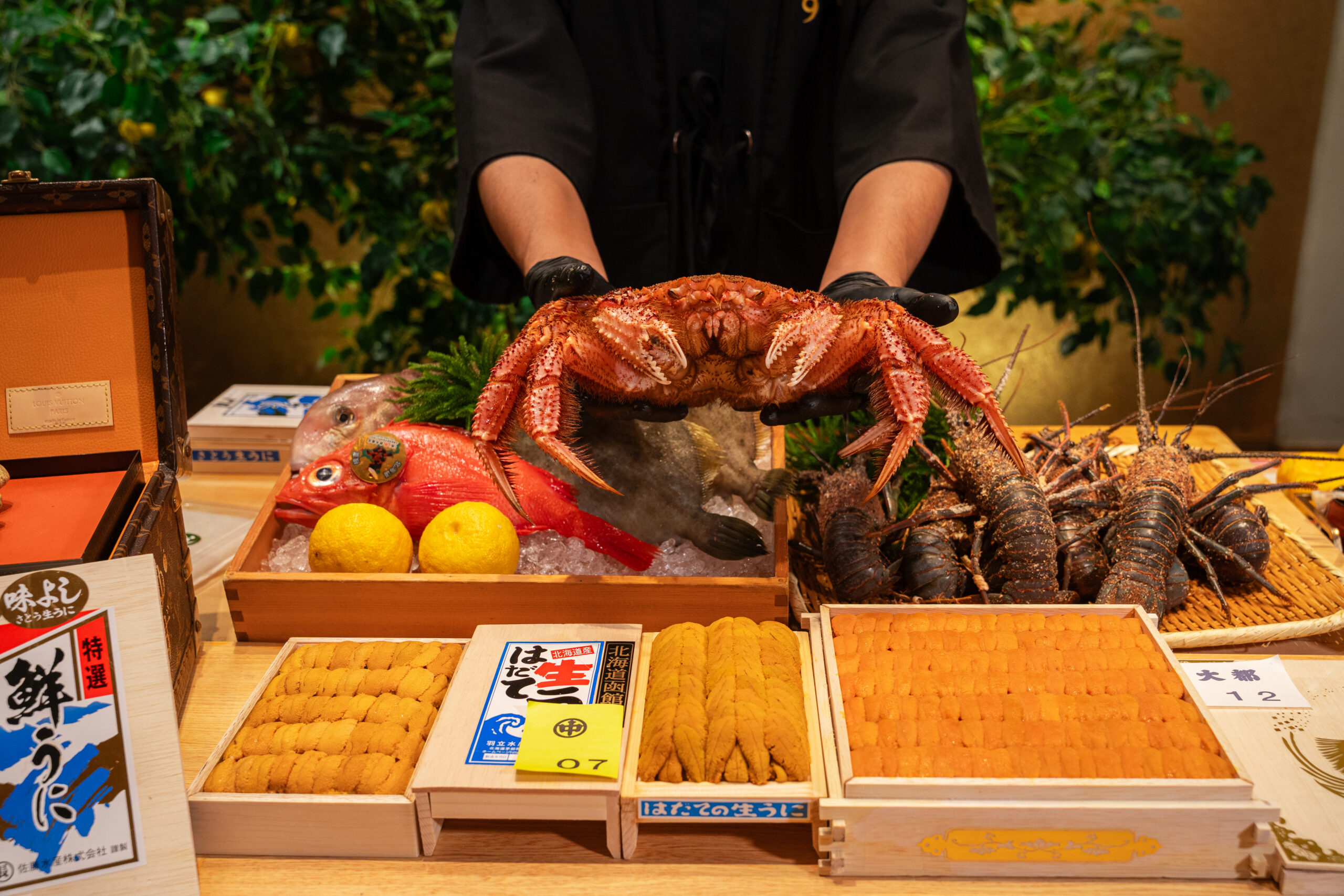
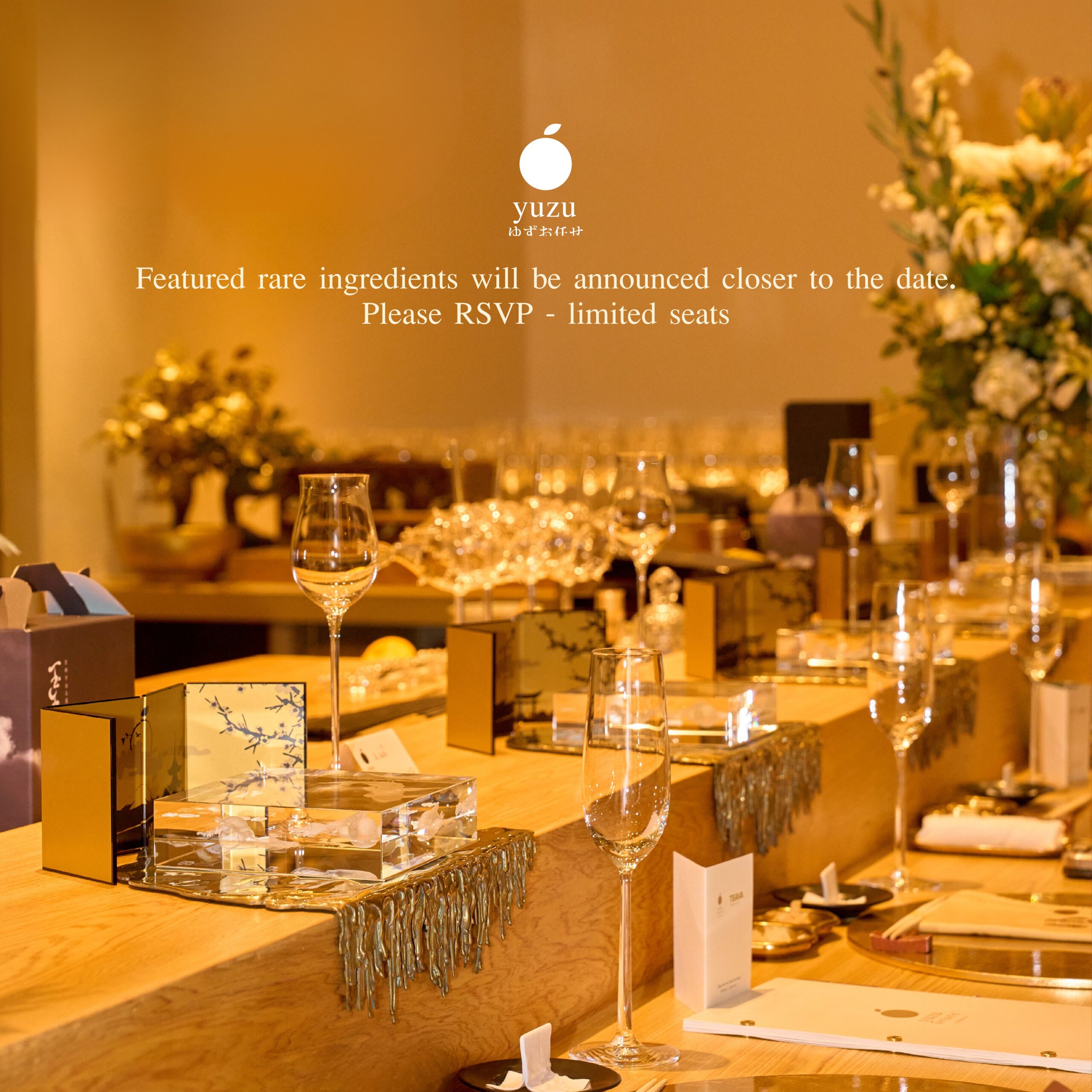
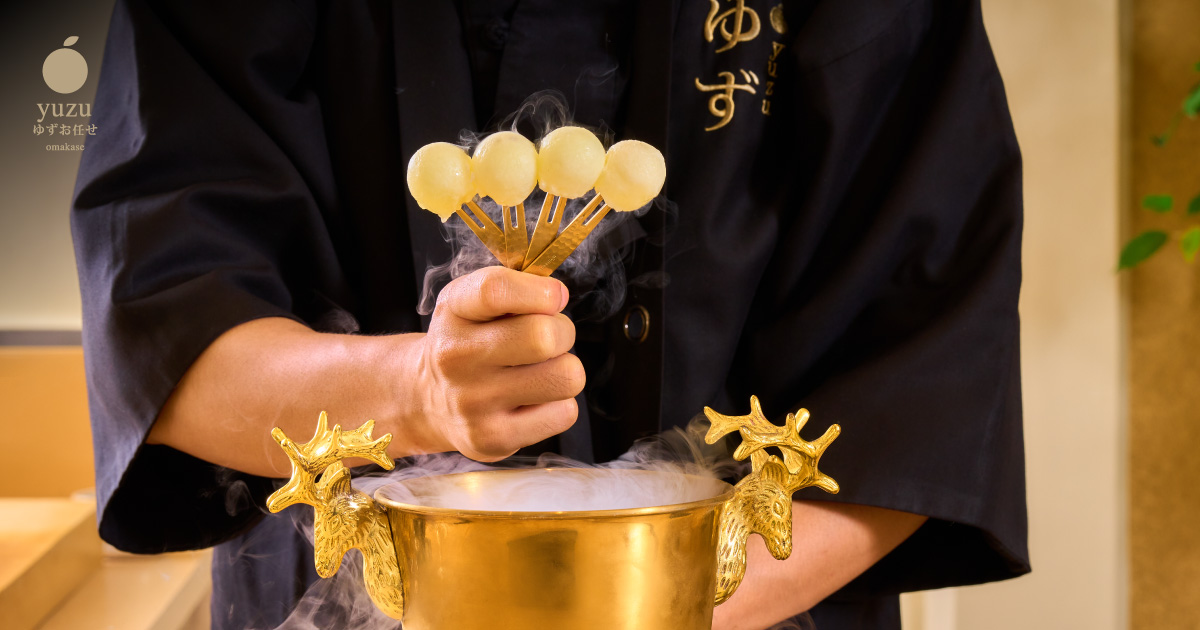
Yuzu Omakase, located in Siam Square, exists as living proof of everything this city has become.
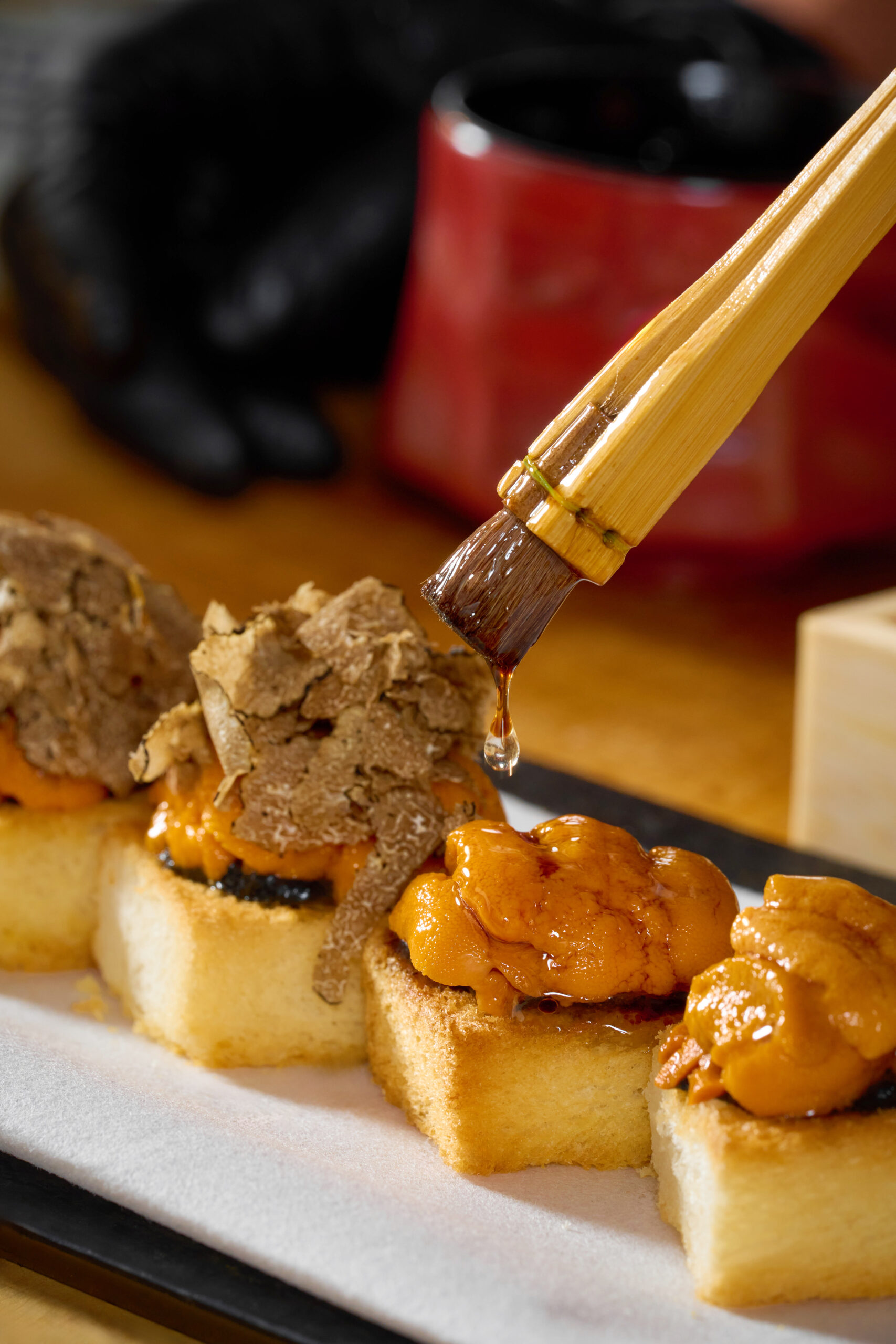
The counter seats fewer than ten guests per session. The chefs trained in Tokyo. The style is Edomae, the purest expression of the omakase tradition, built on the relationship between meticulously sourced fish and perfectly prepared shari. Nothing is added that does not belong. Nothing is removed that should be there.
Yuzu was ranked first in the Best Fine-Dining and Omakase Brand category by Hungry Hub in 2022. But the recognition matters less than what it reflects: a standard that guests both Japanese nationals and international visitors consistently recognise as authentic.
At Yuzu, the experience is not Bangkok doing its best impression of Tokyo. It is Bangkok, at its best, doing something Tokyo cannot quite replicate. The setting is quieter. The service is warmer. The chef knows your name before you finish your first piece.
That is what the best omakase outside Japan looks like.
QUESTIONS GUESTS ASK
Is omakase in Bangkok as good as Japan?
For many guests, Bangkok's finest counters deliver an experience comparable to. Some respects richer than what they find in Japan. The technical standard is high. The ingredients are serious. And the hospitality, shaped by Thai culture, adds a dimension of warmth that formal Japanese dining does not always offer. Bangkok is not a substitute for Japan. It is its own answer to the question.
Why are world-class Japanese chefs choosing Bangkok?
Bangkok offers a rare combination: a dining public that understands authentic Japanese cuisine, a cosmopolitan guest base drawn from across the world, and a city that has consistently rewarded culinary ambition. Chefs who care about doing their best work and being understood for it, have found Bangkok to be one of the most compelling cities outside Japan to practice their craft.
What makes Bangkok different from Singapore or Hong Kong for omakase?
Each city has excellent Japanese dining. Bangkok's distinction lies in the depth of its relationship with Japanese food culture, built over decades, and in the particular quality of its hospitality. Bangkok counters tend to feel more personal and more emotionally connected to the guest. That texture is hard to manufacture. In Bangkok, it is simply how the city dines.
What should a first-time visitor expect from omakase in Bangkok?
Expect to be guided, not instructed. The best counters in Bangkok are welcoming to guests at every level of experience. The chef sets the pace. The courses arrive in sequence. The experience unfolds slowly, and that is exactly the point. Come without a fixed idea of what you want. That is, after all, what omakase means.
Final Thought
Bangkok has not stumbled into its position as one of the world's finest omakase cities. It has earned through the chefs who built careers here, the food culture that was already waiting for them, and the hospitality that makes every counter experience feel personal.
For those who take omakase seriously, Bangkok is no longer a city you consider after Japan. It is one you consider alongside it.
RELATE
-
Why Omakase Is Expensive: Sourcing, Craftsmanship, and Premium Ingredients
Omakase is expensive because it combines premium-grade ingredients sourced from elite markets, years of chef training (often 10+ years), specialized techniques like fish aging, limited seating, and a personalized multi-course dining experience that cannot be replicated. Why Omakase Premium Prices all around the world Cost Factor Details Ingredient Sourcing Fish imported from Toyosu Market, flown… Continue reading Why Omakase Is Expensive: Sourcing, Craftsmanship, and Premium Ingredients
The World ● 2026 Jan 22
-
The Global Appeal of Chef-Curated Tasting Menus in Omakase Thailand
From New York to Tokyo, Paris to Bangkok—chef-curated tasting menus have become the global benchmark for refined dining. At the center of this culinary shift in Thailand is Yuzu Omakase, where omakase becomes an immersive expression of art, season, and culture.
The World ● 2025 Aug 5
-
From Tokyo to Siam Square: A Legacy of Culinary Mastery in Japanese Restaurants
The soul of Tokyo’s revered sushi traditions now thrives in Bangkok’s dynamic heart. At Yuzu Omakase Thailand, ancient craft meets urban luxury—delivering a dining experience rooted in precision, purity, and the pursuit of culinary excellence.
The World ● 2025 Aug 4
-
Why Premium Dining Is Now All About the Journey — Not Just the Meal
Today’s most memorable meals aren’t just about taste—they’re about transformation. At Yuzu Omakase Thailand, every detail is curated to move you, surprise you, and immerse you in a world where dinner becomes a journey.
The World ● 2025 Jul 19

