


Why Truffle Is the King of Mushrooms and Flavours
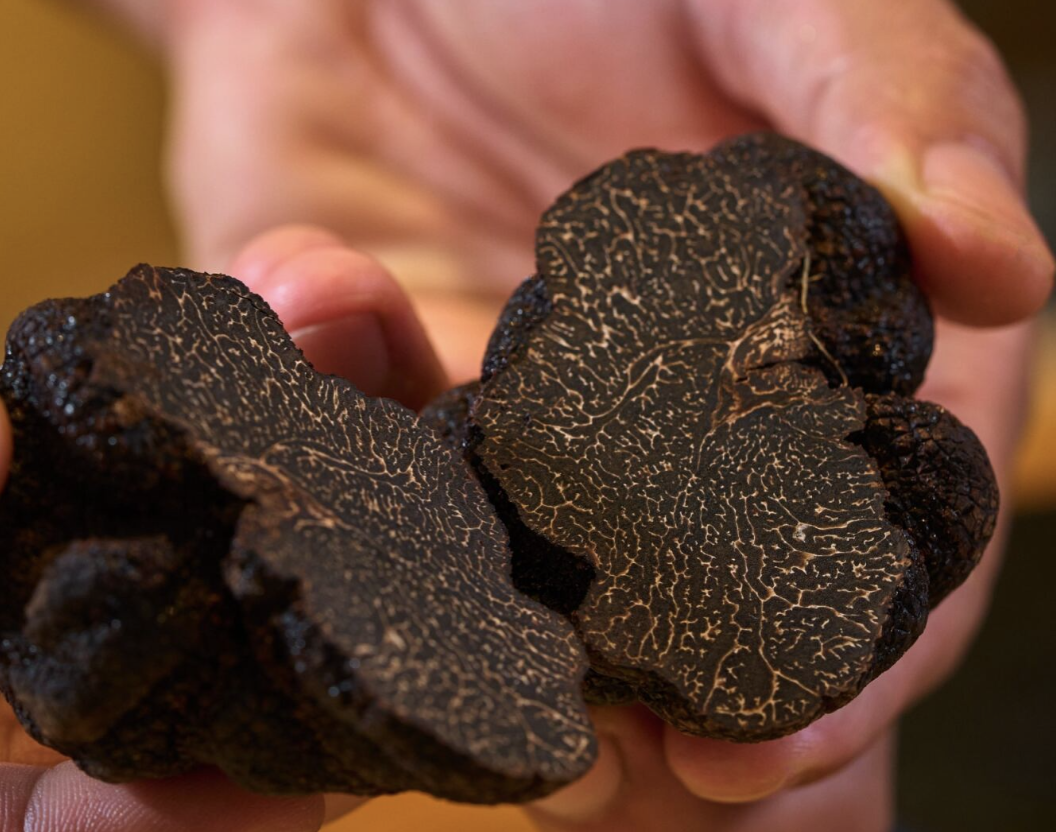
Truffle is the most expensive ingredient on earth by weight — and it earns the title. No other fungus, no other flavour, comes close to the depth, complexity, and sheer rarity of a fresh truffle. One bite and you understand why chefs across Bangkok compete to source it, and why a single white truffle can… Continue reading Why Truffle Is the King of Mushrooms and Flavours
Uncategorized ● 2026 Mar 11
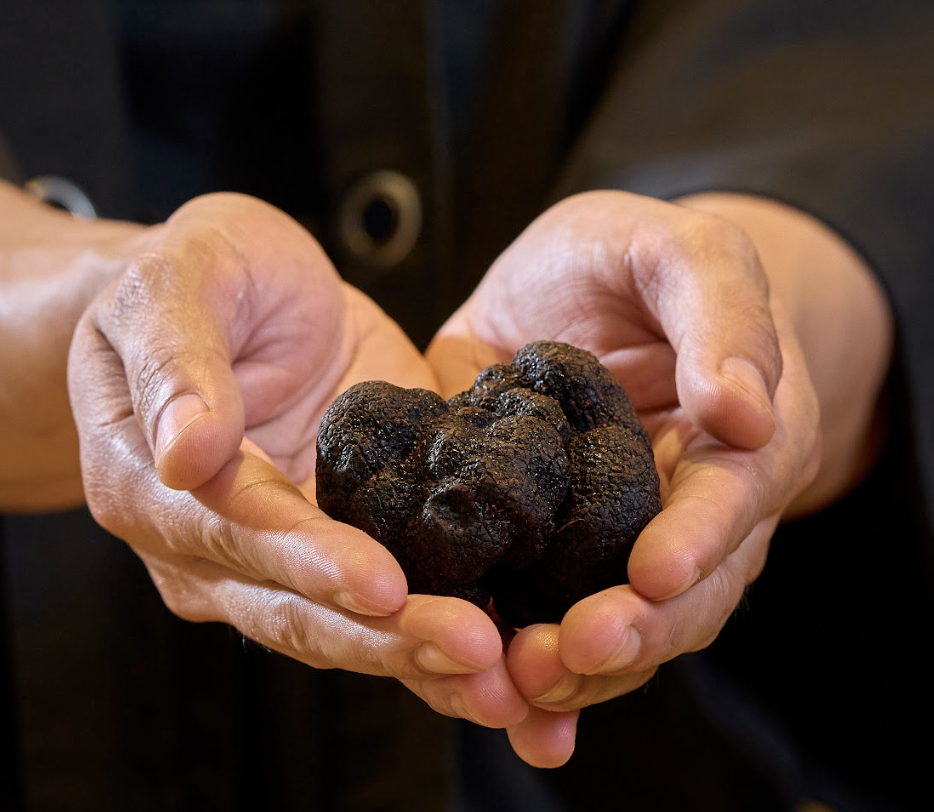
Truffle is the most expensive ingredient on earth by weight — and it earns the title. No other fungus, no other flavour, comes close to the depth, complexity, and sheer rarity of a fresh truffle. One bite and you understand why chefs across Bangkok compete to source it, and why a single white truffle can sell at auction for more than a luxury car.
This is not hype. This is chemistry, scarcity, and thousands of years of culinary history. Here is why truffle sits at the top — and why it will stay there.
WHAT MAKES TRUFFLE DIFFERENT FROM EVERY OTHER MUSHROOM
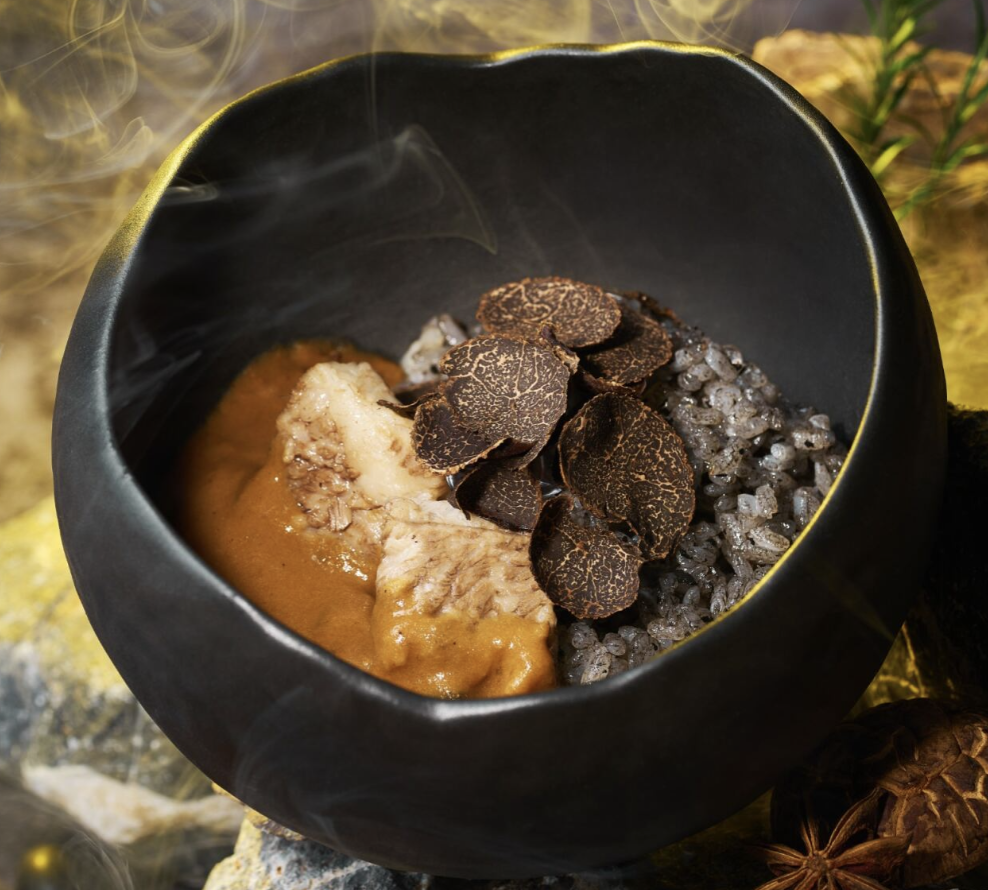
Most mushrooms are predictable. They grow above ground, fruit on a schedule, and survive in bags of sawdust on a commercial farm.
Truffles do none of that.
They grow underground — hidden beneath oak, hazelnut, and beech trees — locked in a symbiotic relationship with tree roots called mycorrhiza. The fungus feeds the tree minerals. The tree feeds the fungus sugars. Disrupt that balance and you get nothing. Which is why truffle farming, even after decades of research and millions of investment dollars, still produces a fraction of wild harvest.
There are over 200 truffle species. Two dominate the fine dining world:
BLACK PÉRIGORD TRUFFLE (Tuber melanosporum)
Origin: Périgord, France | Season: November–March
Flavour: Earthy, chocolatey, deep, and warm
Price in Thailand: approximately ฿25,000–80,000 per kilogram
WHITE ALBA TRUFFLE (Tuber magnatum)
Origin: Piedmont, Italy | Season: October–December
Flavour: Sharp, garlicky, honeyed, intensely aromatic
Price in Thailand: approximately ฿100,000–300,000 per kilogram
The white truffle from Alba, Italy is the most valuable food by weight anywhere in the world. A single large specimen sold at auction in 2007 for US$330,000 (approximately ฿12 million).
HOW TRUFFLE WORKS IN JAPANESE OMAKASE
The Japanese omakase tradition and the truffle share something fundamental: both require complete trust in the chef's judgment.
In Tokyo, Kyoto, and now Bangkok, progressive omakase chefs have discovered that truffle integrates naturally into Japanese cuisine. The fat in tuna, the custard depth of chawanmushi, the richness of wagyu — all of these hold truffle flavour the way French butter and pasta do. The effect is different, but the logic is the same.
At Yuzu Omakase in Siam Square, Bangkok, the kitchen uses Italian black truffle in signature dishes that have become benchmarks for this style of cooking:
- Chawanmushi Truffle: Japanese steamed egg custard infused with the essence of black truffle, layering earthy depth into a dish known for its silkiness. The truffle aroma rises with the steam and perfumes every spoonful.
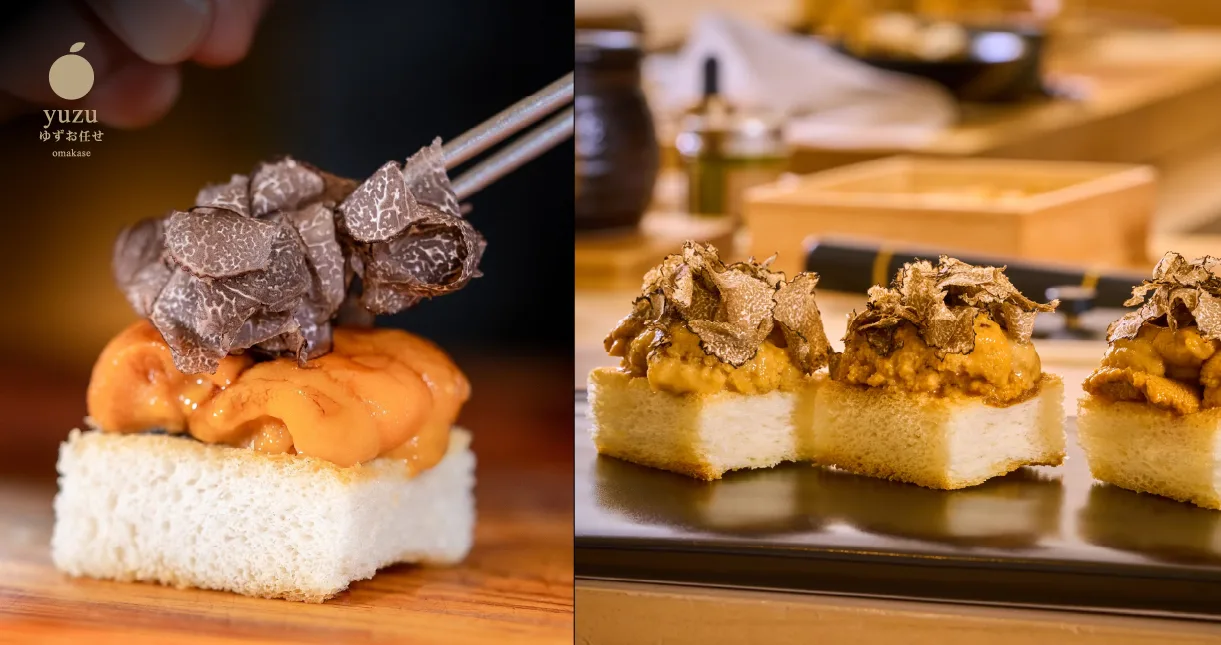
- Miyazaki Wagyu Sushi with Truffle Shavings: A5 Miyazaki wagyu is already one of the most flavourful cuts in the world. Black truffle shaved across it creates a double umami effect — animal fat meeting earthy fungus — that defines what luxury means on a single piece of sushi.
- Sushi with Caviar and Truffle: Iranian Beluga caviar paired with truffle on a single nigiri. Two of the world's most expensive ingredients, calibrated by a chef who knows exactly how much of each the rice can hold.
These dishes are not truffle-for-the-sake-of-truffle. They exist because the chef found the combinations where truffle makes everything around it more itself.
BLACK TRUFFLE VS WHITE TRUFFLE: WHICH IS KING?
This is the most debated question in professional kitchens — and Bangkok diners increasingly have opinions.
WHITE TRUFFLE wins on raw intensity. Never cooked, always finished raw, it delivers an almost overwhelming fragrance — garlic, honey, forest floor — that nothing else approaches. It is the most extreme version of truffle.
BLACK TRUFFLE wins on versatility and pairing range. It survives gentle heat. It works in custard, wrapped in pastry, shaved over sushi, folded into sauces. Its earthy depth integrates rather than dominates.
Most Bangkok chefs who work with both say the same thing: white truffle is the more spectacular single experience; black truffle is the ingredient that consistently elevates a dish.
Both are king. The crown they share is irreplaceability.
THE MOST COMMON TRUFFLE MYTHS, CORRECTED
MYTH: Truffle oil is made from truffles.
The truth: Most truffle oil on the market contains zero truffle. It uses a synthetic compound called 2,4-dithiapentane. Real truffle-infused oil exists but is rare and expensive. When you see "truffle flavour" on a label without "Tuber melanosporum" or "Tuber magnatum," it is synthetic.
MYTH: More truffle makes a better dish.
The truth: Truffle is a seasoning. Professional kitchens use 5–15 grams per portion. Overloading a dish competes with itself. The restraint is the skill.
MYTH: All truffles taste the same.
The truth: Black and white truffles taste dramatically different. Even within black truffle, a Périgord truffle from France and a Burgundy truffle (Tuber uncinatum) taste different enough that a trained palate identifies them instantly.
FREQUENTLY ASKED QUESTIONS
Why is truffle so expensive in Thailand?
Fresh truffles cannot be grown domestically in Thailand's climate. All premium black and white truffles are imported from France or Italy, flown in refrigerated to preserve aromatic compounds that degrade within days. Import costs, short shelf life, and limited global supply push Bangkok prices to ฿25,000–300,000 per kilogram depending on variety and season.
Is truffle actually a mushroom?
Truffle is a fungus — related to mushrooms — but technically different. Mushrooms are above-ground fruiting bodies. Truffles are subterranean fruiting bodies (hypogeous ascomycetes). Culinarily, they are grouped together as luxury fungi.
What does truffle taste like?
Earthy, musky, and deeply umami. Black truffle has warm, chocolatey, woodsy notes. White truffle is sharper — garlicky, honeyed, and almost overwhelming in raw intensity. Both have an animal quality from pheromone-like compounds that makes them unlike anything else in a kitchen.
Where can I eat truffle in Bangkok?
Several of Bangkok's top omakase and fine dining restaurants use fresh truffle seasonally. Yuzu Omakase at Siam Square (258/9-10 Siam Square Soi 3) features truffle in signature dishes including chawanmushi truffle and Miyazaki wagyu sushi with truffle shavings, available across their omakase menus starting from ฿4,500 per person.
How is truffle used in omakase?
In omakase, truffle is used with precision — a few shavings over wagyu, folded into chawanmushi custard, or paired with caviar on a single piece of nigiri. The format rewards restraint. A skilled itamae knows exactly how much truffle a piece of rice and fish can hold before the balance shifts.
RELATE
-
AGING FISH: WHY IT MATTERS AND HOW IT MAKES OMAKASE TASTE BETTER
Fresh does not always mean better. In the world of omakase, one of the most important skills a chef has is knowing when NOT to serve fish immediately after it arrives. Aging fish — resting it under controlled temperature and humidity for days, sometimes weeks — produces deeper umami, a silkier texture, and flavour complexity… Continue reading AGING FISH: WHY IT MATTERS AND HOW IT MAKES OMAKASE TASTE BETTER
Uncategorized ● 2026 Mar 11
-
What is Uni Sushi?
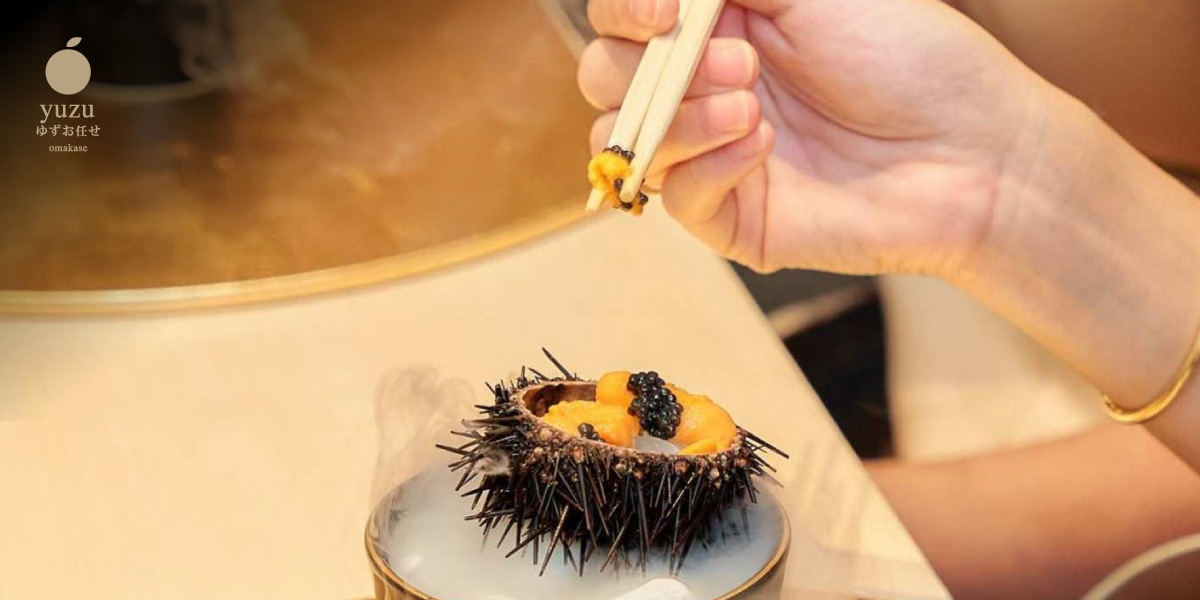
Uni sushi is a bite of vinegared rice topped with uni—the creamy, sweet-briny edible gonads of a sea urchin—most often served as gunkan (a nori-wrapped “battleship”) or as delicate nigiri. Fresh uni tastes custardy and ocean-clean; poor-quality uni can taste bitter or ammoniacal. What is uni (and why it’s not “roe”)? Many people think uni… Continue reading What is Uni Sushi?
Uncategorized ● 2025 Sep 11

