




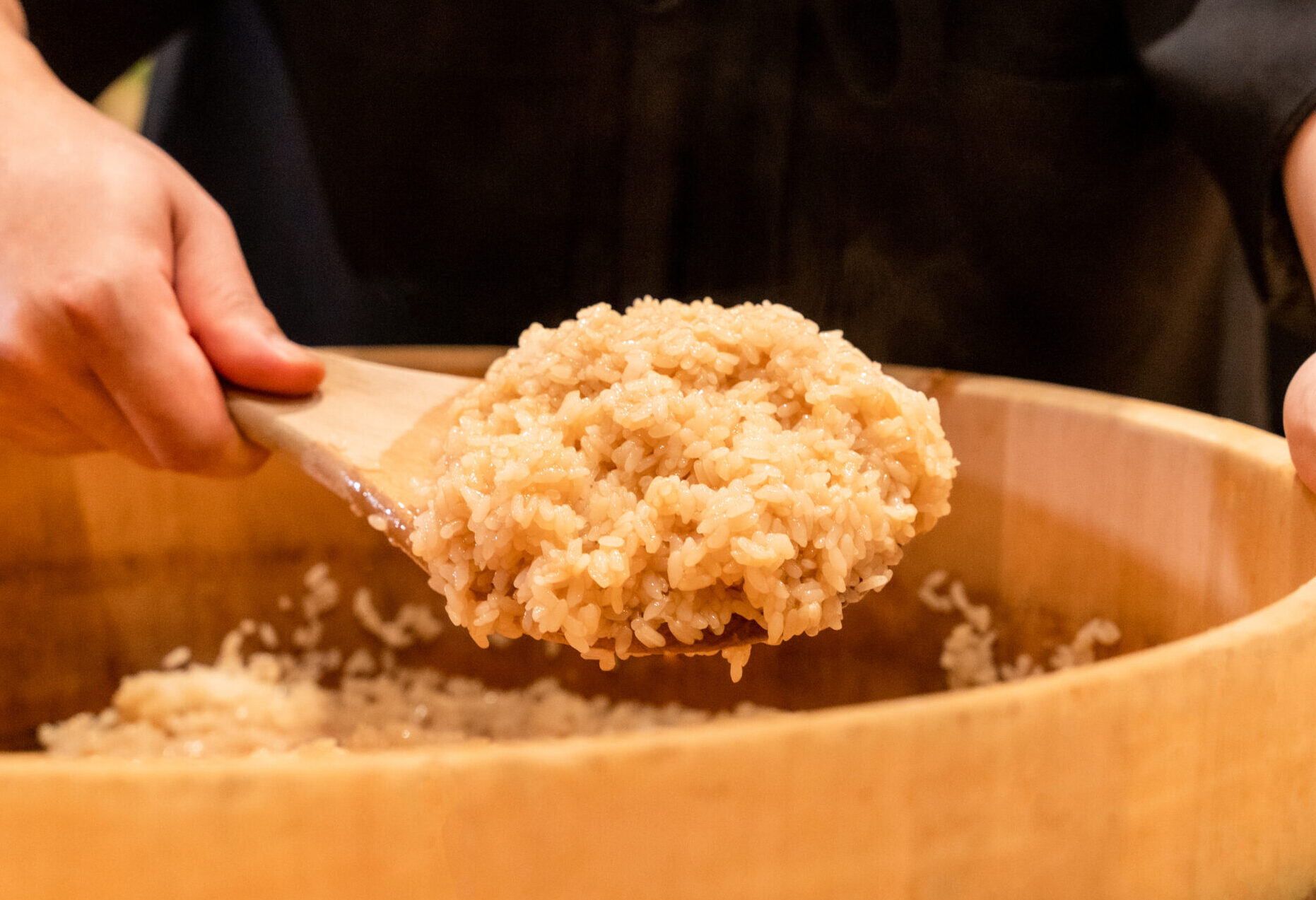
Temperature in Sushi Rice: Why Itamae Serve Shari at Body Temperature
Updated January 2025 · 6 min read The ideal temperature for sushi rice (shari) is 35-40°C (95-104°F), approximately human body temperature. This precise warmth allows the seasoned rice to release its vinegar aroma while creating a pleasant contrast with chilled neta (fish toppings). Professional itamae in omakase restaurants never serve cold or hot sushi rice—temperature… Continue reading Temperature in Sushi Rice: Why Itamae Serve Shari at Body Temperature
Local Story ● 2026 Jan 22
Updated January 2025 · 6 min read
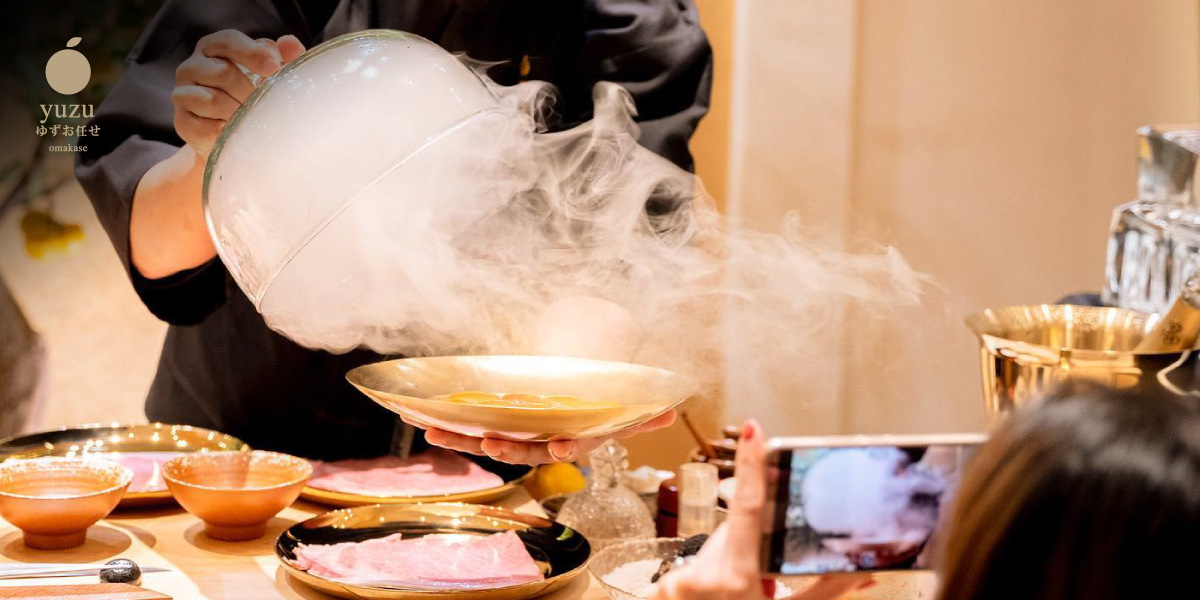
The ideal temperature for sushi rice (shari) is 35-40°C (95-104°F), approximately human body temperature. This precise warmth allows the seasoned rice to release its vinegar aroma while creating a pleasant contrast with chilled neta (fish toppings). Professional itamae in omakase restaurants never serve cold or hot sushi rice—temperature control distinguishes exceptional sushi from ordinary preparations.
Sushi rice temperature refers to the precise thermal range at which properly prepared shari should be served. In authentic Japanese cuisine, this temperature is as critical as rice seasoning, grain selection, and pressing technique. Master sushi chefs consider temperature control fundamental to their craft.
Key Takeaways
- Ideal serving temperature: 35-40°C (95-104°F) — body temperature
- Cooling method: Hand-fanning with hangiri (wooden tub) after seasoning
- Food safety window: Consume within 2 hours at room temperature
- Why it matters: Enhances vinegar aroma, improves texture, creates thermal contrast with fish
Why Does Sushi Rice Temperature Matter?
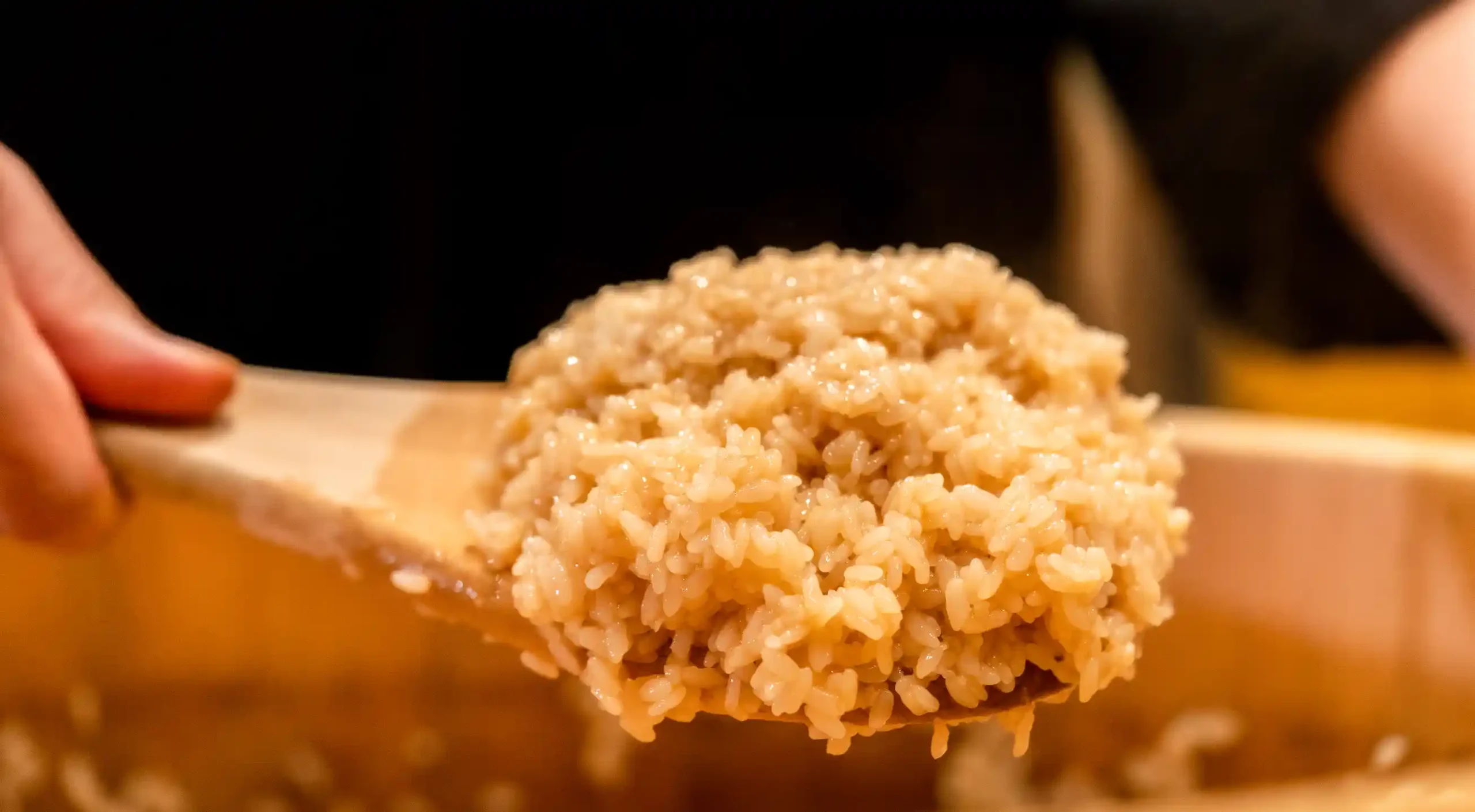
Temperature transforms ordinary rice into exceptional shari through three mechanisms. First, warmth releases volatile compounds from the rice vinegar seasoning, creating the distinctive aroma that signals quality sushi. Second, body-temperature rice maintains optimal stickiness—firm enough to hold shape yet tender enough to dissolve on the palate. Third, the thermal contrast between warm shari and cool, fresh fish heightens sensory experience.
In premium omakase establishments throughout Tokyo and Bangkok, itamae meticulously monitor rice temperature throughout service. At establishments like Yuzu Omakase in Bangkok's Siam area, chefs prepare small batches of shari throughout the evening rather than cooking large quantities that would cool unevenly.
Sushi Rice Temperature Comparison: Effects on Quality
| Temperature Range | Rice Characteristics | Sushi Quality Impact |
| Below 25°C (77°F) — Too Cold | Hard, clumpy, muted flavor | Poor — loses aroma, unpleasant texture |
| 35-40°C (95-104°F) — Ideal | Soft, glossy, aromatic | Optimal — peak flavor and texture |
| Above 50°C (122°F) — Too Hot | Mushy, overly sticky | Poor — damages fish quality, burns palate |
How Do Sushi Chefs Control Rice Temperature?
Professional sushi preparation follows a precise temperature management protocol developed over centuries of Japanese culinary tradition.
Step-by-Step Temperature Control Process
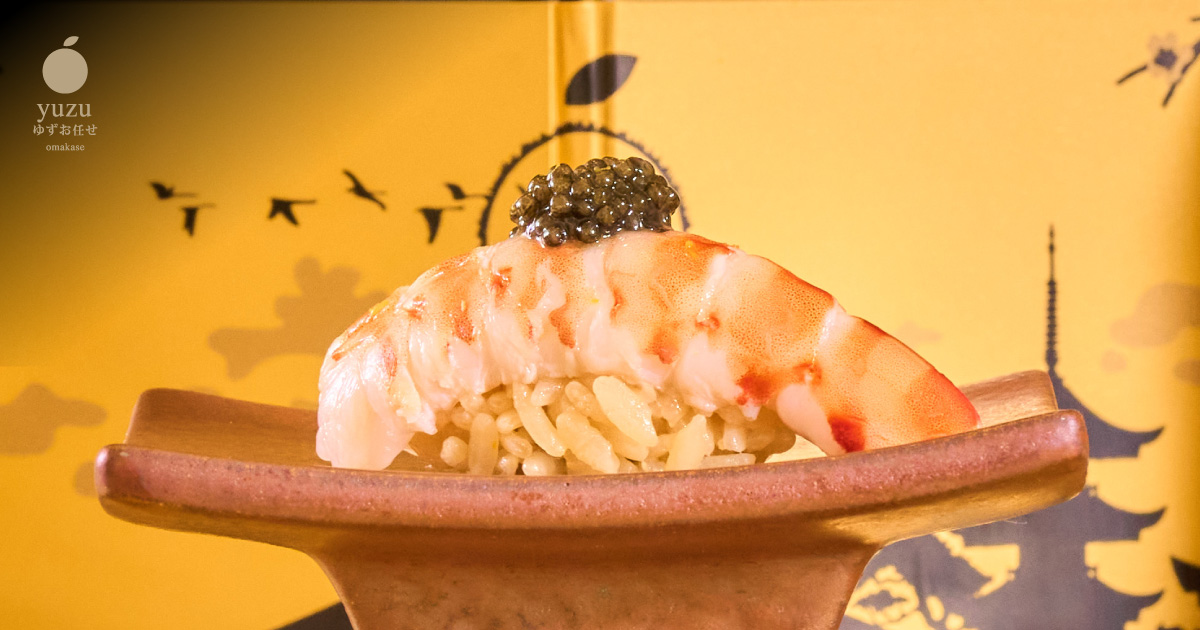
- Cooking: Premium Japanese short-grain rice (koshihikari or similar) is cooked and transferred immediately to a hangiri (cypress wooden tub)
- Seasoning: Hot rice receives sushi-zu (vinegar mixture) while the chef cuts and folds using a shamoji (rice paddle)
- Cooling: An assistant fans the rice (traditionally with an uchiwa) to rapidly cool it to body temperature while the chef continues folding
- Resting: Rice rests covered with a damp cloth (fukin) to maintain moisture and temperature
- Serving: Chef portions rice as needed, keeping hands moistened with tezu (vinegar water) to prevent sticking and maintain temperature
Sushi Rice Temperature Specifications
| Parameter | Specification | Purpose |
| Serving Temperature | 35-40°C (95-104°F) | Optimal flavor release and texture |
| Cooling Duration | 10-15 minutes | Allows vinegar absorption |
| Holding Time (Max) | 2 hours | Food safety compliance |
| Rice-to-Vinegar Ratio | 5:1 | Traditional balance |
Difference Between Restaurant and Home Sushi Rice Temperature
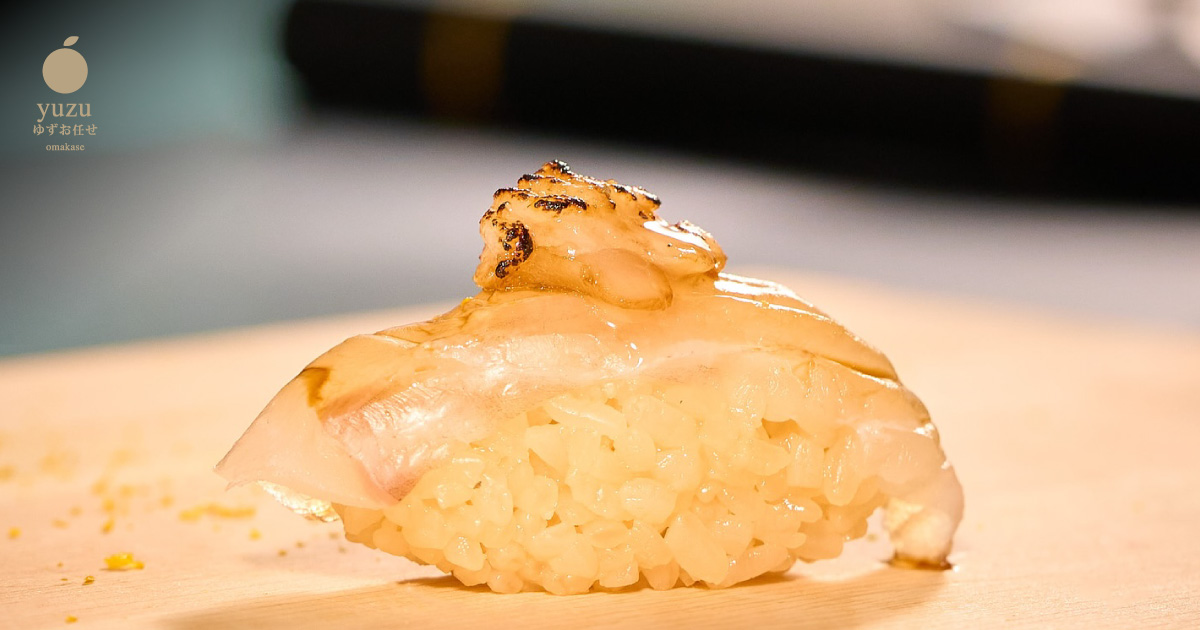
Home cooks frequently serve sushi rice too cold because refrigeration seems logical for food safety. However, professional standards require room-temperature service. The critical difference lies in preparation timing—omakase chefs make rice continuously throughout service, while home preparations often sit for extended periods.
For home sushi making, prepare smaller batches and use the rice within 30 minutes of seasoning for closest approximation to restaurant quality.
Warm vs. Cold Sushi Rice: Pros and Cons
Serving at Body Temperature (35-40°C)
Pros: Maximum aroma, ideal texture, authentic experience, enhanced umami perception, proper contrast with fish
Cons: Requires precise timing, shorter holding window, more labor-intensive
Serving Cold (Below 25°C)
Pros: Longer shelf stability, easier for mass production
Cons: Diminished flavor, harder texture, muted aroma, inferior quality perception
Frequently Asked Questions
What temperature should sushi rice be served at? Sushi rice should be served at body temperature, between 35-40°C (95-104°F). This temperature allows optimal flavor release from the vinegar seasoning while maintaining the ideal soft-yet-firm texture.
Why is sushi rice warm and not cold? Warm sushi rice releases aromatic compounds from the rice vinegar seasoning and creates pleasing thermal contrast with chilled fish. Cold rice becomes hard and loses its distinctive flavor profile.
Is it safe to eat room temperature sushi rice? Yes, when prepared properly. The vinegar in sushi rice acts as a preservative, making it safe at room temperature for up to 2 hours. Professional sushi restaurants never refrigerate shari during service.
How do omakase chefs keep sushi rice at the right temperature? Omakase itamae prepare small batches throughout service, keep rice in wooden containers that regulate moisture and temperature, and cover shari with damp cloths between preparations.
Can I refrigerate leftover sushi rice? Refrigeration is not recommended as it hardens the rice irreversibly. If you must store sushi rice, keep it at room temperature for up to 2 hours or freeze for later use in cooked dishes (not raw sushi).
What happens if sushi rice is too hot? Excessively hot rice (above 50°C) becomes mushy and overly sticky. More critically, hot rice damages delicate raw fish, affecting both texture and food safety.
How can I tell if sushi rice temperature is correct? Properly tempered sushi rice should feel slightly warm when touched—approximately the same temperature as your skin. It should glisten with a subtle sheen and release a gentle vinegar aroma.
RELATE
-
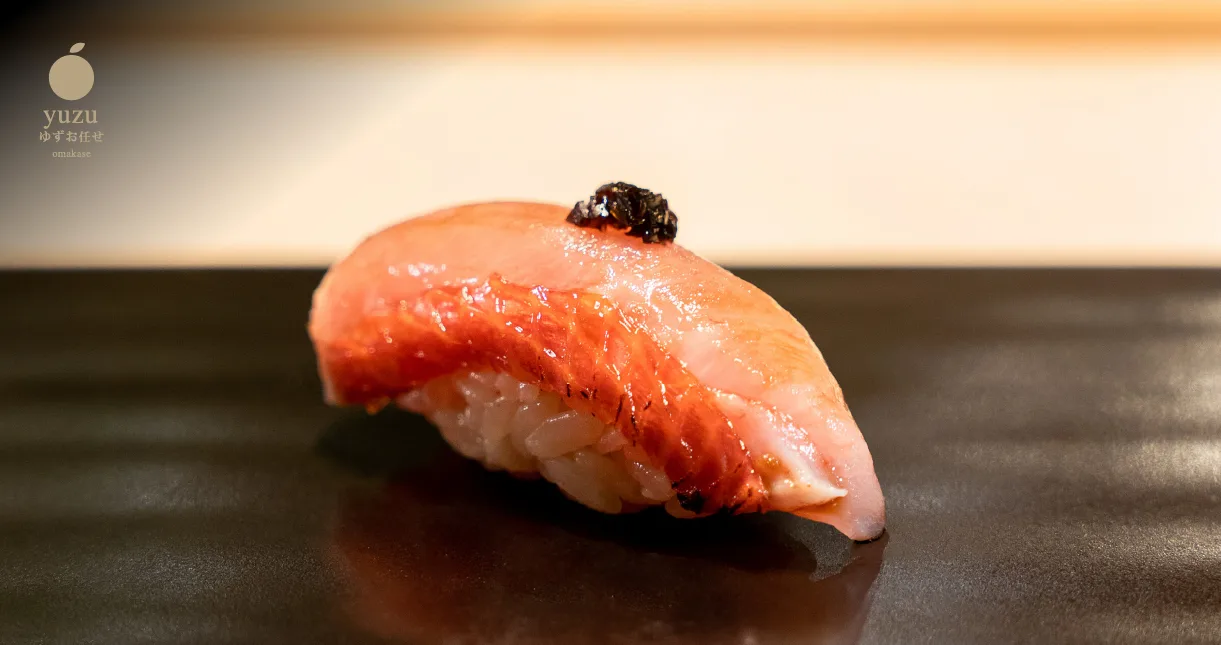
HAND TO HAND NIGIRI: THE MOST INTIMATE WAY TO EAT OMAKASE
Hand to hand nigiri means the chef places each piece of sushi directly into your open palm — and you eat it immediately with your fingers. No chopsticks. No plate. Just the rice, the fish, and the chef’s intent. It is the oldest and most traditional way to eat omakase sushi, and at Bangkok’s finest… Continue reading HAND TO HAND NIGIRI: THE MOST INTIMATE WAY TO EAT OMAKASE
Local Story ● 2026 Mar 11
-
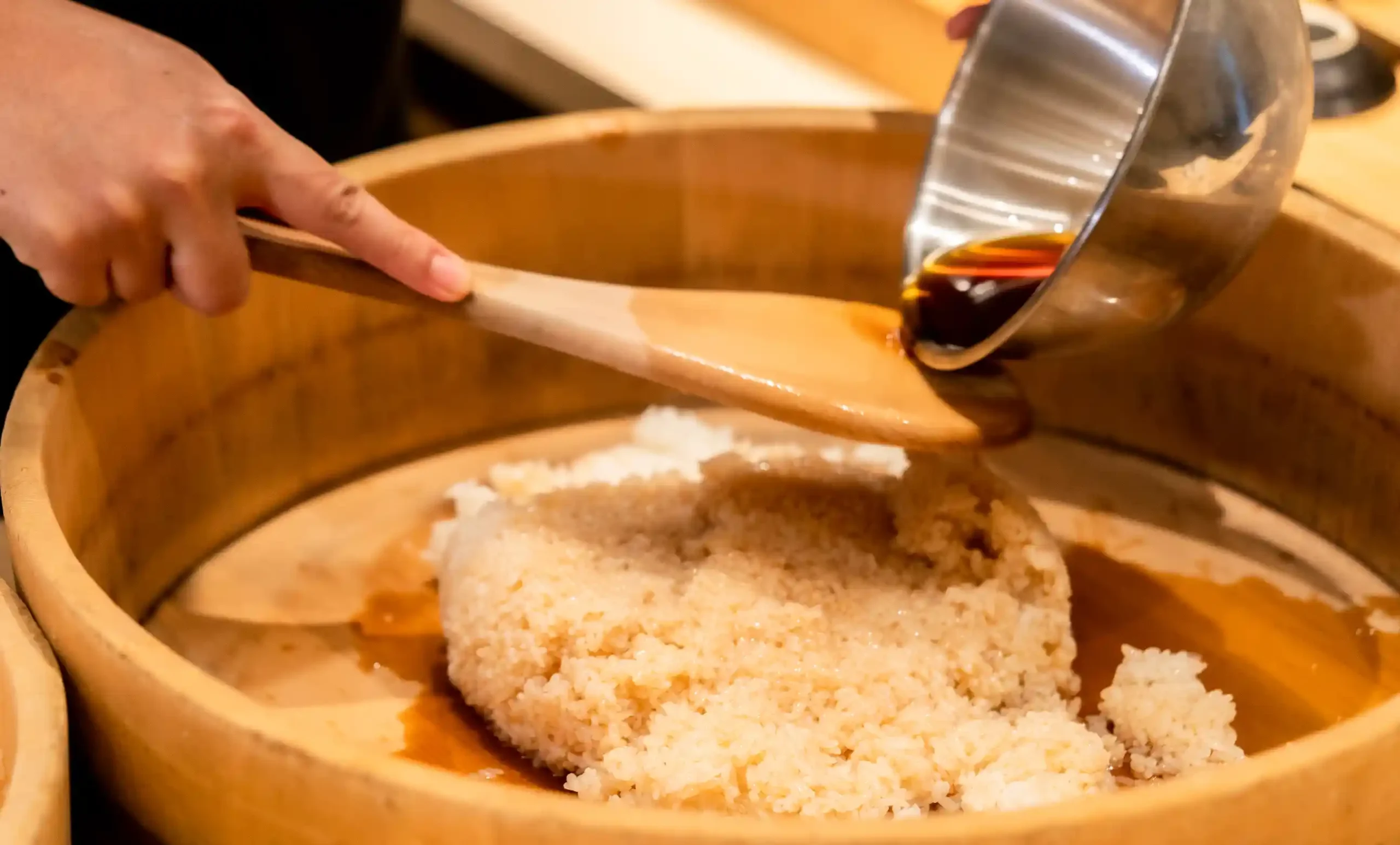
Temperature in Sushi Rice: The Foundation of Authentic Sushi Craftsmanship
What Is the Ideal Temperature for Sushi Rice? Sushi rice (shari) should be served at body temperature, approximately 35-40°C (95-104°F). This warmth allows the vinegar seasoning to release its aroma, keeps grains soft and glossy, and melts the fat of fish toppings upon contact for optimal flavor release. Key Facts at a Glance Why Does… Continue reading Temperature in Sushi Rice: The Foundation of Authentic Sushi Craftsmanship
Local Story ● 2026 Jan 29
-
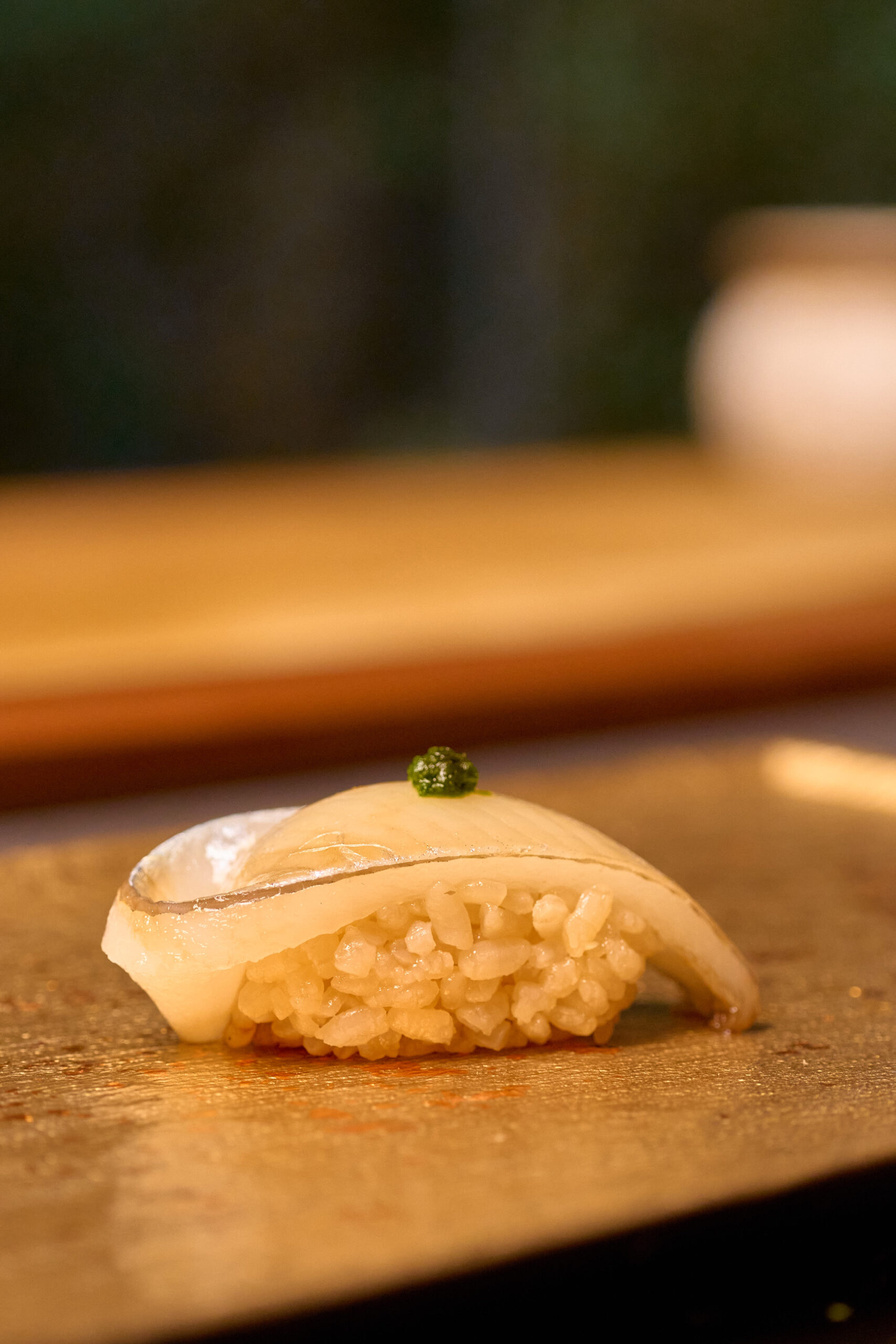
Why Is Wasabi Always Served with Sushi?
Wasabi accompanies sushi for three essential reasons: it kills harmful bacteria in raw fish, enhances umami flavor, and cleanses the palate between bites. This pairing dates back to the Edo period in Japan when refrigeration did not exist. Quick Answer Card The Science Behind Wasabi and Raw Fish Wasabi contains allyl isothiocyanate, a natural compound… Continue reading Why Is Wasabi Always Served with Sushi?
Local Story ● 2026 Jan 28
-
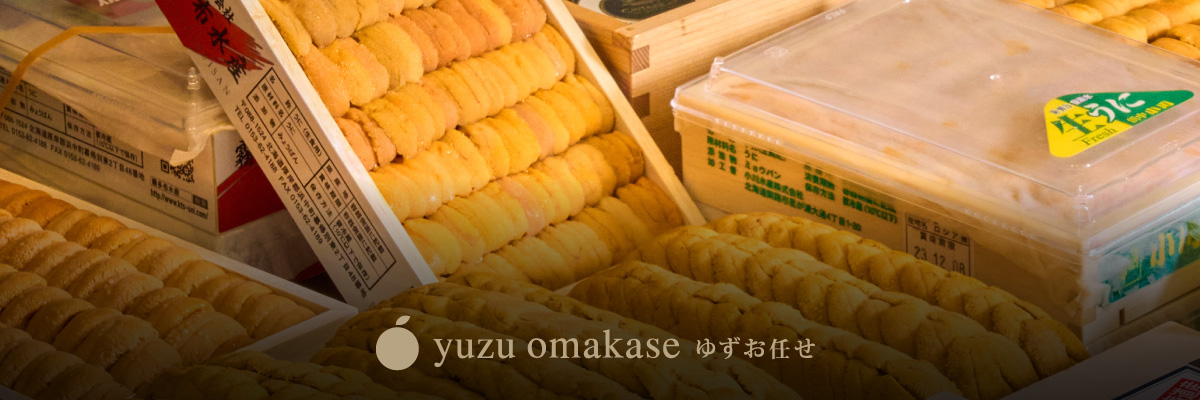
Hokkaido Uni vs Kyushu Uni: What’s the Difference?
Hokkaido uni offers a rich, creamy sweetness with a firm texture, while Kyushu uni delivers a lighter, more delicate flavor with a softer, melt-in-your-mouth consistency. The difference comes from water temperature, diet, and harvesting season. Understanding Japanese Sea Urchin Varieties Japan produces some of the world’s finest uni, with regional terroir creating distinct flavor profiles.… Continue reading Hokkaido Uni vs Kyushu Uni: What’s the Difference?
Local Story ● 2026 Jan 22

