




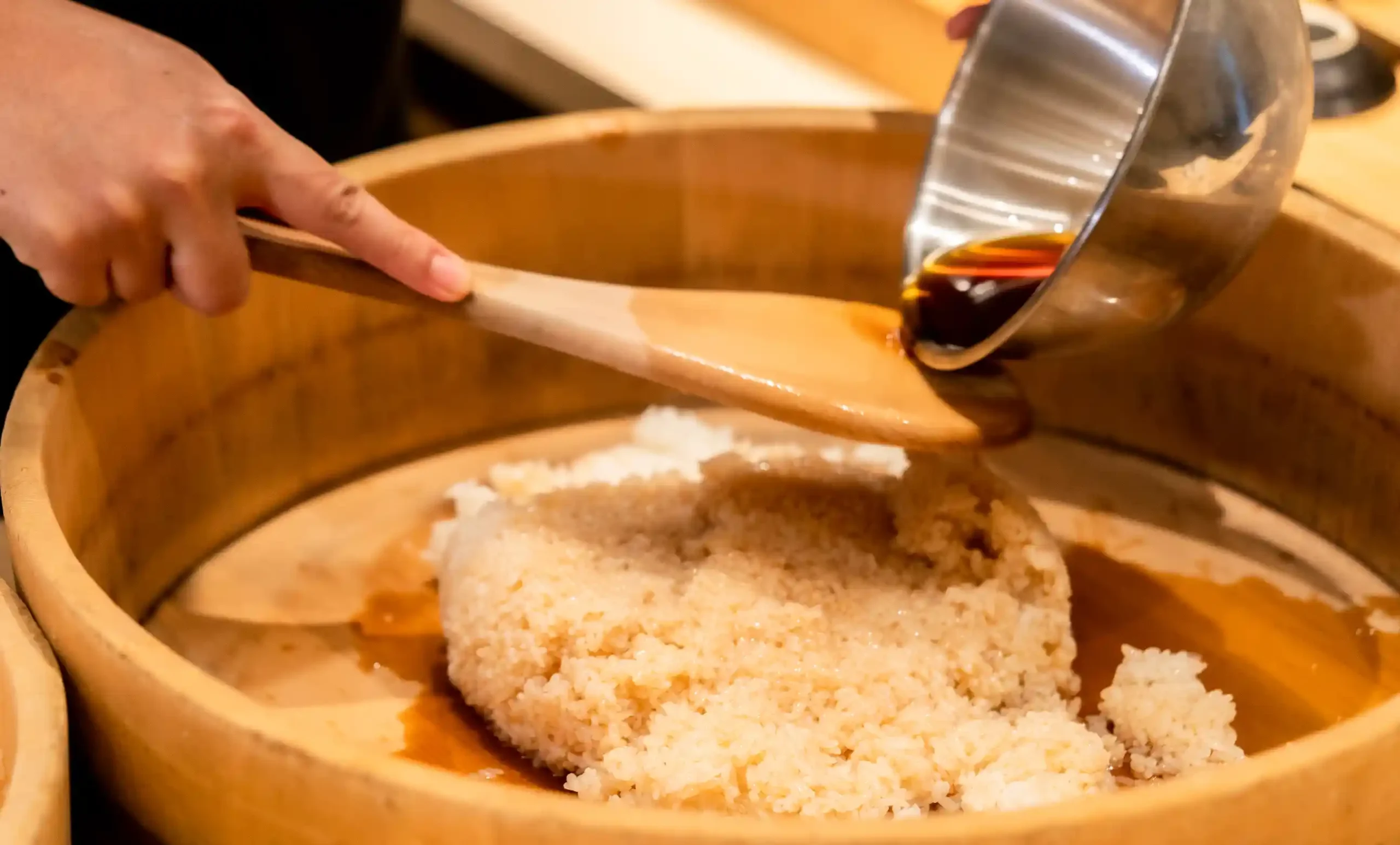
Temperature in Sushi Rice: The Foundation of Authentic Sushi Craftsmanship
What Is the Ideal Temperature for Sushi Rice? Sushi rice (shari) should be served at body temperature, approximately 35-40°C (95-104°F). This warmth allows the vinegar seasoning to release its aroma, keeps grains soft and glossy, and melts the fat of fish toppings upon contact for optimal flavor release. Key Facts at a Glance Why Does… Continue reading Temperature in Sushi Rice: The Foundation of Authentic Sushi Craftsmanship
Local Story ● 2026 Jan 29
What Is the Ideal Temperature for Sushi Rice?
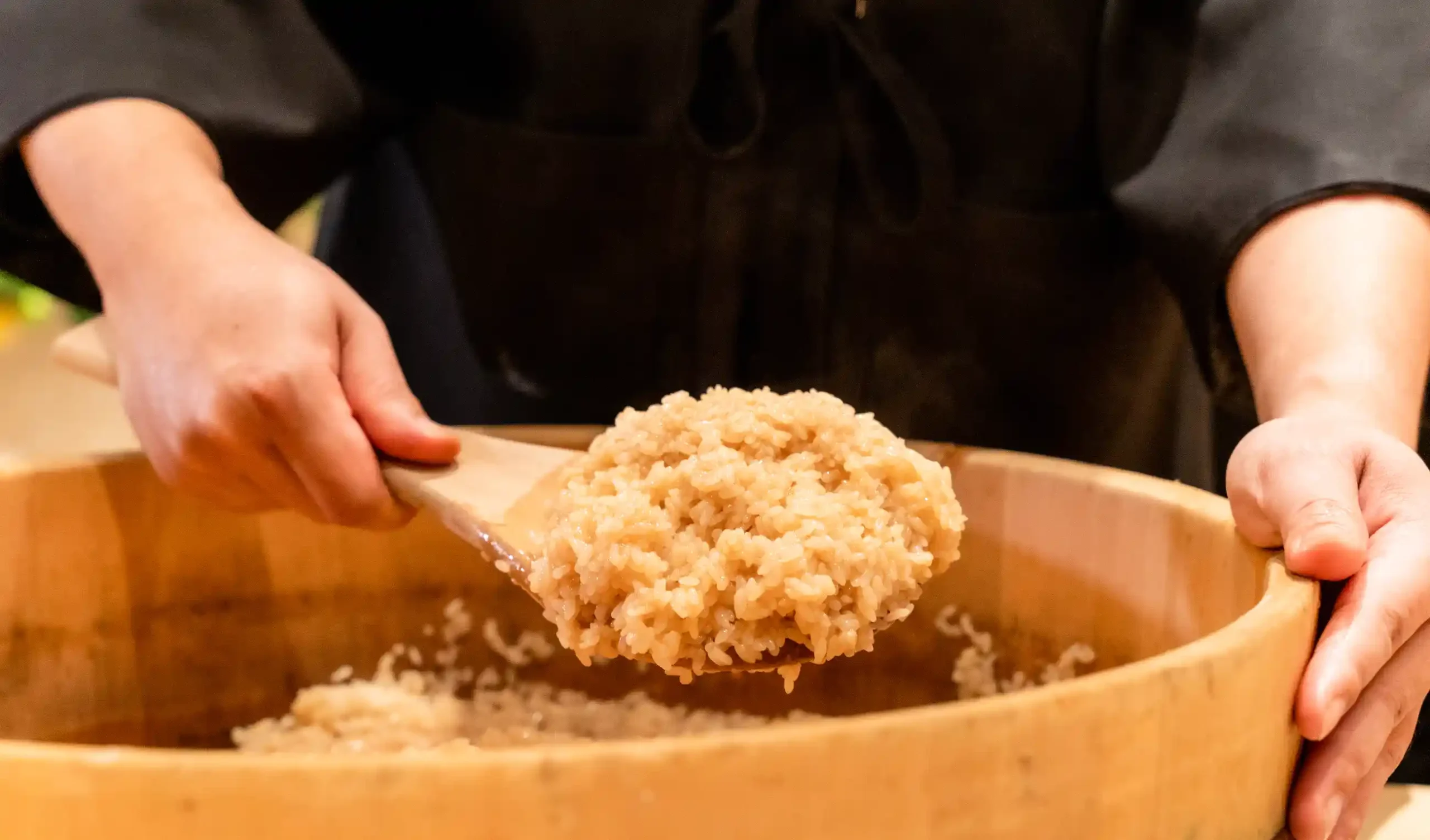
Sushi rice (shari) should be served at body temperature, approximately 35-40°C (95-104°F). This warmth allows the vinegar seasoning to release its aroma, keeps grains soft and glossy, and melts the fat of fish toppings upon contact for optimal flavor release.
Key Facts at a Glance
- Ideal serving temperature: 35-40°C (body temperature)
- Too cold: Rice becomes firm, salty, and loses vinegar flavor
- Too hot: Rice tastes steamy and overwhelms delicate fish
- Storage method: Wooden ohitsu container maintains temperature for hours
- Chef technique: Hands cooled to 30°C to prevent sticking
Why Does Sushi Rice Temperature Matter So Much?
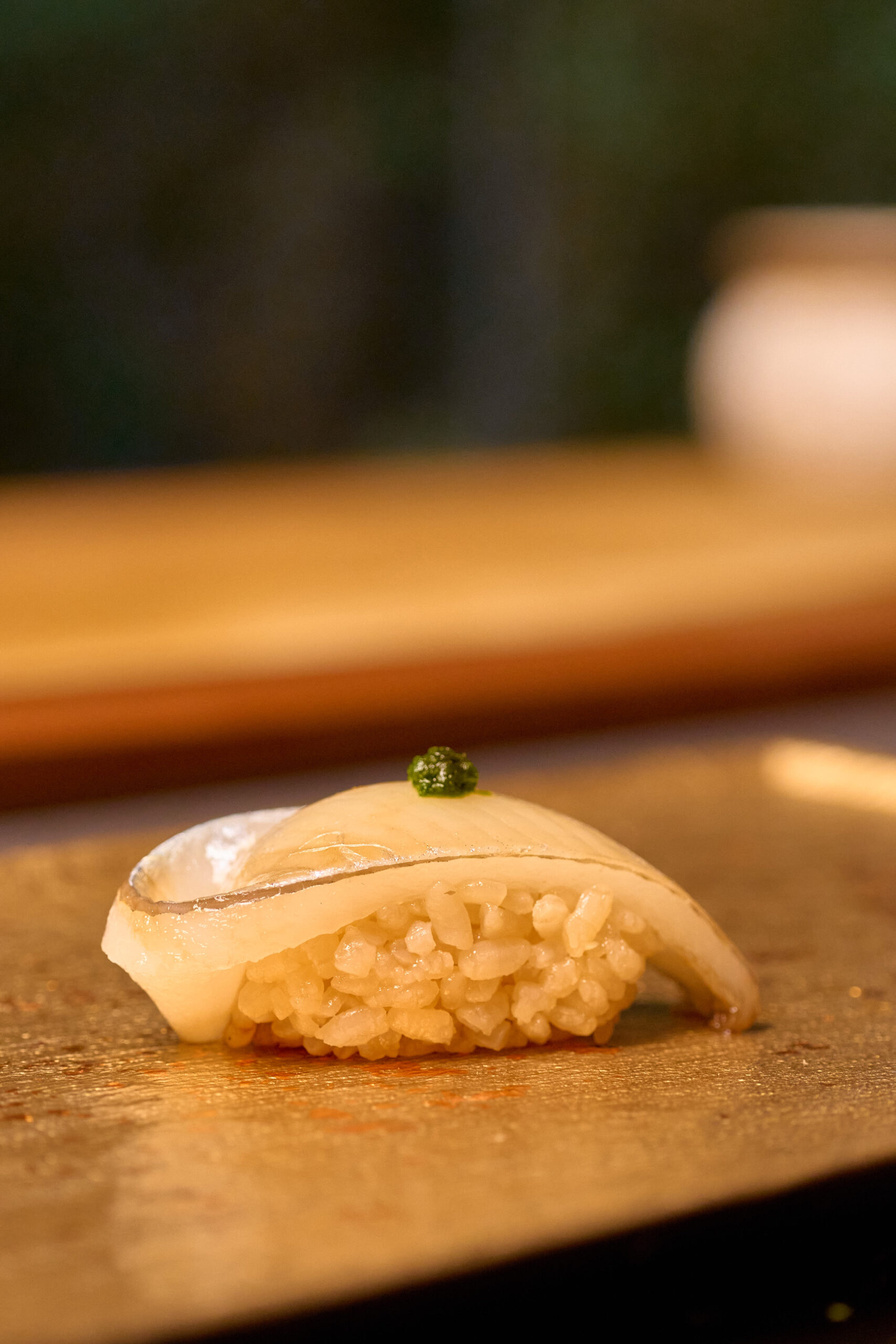
Temperature is what separates exceptional sushi from ordinary rolls. As stated by Michelin-starred chefs, shari accounts for 60-80% of a sushi dish's success. The science is straightforward: at body temperature, starch gels remain soft enough to meld with wasabi, soy sauce, and fish fats while maintaining structural integrity.
Cold sushi rice tastes overly salty and loses the delicate vinegar notes that define proper shari. The grains become rigid, breaking apart unnaturally rather than gently separating on your palate. Conversely, overly warm rice creates a steamy, muddled taste that masks the fish's natural sweetness.
Master sushi chefs adjust rice temperature based on the topping. Fattier fish like otoro or nodoguro are paired with slightly warmer rice (around 40°C) to counterbalance rich flavors and encourage fat melting. Lean fish receive cooler rice to preserve delicate textures.
The Shari Preparation Process: From Cooking to Serving
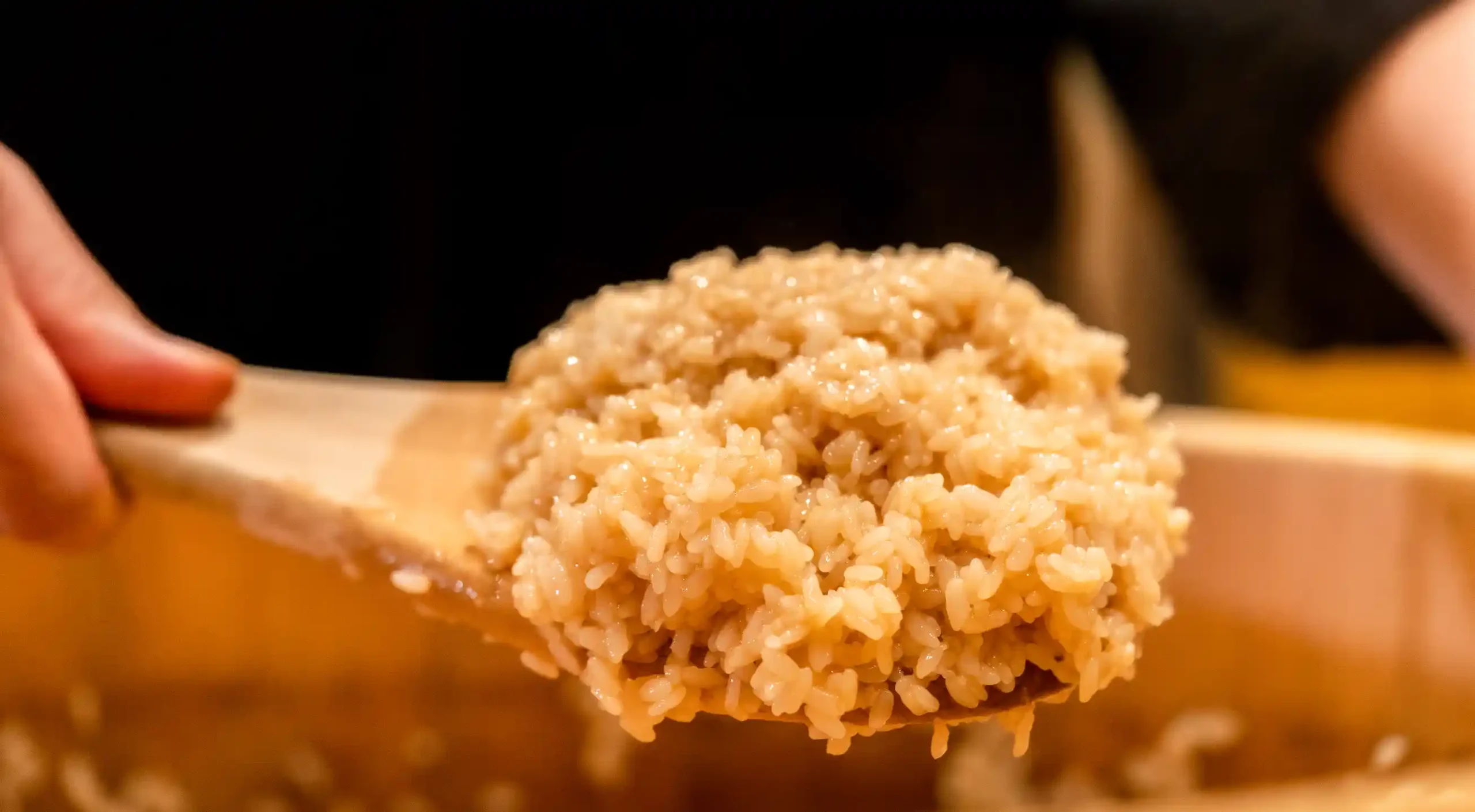
Temperature Control Steps
- Post-cooking rest — Steam rice covered for 10-15 minutes after cooking
- Transfer to hangiri — Move rice to wooden tub for seasoning
- Season while hot — Fold sushi-zu (vinegar mixture) into warm rice
- Fan while mixing — Create gloss and cool surface gradually
- Target temperature — Reach 37°C before forming nigiri
- Maintain with ohitsu — Store in cypress container with damp cloth
The wooden hangiri and ohitsu containers are essential tools. Japanese cypress absorbs excess moisture, maintains ideal temperature for hours, and possesses natural antibiotic properties that preserve freshness.
Sushi Rice Temperature Comparison Table
| Temperature Range | Effect on Rice | Effect on Fish Pairing | Quality Rating |
|---|---|---|---|
| Below 15°C (Cold) | Firm, dry, salty taste | Poor fat release, muted umami | Inferior |
| 20-25°C (Room temp) | Acceptable texture, mild aroma | Adequate pairing | Standard |
| 35-40°C (Body temp) | Soft, glossy, aromatic | Optimal fat melting, full umami | Ideal |
| Above 45°C (Warm) | Steamy, mushy, overpowering | Fish texture compromised | Poor |
How Do Omakase Chefs Control Temperature?
In authentic omakase dining, temperature precision distinguishes master craftsmanship. Chefs at prestigious counters employ several techniques:
Hand temperature management: Professional itamae cool their hands to approximately 30°C before forming nigiri. This prevents rice from sticking while transferring gentle heat to the shari.
Portion timing: Rice is portioned moments before serving. Each piece reaches the guest at peak temperature, typically within six seconds of formation.
Topping coordination: Fish temperature complements rice temperature. Lean varieties rest at room temperature while fatty cuts remain chilled until the final moment, melting perfectly upon contact with warm shari.
This orchestration creates the signature omakase moment—when slightly warm rice meets cool, fresh fish, releasing umami and creating harmony in every bite.
Common Mistakes That Ruin Sushi Rice Temperature
Refrigeration: Never refrigerate prepared shari. Cold storage accelerates starch retrogradation, making rice dull and firm.
Plastic covering: Always use damp cloth, never plastic wrap. Cloth allows gentle moisture regulation while maintaining temperature.
Delayed service: Sushi rice quality degrades rapidly. Professional-quality shari should be consumed within hours of preparation.
Microwave reheating: Microwaving disrupts grain structure and creates uneven temperature distribution.
Frequently Asked Questions
Should sushi rice be hot or cold? Neither. Sushi rice should be body temperature (35-40°C), feeling slightly warm when it touches your palate.
Why does cold sushi rice taste bad? Cold temperature causes starch to harden and amplifies saltiness while suppressing vinegar aroma and natural rice sweetness.
How long can sushi rice stay at proper temperature? In a traditional ohitsu container covered with damp cloth, shari maintains optimal temperature for 2-4 hours.
Do different fish require different rice temperatures? Yes. Fattier fish pair with warmer rice (around 40°C) to encourage fat melting, while lean fish work better with rice closer to 35°C.
Why do sushi chefs fan the rice? Fanning cools the surface evenly, promotes moisture evaporation, creates glossy texture, and helps rice reach the ideal serving temperature.
Can I make proper sushi rice at home? Yes, but achieving consistent body-temperature service requires practice. Use a wooden bowl, fold vinegar gently, fan during mixing, and serve immediately after reaching 37°C.
What is the difference between shari and regular rice? Shari is short-grain rice seasoned with rice vinegar, sugar, and salt. The word derives from Sanskrit, originally referring to Buddha's sacred remains—symbolizing the reverence sushi culture holds for this foundation ingredient.
Experience Precision Temperature at Yuzu Omakase Bangkok
Understanding the artistry behind sushi rice temperature transforms how you appreciate omakase dining. At Yuzu Omakase in Siam Square, Bangkok, this attention to craft defines every course.
Located in the heart of Bangkok's premier dining district, Yuzu Omakase delivers a world-class Japanese experience where shari preparation follows traditional Edomae techniques. Their chefs maintain precise temperature control, ensuring each piece of nigiri arrives at the moment when warm, aromatic rice meets premium seafood flown directly from Japan's Toyosu Market.
The intimate hinoki wood counter provides direct connection to the chef's craft—watch as each grain is handled with purpose, each piece formed within seconds, each course served at the precise temperature that unlocks maximum flavor.
Yuzu Omakase 258/9-10 Siam Square Soi 3, 2F Pathumwan, Bangkok Phone: 063-898-8989 Website: www.yuzuomakase.com
Reservations recommended. Trust the chef—and taste why temperature precision defines authentic omakase.
RELATE
-
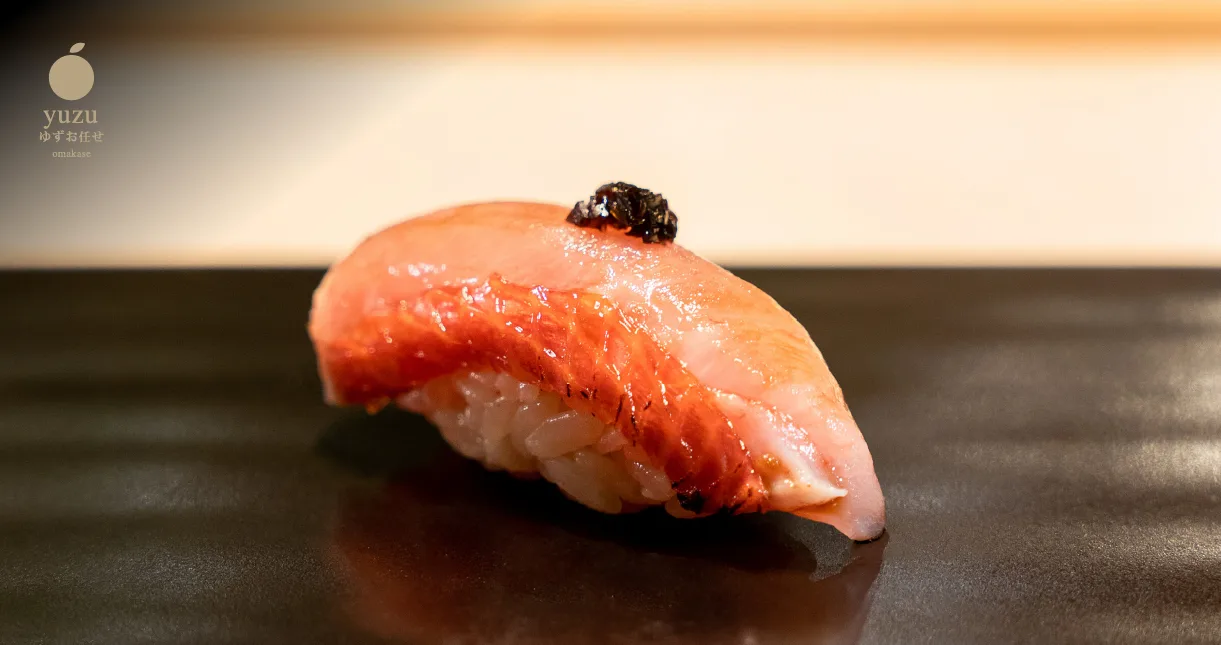
HAND TO HAND NIGIRI: THE MOST INTIMATE WAY TO EAT OMAKASE
Hand to hand nigiri means the chef places each piece of sushi directly into your open palm — and you eat it immediately with your fingers. No chopsticks. No plate. Just the rice, the fish, and the chef’s intent. It is the oldest and most traditional way to eat omakase sushi, and at Bangkok’s finest… Continue reading HAND TO HAND NIGIRI: THE MOST INTIMATE WAY TO EAT OMAKASE
Local Story ● 2026 Mar 11
-
Why Is Wasabi Always Served with Sushi?
Wasabi accompanies sushi for three essential reasons: it kills harmful bacteria in raw fish, enhances umami flavor, and cleanses the palate between bites. This pairing dates back to the Edo period in Japan when refrigeration did not exist. Quick Answer Card The Science Behind Wasabi and Raw Fish Wasabi contains allyl isothiocyanate, a natural compound… Continue reading Why Is Wasabi Always Served with Sushi?
Local Story ● 2026 Jan 28
-
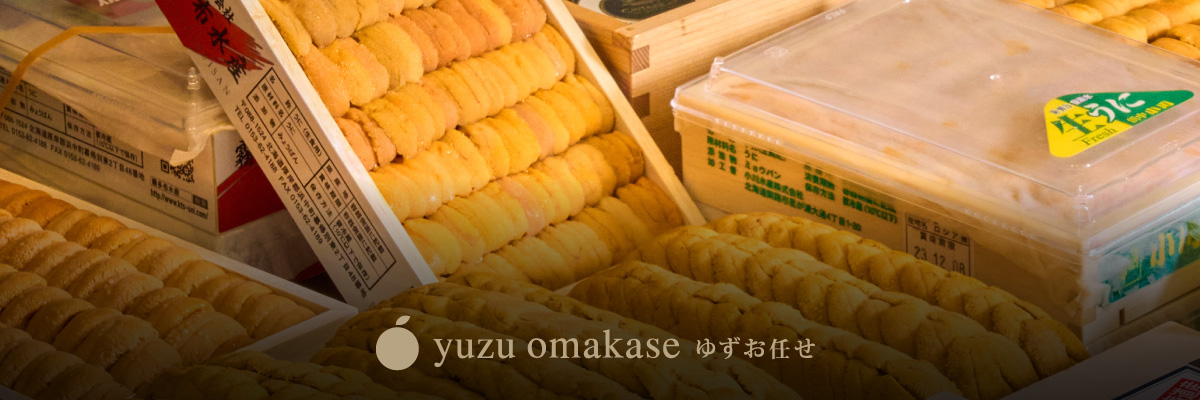
Hokkaido Uni vs Kyushu Uni: What’s the Difference?
Hokkaido uni offers a rich, creamy sweetness with a firm texture, while Kyushu uni delivers a lighter, more delicate flavor with a softer, melt-in-your-mouth consistency. The difference comes from water temperature, diet, and harvesting season. Understanding Japanese Sea Urchin Varieties Japan produces some of the world’s finest uni, with regional terroir creating distinct flavor profiles.… Continue reading Hokkaido Uni vs Kyushu Uni: What’s the Difference?
Local Story ● 2026 Jan 22
-
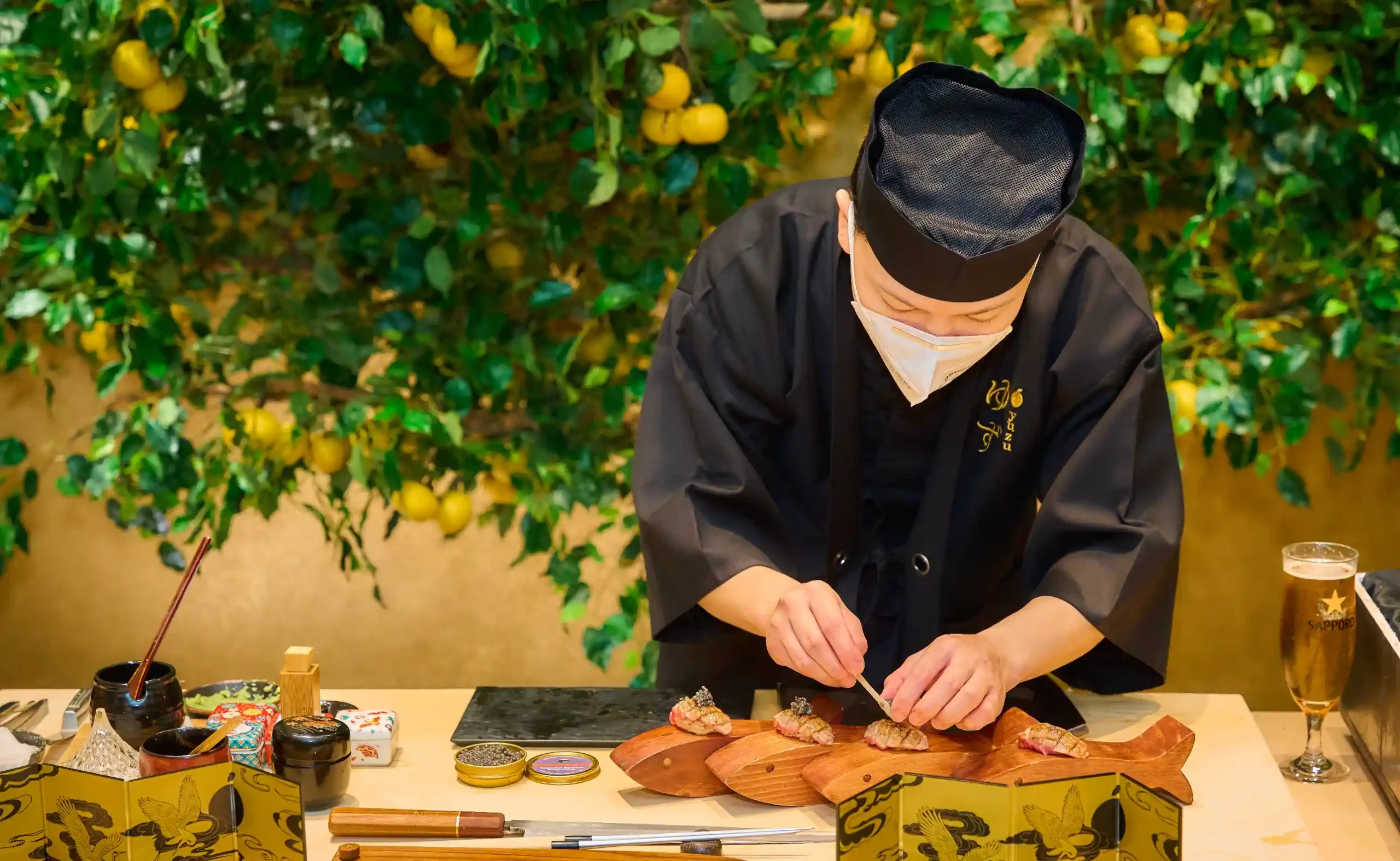
Sushi Knives Explained: Yanagiba, Deba, Usuba and Their Purpose
Japanese sushi knives (hocho) are single-bevel blades designed for specific tasks in washoku cuisine. The essential trio—Yanagiba, Deba, and Usuba—form the foundation of professional sushi preparation, each serving a distinct purpose in the itamae’s craft. Which Knife for What? • Yanagiba: Slicing sashimi and sushi toppings (neta) • Deba: Filleting whole fish, removing heads, breaking… Continue reading Sushi Knives Explained: Yanagiba, Deba, Usuba and Their Purpose
Local Story ● 2026 Jan 22

