




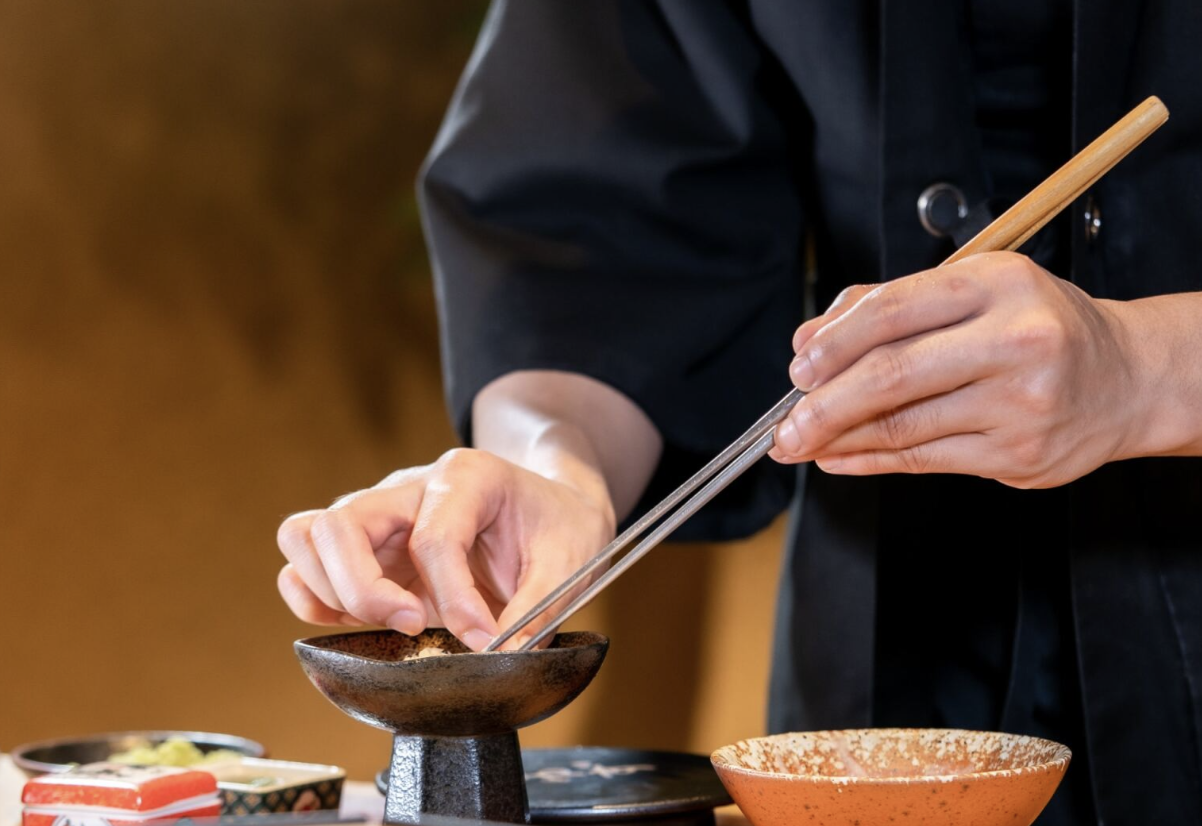
Omakase Etiquette: Complete Guide to Japanese Fine Dining Protocol
Omakase etiquette centers on respecting the chef’s craft through punctuality, eating sushi immediately when served, and avoiding strong fragrances. Trust the chef’s selection, eat each piece in one bite, and maintain quiet conversation to preserve the intimate dining atmosphere. What is Proper Omakase Etiquette? Omakase etiquette encompasses behavioral protocols that honor Japanese culinary tradition and… Continue reading Omakase Etiquette: Complete Guide to Japanese Fine Dining Protocol
Local Story ● 2025 Dec 4
Omakase etiquette centers on respecting the chef's craft through punctuality, eating sushi immediately when served, and avoiding strong fragrances. Trust the chef's selection, eat each piece in one bite, and maintain quiet conversation to preserve the intimate dining atmosphere.
What is Proper Omakase Etiquette?
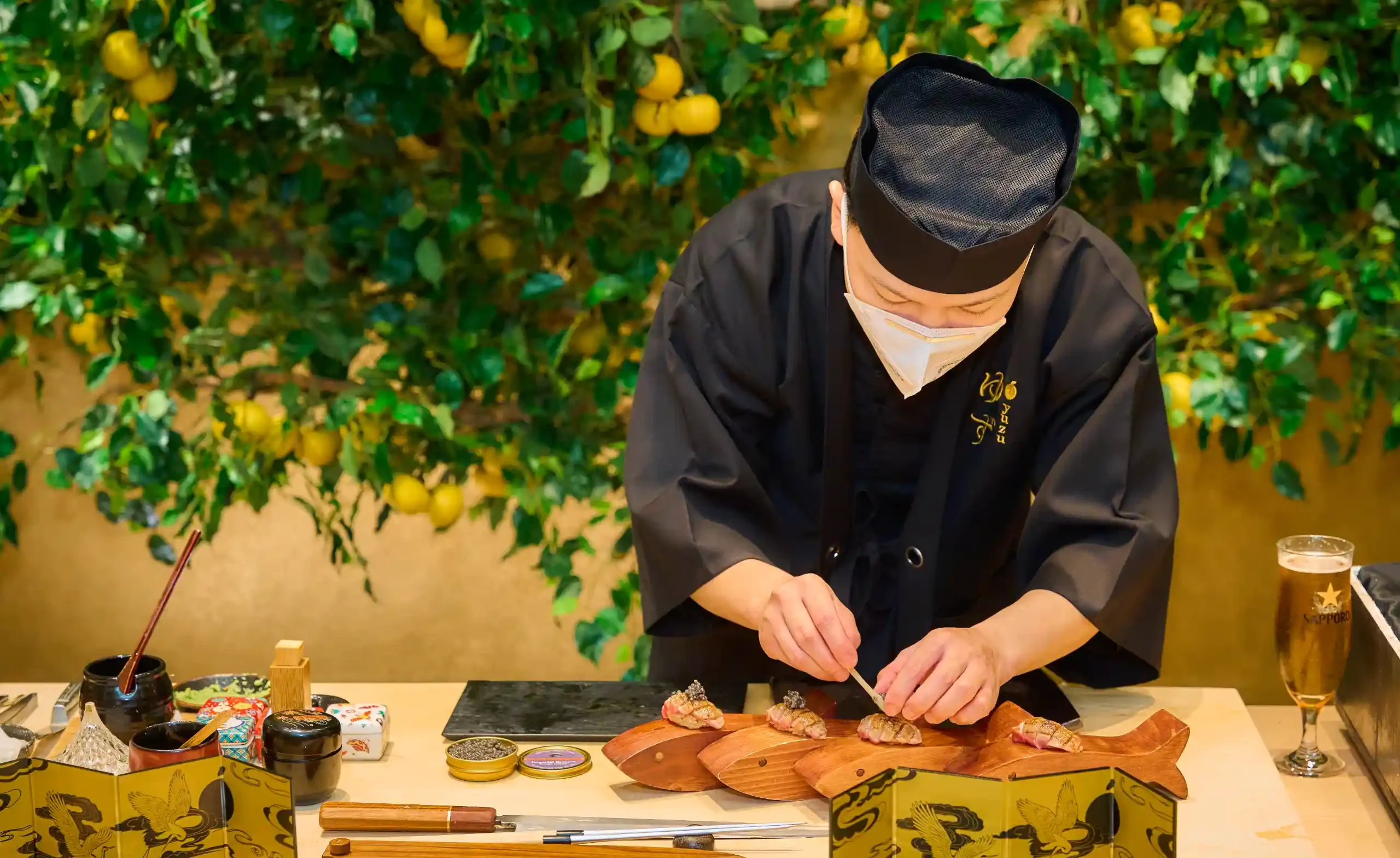
Omakase etiquette encompasses behavioral protocols that honor Japanese culinary tradition and the itamae (sushi chef) craftsmanship. This dining format, meaning "I leave it to you," requires guests to follow specific customs that differ from casual sushi restaurants or kaiseki dining.
The foundation of omakase protocol rests on mutual respect between diner and chef. Your behavior directly impacts not only your experience but also that of other guests at the sushi counter.
Before Your Omakase Experience
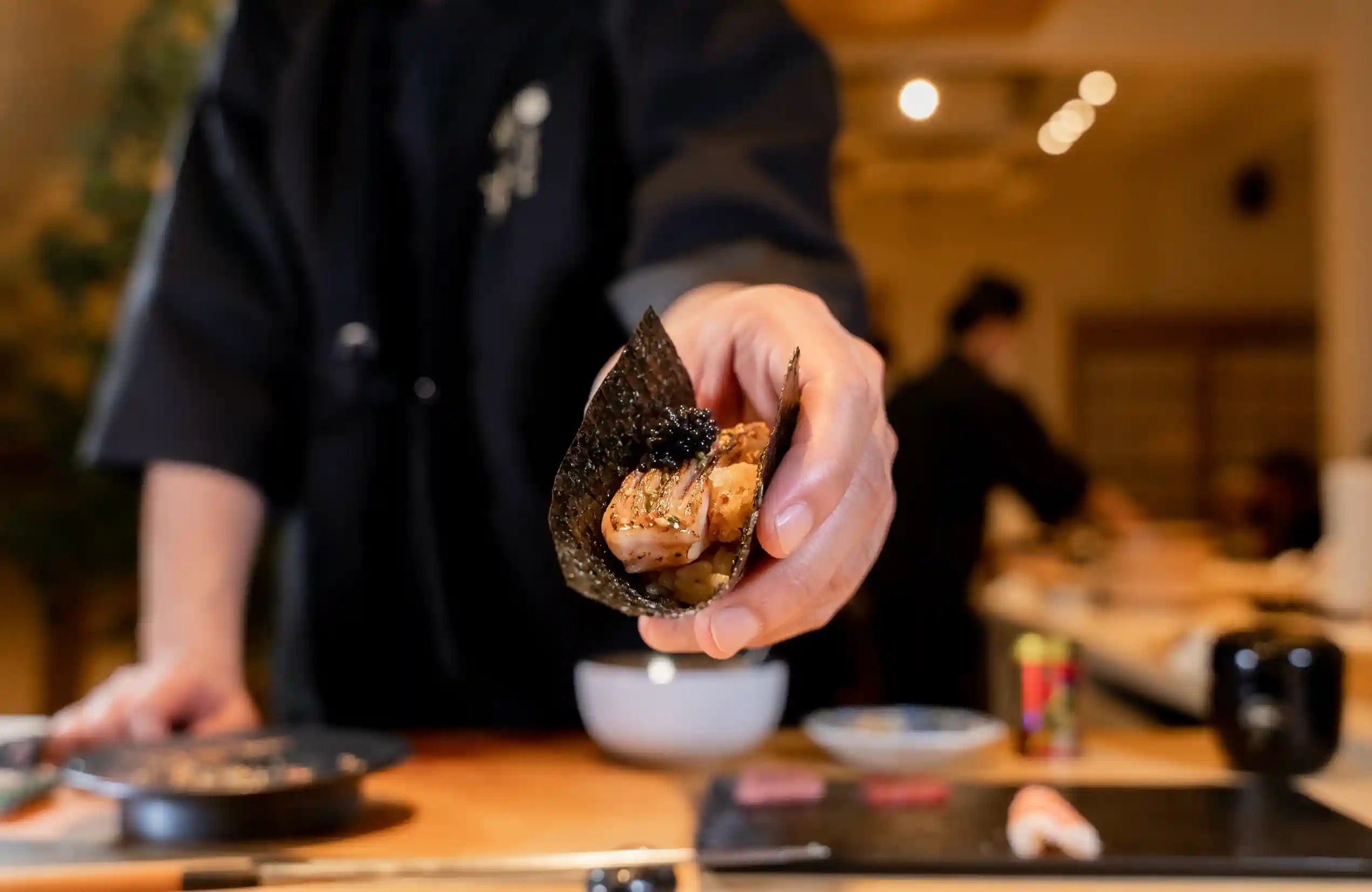
Reservation & Timing Protocol
Punctuality is non-negotiable in omakase dining. Arriving late disrupts the entire service flow, as courses are synchronized across all counter seats. Most high-end sushi bars in Bangkok, including establishments like Yuzu Omakase, begin service simultaneously for all guests.
Cancellation etiquette requires 48-72 hours notice. Last-minute cancellations affect the chef's ingredient procurement and deny other guests the opportunity to dine.
Dress Code & Fragrance Guidelines
| Appropriate | Avoid |
| Smart casual attire | Strong perfumes/cologne |
| Clean, neat clothing | Excessive jewelry (noise) |
| Minimal accessories | Athletic wear |
| Subtle or no fragrance | Heavy makeup scents |
During Your Omakase Meal
Sushi Consumption Etiquette
The nigiri sushi protocol is fundamental to omakase etiquette. When the itamae places sushi before you, consume it within 10-30 seconds. This timing ensures optimal neta (fish) temperature and shari (rice) texture.
Proper eating technique:
- Pick up with fingers or chopsticks (both acceptable)
- Turn fish-side down if using soy sauce
- Place entire piece in mouth
- Chew slowly to appreciate flavors
Chef Interaction Guidelines
Engaging with your sushi chef enhances the omakase experience, but requires cultural sensitivity. Appropriate questions include ingredient origins, seasonal selections, and preparation techniques. Avoid discussing prices, comparing to other restaurants, or requesting modifications.
The chef-guest relationship in omakase differs from Western fine dining. The itamae is both craftsman and host, deserving acknowledgment through attentive eating rather than excessive praise.
Photography and Phone Etiquette
When Photography is Acceptable
Photography policies vary by establishment. Premium omakase restaurants may restrict photography to preserve ambiance. Always request permission before photographing:
- Individual courses
- The chef at work
- Other diners
- Restaurant interior
Silent mode is mandatory. Phone calls should be taken outside the dining room.
Common Omakase Mistakes to Avoid
| Mistake | Why It's Wrong | Correct Approach |
| Adding wasabi to nigiri | Chef pre-seasons each piece | Trust chef's preparation |
| Mixing wasabi in soy sauce | Masks delicate flavors | Use soy sauce sparingly |
| Requesting menu changes | Defeats omakase concept | Inform of allergies only |
| Loud conversation | Disrupts intimate atmosphere | Maintain moderate volume |
| Comparing to other restaurants | Disrespectful to chef | Appreciate unique experience |
Special Dietary Considerations
Allergies vs Preferences
Critical distinction: Allergies require advance notification during reservation. Preferences (disliking certain fish) are generally not accommodated in traditional omakase, as the format assumes complete trust in the chef's selection.
For Bangkok omakase restaurants, dietary restrictions are becoming more accepted, but communication during booking remains essential.
FAQ: Omakase Etiquette Questions
Q: Should I tip at an omakase restaurant? A: In Japan, tipping is not customary. In Bangkok's international omakase establishments, check if service charge is included. Additional tipping is optional but not expected.
Q: Can I request specific fish during omakase? A: No, requesting specific items contradicts the omakase philosophy. The chef curates based on best available ingredients and seasonal offerings.
Q: Is it rude to leave sushi uneaten? A: Yes, leaving sushi is considered highly disrespectful. If you have capacity concerns, inform the chef early in the meal.
Q: What if I don't like a particular piece? A: Eat it respectfully without showing displeasure. Omakase is about experiencing the chef's complete vision, including unfamiliar items.
Q: How long does proper omakase dining take? A: Traditional omakase lasts 1.5-2.5 hours. Rushing through courses is poor etiquette; the pacing is intentionally designed for optimal digestion and appreciation.
Q: Should I use chopsticks or fingers for nigiri? A: Both are correct. Traditionally, nigiri is finger food, but chopsticks are equally acceptable in modern omakase settings.
Q: Can I order drinks during omakase? A: Yes, sake, wine, or tea pairings are common. Avoid strong-flavored beverages that overpower delicate sushi flavors.
RELATE
-
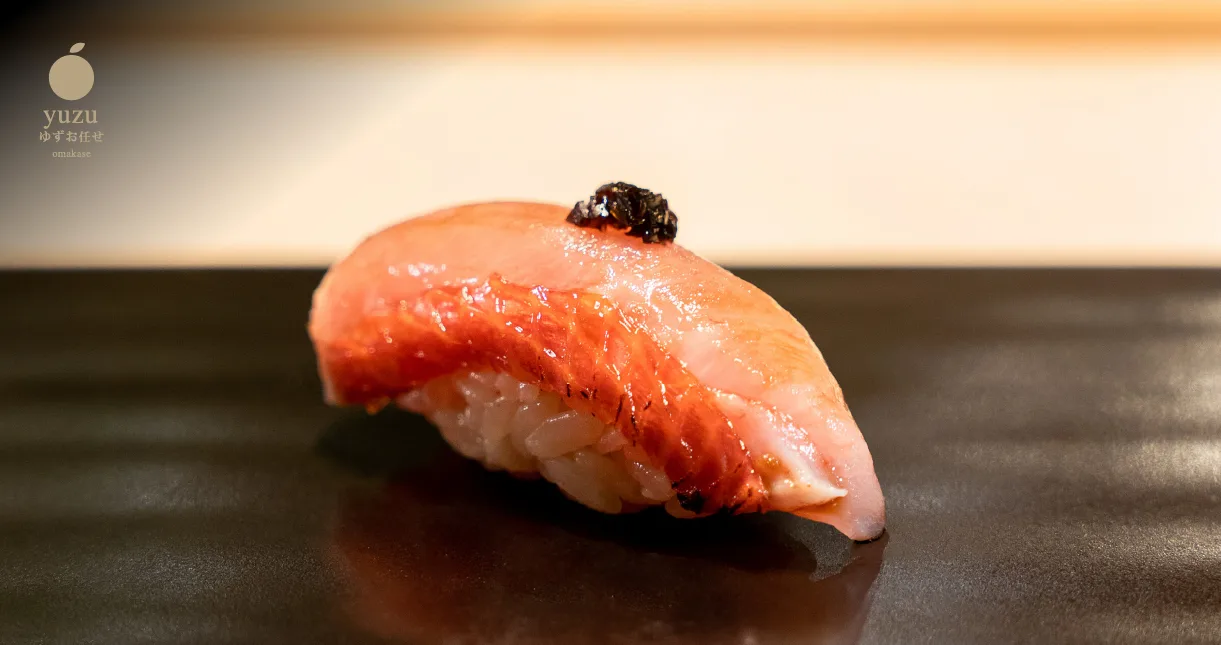
HAND TO HAND NIGIRI: THE MOST INTIMATE WAY TO EAT OMAKASE
Hand to hand nigiri means the chef places each piece of sushi directly into your open palm — and you eat it immediately with your fingers. No chopsticks. No plate. Just the rice, the fish, and the chef’s intent. It is the oldest and most traditional way to eat omakase sushi, and at Bangkok’s finest… Continue reading HAND TO HAND NIGIRI: THE MOST INTIMATE WAY TO EAT OMAKASE
Local Story ● 2026 Mar 11
-
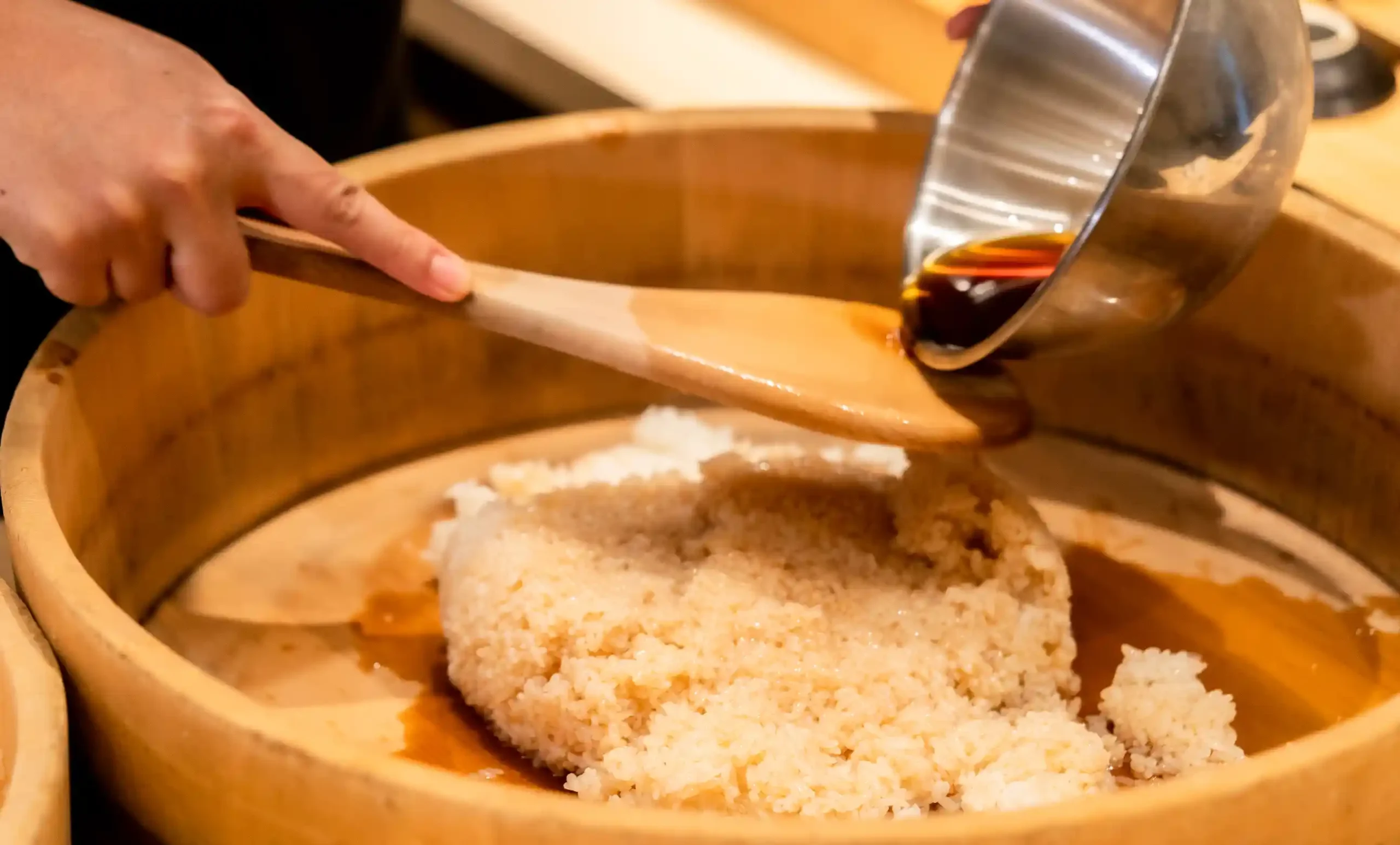
Temperature in Sushi Rice: The Foundation of Authentic Sushi Craftsmanship
What Is the Ideal Temperature for Sushi Rice? Sushi rice (shari) should be served at body temperature, approximately 35-40°C (95-104°F). This warmth allows the vinegar seasoning to release its aroma, keeps grains soft and glossy, and melts the fat of fish toppings upon contact for optimal flavor release. Key Facts at a Glance Why Does… Continue reading Temperature in Sushi Rice: The Foundation of Authentic Sushi Craftsmanship
Local Story ● 2026 Jan 29
-
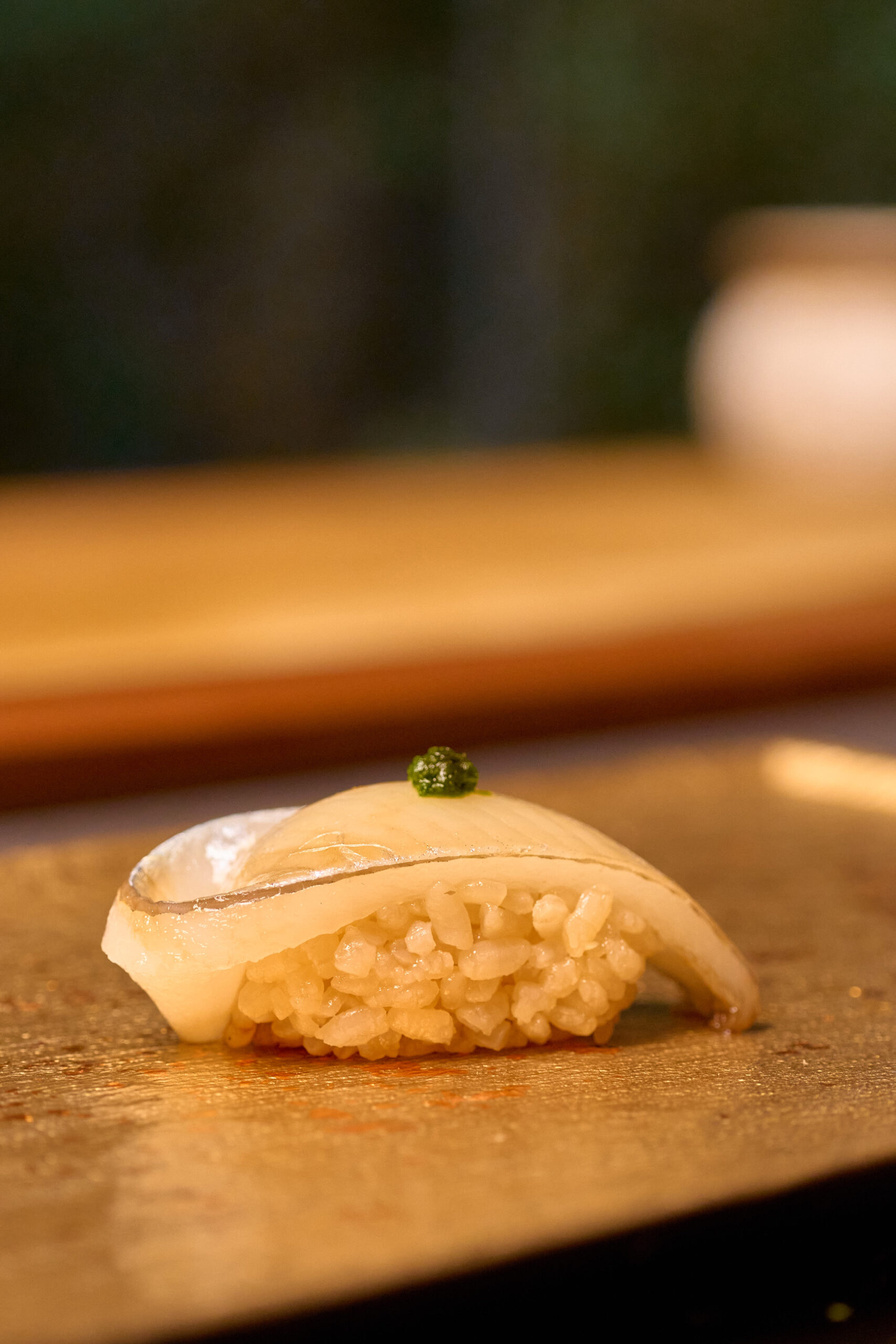
Why Is Wasabi Always Served with Sushi?
Wasabi accompanies sushi for three essential reasons: it kills harmful bacteria in raw fish, enhances umami flavor, and cleanses the palate between bites. This pairing dates back to the Edo period in Japan when refrigeration did not exist. Quick Answer Card The Science Behind Wasabi and Raw Fish Wasabi contains allyl isothiocyanate, a natural compound… Continue reading Why Is Wasabi Always Served with Sushi?
Local Story ● 2026 Jan 28
-
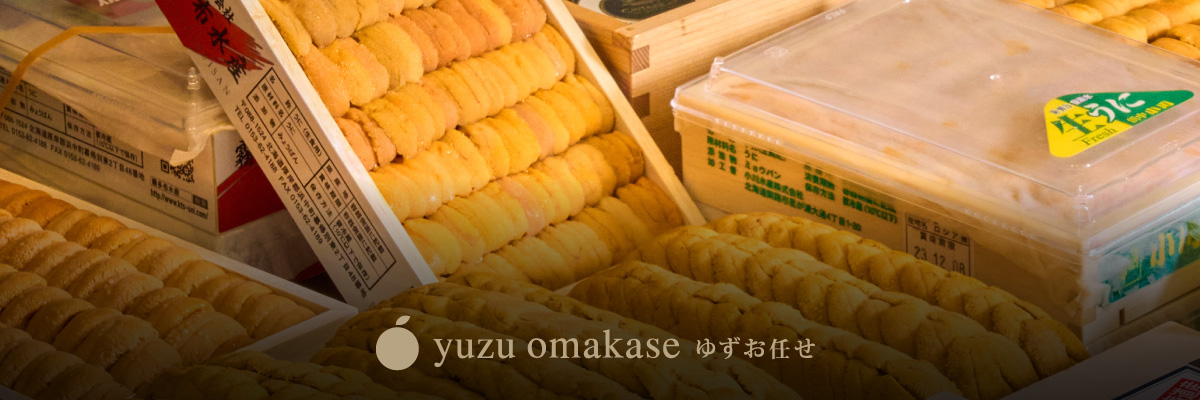
Hokkaido Uni vs Kyushu Uni: What’s the Difference?
Hokkaido uni offers a rich, creamy sweetness with a firm texture, while Kyushu uni delivers a lighter, more delicate flavor with a softer, melt-in-your-mouth consistency. The difference comes from water temperature, diet, and harvesting season. Understanding Japanese Sea Urchin Varieties Japan produces some of the world’s finest uni, with regional terroir creating distinct flavor profiles.… Continue reading Hokkaido Uni vs Kyushu Uni: What’s the Difference?
Local Story ● 2026 Jan 22

