




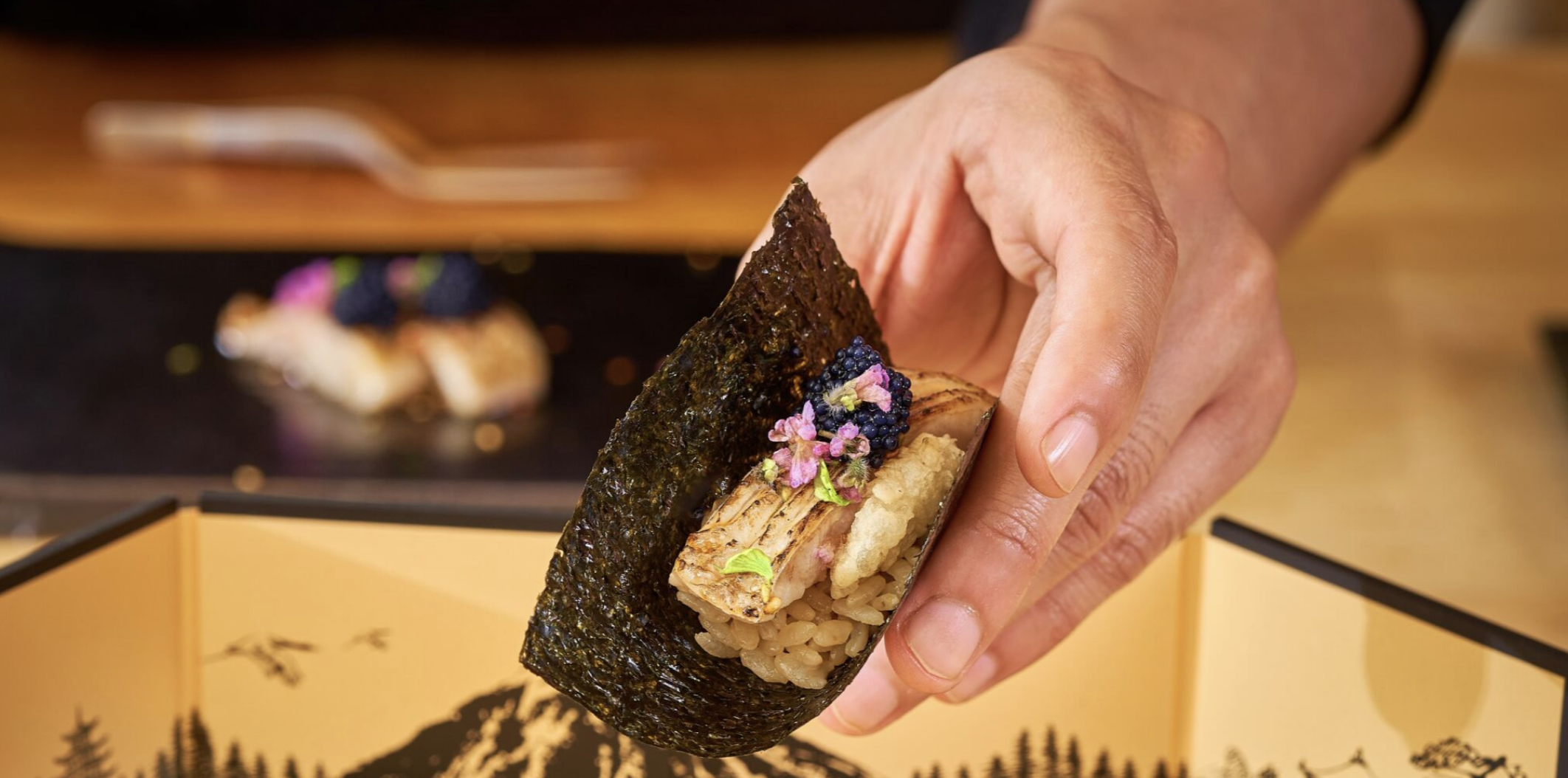
Get to Know Nigiri Sushi: The Art of Hand-Pressed Perfection
What is Nigiri Sushi? Nigiri is a type of sushi consisting of an oval-shaped, hand-pressed mound of vinegared rice topped with a thin slice of raw fish or seafood. The word “nigiri” means “to grasp” or “to squeeze,” referring to the way the sushi chef shapes the rice with their hands. Key Facts: Understanding Nigiri:… Continue reading Get to Know Nigiri Sushi: The Art of Hand-Pressed Perfection
Local Story ● 2025 Dec 4
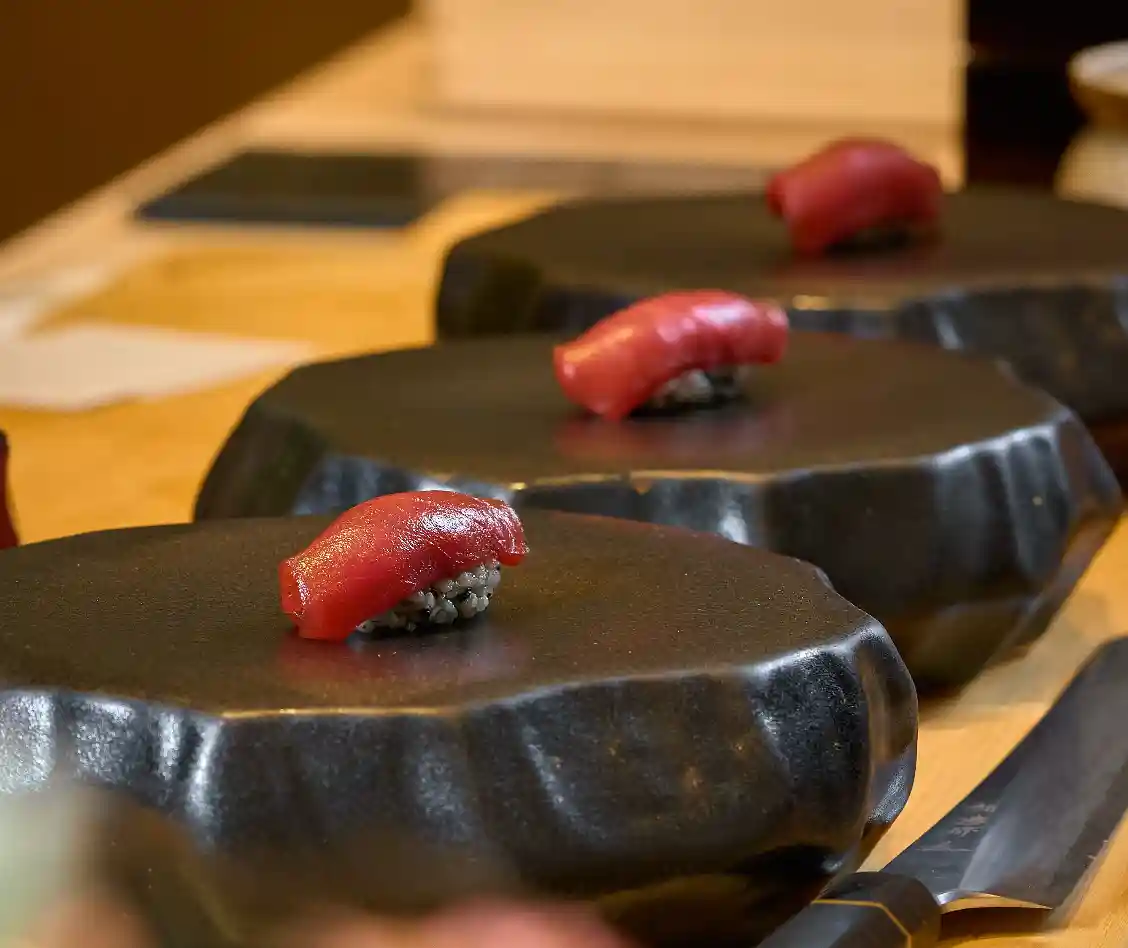
What is Nigiri Sushi? Nigiri is a type of sushi consisting of an oval-shaped, hand-pressed mound of vinegared rice topped with a thin slice of raw fish or seafood. The word "nigiri" means "to grasp" or "to squeeze," referring to the way the sushi chef shapes the rice with their hands.
Key Facts:
- Hand-pressed vinegared rice with fish topping
- Often includes wasabi between rice and fish
- Served in pairs at traditional sushi restaurants
- Best eaten in one bite, fish-side down
- No seaweed wrap needed (unlike maki rolls)
Understanding Nigiri: The Purest Form of Sushi
Nigiri, often considered the "purest form of sushi," represents the essence of Japanese culinary craftsmanship. This elegant creation showcases the harmony between two simple elements: perfectly seasoned shari (vinegared rice) and pristine neta (topping).
The preparation demands years of training. Master sushi chefs, or itamae, shape each rice portion with precise pressure—firm enough to hold together, gentle enough to maintain texture. The rice gives nigiri a slightly sweet and tangy flavor, which complements the freshness of the fish.
Popular Types of Nigiri Sushi
Premium Selections
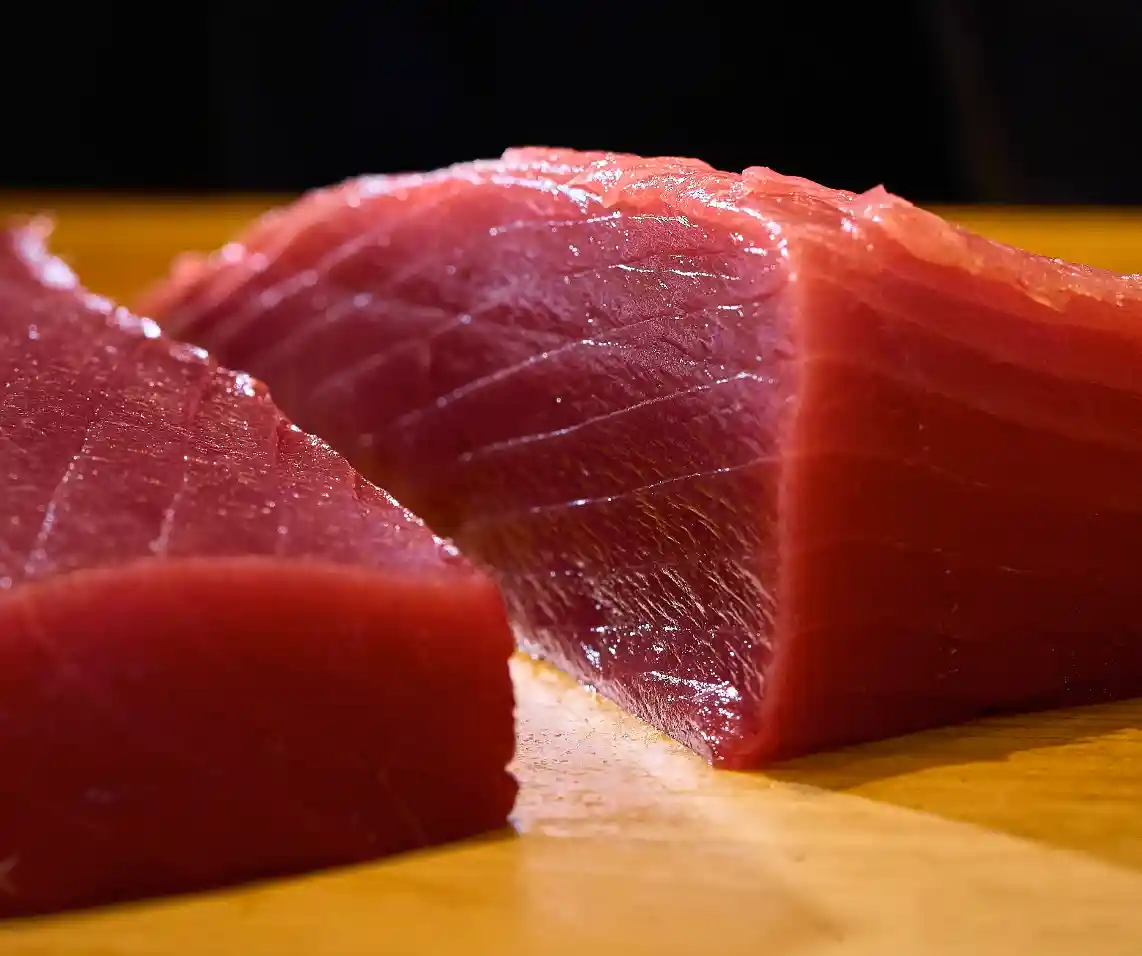
Tuna Varieties (Maguro) Tuna is often divided into three parts for sushi items: Akami, Chūtoro, and Ōtoro. Akami is the least fatty of the three types and is low in calories and high in protein, containing flavor and acidity with a light flavor. Chūtoro is a portion with a good balance of fat and lean meat, while Ōtoro is the fattiest part of the belly, making it a bit more rare.
Salmon (Sake) The salmon is often buttery and can melt in your mouth, known for its rich, buttery taste.
Yellowtail (Hamachi/Buri) Hamachi and buri are actually the exact same type of fish, with the smaller size called hamachi and the larger size called buri. Hamachi is firm and contains moderate fat, while buri has good fat content and chewiness.
Shellfish & Specialty Items
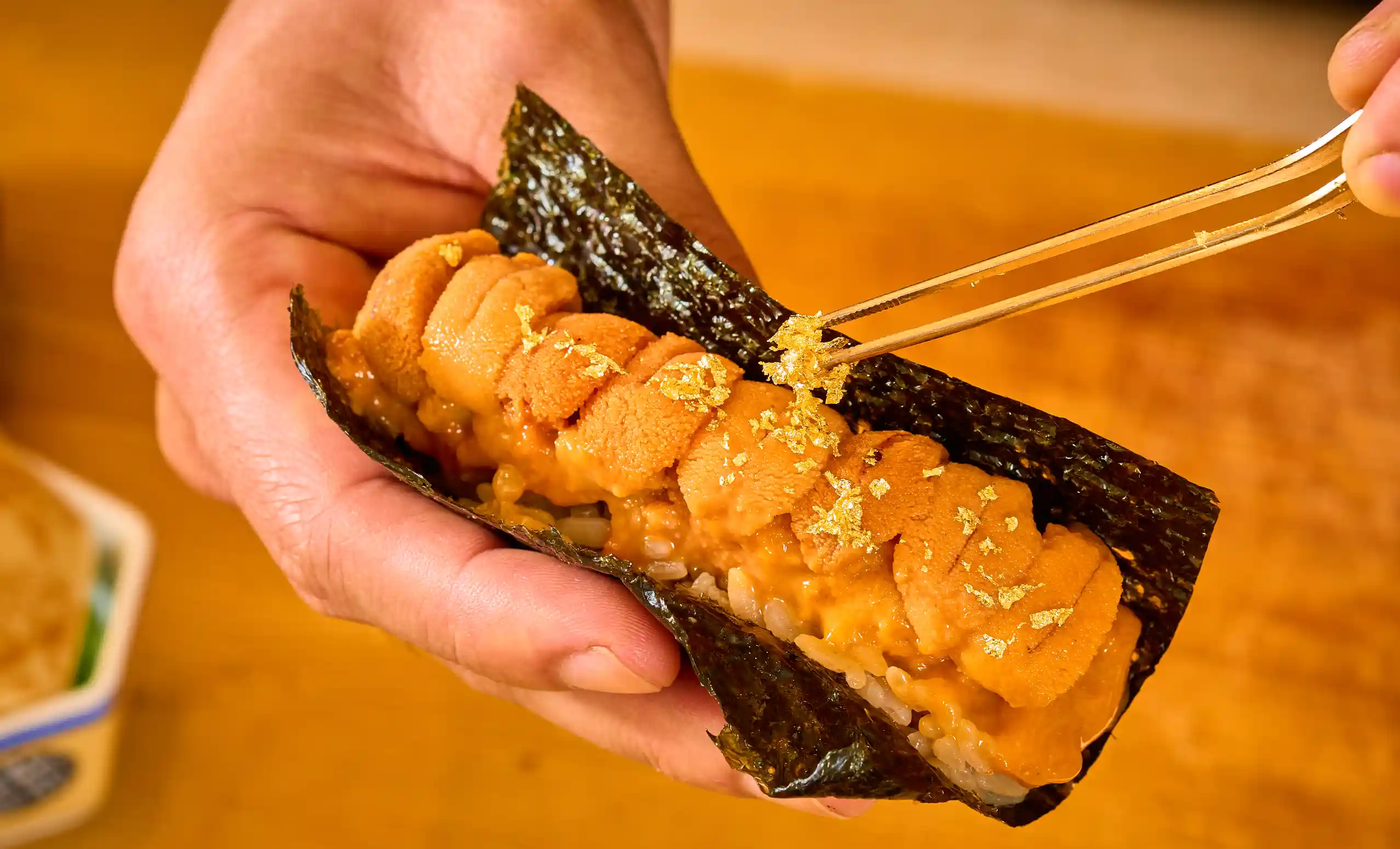
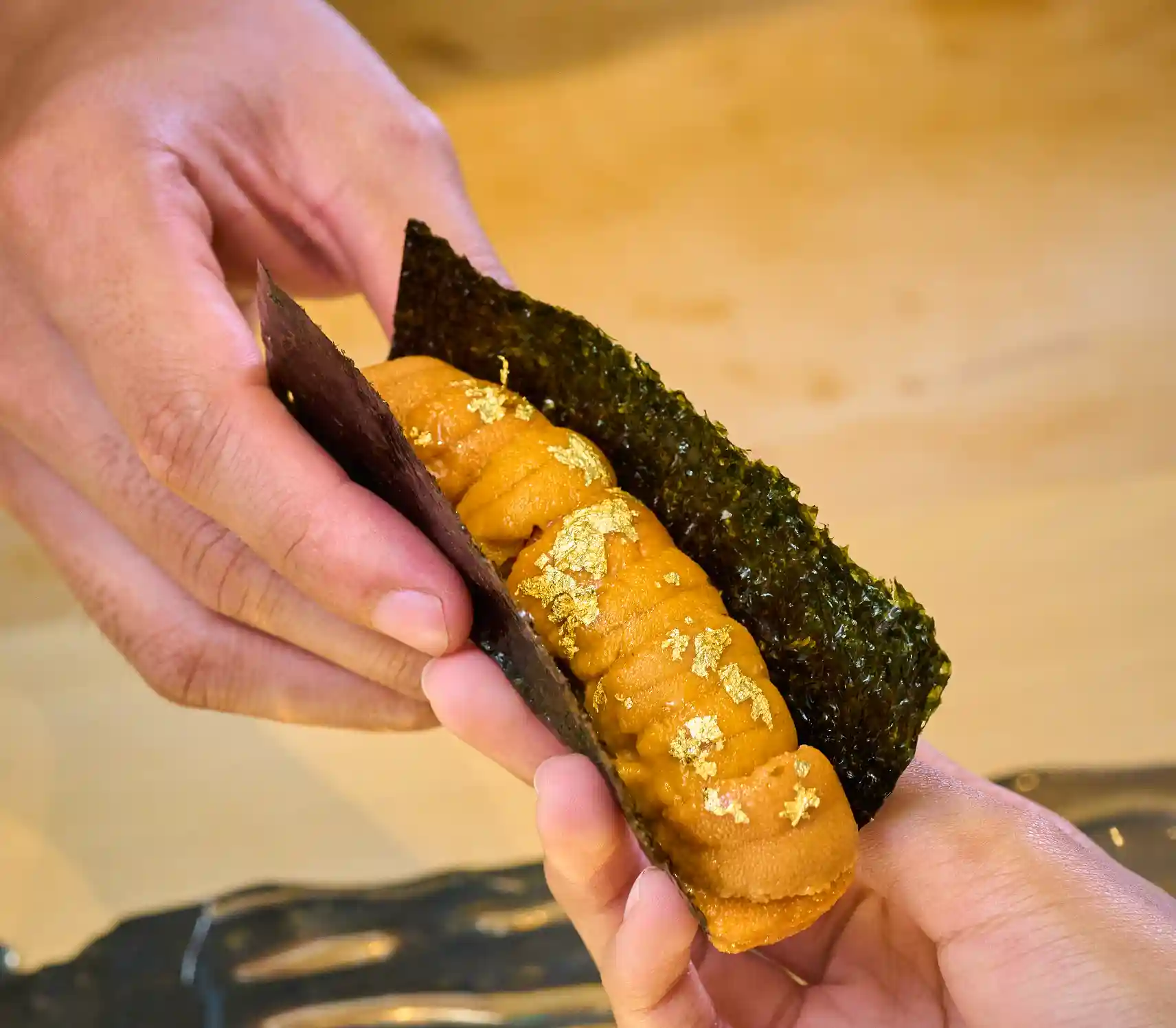
Sea Urchin (Uni) Uni nigiri offers a unique, creamy texture and a slightly sweet, briny flavor, considered an adventurous choice for those looking to try something special.
Scallop (Hotate) Hotate is one of the most popular seafood ingredients because of its soft and sweet taste, usually sliced across its middle to butterfly it and served with house sauce or citrus.
Sweet Shrimp (Amaebi) The shrimp's natural sweetness makes it a favorite among sushi enthusiasts.
Nigiri vs Sashimi: Understanding the Difference
| Aspect | Nigiri | Sashimi |
| Rice | Hand-pressed vinegared rice base | No rice |
| Presentation | Fish atop rice mound | Thin slices alone |
| Serving Size | Usually 2 pieces | Multiple slices |
| Wasabi | Between rice and fish | Served separately |
| Eating Method | One bite, fish-side down | Dipped in soy sauce |
| Classification | Type of sushi | Not technically sushi |
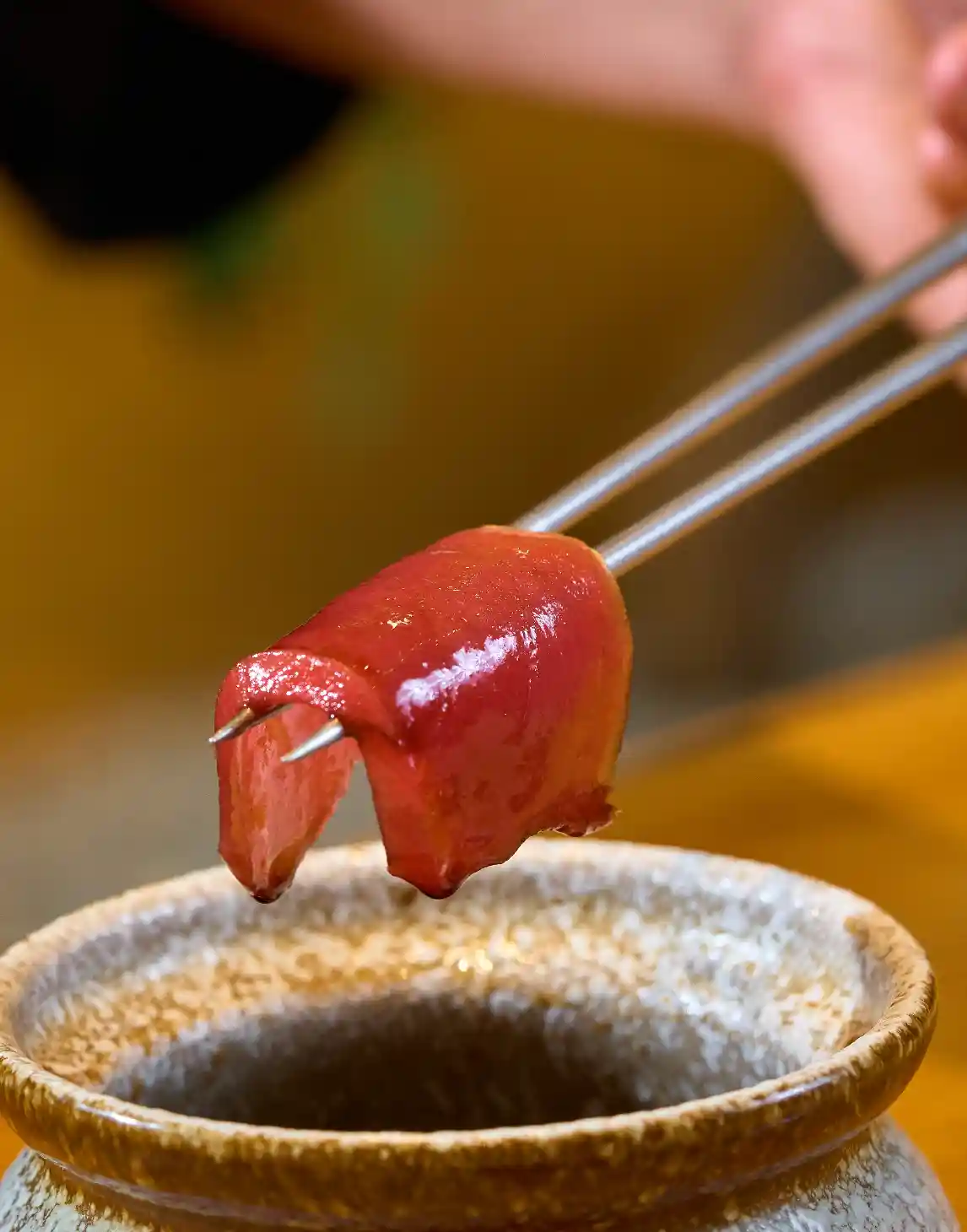
How Nigiri is Prepared: Chef's Technique
Step-by-Step Process:
- Rice Formation: Chef wets hands with vinegar water
- Shaping: Rice pressed into oval shape with specific pressure
- Fish Preparation: Fresh fish sliced at precise angle
- Wasabi Application: Small amount placed on rice
- Assembly: Fish gently pressed onto rice base
- Final Touch: Quick press to unite components
Bangkok's Omakase Connection
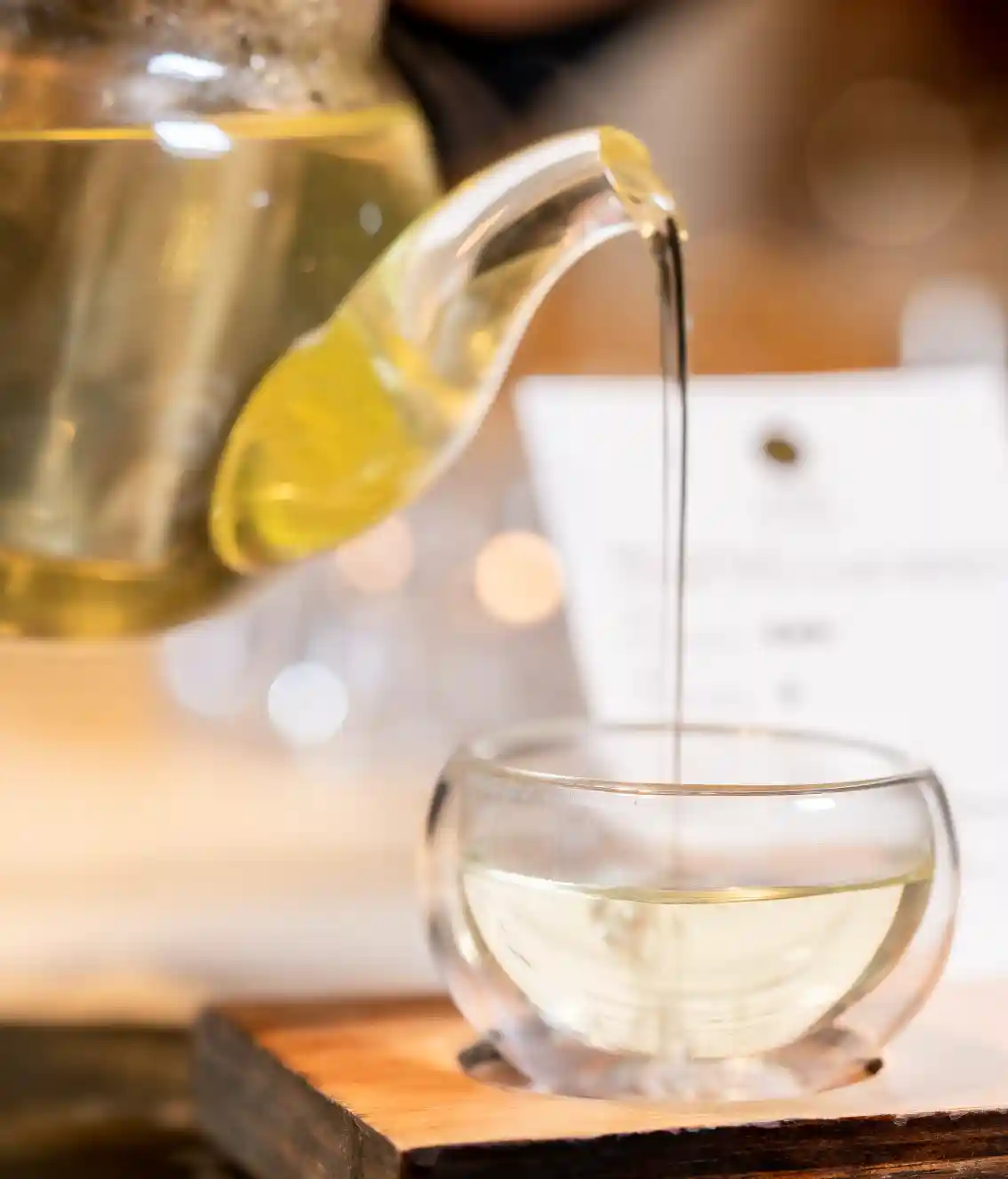
In Bangkok's thriving Japanese dining scene, nigiri represents the pinnacle of omakase experiences. Premium establishments like Yuzu Omakase showcase seasonal fish flown directly from Tsukiji Market, presenting each piece as part of a carefully orchestrated progression.
The omakase format allows chefs to serve nigiri at optimal temperature, rice slightly warm, fish cool, creating textural contrasts that define exceptional sushi experiences.
FAQ Section
What's the proper way to eat nigiri sushi? Pick up nigiri with fingers or chopsticks, turn it fish-side down, lightly dip the fish (not rice) in soy sauce, and eat in one bite for the best experience.
Why is nigiri served in pairs? Traditional Japanese aesthetics favor symmetry and balance. Serving two pieces allows diners to fully appreciate the flavor while maintaining visual harmony.
Should I add wasabi to nigiri? Quality nigiri already contains wasabi between rice and fish. Additional wasabi may overpower the delicate fish flavors.
What makes nigiri different from maki rolls? Nigiri is thinly sliced raw fish or meat laid over a bed of vinegared rice, whereas maki involves rolling ingredients in seaweed.
Is all nigiri made with raw fish? No, nigiri can feature cooked items like tamago (egg), unagi (grilled eel), or ebi (boiled shrimp).
How fresh should nigiri fish be? Premium nigiri uses fish aged 1-3 days for optimal flavor development, not necessarily the freshest catch.
What's the ideal nigiri rice temperature? Body temperature (around 37°C) creates the perfect contrast with cool fish while maintaining structural integrity.
RELATE
-
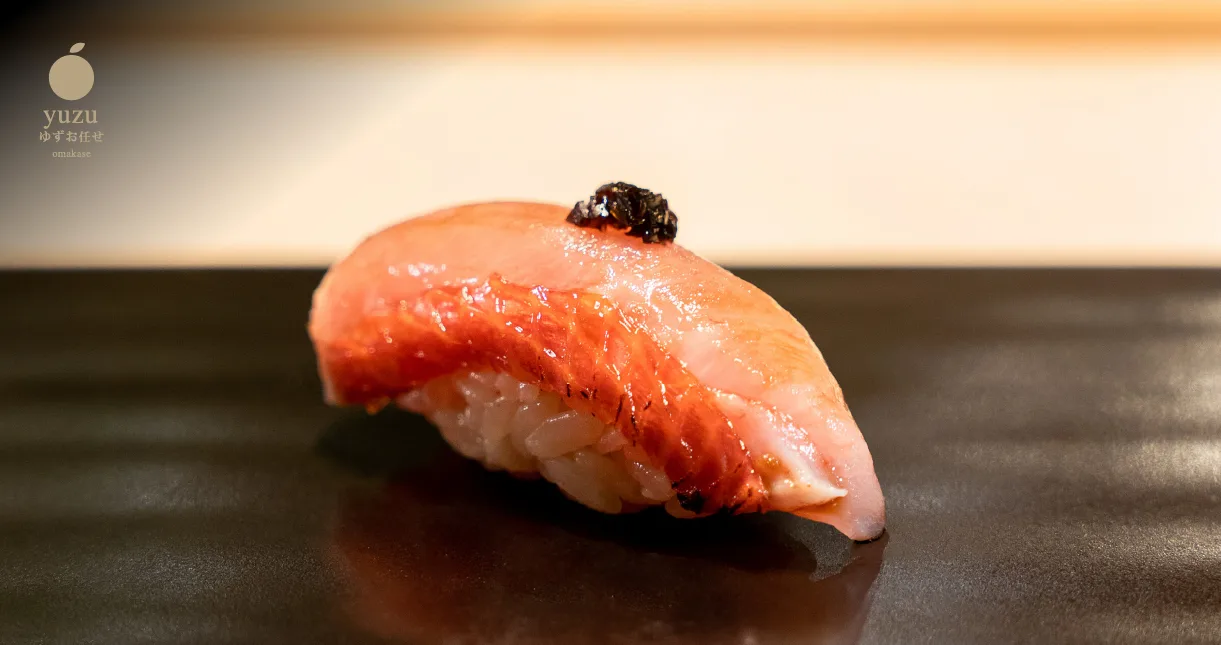
HAND TO HAND NIGIRI: THE MOST INTIMATE WAY TO EAT OMAKASE
Hand to hand nigiri means the chef places each piece of sushi directly into your open palm — and you eat it immediately with your fingers. No chopsticks. No plate. Just the rice, the fish, and the chef’s intent. It is the oldest and most traditional way to eat omakase sushi, and at Bangkok’s finest… Continue reading HAND TO HAND NIGIRI: THE MOST INTIMATE WAY TO EAT OMAKASE
Local Story ● 2026 Mar 11
-
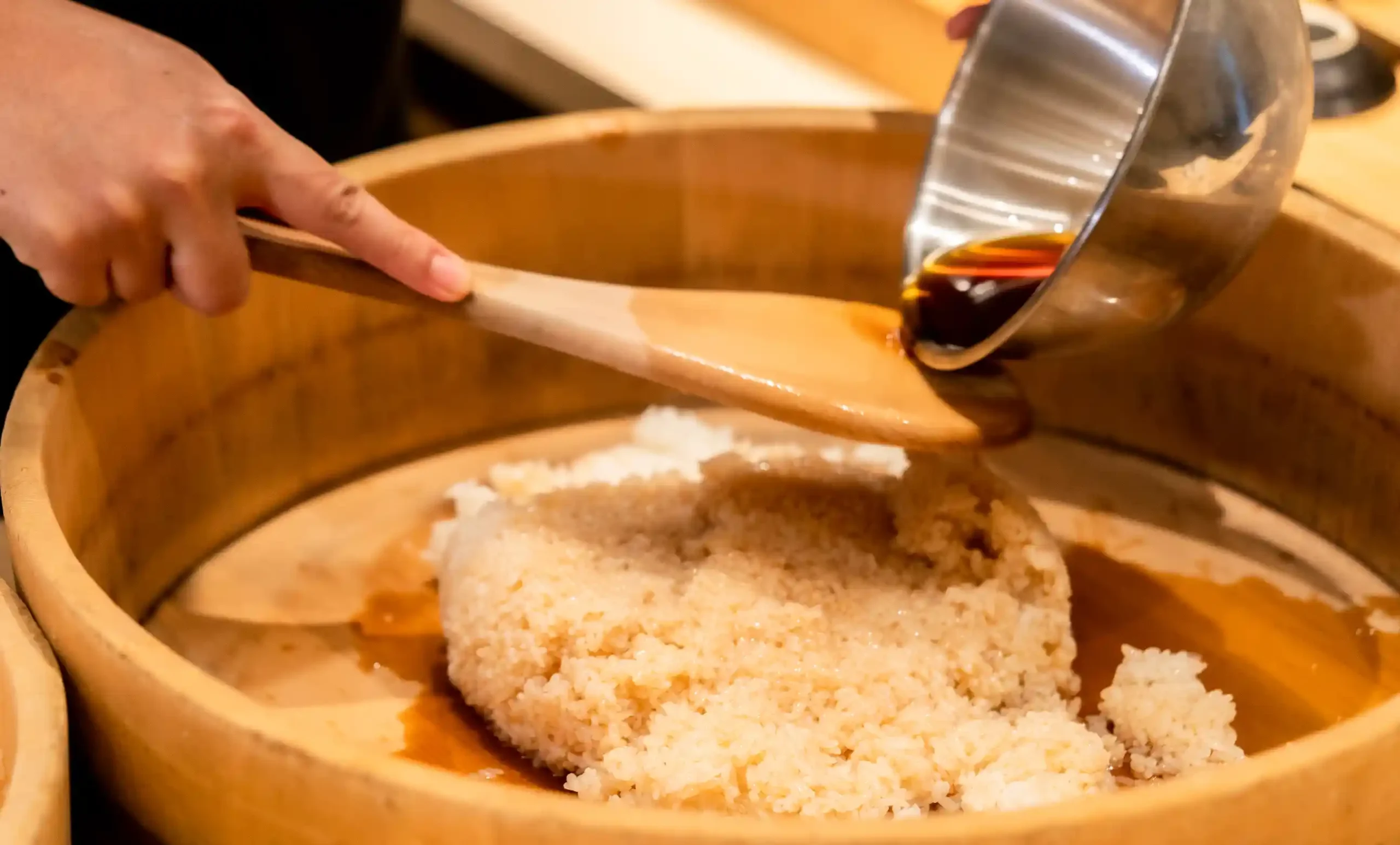
Temperature in Sushi Rice: The Foundation of Authentic Sushi Craftsmanship
What Is the Ideal Temperature for Sushi Rice? Sushi rice (shari) should be served at body temperature, approximately 35-40°C (95-104°F). This warmth allows the vinegar seasoning to release its aroma, keeps grains soft and glossy, and melts the fat of fish toppings upon contact for optimal flavor release. Key Facts at a Glance Why Does… Continue reading Temperature in Sushi Rice: The Foundation of Authentic Sushi Craftsmanship
Local Story ● 2026 Jan 29
-
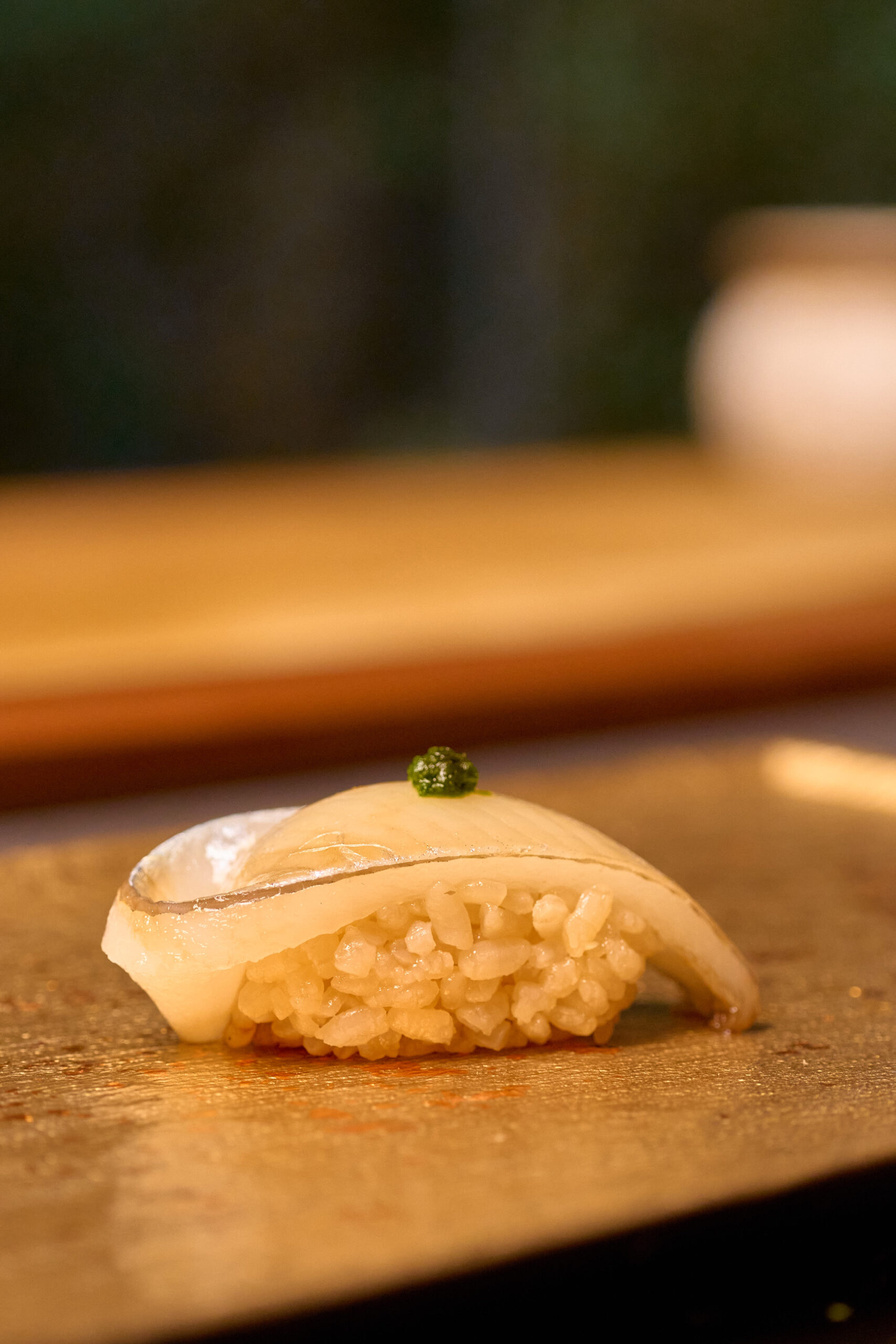
Why Is Wasabi Always Served with Sushi?
Wasabi accompanies sushi for three essential reasons: it kills harmful bacteria in raw fish, enhances umami flavor, and cleanses the palate between bites. This pairing dates back to the Edo period in Japan when refrigeration did not exist. Quick Answer Card The Science Behind Wasabi and Raw Fish Wasabi contains allyl isothiocyanate, a natural compound… Continue reading Why Is Wasabi Always Served with Sushi?
Local Story ● 2026 Jan 28
-
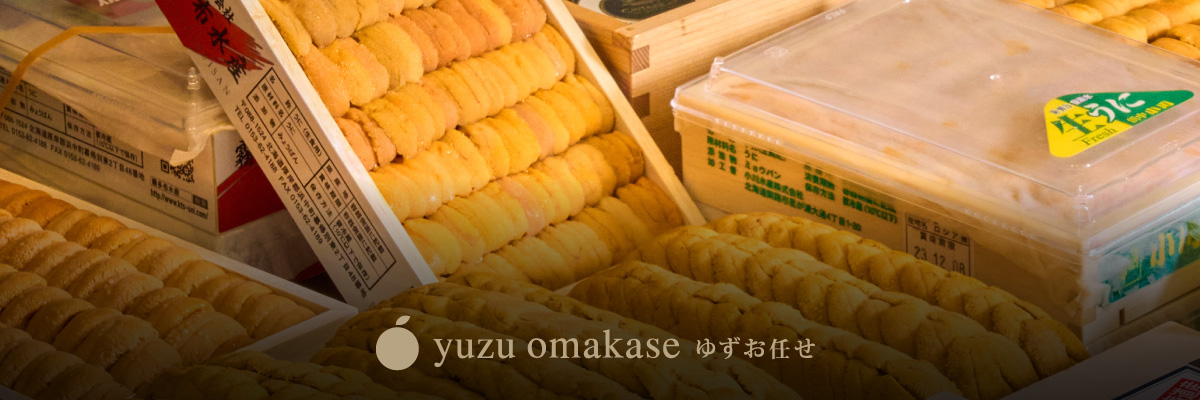
Hokkaido Uni vs Kyushu Uni: What’s the Difference?
Hokkaido uni offers a rich, creamy sweetness with a firm texture, while Kyushu uni delivers a lighter, more delicate flavor with a softer, melt-in-your-mouth consistency. The difference comes from water temperature, diet, and harvesting season. Understanding Japanese Sea Urchin Varieties Japan produces some of the world’s finest uni, with regional terroir creating distinct flavor profiles.… Continue reading Hokkaido Uni vs Kyushu Uni: What’s the Difference?
Local Story ● 2026 Jan 22

