




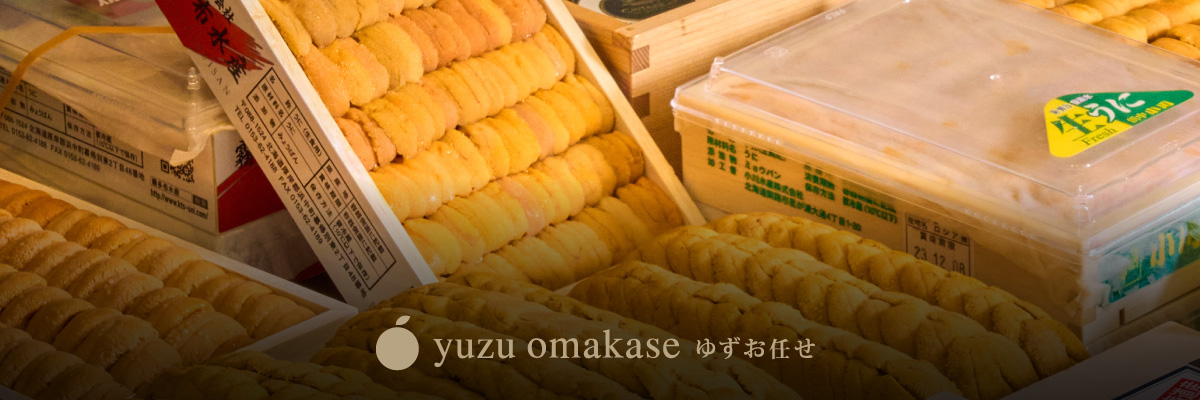
Hokkaido Uni vs Kyushu Uni: What’s the Difference?
Hokkaido uni offers a rich, creamy sweetness with a firm texture, while Kyushu uni delivers a lighter, more delicate flavor with a softer, melt-in-your-mouth consistency. The difference comes from water temperature, diet, and harvesting season. Understanding Japanese Sea Urchin Varieties Japan produces some of the world’s finest uni, with regional terroir creating distinct flavor profiles.… Continue reading Hokkaido Uni vs Kyushu Uni: What’s the Difference?
Local Story ● 2026 Jan 22
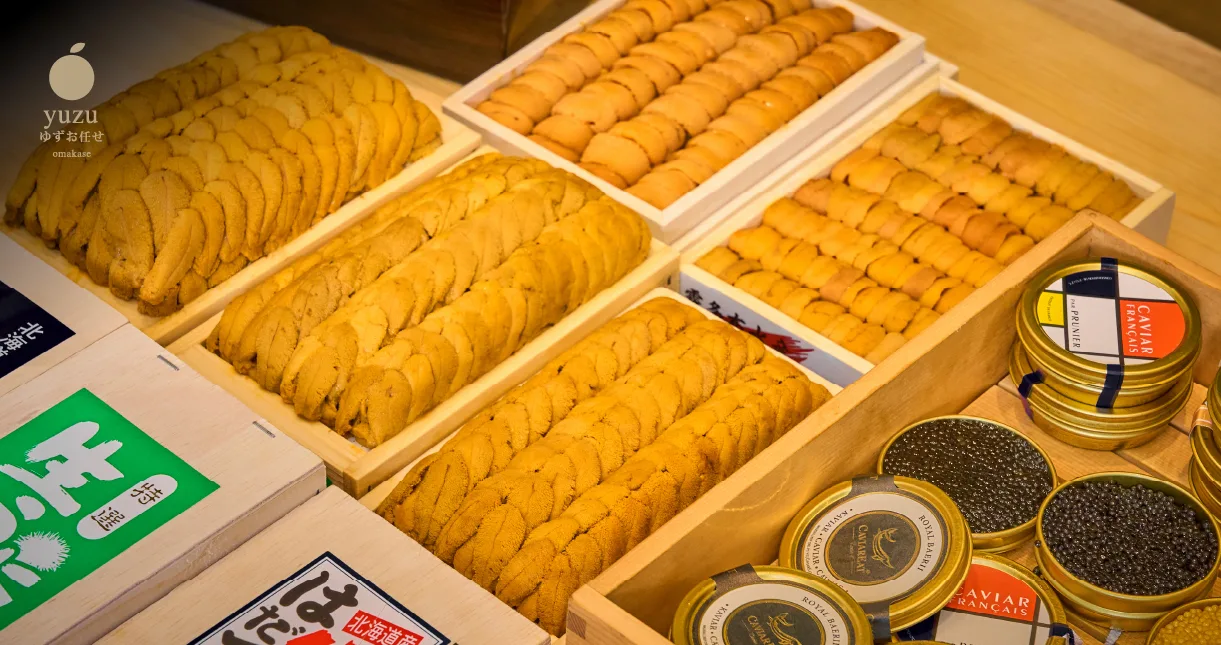
Hokkaido uni offers a rich, creamy sweetness with a firm texture, while Kyushu uni delivers a lighter, more delicate flavor with a softer, melt-in-your-mouth consistency. The difference comes from water temperature, diet, and harvesting season.
- Hokkaido Uni: Harvested from cold northern waters, peak season June–August, bold umami flavor
- Kyushu Uni: Sourced from warmer southern seas, peak season November–March, subtle oceanic sweetness
- Species: Both regions primarily harvest Mesocentrotus nudus (Murasaki uni) and Strongylocentrotus intermedius (Bafun uni)
- Best For: Hokkaido suits rich sushi preparations; Kyushu pairs beautifully with lighter dishes
Understanding Japanese Sea Urchin Varieties
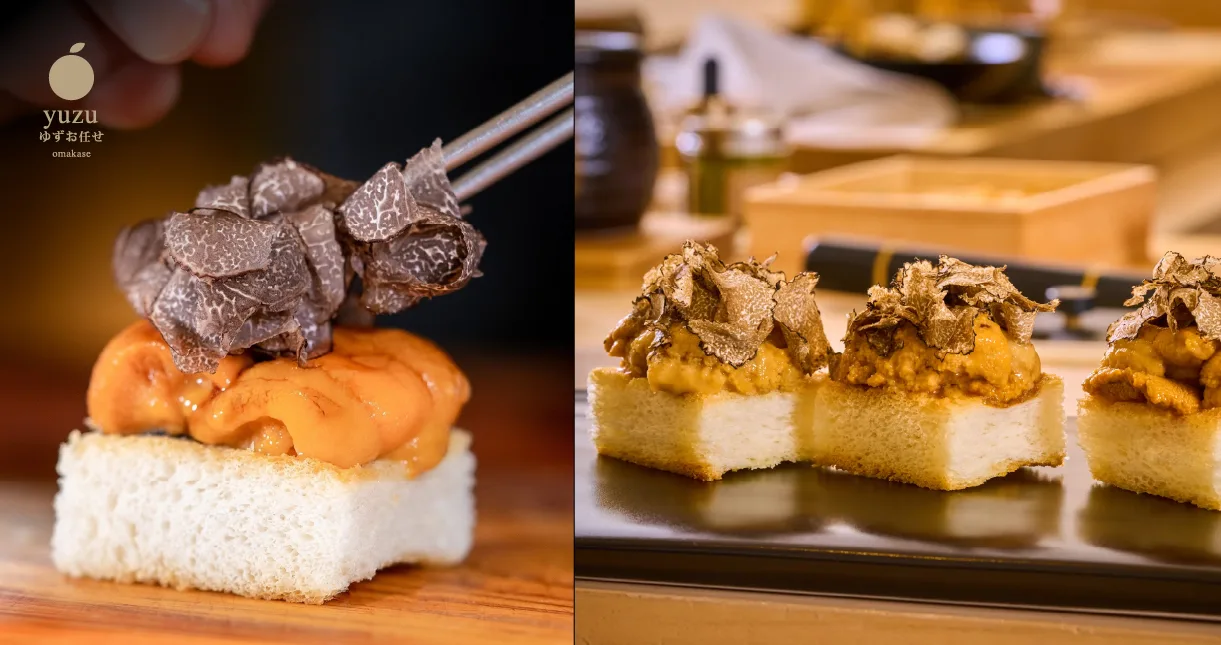
Japan produces some of the world's finest uni, with regional terroir creating distinct flavor profiles. Just as wine reflects its vineyard, sea urchin expresses the characteristics of its ocean environment. For omakase chefs in Bangkok and worldwide, selecting the right uni demonstrates deep ingredient knowledge and seasonal awareness.
The two most celebrated sources are Hokkaido in the north and Kyushu in the south. Each offers unique qualities that experienced sushi enthusiasts learn to distinguish and appreciate.
Hokkaido Uni: The Northern Premium
Hokkaido's frigid waters produce uni with concentrated flavors. The cold environment slows growth, allowing the gonads to develop dense, complex taste compounds.
Flavor Profile: Rich, sweet, and intensely briny with pronounced umami depth. The taste lingers on the palate.
Texture: Firm yet creamy. Each tongue holds its shape before dissolving.
Peak Season: June through August, when summer nutrients create optimal feeding conditions.
Why Chefs Prize It: The robust flavor stands up to pairing with warm shari rice and bold accompaniments like nori. Hokkaido uni, particularly from Rishiri and Rebun islands, commands premium prices at Tokyo's Tsukiji outer market and fine omakase establishments globally.
Kyushu Uni: The Southern Delicacy
Kyushu's warmer Ariake Sea and surrounding waters yield uni with gentler characteristics. The temperate climate creates faster-growing sea urchins with a more approachable taste.
Flavor Profile: Mild, sweet, with subtle mineral notes and clean oceanic finish. Less aggressive brininess.
Texture: Exceptionally soft and custardy. Dissolves almost instantly.
Peak Season: November through March, during cooler winter months when quality peaks.
Why Chefs Prize It: The delicate nature suits minimalist presentations where uni takes center stage. Excellent for gunkan-maki or served simply with a drop of citrus.
Comparison Table: Hokkaido vs Kyushu Uni
| Characteristic | Hokkaido Uni | Kyushu Uni |
|---|---|---|
| Water Temperature | Cold (5–15°C) | Warm (15–25°C) |
| Peak Season | June–August | November–March |
| Flavor Intensity | Bold, rich | Mild, delicate |
| Sweetness | Deep, concentrated | Light, clean |
| Texture | Firm, creamy | Soft, custardy |
| Brininess | Pronounced | Subtle |
| Price Point | Higher | Moderate |
| Best Pairing | Shari rice, nori | Solo, light citrus |
How to Choose Based on Your Preference
Choose Hokkaido Uni if you:
- Prefer bold, memorable flavors
- Enjoy uni as part of a multi-component bite
- Dining during summer months
- Want the prestigious option for special occasions
Choose Kyushu Uni if you:
- Prefer gentle, approachable tastes
- Are new to uni and building appreciation
- Dining during winter season
- Enjoy letting single ingredients speak
Why Seasonality Matters in Omakase
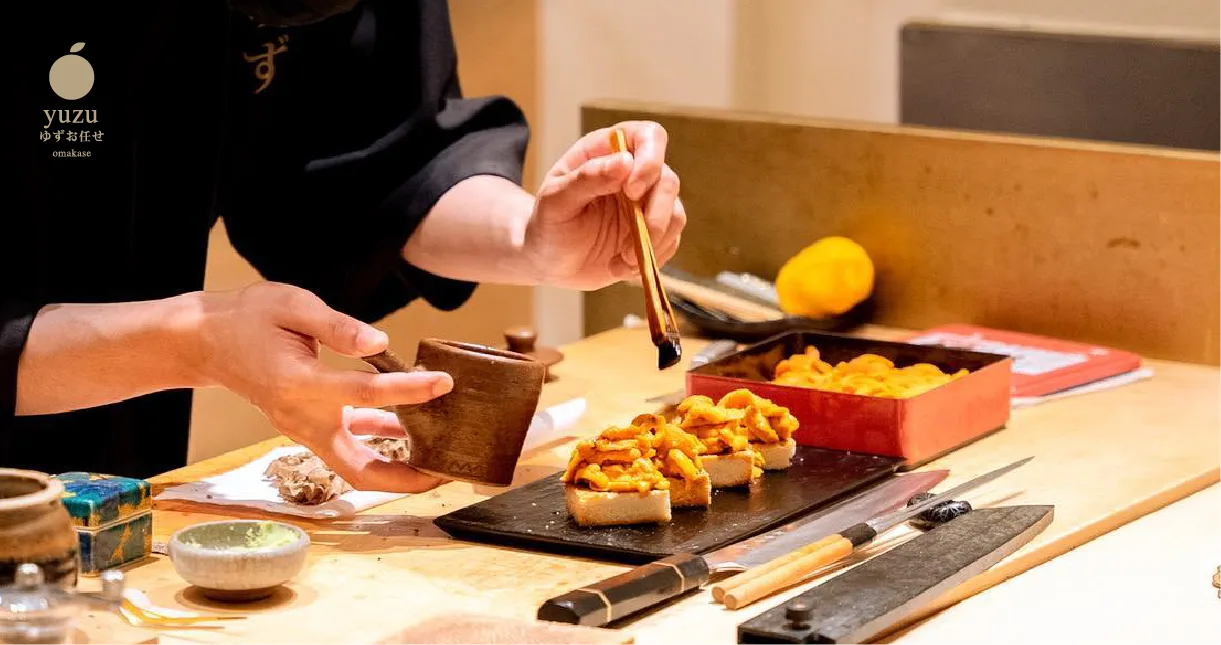
Skilled itamae follow shun, the Japanese concept of peak seasonality. Serving Hokkaido uni in winter or Kyushu uni in summer means missing optimal quality windows. When dining at serious omakase restaurants, trusting the chef's seasonal sourcing ensures the finest experience.
At premium Bangkok omakase establishments, chefs often explain their uni selection, sharing which region and fisherman supplied that evening's service. This transparency reflects the E-E-A-T principles
modern diners appreciate.
Frequently Asked Questions
Which uni is more expensive, Hokkaido or Kyushu? Hokkaido uni typically commands higher prices due to limited harvest seasons and global demand for its intense flavor.
Can I taste the difference between Hokkaido and Kyushu uni? Yes. Even beginners notice Hokkaido's firmer texture and stronger brininess compared to Kyushu's softer, milder profile.
What species of sea urchin comes from each region? Both regions harvest Murasaki uni and Bafun uni. Bafun uni (orange-colored) is generally sweeter, while Murasaki (yellow) offers lighter flavors.
Is one type healthier than the other? Nutritionally similar. Both provide omega-3 fatty acids, protein, zinc, and vitamin A. Slight variations depend on diet and season.
How do omakase chefs decide which uni to serve? Chefs select based on seasonality, menu balance, and the specific course. Summer omakase often features Hokkaido; winter menus lean toward Kyushu.
Why does fresh uni taste different from uni in supermarkets? Processing and preservatives alter texture and flavor. Fresh uni served at quality sushi restaurants reveals the true character of each region.
Does the color indicate quality? Not reliably. Color varies by species and diet. Vibrant orange or yellow indicates freshness, but both shades can signify excellent quality.
Key Takeaways
- Hokkaido uni delivers bold, creamy richness ideal for summer omakase
- Kyushu uni offers delicate, melt-in-mouth subtlety perfect for winter dining
- Water temperature and diet create distinct regional terroir
- Seasonality determines quality more than region alone
- Trust your omakase chef's sourcing for optimal uni experience
RELATE
-
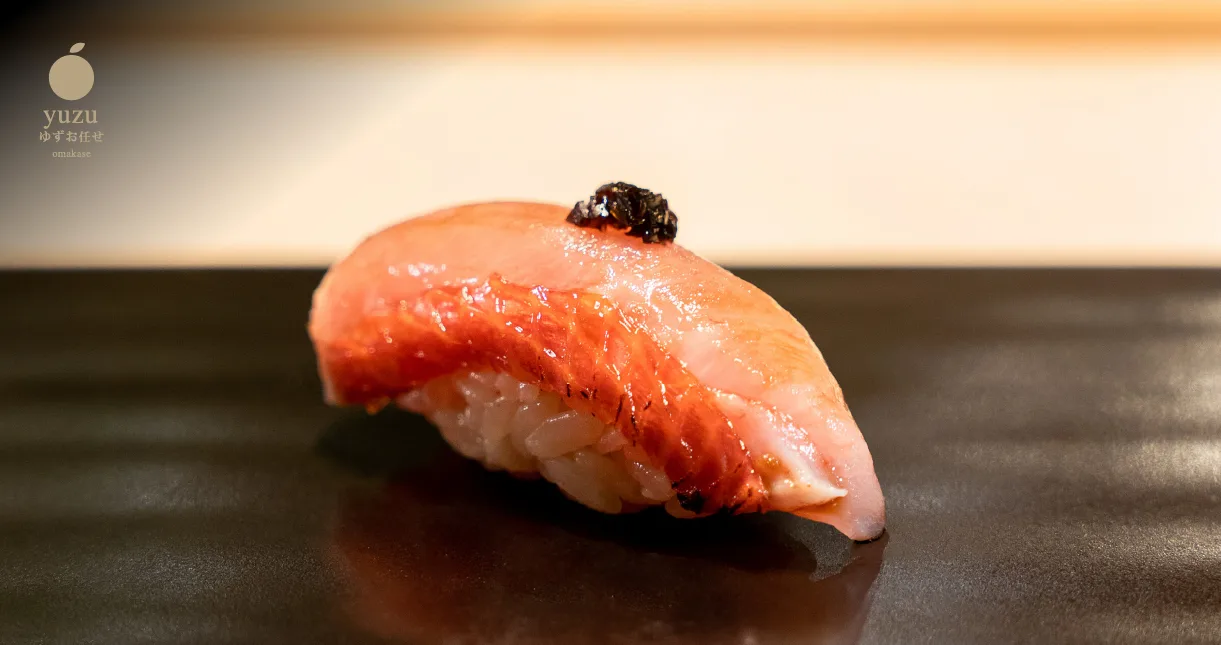
HAND TO HAND NIGIRI: THE MOST INTIMATE WAY TO EAT OMAKASE
Hand to hand nigiri means the chef places each piece of sushi directly into your open palm — and you eat it immediately with your fingers. No chopsticks. No plate. Just the rice, the fish, and the chef’s intent. It is the oldest and most traditional way to eat omakase sushi, and at Bangkok’s finest… Continue reading HAND TO HAND NIGIRI: THE MOST INTIMATE WAY TO EAT OMAKASE
Local Story ● 2026 Mar 11
-
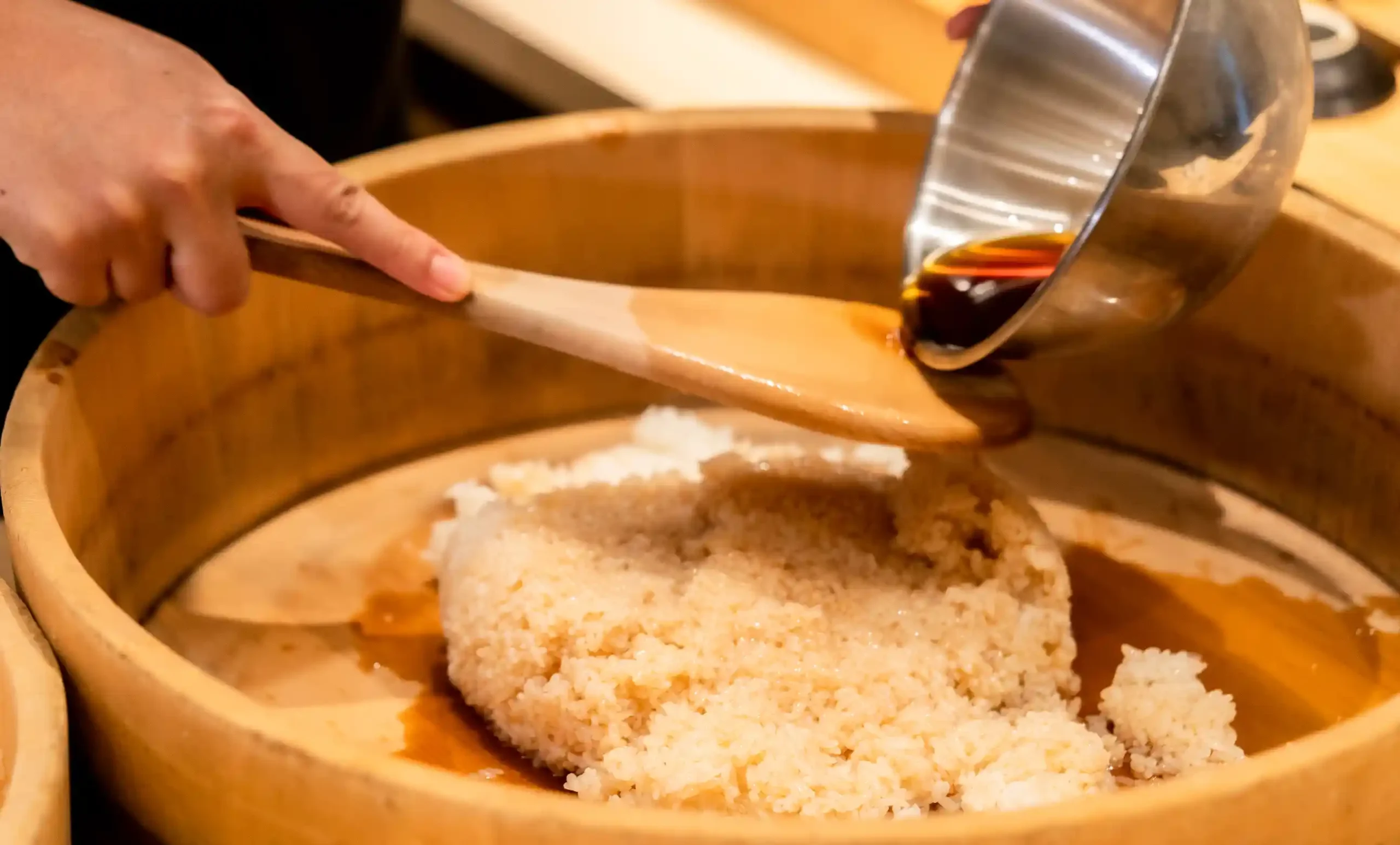
Temperature in Sushi Rice: The Foundation of Authentic Sushi Craftsmanship
What Is the Ideal Temperature for Sushi Rice? Sushi rice (shari) should be served at body temperature, approximately 35-40°C (95-104°F). This warmth allows the vinegar seasoning to release its aroma, keeps grains soft and glossy, and melts the fat of fish toppings upon contact for optimal flavor release. Key Facts at a Glance Why Does… Continue reading Temperature in Sushi Rice: The Foundation of Authentic Sushi Craftsmanship
Local Story ● 2026 Jan 29
-
Why Is Wasabi Always Served with Sushi?
Wasabi accompanies sushi for three essential reasons: it kills harmful bacteria in raw fish, enhances umami flavor, and cleanses the palate between bites. This pairing dates back to the Edo period in Japan when refrigeration did not exist. Quick Answer Card The Science Behind Wasabi and Raw Fish Wasabi contains allyl isothiocyanate, a natural compound… Continue reading Why Is Wasabi Always Served with Sushi?
Local Story ● 2026 Jan 28
-
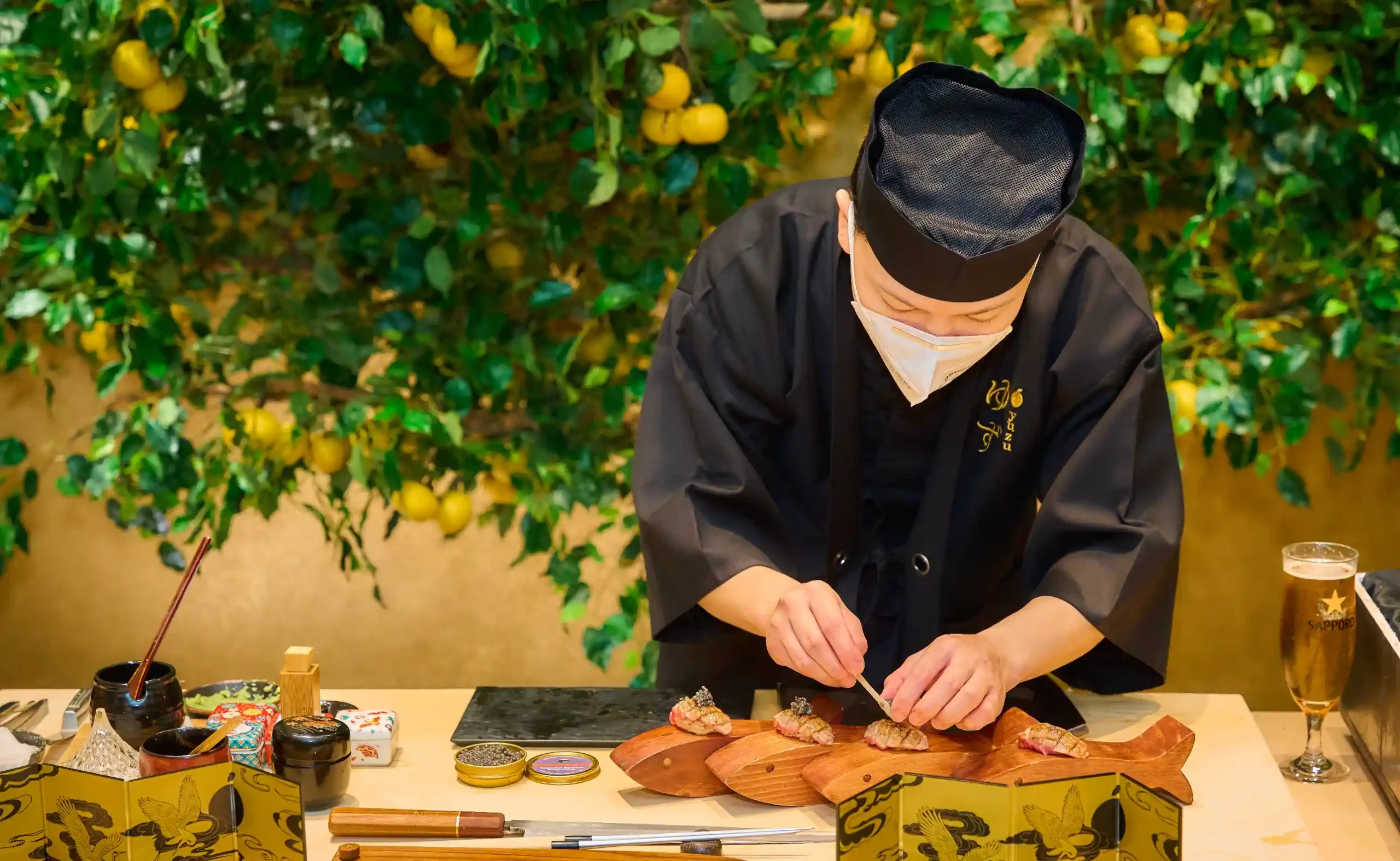
Sushi Knives Explained: Yanagiba, Deba, Usuba and Their Purpose
Japanese sushi knives (hocho) are single-bevel blades designed for specific tasks in washoku cuisine. The essential trio—Yanagiba, Deba, and Usuba—form the foundation of professional sushi preparation, each serving a distinct purpose in the itamae’s craft. Which Knife for What? • Yanagiba: Slicing sashimi and sushi toppings (neta) • Deba: Filleting whole fish, removing heads, breaking… Continue reading Sushi Knives Explained: Yanagiba, Deba, Usuba and Their Purpose
Local Story ● 2026 Jan 22

