




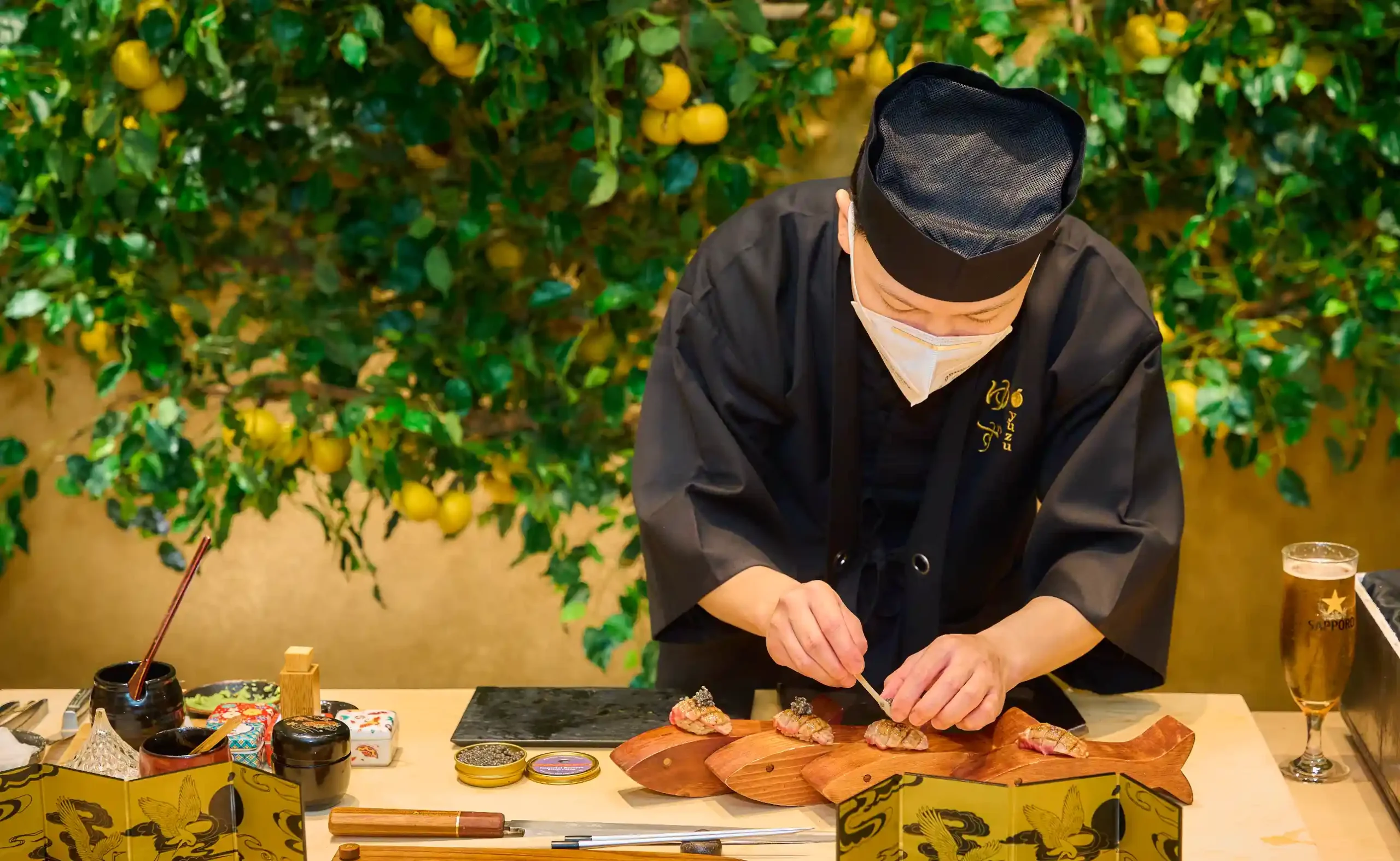
First Time Omakase: What You Need to Know
Updated January 2025 · 6 min read Omakase (お任せ) translates to “I leave it up to you” in Japanese. This dining style places complete trust in the chef to curate a personalized multi-course meal using the freshest seasonal ingredients, served one piece at a time directly at the sushi counter. First-timers can expect 14-20 courses… Continue reading First Time Omakase: What You Need to Know
Local Story ● 2026 Jan 22
Updated January 2025 · 6 min read
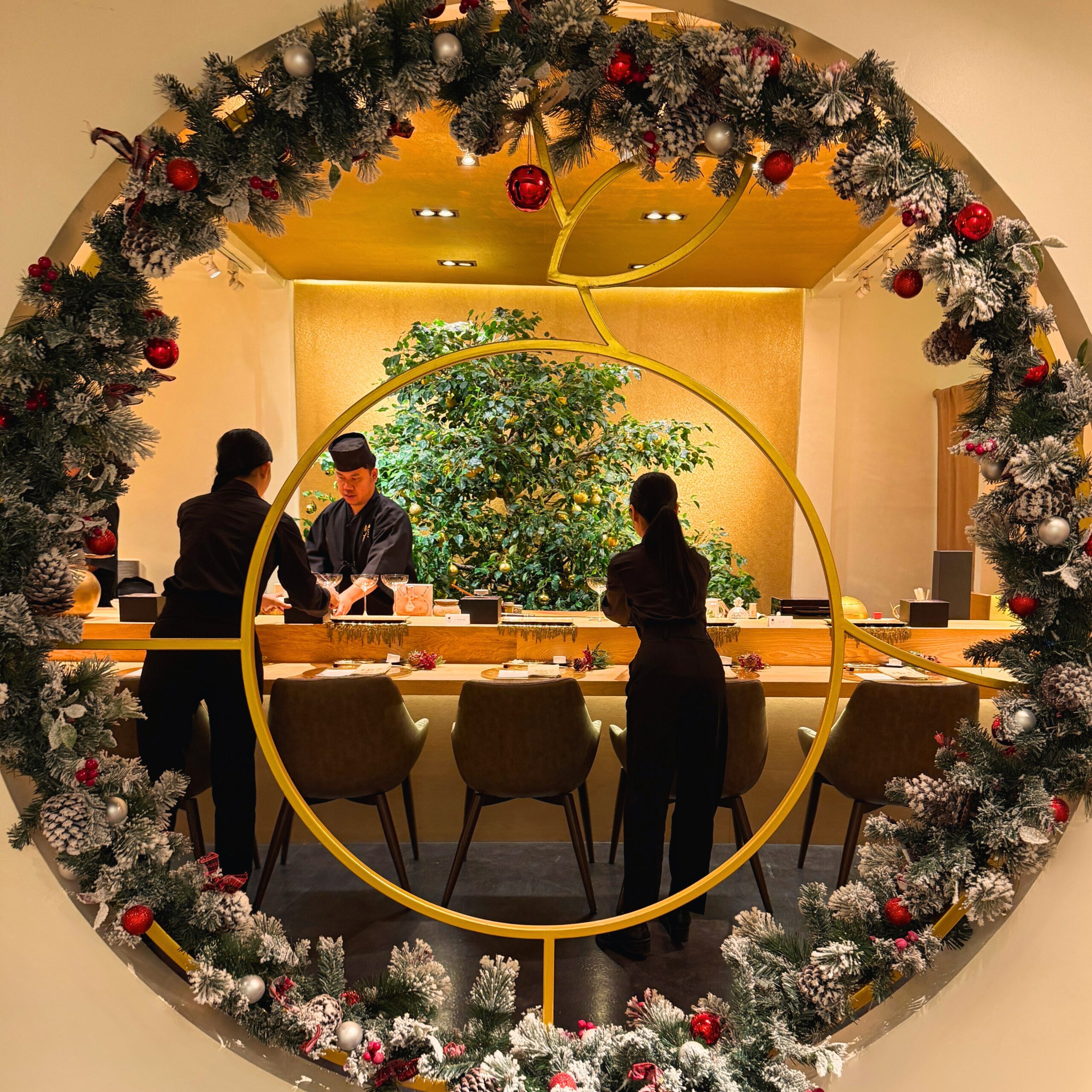
Omakase (お任せ) translates to "I leave it up to you" in Japanese. This dining style places complete trust in the chef to curate a personalized multi-course meal using the freshest seasonal ingredients, served one piece at a time directly at the sushi counter. First-timers can expect 14-20 courses over 90 minutes to 2 hours.
First-Time Omakase Essentials
- Book in advance – Popular restaurants like Yuzu Omakase fill weeks ahead
- Arrive on time – Late arrivals disrupt the communal seating experience
- Inform allergies beforehand – Chefs prepare ingredients in advance
- Dress smart casual – Avoid strong perfumes that interfere with delicate aromas
- Eat each piece promptly – Within 30 seconds of serving for optimal freshness
- Budget ฿3,500–฿20,000+ per person – Varies by course tier
What Is Omakase and Why Should You Try It?
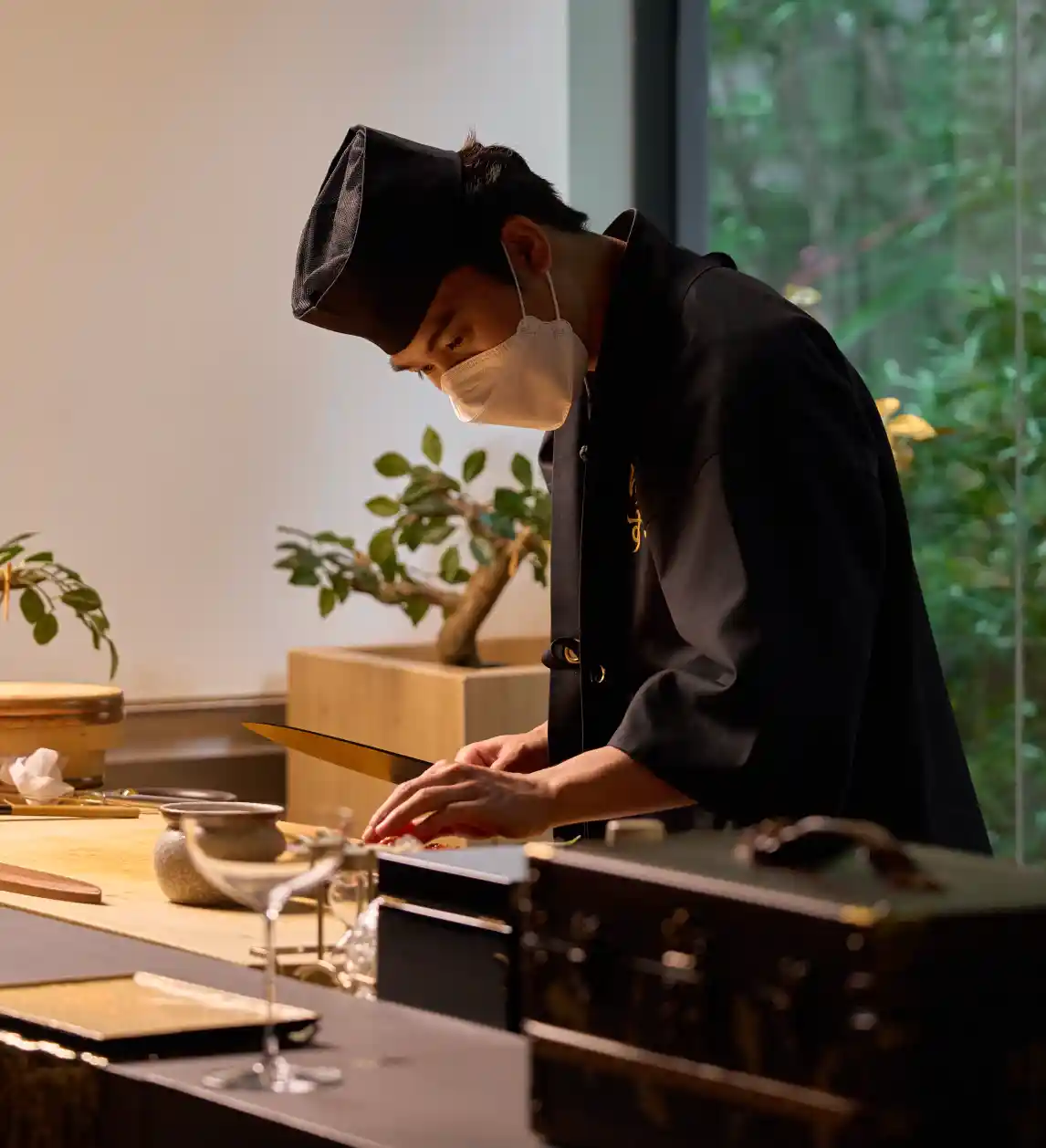
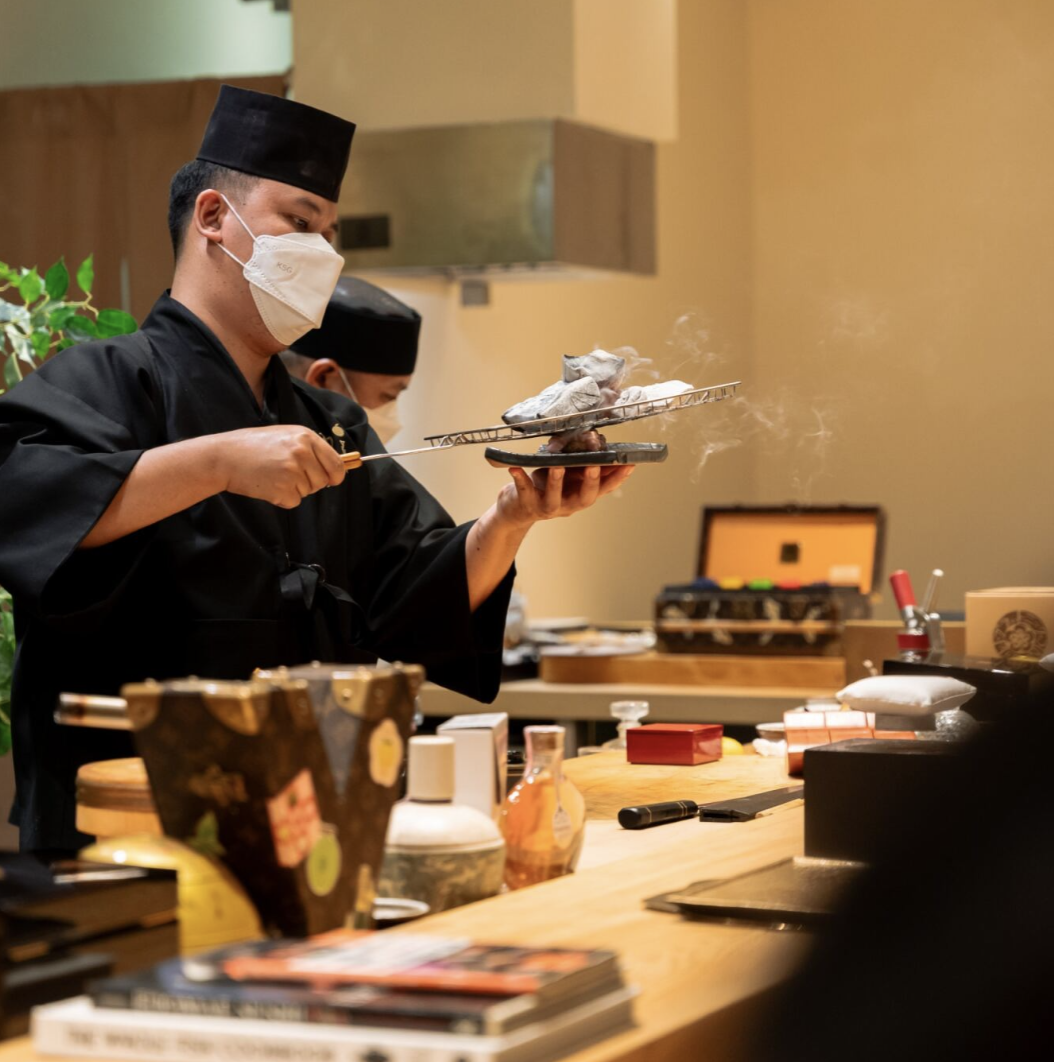
Omakase transforms dining into culinary theatre. Unlike ordering from a menu, you surrender control to the itamae (sushi chef), who crafts each course based on market-fresh ingredients, seasonal availability, and your reactions throughout the meal. This partnership between chef and guest creates a personalized journey through Japanese cuisine that standard restaurants cannot replicate.
At establishments like Yuzu Omakase in Siam Square, Bangkok, this tradition is honored through meticulous attention to detail—from ingredients sourced directly from Tokyo's Toyosu Market to the precise timing of each course presentation. The chef designs every dish based on what is available and in season, while your role is to appreciate and enjoy each course as it arrives.
For first-timers, omakase offers an unmatched opportunity to discover premium fish varieties, learn proper sushi appreciation, and witness master craftsmanship up close at the sushi counter.
How Does an Omakase Meal Flow?
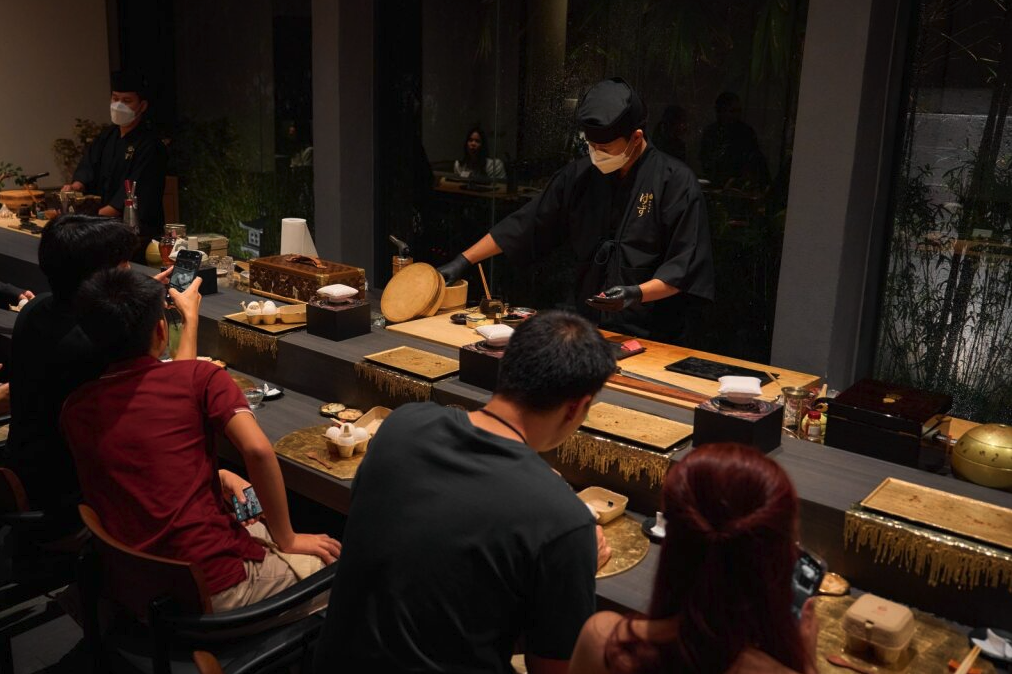
Typical Omakase Course Progression
- Zensai (Appetizer) – Light seasonal bites like dashi gelée, pickled vegetables, or micro-seasonal appetizers to awaken the palate
- Sashimi – Pristine raw fish slices showcasing the day's freshest catches such as kinmedai, chutoro, or aji
- Yakimono (Grilled Dish) – Charcoal-seared nodoguro, A5 Kagoshima wagyu, or seasonal fish with subtle seasoning
- Nigiri Sushi – The heart of omakase; 8-12 pieces progressing from lighter fish (hirame, tai) to rich cuts (otoro, uni, anago)
- Tamago – Sweet egg omelette, considered a true test of the chef's skill
- Agemono or Soup – A crisp fried piece or umami-rich miso broth to cleanse the palate
- Mizumono (Dessert) – Seasonal sorbet, yuzu jelly, or matcha-based sweets
Each element is sequenced with purpose—creating emotional peaks and subtle moments of pause, much like a classical composition.
Essential Omakase Etiquette for First-Timers
Understanding proper etiquette enhances your experience and shows respect for Japanese culinary traditions. These guidelines help you fully appreciate the chef's artistry.
Before You Arrive
Make reservations well in advance—popular omakase counters book weeks or months ahead. Communicate any allergies or dietary restrictions when booking, as chefs source ingredients specifically for each seating. Avoid wearing strong perfumes or colognes that interfere with the delicate aromas of fresh sushi.
Greeting the Chef and Staff
Respect is a cornerstone of Japanese dining etiquette. Upon entering, greet the chef and staff with a polite bow and simple greeting such as "konbanwa" (good evening) or "arigatou gozaimasu" (thank you). This acknowledgment establishes a respectful relationship that enhances the personal omakase experience.
During Your Meal
Eat each piece of sushi within 30 seconds of receiving it—the temperature, texture, and freshness are calibrated for immediate consumption. You may eat nigiri with your hands or chopsticks; both are acceptable in Japanese tradition. Place sushi fish-side down on your tongue to maximize flavor impact.
How to Eat Sushi and Sashimi Properly
Sushi: Pick up the piece with your fingers or chopsticks, dip the fish side (not the rice) lightly into soy sauce, and eat it in one bite. Avoid over-dipping, as this overpowers the delicate flavors.
Sashimi: Use chopsticks to enjoy sashimi. Dip the fish lightly in soy sauce and add a small amount of wasabi if desired. Be careful not to overwhelm the natural taste of the fish.
Omakase vs. Regular Sushi Dining: Key Differences
| Aspect | Omakase | À La Carte Sushi |
| Ordering | Chef selects all courses | You choose from menu |
| Seating | Counter facing chef | Tables or counter |
| Duration | 90 minutes – 2+ hours | 30-60 minutes |
| Courses | 14-20 sequential dishes | Items served together |
| Interaction | Direct chef engagement | Minimal chef contact |
| Price Range | ฿3,500 – ฿20,000+ | ฿500 – ฿2,000 |
How Much Does Omakase Cost in Bangkok?
Omakase pricing varies based on course tier, ingredient quality, and chef expertise. At Yuzu Omakase, courses are structured to accommodate different budgets while maintaining exceptional quality.
| Course Tier | Price (THB) | What to Expect |
| Signature Course | ฿3,500 | 12-14 courses, premium seasonal fish, ideal for first-timers |
| Premium Course | ฿5,500 – ฿7,500 | 15-17 courses featuring Abura Kinmedai, Botan Ebi, grilled otoro |
| The Experience | ฿9,500 – ฿15,000 | 18+ courses, Beluga caviar, black truffle chawanmushi |
| The Symphony | ฿20,000 | Ultimate indulgence with ultra-premium ingredients |
| Blue Diamond | Custom | Completely personalized omakase, reserved 7 days in advance |
Budget tip: Entry-level omakase at quality establishments starts around ฿3,500, offering an excellent introduction to the dining style without compromising on freshness or technique.
Is Omakase Worth It for First-Timers?
Benefits
- Discover fish varieties you'd never order yourself
- Learn proper sushi appreciation from master chefs
- Experience peak freshness and preparation techniques
- Personalized attention and chef interaction at the counter
- Memorable special occasion dining
Considerations
- Higher cost than casual sushi dining
- Limited control over dishes served
- Requires 90+ minutes time commitment
- May include unfamiliar ingredients
- Reservations often required weeks ahead
Frequently Asked Questions
Can I request specific fish or skip items I dislike? Yes, but communicate preferences when booking rather than mid-meal. Chefs appreciate advance notice to prepare alternatives. Once seated, embrace the "leave it to you" philosophy—you might discover unexpected favorites.
Is it rude to take photos during omakase? Generally acceptable at most modern omakase restaurants, but ask permission first. Never use flash, as it can disturb other diners and the chef's concentration. The quiet environment where you observe the chef's focus is part of the experience.
Should I tip at an omakase restaurant? In Japan, tipping is not customary. In Thailand, service charges are typically included. In Western countries, 18-20% gratuity is standard. Check your bill or ask staff if unsure.
What if I'm still hungry after omakase? Most chefs gauge your appetite throughout the meal. If you'd like additional pieces after the set courses, simply ask—ordering extra nigiri is perfectly acceptable and often encouraged.
Do I need to understand Japanese to enjoy omakase? No. Establishments like Yuzu Omakase cater to international guests with English-speaking staff who explain each course's ingredients and preparation methods.
What's the difference between omakase and kaiseki? Omakase emphasizes chef improvisation with that day's best ingredients, typically sushi-focused. Kaiseki follows a more structured, seasonal multi-course format rooted in tea ceremony traditions, featuring varied cooking techniques beyond raw fish.
Is omakase suitable for sushi beginners? Absolutely. Entry-level omakase offers an excellent introduction. Chefs often enjoy guiding newcomers, explaining ingredients and techniques. Start with a mid-tier course for balanced accessibility and quality.
Key Takeaways: Your First Omakase Checklist
- Reserve 1-4 weeks ahead; inform the restaurant of dietary restrictions
- Arrive 5-10 minutes early in smart casual attire, fragrance-free
- Sit at the counter for the full interactive experience
- Greet the chef with "konbanwa" (good evening)
- Eat each piece immediately upon serving, in one bite
- Dip fish-side (not rice) lightly into soy sauce
- Engage respectfully with the chef—questions are welcome
- Allow 2 hours for the complete experience
- Express appreciation with "oishii" (delicious) or "gochisousama deshita" (thank you for the meal)
Experience Authentic Omakase in Bangkok
First-time omakase dining rewards those who approach it with curiosity and openness. The combination of premium ingredients, chef artistry, and intimate counter seating creates dining memories that standard restaurants rarely match.
At Yuzu Omakase in Siam Square, Bangkok, this tradition comes alive through seasonal menus featuring ingredients sourced directly from Japan's renowned Toyosu Market. Whether you're celebrating a special occasion or exploring refined Japanese cuisine for the first time, the omakase journey awaits.
Yuzu Omakase 📍 258/9-10 Siam Square Soi 3, 2F Pathumwan, Bangkok 📞 063-898-8989 🌐 www.yuzuomakase.com
Advance reservations recommended. Seats are limited.
RELATE
-
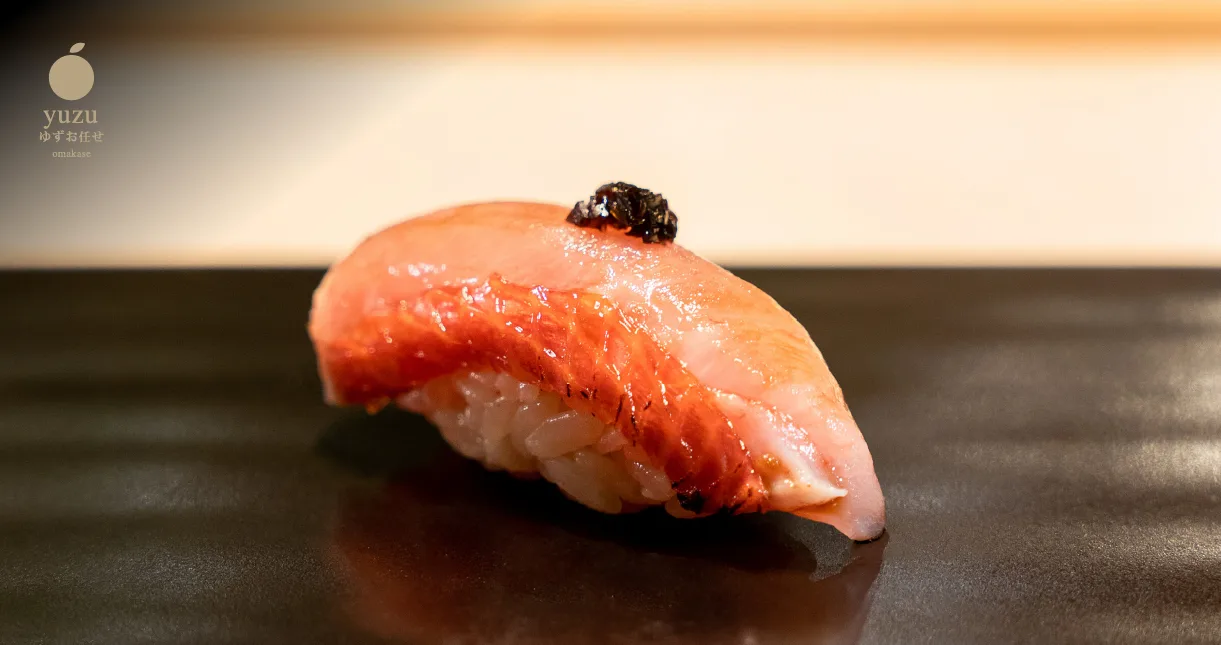
HAND TO HAND NIGIRI: THE MOST INTIMATE WAY TO EAT OMAKASE
Hand to hand nigiri means the chef places each piece of sushi directly into your open palm — and you eat it immediately with your fingers. No chopsticks. No plate. Just the rice, the fish, and the chef’s intent. It is the oldest and most traditional way to eat omakase sushi, and at Bangkok’s finest… Continue reading HAND TO HAND NIGIRI: THE MOST INTIMATE WAY TO EAT OMAKASE
Local Story ● 2026 Mar 11
-
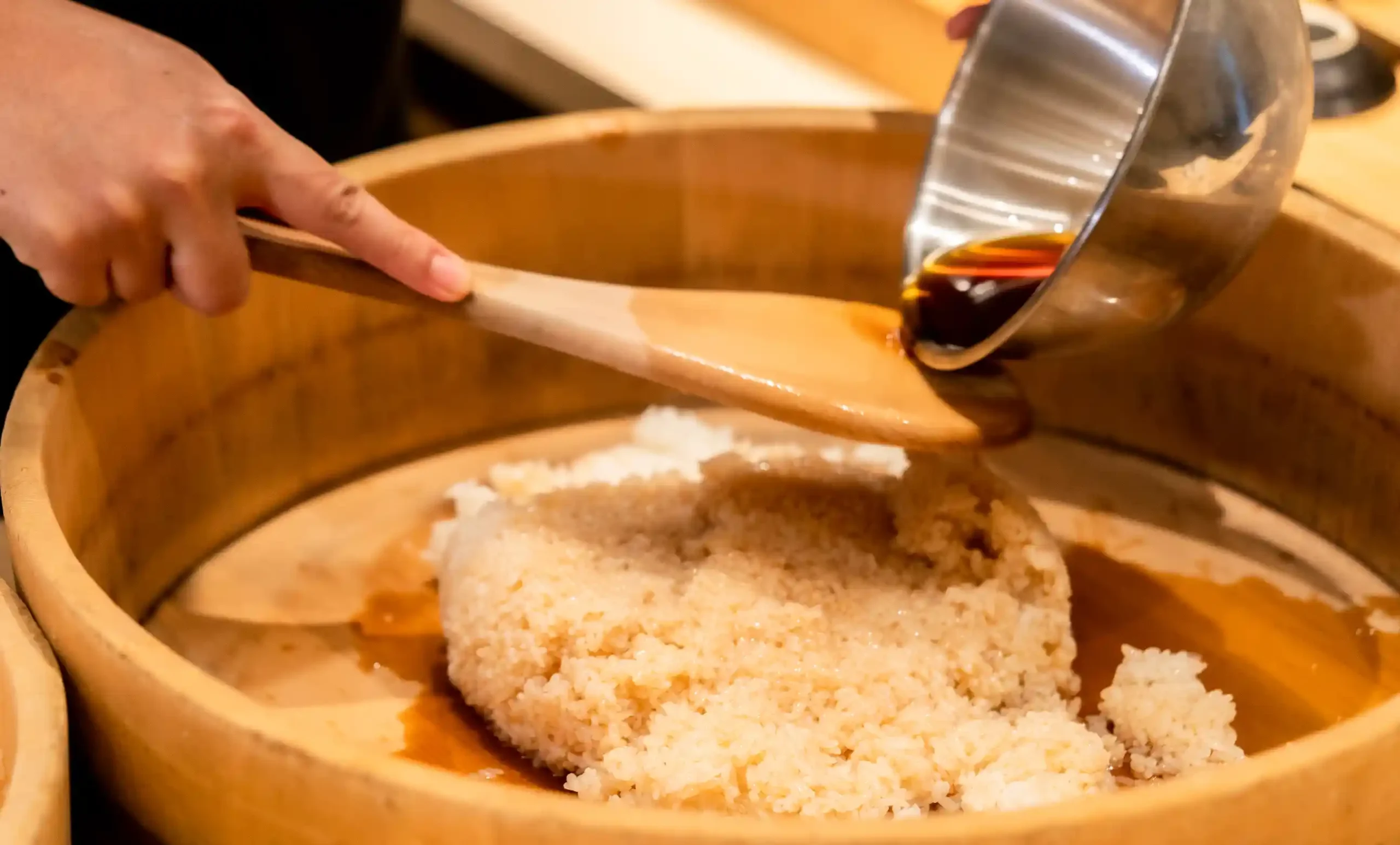
Temperature in Sushi Rice: The Foundation of Authentic Sushi Craftsmanship
What Is the Ideal Temperature for Sushi Rice? Sushi rice (shari) should be served at body temperature, approximately 35-40°C (95-104°F). This warmth allows the vinegar seasoning to release its aroma, keeps grains soft and glossy, and melts the fat of fish toppings upon contact for optimal flavor release. Key Facts at a Glance Why Does… Continue reading Temperature in Sushi Rice: The Foundation of Authentic Sushi Craftsmanship
Local Story ● 2026 Jan 29
-
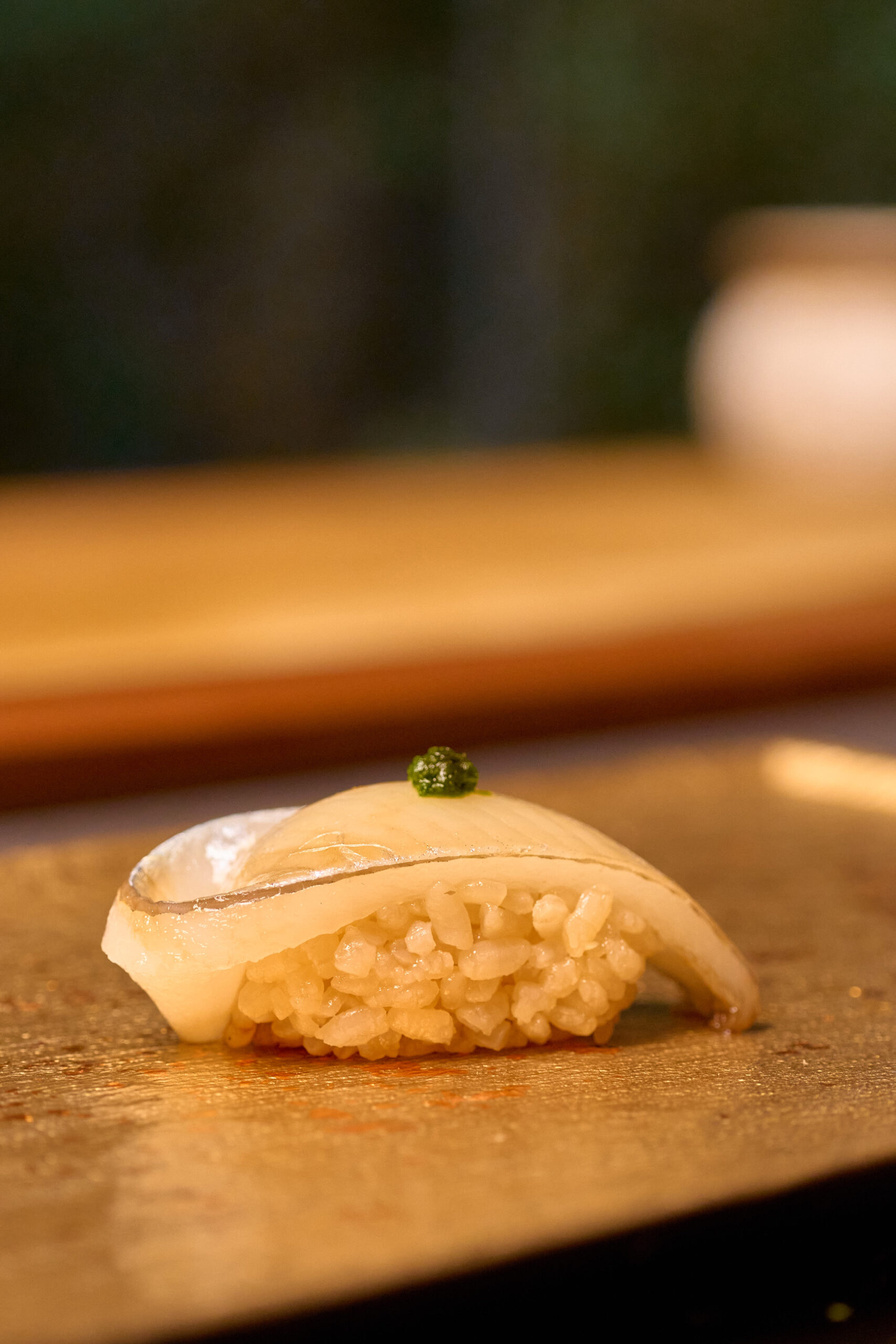
Why Is Wasabi Always Served with Sushi?
Wasabi accompanies sushi for three essential reasons: it kills harmful bacteria in raw fish, enhances umami flavor, and cleanses the palate between bites. This pairing dates back to the Edo period in Japan when refrigeration did not exist. Quick Answer Card The Science Behind Wasabi and Raw Fish Wasabi contains allyl isothiocyanate, a natural compound… Continue reading Why Is Wasabi Always Served with Sushi?
Local Story ● 2026 Jan 28
-
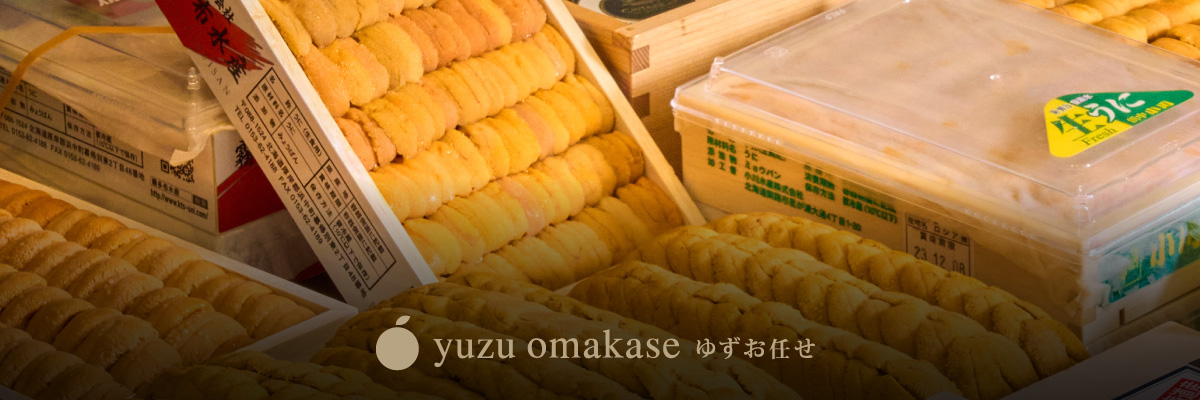
Hokkaido Uni vs Kyushu Uni: What’s the Difference?
Hokkaido uni offers a rich, creamy sweetness with a firm texture, while Kyushu uni delivers a lighter, more delicate flavor with a softer, melt-in-your-mouth consistency. The difference comes from water temperature, diet, and harvesting season. Understanding Japanese Sea Urchin Varieties Japan produces some of the world’s finest uni, with regional terroir creating distinct flavor profiles.… Continue reading Hokkaido Uni vs Kyushu Uni: What’s the Difference?
Local Story ● 2026 Jan 22

