




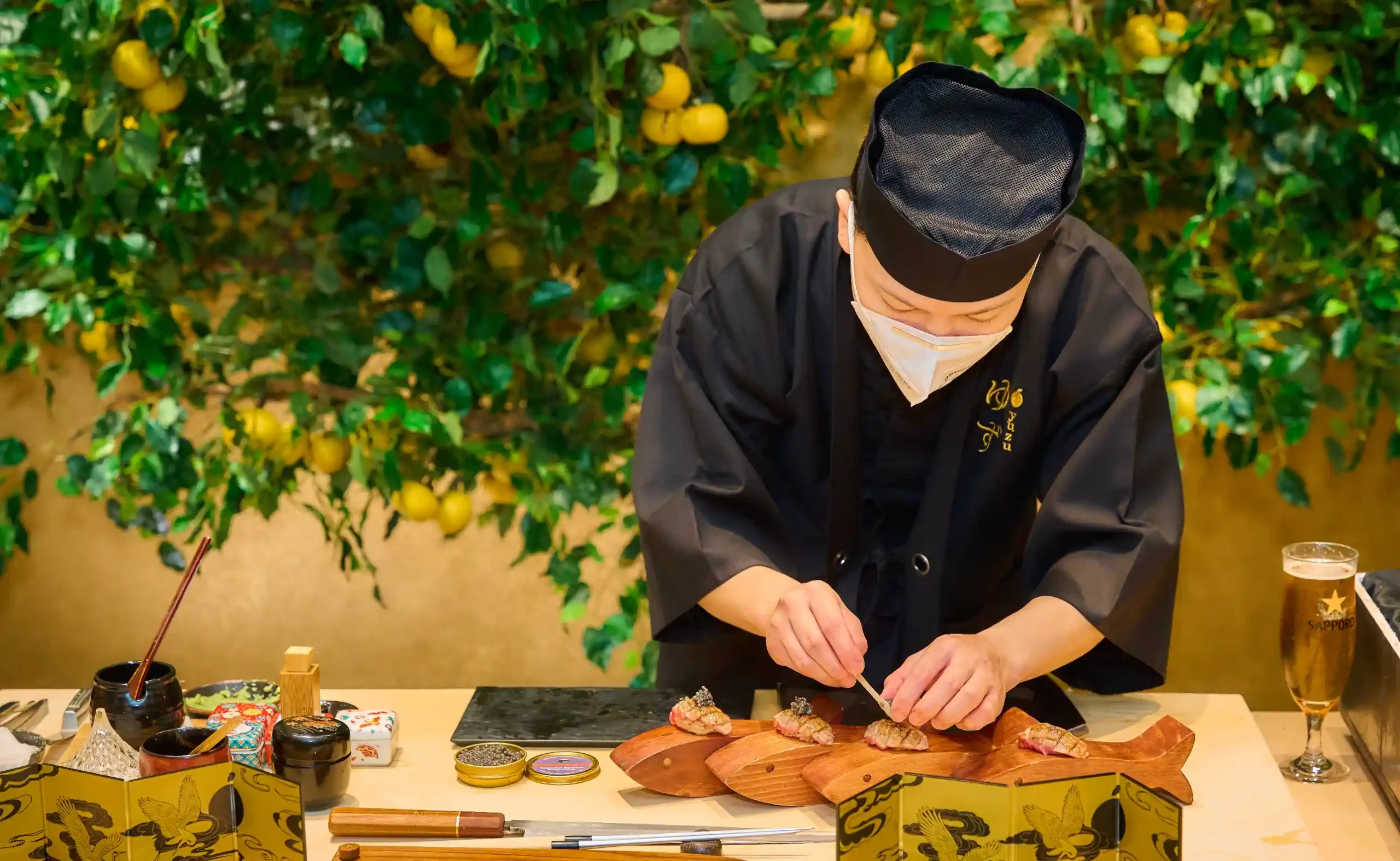
Sushi Knives Explained: Yanagiba, Deba, Usuba and Their Purpose
Japanese sushi knives (hocho) are single-bevel blades designed for specific tasks in washoku cuisine. The essential trio—Yanagiba, Deba, and Usuba—form the foundation of professional sushi preparation, each serving a distinct purpose in the itamae’s craft. Which Knife for What? • Yanagiba: Slicing sashimi and sushi toppings (neta) • Deba: Filleting whole fish, removing heads, breaking… Continue reading Sushi Knives Explained: Yanagiba, Deba, Usuba and Their Purpose
Local Story ● 2026 Jan 22
Japanese sushi knives (hocho) are single-bevel blades designed for specific tasks in washoku cuisine. The essential trio—Yanagiba, Deba, and Usuba—form the foundation of professional sushi preparation, each serving a distinct purpose in the itamae's craft.
Which Knife for What?
• Yanagiba: Slicing sashimi and sushi toppings (neta) • Deba: Filleting whole fish, removing heads, breaking down poultry • Usuba: Precision vegetable cutting, katsuramuki, decorative garnishes
Why Do Sushi Chefs Use Different Knives?
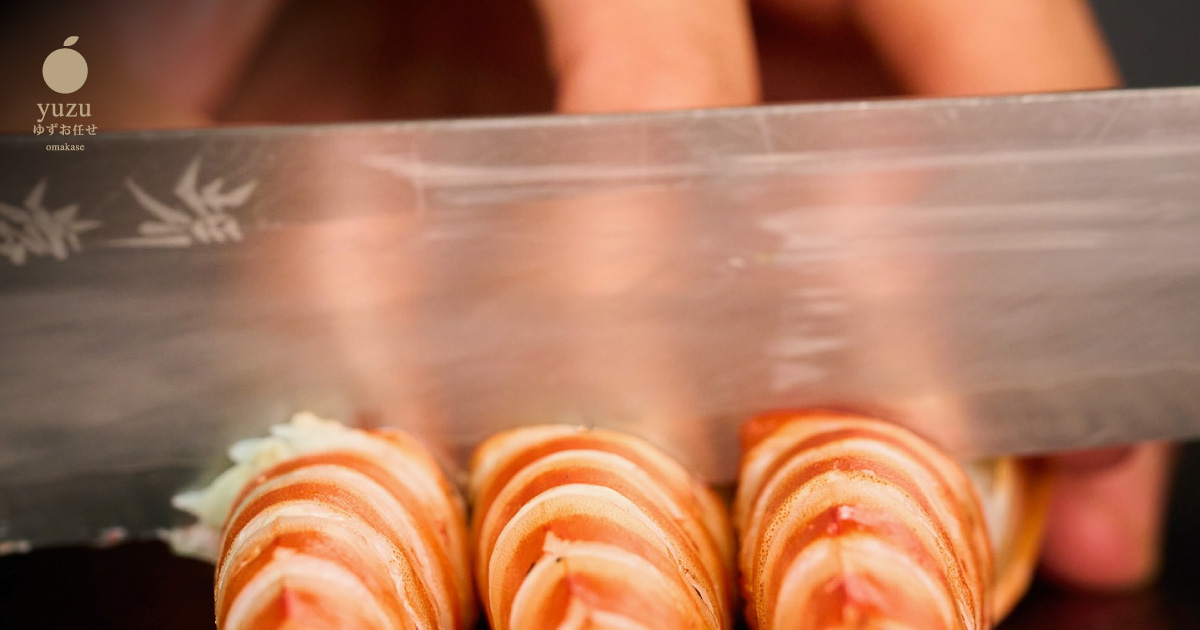
In omakase dining and kaiseki cuisine, knife selection directly impacts texture, presentation, and flavor. Each blade's single-bevel (kataba) design creates an exceptionally sharp edge that preserves cellular structure during cutting. When a Yanagiba slices through hirame or maguro in one smooth pull, it minimizes cell damage—keeping the fish's natural taste and appearance intact. This precision is what separates restaurant-quality sashimi from home preparation.
Sushi Knife Comparison: Yanagiba vs Deba vs Usuba
| Feature | Yanagiba | Deba | Usuba |
|---|---|---|---|
| Japanese Name | 柳刃 (Willow Blade) | 出刃 (Pointed Carving) | 薄刃 (Thin Blade) |
| Primary Use | Slicing sashimi | Filleting fish | Cutting vegetables |
| Blade Length | 240–360mm | 150–210mm | 165–210mm |
| Blade Profile | Long, slender, thin | Thick, heavy, sturdy | Thin, tall, flat |
| Spine Thickness | 2–3mm | 5–10mm | 2–3mm |
| Cutting Technique | Pull cut (hikigiri) | Push/downward cut | Push cut (oshigiri) |
Yanagiba: The Sashimi Knife
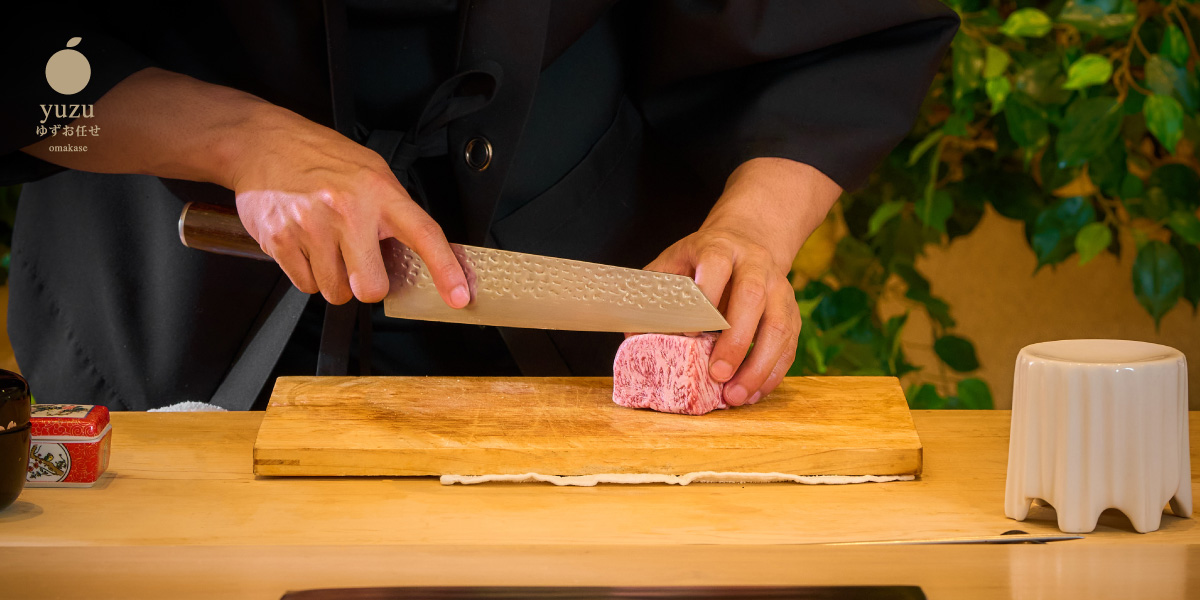
The Yanagiba (meaning "willow leaf blade") is the signature knife of sushi masters. Its long, slender blade—typically 270mm to 300mm—allows chefs to slice boneless fish fillets in a single, fluid pull stroke from heel to tip. This technique, called hikigiri, prevents the cellular damage that occurs with sawing motions. The result is sashimi with a glossy surface that reflects light beautifully.
Professional itamae at fine-dining omakase restaurants in Bangkok and Tokyo prefer Yanagiba knives forged from high-carbon steel like Shirogami (White Steel) or Aogami (Blue Steel) for their superior edge retention and sharpness.
Deba: The Fish Filleting Knife
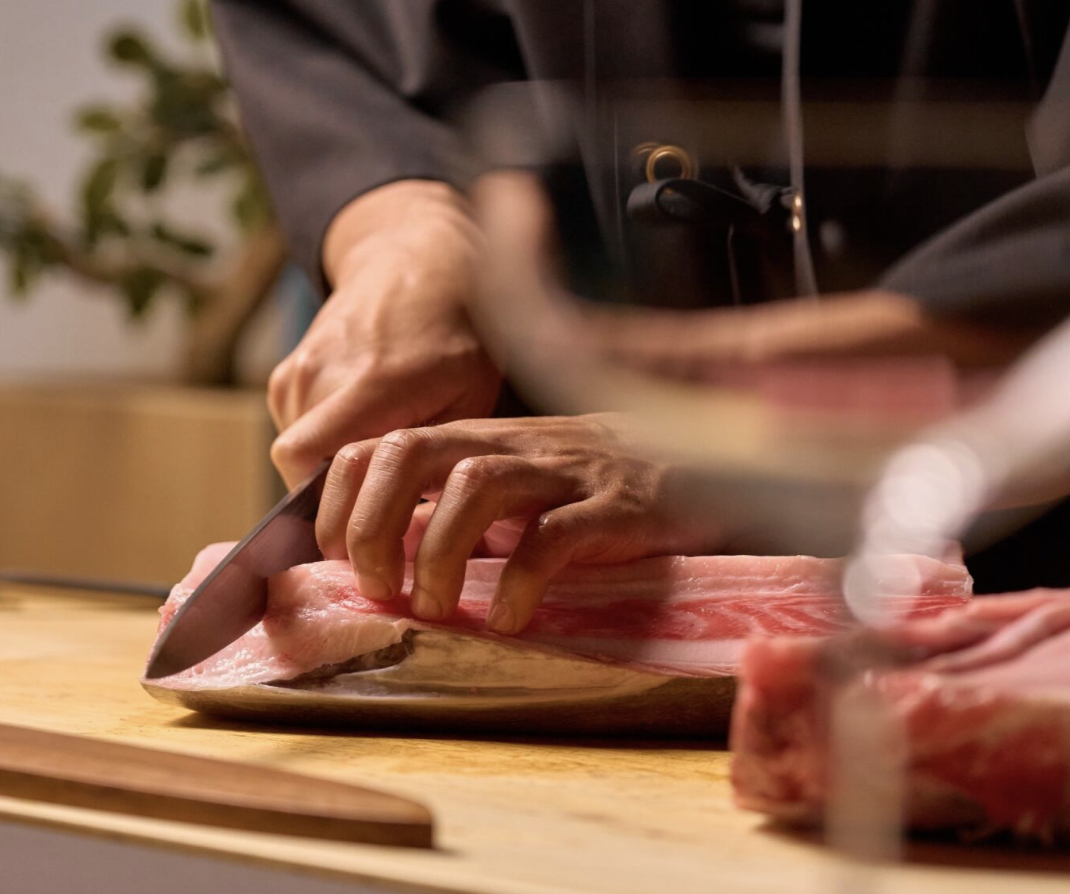
The Deba is the workhorse of Japanese fish butchery. With a thick spine (5–10mm) and substantial weight, it handles heavy-duty tasks that would damage other knives: beheading fish, cutting through soft cartilage, and breaking down whole fish into fillets. The tapered blade allows the tip to feel along bones during filleting—a crucial sensitivity for preserving flesh.
Despite its robust appearance, the Deba is not a cleaver. It should never be used to hack through thick bones or frozen foods, which can chip the single-bevel edge.
Usuba: The Vegetable Knife
The Usuba ("thin blade") is essential for traditional Japanese vegetable preparation. Its razor-sharp single-bevel edge and flat profile enable techniques impossible with Western knives—most notably katsuramuki, the art of peeling daikon radish into paper-thin continuous sheets. In kaiseki cuisine, where vegetable presentation equals artistry, the Usuba creates the intricate garnishes that elevate each course.
Two regional styles exist: the Kanto-style (Tokyo) with a square tip, and the Kamagata-style (Osaka/Kyoto) with a curved, pointed tip for more delicate decorative work.
• Single-bevel (kataba) design provides surgical sharpness • Each knife serves one specialized function in sushi preparation • High-carbon steel (Shirogami/Aogami) offers superior edge retention • Proper technique matters more than price—pull cuts for Yanagiba, push cuts for Usuba • Regular whetstone sharpening is essential for maintenance
Frequently Asked Questions
What is the difference between Yanagiba and Deba knives?
The Yanagiba is thin and long for slicing raw fish into sashimi, while the Deba is thick and heavy for filleting whole fish and cutting through cartilage. They serve sequential roles: Deba breaks down the fish first, then Yanagiba creates the final cuts.
Is Usuba better than Nakiri for vegetables?
Usuba offers superior precision with its single-bevel edge, ideal for professional techniques like katsuramuki. However, Nakiri (double-bevel) is more beginner-friendly and versatile for home cooks who don't need decorative cutting skills.
Why are Japanese sushi knives so expensive?
Traditional sushi knives are hand-forged by master craftsmen using techniques derived from samurai sword-making. High-carbon steel, labor-intensive sharpening, and the precision required for single-bevel edges justify premium pricing. A quality Yanagiba from Sakai or Seki can last decades with proper care.
How do sushi chefs maintain their knives?
Professional itamae sharpen their knives on whetstones (typically 1000 and 3000 grit) before each service. After use, blades are hand-washed, dried immediately, and stored in wooden saya sheaths. Carbon steel knives receive a thin oil coating to prevent rust.
Can I use a Santoku instead of these traditional knives?
For home cooking, a quality Santoku handles most tasks adequately. However, it cannot replicate the precision of specialized sushi knives. The Yanagiba's pull-cut technique and the Usuba's paper-thin vegetable slices require purpose-built blades.
RELATE
-
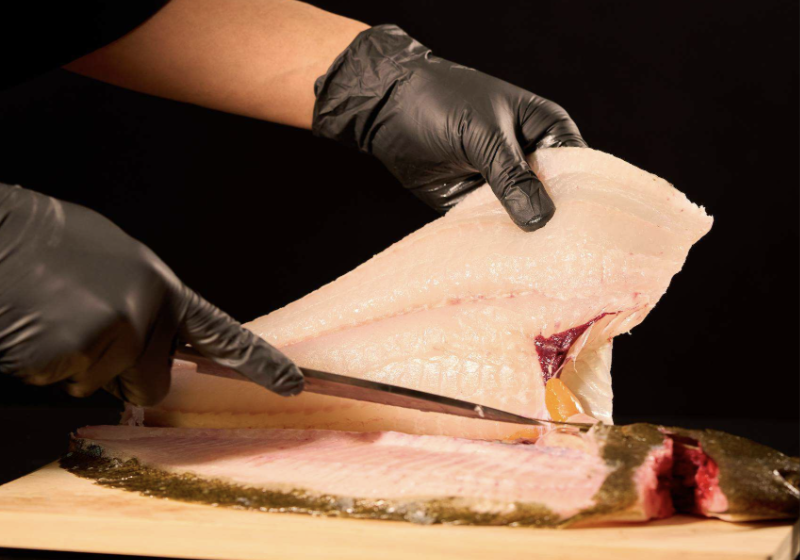
Engawa: The Cut Most Diners Never Notice
Engawa (縁側) is the thin band of muscle that moves the dorsal and ventral fins of a flatfish, and the classic engawa comes from hirame, the olive flounder. Engawa tastes richer than the white body meat of the same fish, with more fat, a clean sweetness, and a crunchy chew that comes from its high… Continue reading Engawa: The Cut Most Diners Never Notice
Local Story ● 2026 Sep 25
-
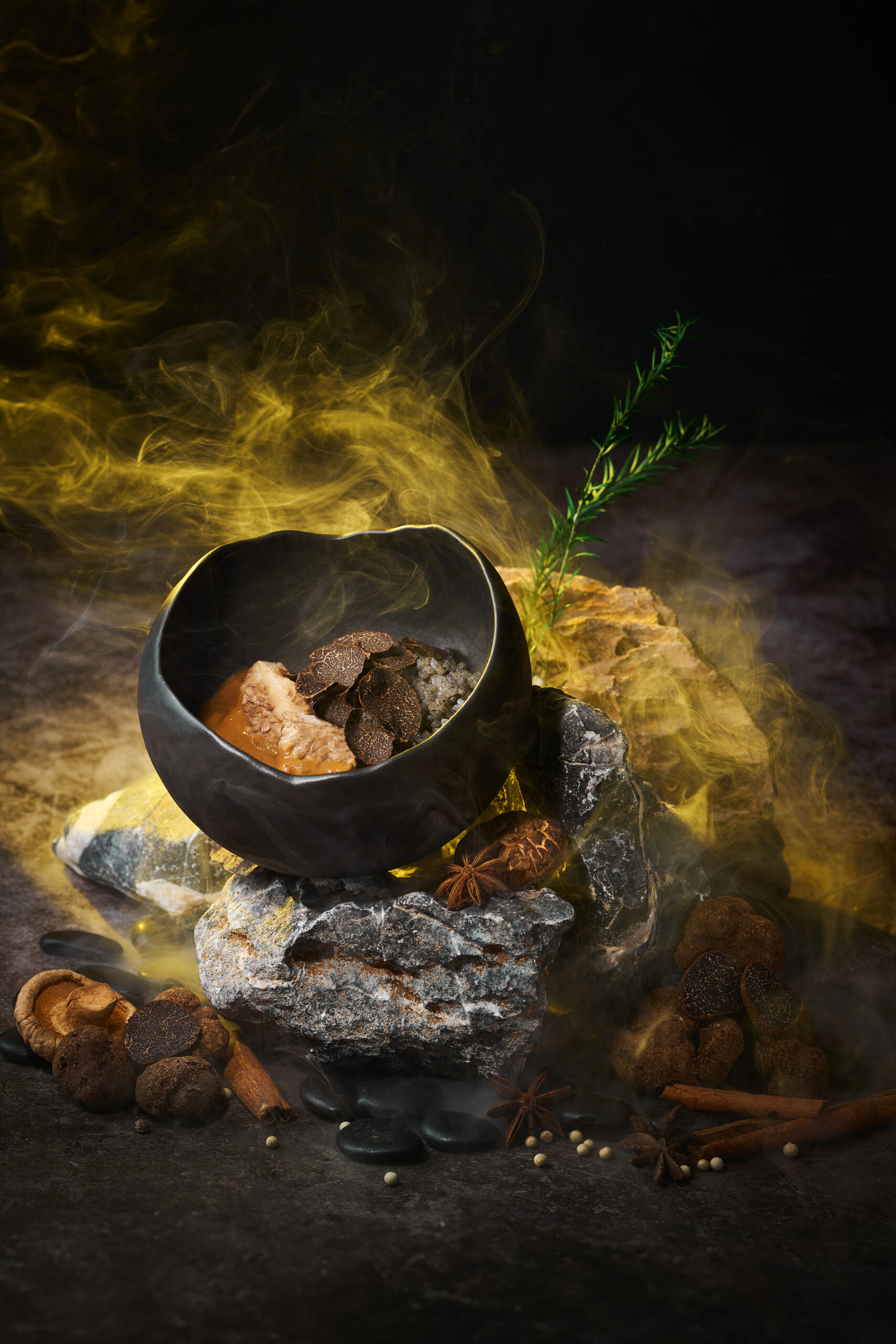
What Is Truffle (トリュフ), and How Much Belongs on Sushi?
Truffle, written toryufu (トリュフ) on a Japanese menu, is the underground fruiting body of a fungus in the genus Tuber, which lives in partnership with the roots of trees such as oak, hazel and beech. The white truffle, Tuber magnatum from Piedmont in northern Italy, is shaved raw because its aroma fades with heat, while… Continue reading What Is Truffle (トリュフ), and How Much Belongs on Sushi?
Local Story ● 2026 Sep 25
-
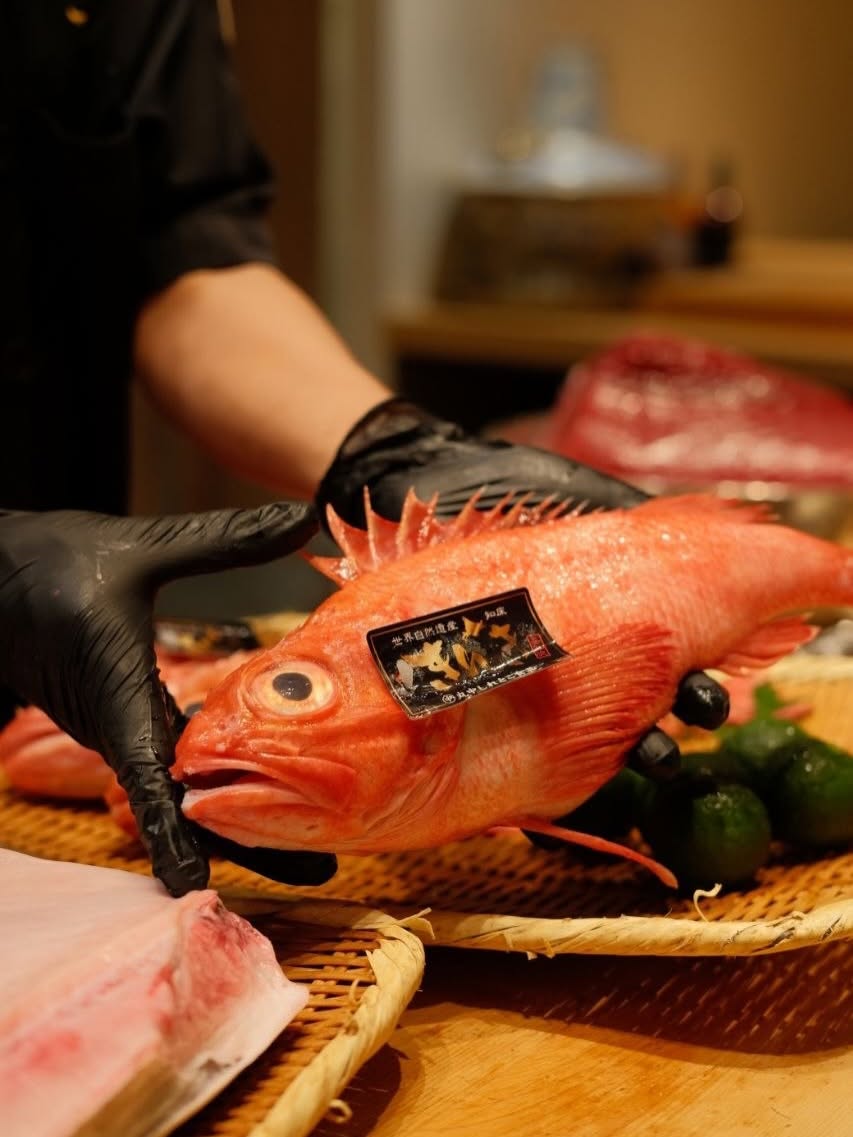
What Is Kinki Fish? Kichiji, the Deep Water
Kinki is the Japanese counter name for Sebastolobus macrochir, a deep water thornyhead from the northwestern Pacific that is classified as a white fish but carries far more fat than a white fish usually does. Kinki, kichiji and menme are three names for one species, used in different regions and different registers, and none of… Continue reading What Is Kinki Fish? Kichiji, the Deep Water
Local Story ● 2026 Aug 30
-
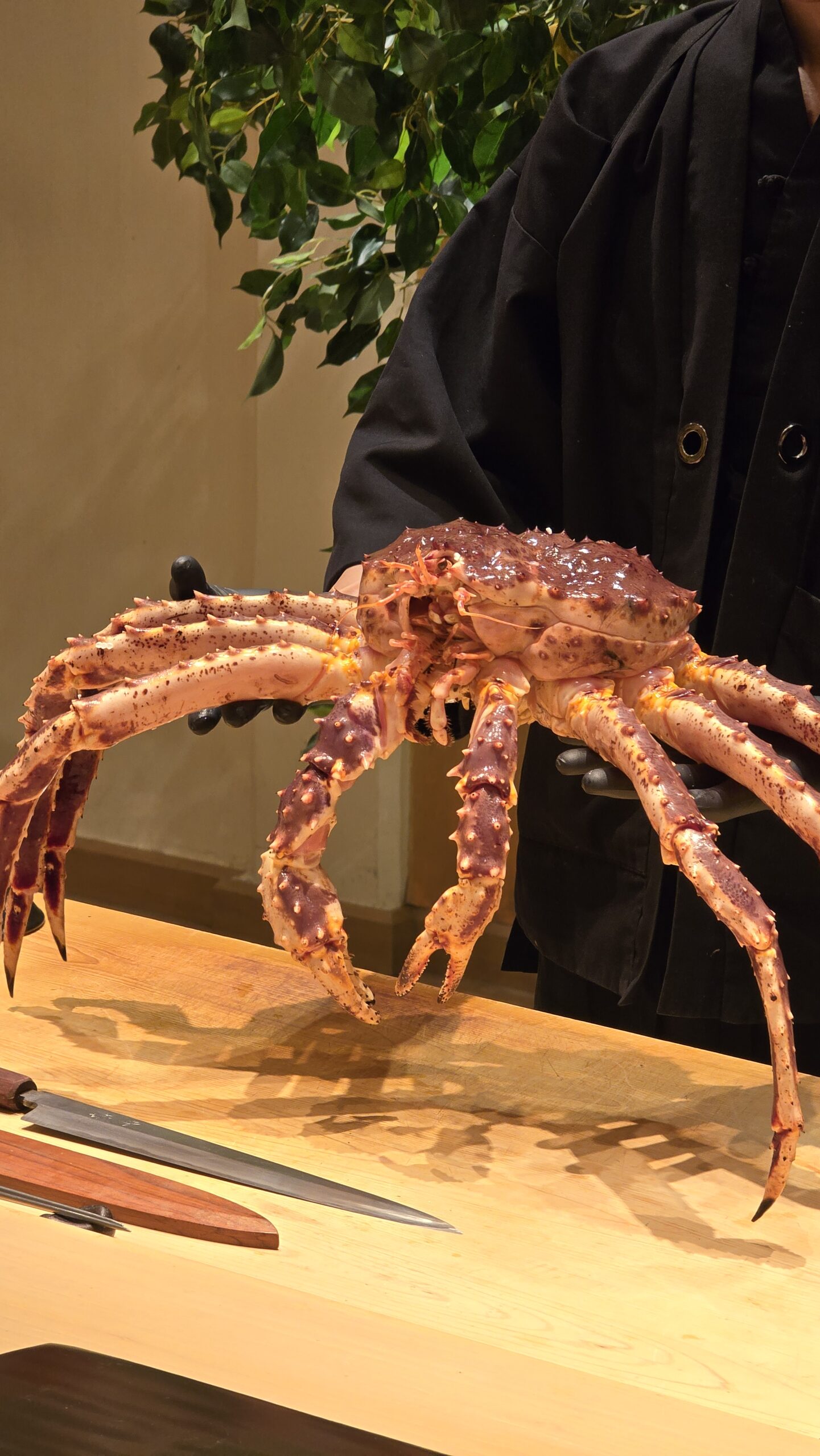
What Is Taraba King Crab? The Hokkaido Giant That Is Not Actually a Crab
Taraba king crab, tarabagani in Japanese, is the red king crab, the largest and most prized of the king crab species found in Japanese waters. Taraba is not a true crab. It belongs to the hermit crab family, and the giveaway is the leg count: true crabs have ten legs, taraba has eight, with two… Continue reading What Is Taraba King Crab? The Hokkaido Giant That Is Not Actually a Crab
Local Story ● 2026 Aug 30

