




Why Wasabi Always Served with Sushi
Updated January 2025 · 6 min read Why is wasabi served with sushi? Wasabi (Japanese horseradish) accompanies sushi for three essential reasons: it kills harmful bacteria in raw fish, enhances umami flavor, and cuts through richness with its sharp, clean heat. This pairing dates back centuries when refrigeration didn’t exist, making wasabi a natural food… Continue reading Why Wasabi Always Served with Sushi
Local Story ● 2026 Jan 22
Updated January 2025 · 6 min read
Why is wasabi served with sushi?

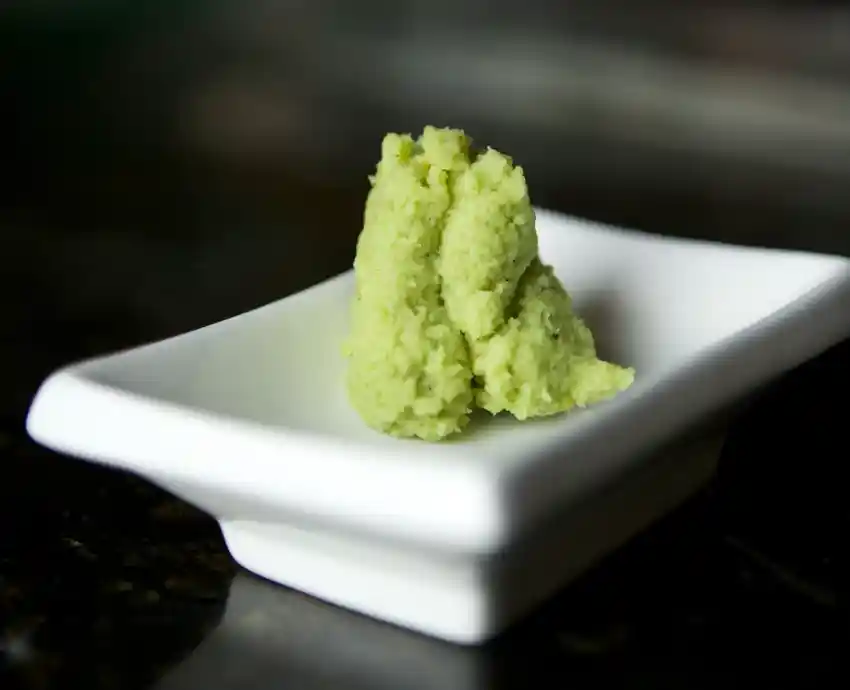
Wasabi (Japanese horseradish) accompanies sushi for three essential reasons: it kills harmful bacteria in raw fish, enhances umami flavor, and cuts through richness with its sharp, clean heat. This pairing dates back centuries when refrigeration didn't exist, making wasabi a natural food safety measure in Japanese cuisine.
Key Points:
- Antibacterial compounds neutralize pathogens in raw seafood
- Isothiocyanates enhance flavor perception and clear the palate
- Traditional placement: between fish and rice (not mixed in soy sauce)
- Fresh wasabi differs significantly from imitation wasabi paste
The Historical Origins of Wasabi with Sushi
The relationship between wasabi and sushi began during Japan's Edo period (1603–1868), when street vendors sold fresh nigiri along Tokyo's bustling fish markets. Before modern refrigeration, raw fish posed significant food safety risks.
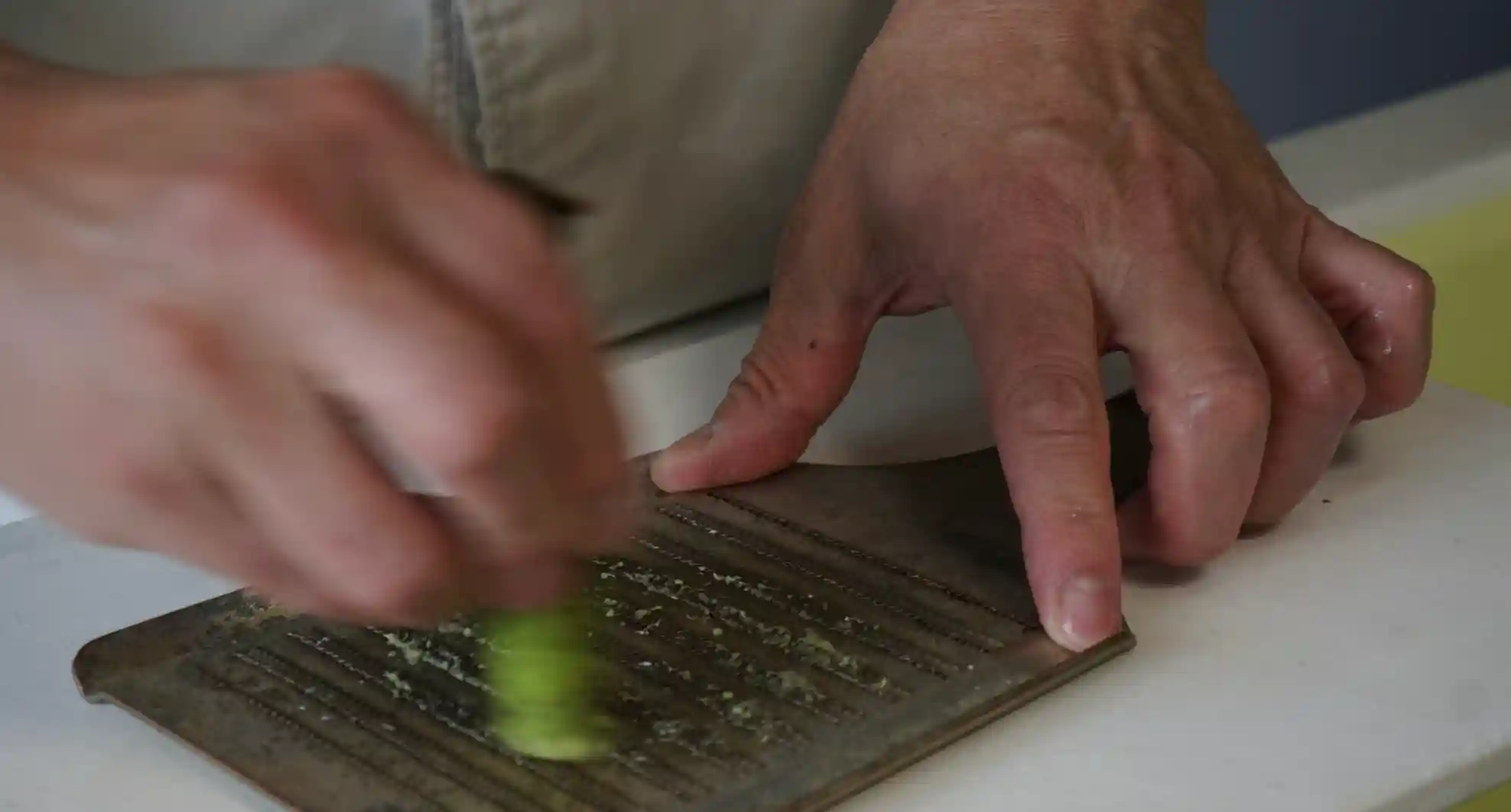
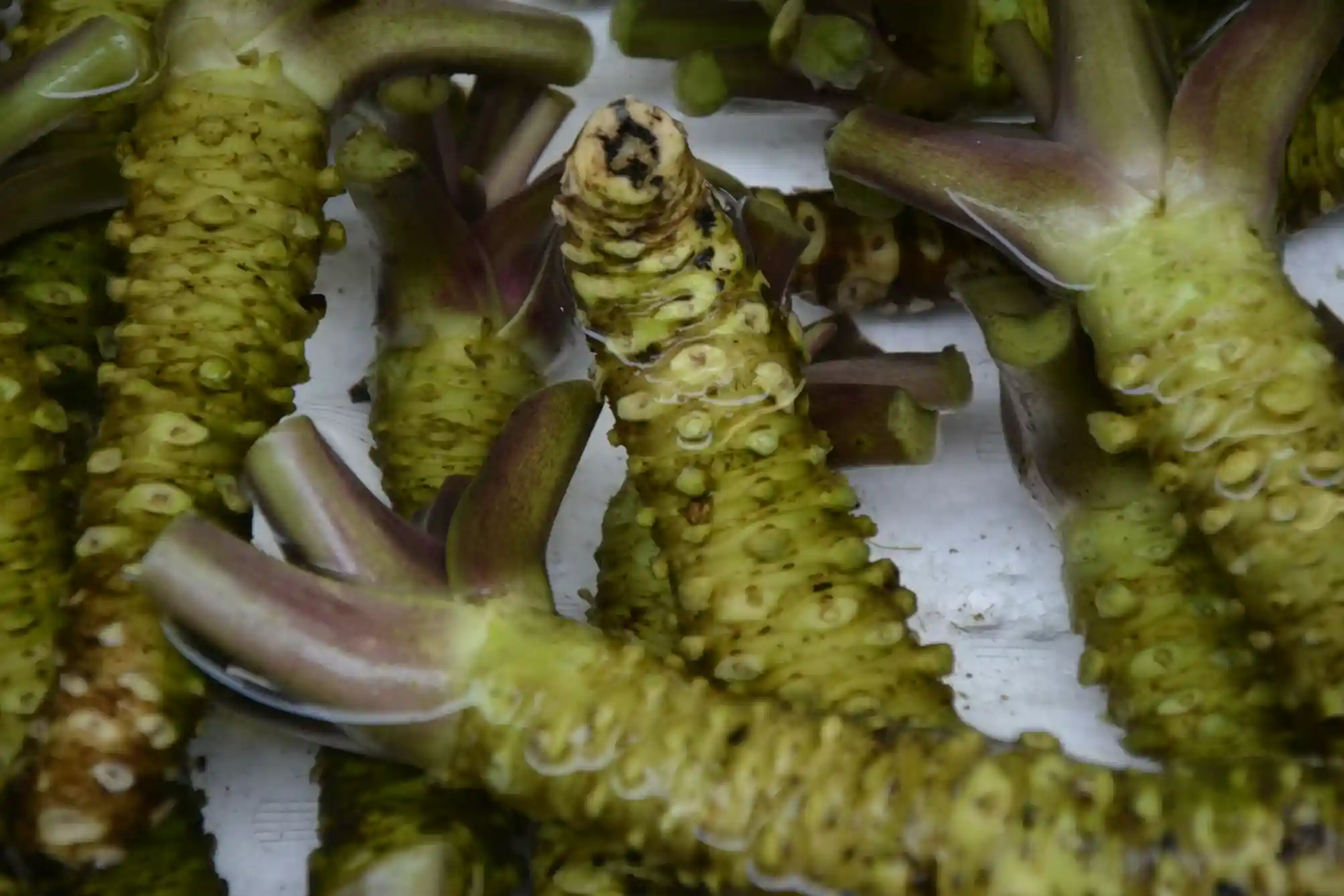
Japanese chefs discovered that Wasabia japonica—the wasabi plant native to mountain streams—possessed natural preservative qualities. Early sushi masters applied thin layers of freshly grated wasabi between the neta (fish topping) and shari (seasoned rice) to protect diners from foodborne illness.
This practice transformed from necessity into culinary tradition. Today, omakase chefs in Bangkok and Tokyo alike continue this custom, applying precise wasabi amounts calibrated to each cut of fish.
The Science Behind Wasabi's Antibacterial Properties
How Wasabi Protects Against Bacteria
Fresh wasabi contains allyl isothiocyanate (AITC), a compound released when the rhizome is grated. Scientific research confirms AITC effectively inhibits:
| Pathogen | Effectiveness | Common Source |
| Vibrio parahaemolyticus | High | Raw shellfish |
| Listeria monocytogenes | Moderate-High | Fish surfaces |
| E. coli | Moderate | Cross-contamination |
| Staphylococcus aureus | Moderate | Food handling |
The Japanese Food Safety Commission recognizes wasabi's antimicrobial properties, though modern food safety relies on proper refrigeration and sourcing rather than condiments alone.
Fresh Wasabi vs. Imitation Wasabi
| Characteristic | Fresh Wasabi (hon-wasabi) | Imitation Wasabi |
| Main Ingredient | Grated Wasabia japonica rhizome | Horseradish + mustard + food coloring |
| Flavor Profile | Complex, sweet, herbal heat | Sharp, one-dimensional burn |
| Heat Duration | Dissipates in 15–20 minutes | Stable for hours |
| Antibacterial | Strong AITC content | Minimal properties |
Most sushi restaurants outside Japan serve imitation wasabi. Premium omakase establishments—including top Bangkok omakase restaurants—use freshly grated hon-wasabi for authentic flavor and food safety benefits.
Flavor Enhancement: Why Wasabi Makes Sushi Taste Better
Beyond food safety, wasabi serves crucial culinary functions in Japanese gastronomy.
Umami Amplification
Wasabi's volatile compounds interact with taste receptors to heighten umami perception. When properly applied, wasabi makes fatty fish like otoro (tuna belly) and engawa (flounder fin) taste richer without overpowering delicate flavors.
Palate Cleansing
The sharp, nasal heat of wasabi—unlike chili pepper's lingering burn—clears quickly. This allows diners to appreciate each piece of sushi individually, essential during multi-course omakase experiences where 15–20 different fish may be served.
Fat-Cutting Properties
Wasabi's astringency balances oily fish. Master sushi chefs adjust wasabi quantities based on fish fattiness:
- Lean fish (hirame, tai): Light application
- Medium fat (salmon, hamachi): Moderate application
- High fat (otoro, unagi): Generous application
Proper Wasabi Etiquette in Japanese Dining
How Sushi Chefs Apply Wasabi
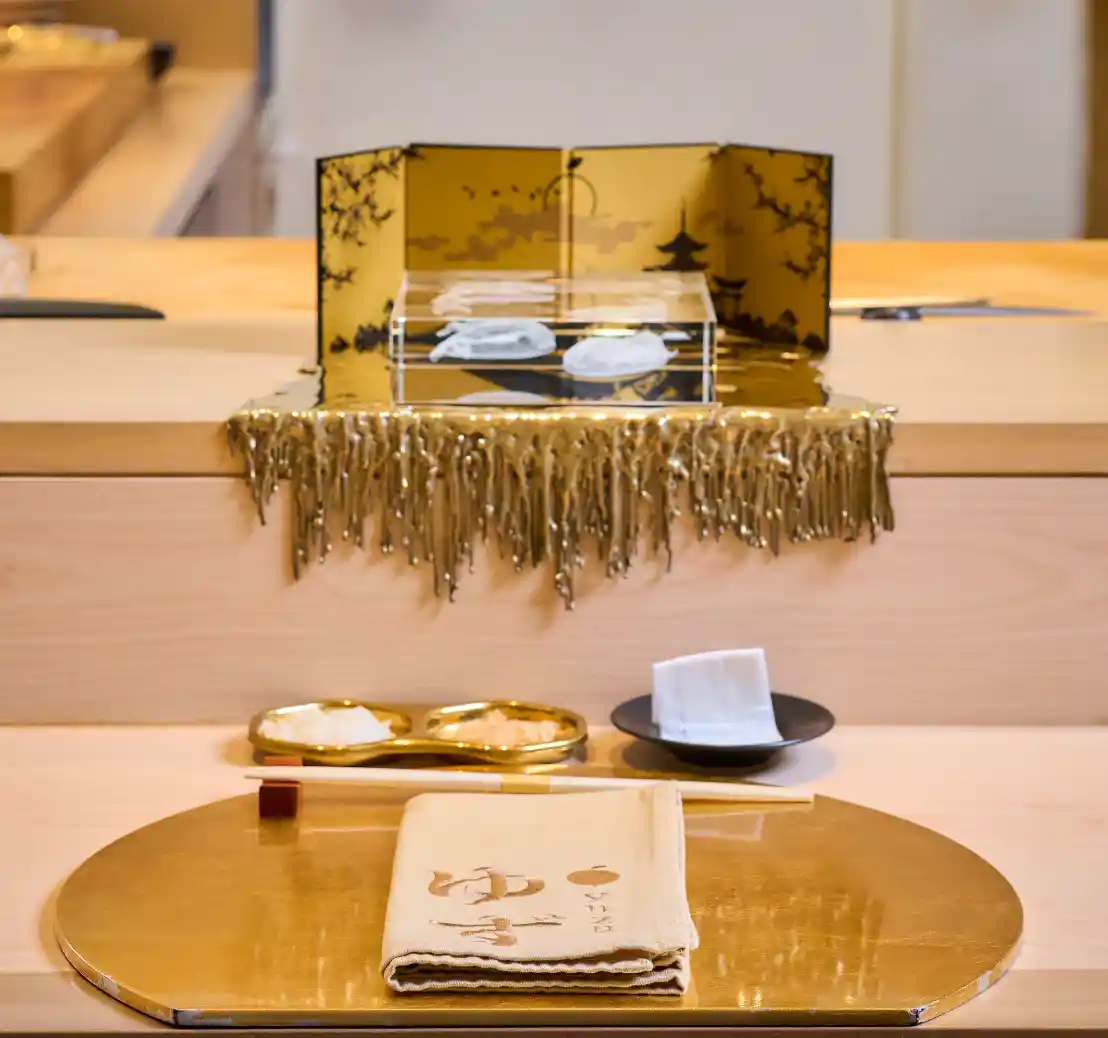
In traditional sushi preparation, the itamae (sushi chef) places wasabi directly on the fish before pressing it onto rice. This technique ensures:
- Optimal wasabi distribution across each bite
- Protection of fish from oxidation
- Controlled flavor intensity per fish type
Should You Add Extra Wasabi?
For nigiri sushi: The chef has already applied appropriate wasabi. Adding more may be considered disrespectful at high-end establishments, though casual sushi restaurants accommodate personal preferences.
For sashimi: Wasabi is served separately. Place a small amount directly on fish rather than mixing into soy sauce—mixing dilutes both wasabi's heat and the sauce's flavor.
Steps: How to Properly Eat Sushi with Wasabi
- Observe the chef's preparation — Note whether wasabi is pre-applied
- Pick up nigiri — Use chopsticks or fingers (both acceptable)
- Dip fish-side only — Lightly touch soy sauce with fish, not rice
- Eat in one bite — Experience the complete flavor combination
- Cleanse palate — Use pickled ginger between different fish types
Key Takeaways
- Historical purpose: Wasabi protected against foodborne illness before refrigeration
- Scientific basis: Allyl isothiocyanate provides genuine antibacterial effects
- Flavor function: Enhances umami, cleanses palate, balances fat
- Authentic wasabi: Hon-wasabi differs vastly from imitation pastes
- Proper use: Applied by chef between fish and rice; avoid mixing in soy sauce
- Cultural respect: Trust the chef's wasabi calibration at omakase restaurants
FAQ: Common Questions About Wasabi and Sushi
Why does wasabi burn my nose instead of my tongue?
Wasabi's isothiocyanates are volatile compounds that activate receptors in the nasal cavity. Unlike capsaicin in chili peppers (which binds to tongue receptors), wasabi's heat travels upward through the sinuses, creating that distinctive nasal burn.
Is the green wasabi at sushi restaurants real?
Most sushi restaurants serve imitation wasabi made from horseradish, mustard, and green food coloring. Real wasabi is expensive and loses potency within 15 minutes of grating. Only premium omakase establishments typically serve fresh Wasabia japonica.
Can I skip wasabi if I don't like spicy food?
Absolutely. While wasabi adds traditional flavor complexity, it's not mandatory. Simply inform your server or chef of your preference. Many sushi restaurants will prepare orders without wasabi upon request.
How much wasabi should I use with sashimi?
Use a pea-sized amount per slice. Place wasabi directly on the fish rather than stirring into soy sauce. This preserves wasabi's aromatic heat and prevents the sauce from becoming diluted and gritty.
Does wasabi have health benefits beyond food safety?
Research suggests wasabi may have anti-inflammatory properties and support digestive health. However, typical consumption amounts are too small for significant therapeutic effects. Its primary function in sushi remains flavor enhancement and traditional culinary practice.
Why do some sushi chefs put wasabi inside the nigiri?
This technique, called sabiki or internal application, ensures even wasabi distribution and prevents the fish from separating from the rice. It also allows chefs to customize wasabi intensity based on fish type—more for fatty cuts, less for delicate white fish.
Is wasabi safe during pregnancy?
Fresh wasabi in small amounts is generally considered safe. Its antibacterial properties may even provide modest food safety benefits. However, pregnant individuals should consult healthcare providers about raw fish consumption regardless of wasabi presence.
RELATE
-
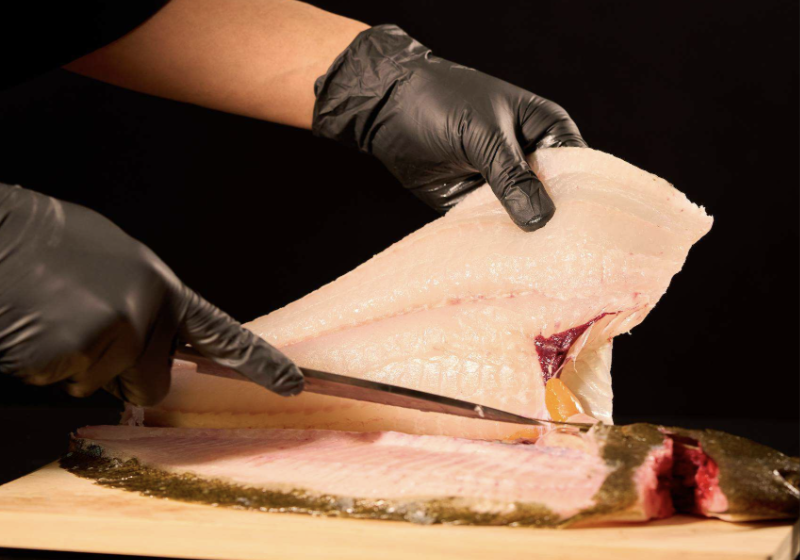
Engawa: The Cut Most Diners Never Notice
Engawa (縁側) is the thin band of muscle that moves the dorsal and ventral fins of a flatfish, and the classic engawa comes from hirame, the olive flounder. Engawa tastes richer than the white body meat of the same fish, with more fat, a clean sweetness, and a crunchy chew that comes from its high… Continue reading Engawa: The Cut Most Diners Never Notice
Local Story ● 2026 Sep 25
-

What Is Truffle (トリュフ), and How Much Belongs on Sushi?
Truffle, written toryufu (トリュフ) on a Japanese menu, is the underground fruiting body of a fungus in the genus Tuber, which lives in partnership with the roots of trees such as oak, hazel and beech. The white truffle, Tuber magnatum from Piedmont in northern Italy, is shaved raw because its aroma fades with heat, while… Continue reading What Is Truffle (トリュフ), and How Much Belongs on Sushi?
Local Story ● 2026 Sep 25
-
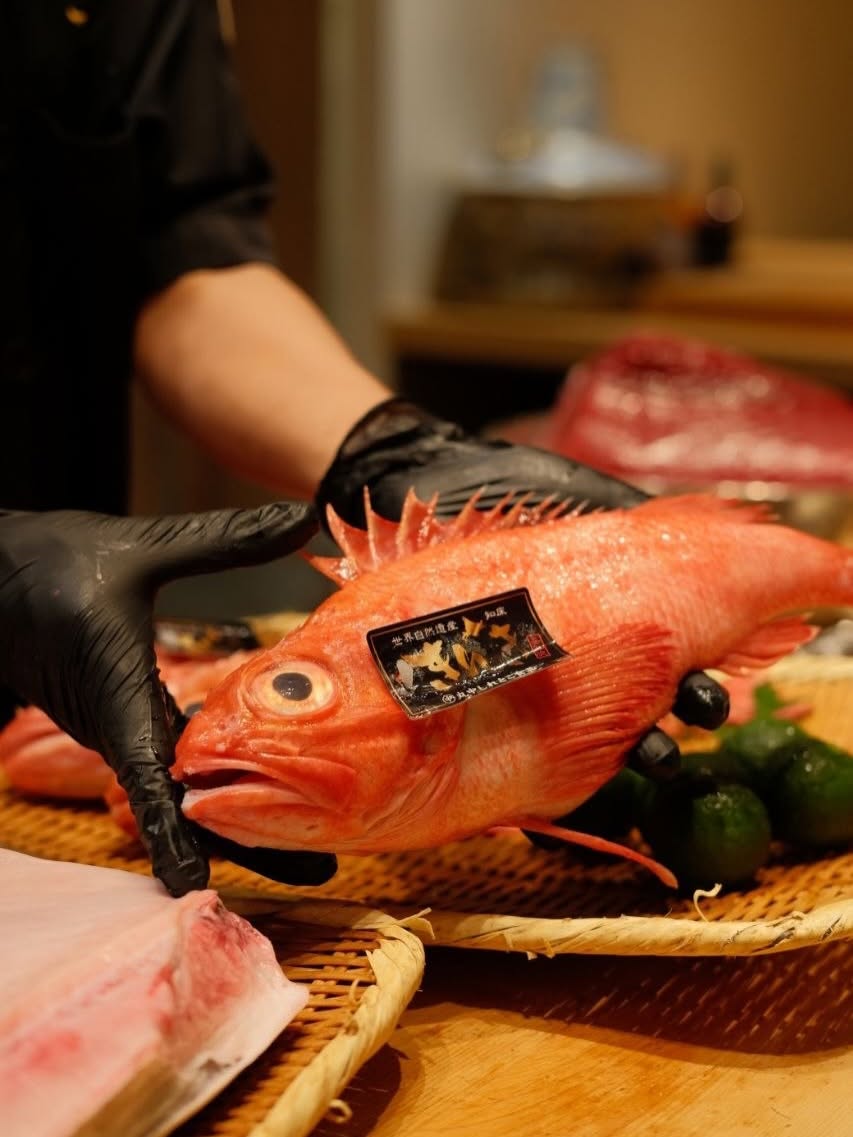
What Is Kinki Fish? Kichiji, the Deep Water
Kinki is the Japanese counter name for Sebastolobus macrochir, a deep water thornyhead from the northwestern Pacific that is classified as a white fish but carries far more fat than a white fish usually does. Kinki, kichiji and menme are three names for one species, used in different regions and different registers, and none of… Continue reading What Is Kinki Fish? Kichiji, the Deep Water
Local Story ● 2026 Aug 30
-
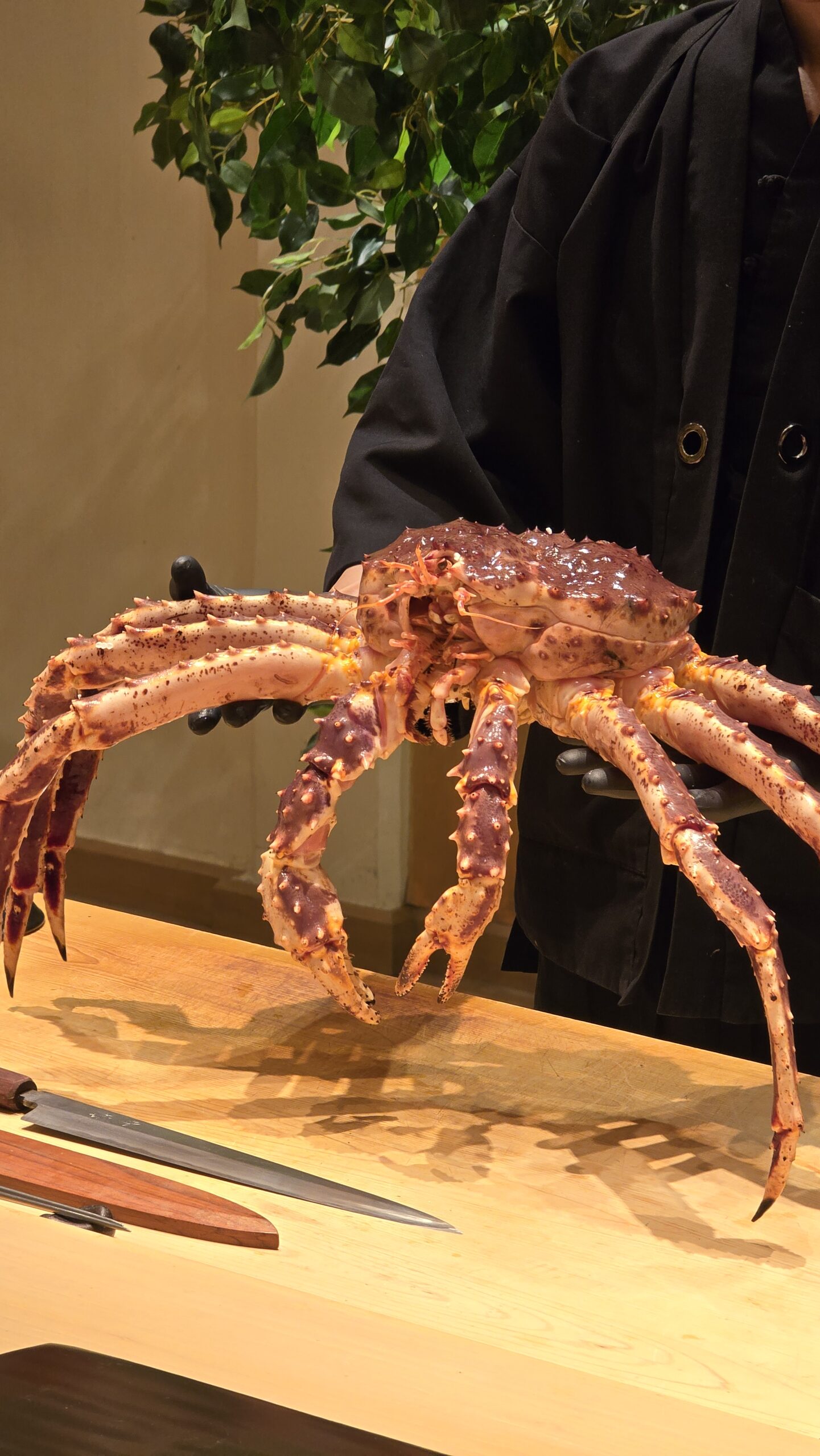
What Is Taraba King Crab? The Hokkaido Giant That Is Not Actually a Crab
Taraba king crab, tarabagani in Japanese, is the red king crab, the largest and most prized of the king crab species found in Japanese waters. Taraba is not a true crab. It belongs to the hermit crab family, and the giveaway is the leg count: true crabs have ten legs, taraba has eight, with two… Continue reading What Is Taraba King Crab? The Hokkaido Giant That Is Not Actually a Crab
Local Story ● 2026 Aug 30

