




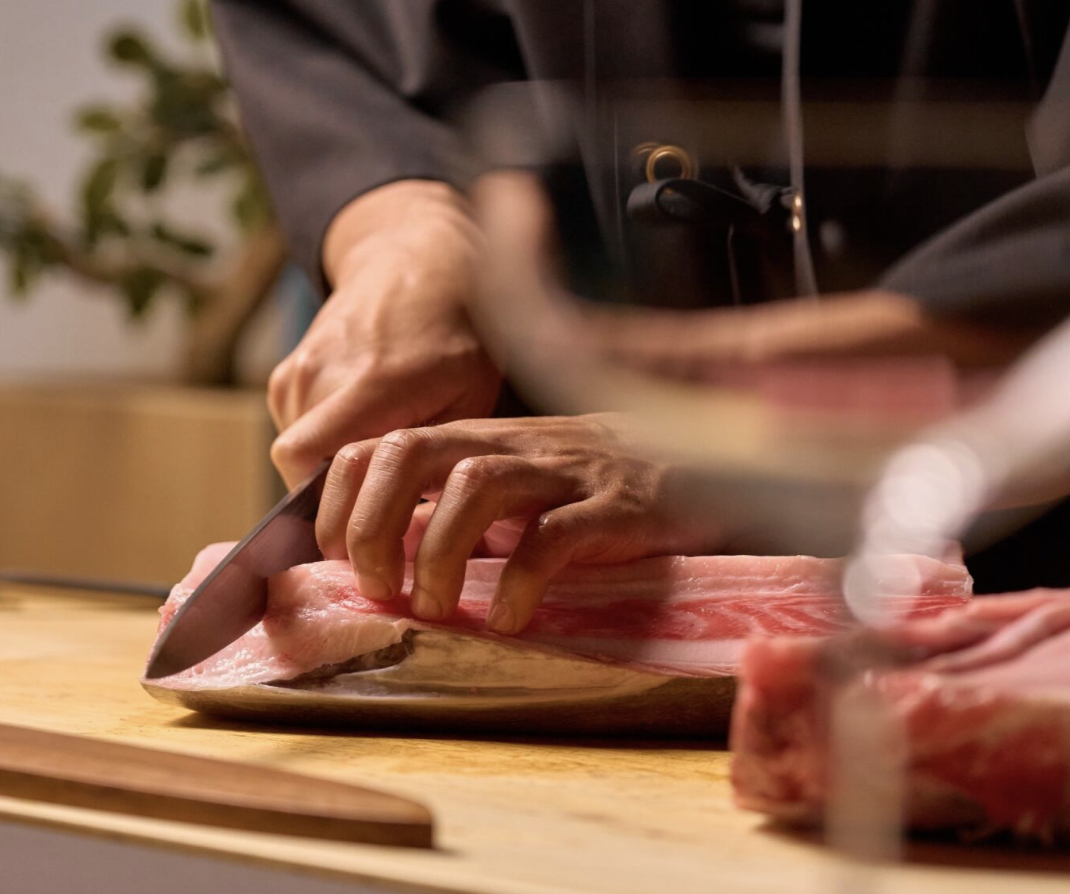
Why Aging Fish Makes Omakase Taste Better?
Aging fish for omakase enhances both texture and flavor through enzymatic breakdown of proteins, creating deeper umami notes and a tender texture that pairs seamlessly with sushi rice. Unlike fresh fish which can be overly firm, aged fish develops complex flavors over 3-30 days through controlled temperature and humidity. Benefits of Aged Fish in Omakase… Continue reading Why Aging Fish Makes Omakase Taste Better?
Local Story ● 2025 Dec 4
Aging fish for omakase enhances both texture and flavor through enzymatic breakdown of proteins, creating deeper umami notes and a tender texture that pairs seamlessly with sushi rice. Unlike fresh fish which can be overly firm, aged fish develops complex flavors over 3-30 days through controlled temperature and humidity.
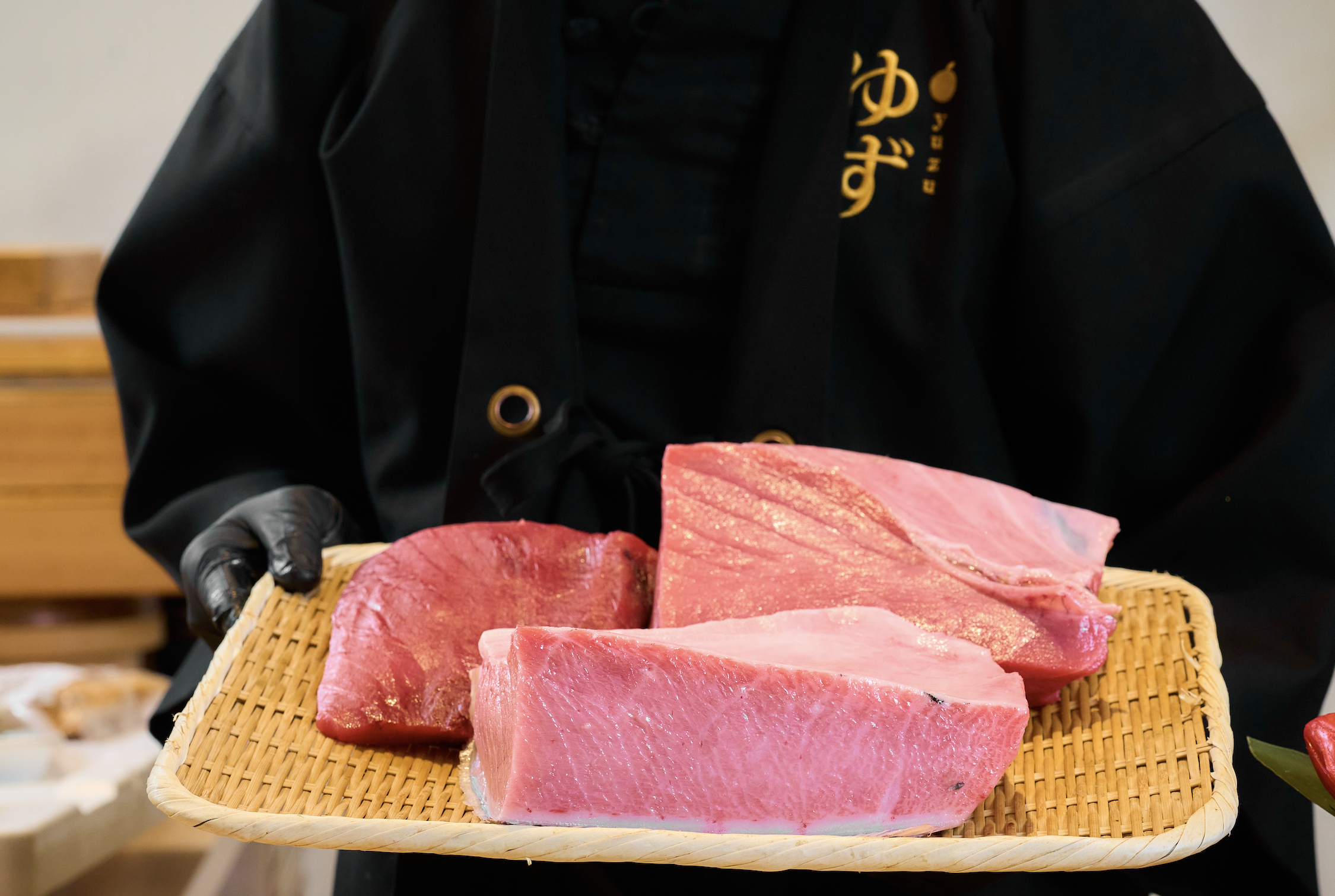
Benefits of Aged Fish in Omakase
- Enhanced Umami: ATP breaks down into inosinic acid (IMP), a key source of umami
- Improved Texture: Fish becomes tender and buttery, melding perfectly with rice
- Concentrated Flavor: Aging removes excess moisture, creating more concentrated and balanced flavor
- Better Harmony: Aged fish complements vinegared rice better than fresh fish
- Complex Taste Profile: Development of amino acids and peptides creates depth
The Science Behind Fish Aging for Omakase
Breaking Down the Chemistry
In living fish, adenosine triphosphate (ATP) fuels muscle movement. After the fish is killed, enzymatic activity begins breaking down ATP, producing inosinic acid (IMP). This transformation is crucial for developing the signature umami taste that defines premium omakase experiences.
The aging process involves:
- Protein breakdown into amino acids and peptides
- Collagen degradation that softens the flesh
- Natural enzyme activity that enhances flavor compounds
- Moisture reduction for concentrated taste
Why Fresh Isn't Always Best
While sashimi emphasizes the freshness of just-killed fish, aged fish is preferred for sushi. Fresh fish can be overly firm, making it harder to meld with sushi rice. This fundamental difference explains why top omakase chefs in Bangkok and Tokyo prefer properly aged fish.
Traditional Aging Techniques Used by Omakase Chefs
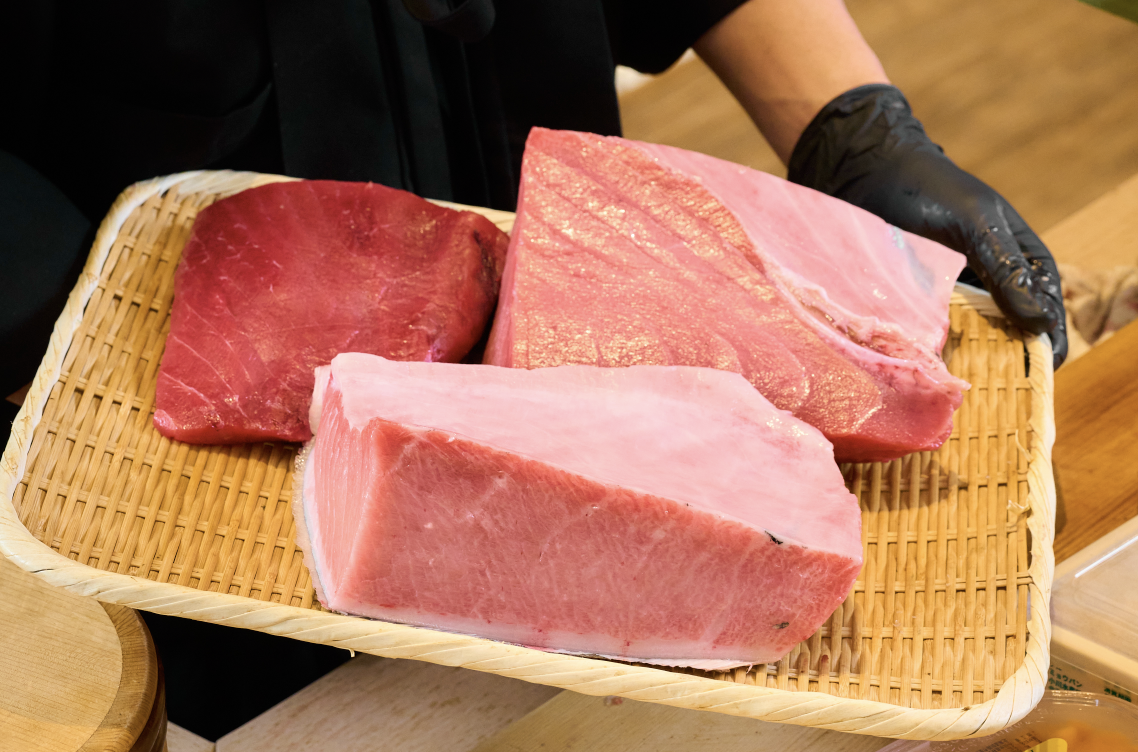
Temperature and Humidity Control
The optimal temperature is maintained between 0°C and 5°C. Proper humidity also prevents the fish from drying out, ensuring a perfect balance of moisture and flavor. This precision requires specialized equipment and expert knowledge.
Kombu-Jime Method
One well-known technique is kombu-jime, where the fish is wrapped in kelp. The kelp's glutamic acid, a natural source of umami, transfers to the fish. This traditional Edo-period technique remains popular in Bangkok's premium omakase restaurants.
Comparing Fresh vs. Aged Fish in Omakase
| Aspect | Fresh Fish | Aged Fish (3-30 days) |
| Texture | Firm, sometimes tough | Tender, buttery, melts in mouth |
| Umami Level | Low to moderate | Intensified through protein breakdown |
| Flavor Depth | Simple, clean | Complex, layered, concentrated |
| Rice Pairing | Can overpower rice | Harmonizes perfectly with shari |
| Moisture Content | High | Optimally reduced |
| Preparation Time | Immediate | Requires 3-30+ days aging |
| Price Point | Standard | Premium (20-40% higher) |
Different Fish Aging Periods
Optimal Aging Times by Species
White Fish (Shiromi): These fishes are actually tasteless if eaten straight after being caught and taste their best after 3 to 5 days of aging.
- Flounder (Hirame): 3-5 days
- Sea Bream (Madai): 3-5 days
- Snapper: 3-7 days
Tuna (Maguro): Red tuna is typically aged for about a week to soften its iron-rich aroma and amplify its sweetness.
- Akami: 7-10 days
- Chu-toro: 10-14 days
- Otoro: 7-14 days
Premium Aging: Some Bangkok omakase restaurants age certain fish for 30-60+ days for ultra-premium experiences
Bangkok's Omakase Scene and Aged Fish
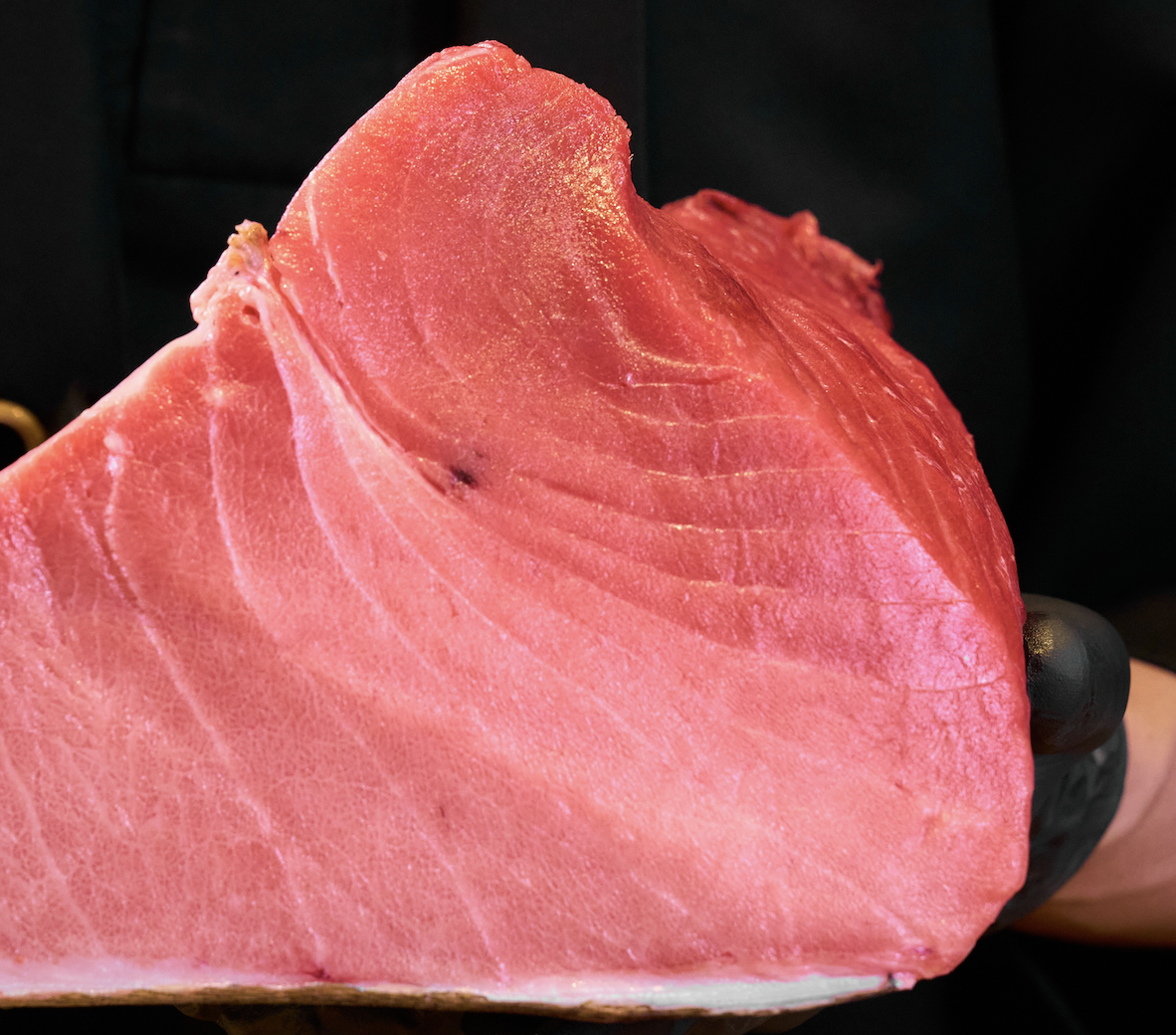
Bangkok has emerged as a major destination for aged fish omakase, with restaurants like Sushi-Misaki Rainhill where Chef Masahiro Misaki uses Edo-style cured, fermented, and aged fish Clever Thai. The city's omakase culture rivals Tokyo in dedication to aging techniques.
Top Bangkok omakase restaurants specializing in aged fish include establishments in Siam Square, Thonglor, and Sukhumvit, where chefs import premium fish from Toyosu Market and age them using traditional Japanese methods combined with modern temperature control technology.
Key Takeaways: Why Aged Fish Elevates Omakase
✓ Scientific Transformation: Enzymatic breakdown creates umami compounds impossible in fresh fish
✓ Texture Revolution: From firm to tender-melting consistency
✓ Flavor Concentration: 20-30% moisture loss intensifies taste
✓ Cultural Tradition: 400 years of Japanese aging tradition
✓ Premium Experience: Worth the 20-40% price premium for complexity
✓ Bangkok Excellence: Local omakase restaurants rival Tokyo's best
FAQ: Aged Fish in Omakase
Q: Is aged fish safe to eat in omakase? A: Yes, when done correctly. Sushi chefs follow strict hygiene standards with controlled temperature, humidity, and specialized equipment to ensure safety.
Q: Why does aged tuna taste better than fresh? A: The red meat of tuna becomes more flavorful and melt-in-your-mouth, while fatty cuts like ōtoro take on a cleaner, more refined richness.
Q: What's the difference between aged sushi and regular sushi? A: Aged sushi (jukusei) uses fish matured 3-30+ days for enhanced umami and texture, while regular sushi often uses fish within 1-2 days of catching.
Q: How long can fish be aged for omakase? A: Typically 3-30 days, though some specialty restaurants age premium tuna for 49-65 days, creating white tyrosine crystals Yuenryori.
Q: Do all Bangkok omakase restaurants age their fish? A: Not all, but premium establishments increasingly adopt aging techniques, with many featuring specialized dry-aging cabinets.
Q: Why is aged fish omakase more expensive? A: The process requires specialized equipment, expertise, storage space, and results in 20-30% weight loss, justifying premium pricing.
Q: Can you taste the difference between 3-day and 30-day aged fish? A: Yes, dramatically. Short aging softens texture, while extended aging develops complex umami, concentrated flavors, and sometimes visible amino acid crystals.
RELATE
-
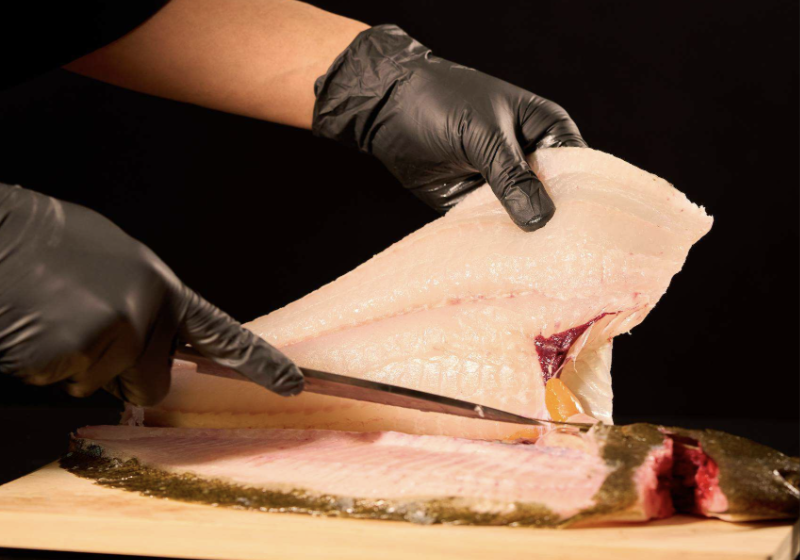
Engawa: The Cut Most Diners Never Notice
Engawa (縁側) is the thin band of muscle that moves the dorsal and ventral fins of a flatfish, and the classic engawa comes from hirame, the olive flounder. Engawa tastes richer than the white body meat of the same fish, with more fat, a clean sweetness, and a crunchy chew that comes from its high… Continue reading Engawa: The Cut Most Diners Never Notice
Local Story ● 2026 Sep 25
-
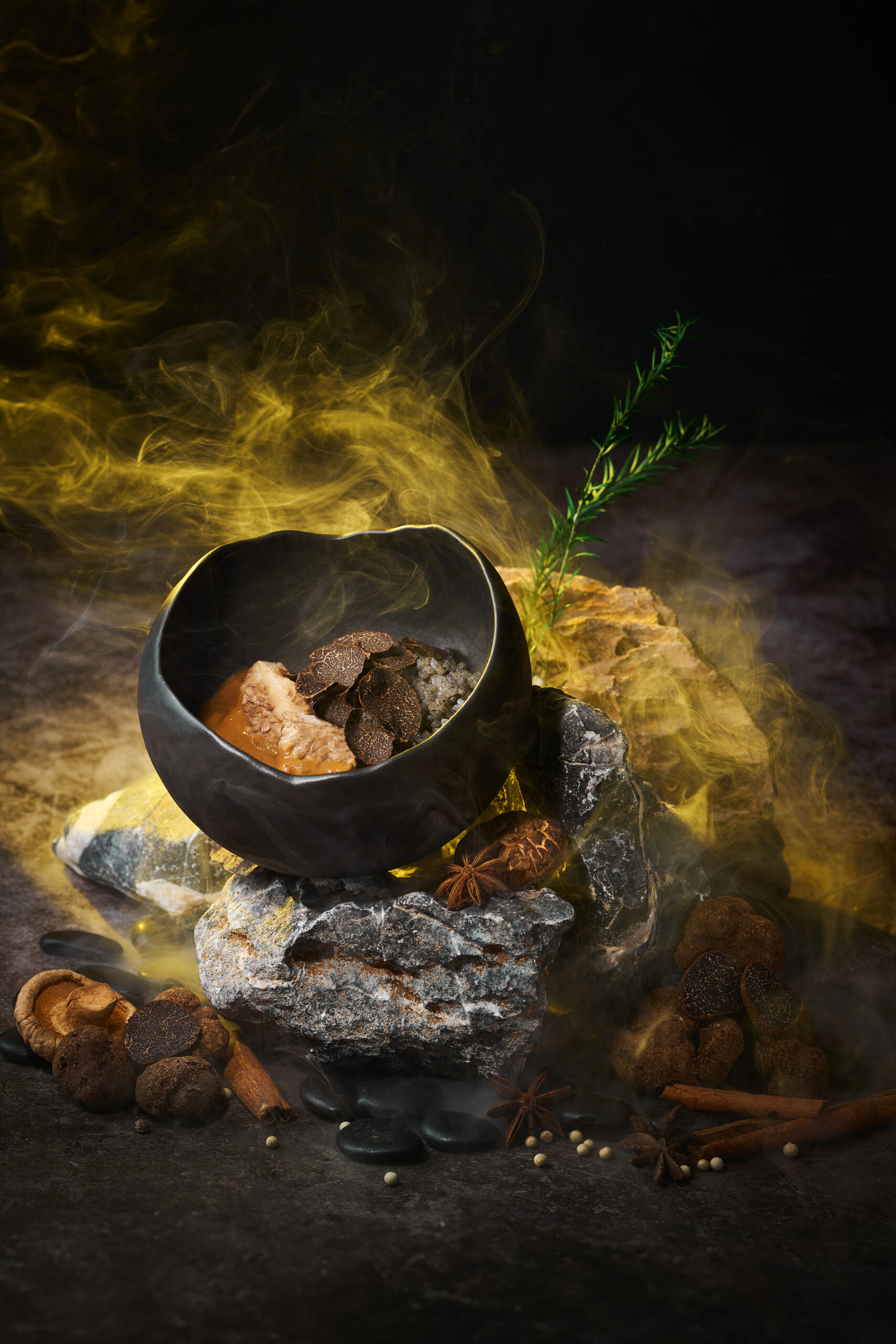
What Is Truffle (トリュフ), and How Much Belongs on Sushi?
Truffle, written toryufu (トリュフ) on a Japanese menu, is the underground fruiting body of a fungus in the genus Tuber, which lives in partnership with the roots of trees such as oak, hazel and beech. The white truffle, Tuber magnatum from Piedmont in northern Italy, is shaved raw because its aroma fades with heat, while… Continue reading What Is Truffle (トリュフ), and How Much Belongs on Sushi?
Local Story ● 2026 Sep 25
-
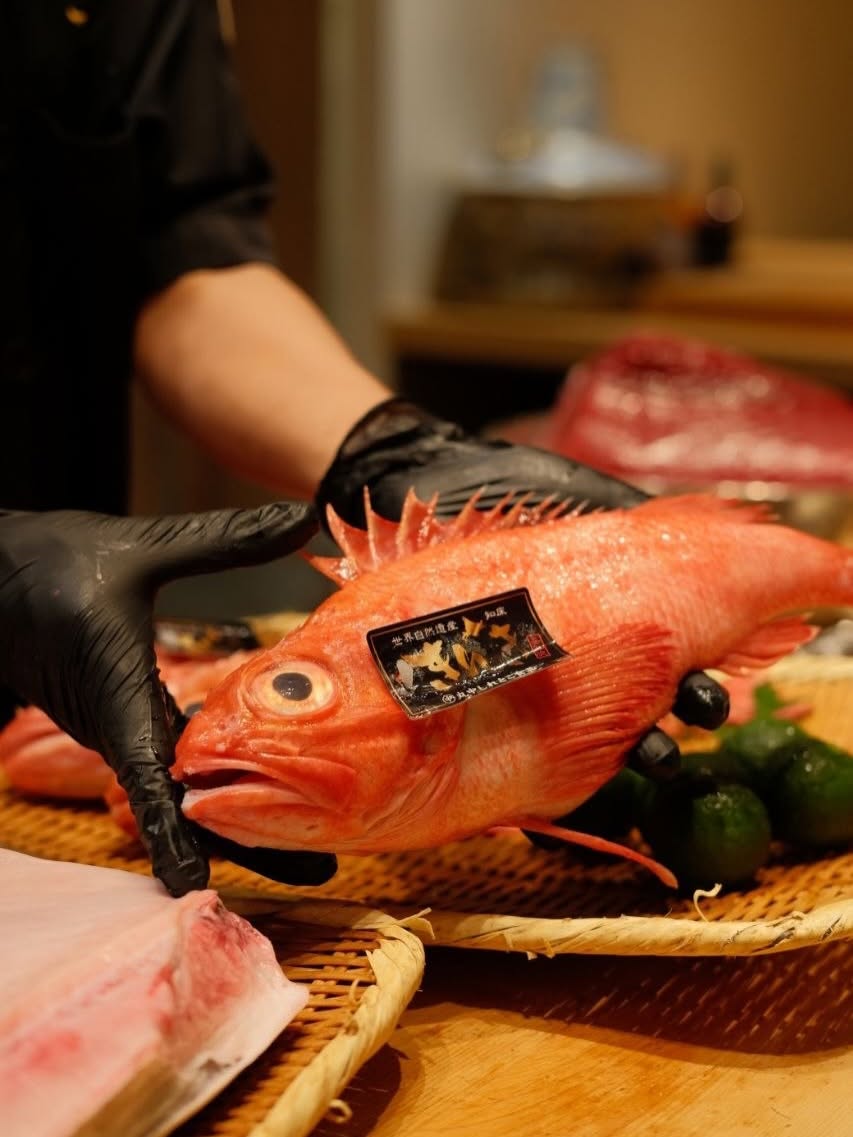
What Is Kinki Fish? Kichiji, the Deep Water
Kinki is the Japanese counter name for Sebastolobus macrochir, a deep water thornyhead from the northwestern Pacific that is classified as a white fish but carries far more fat than a white fish usually does. Kinki, kichiji and menme are three names for one species, used in different regions and different registers, and none of… Continue reading What Is Kinki Fish? Kichiji, the Deep Water
Local Story ● 2026 Aug 30
-
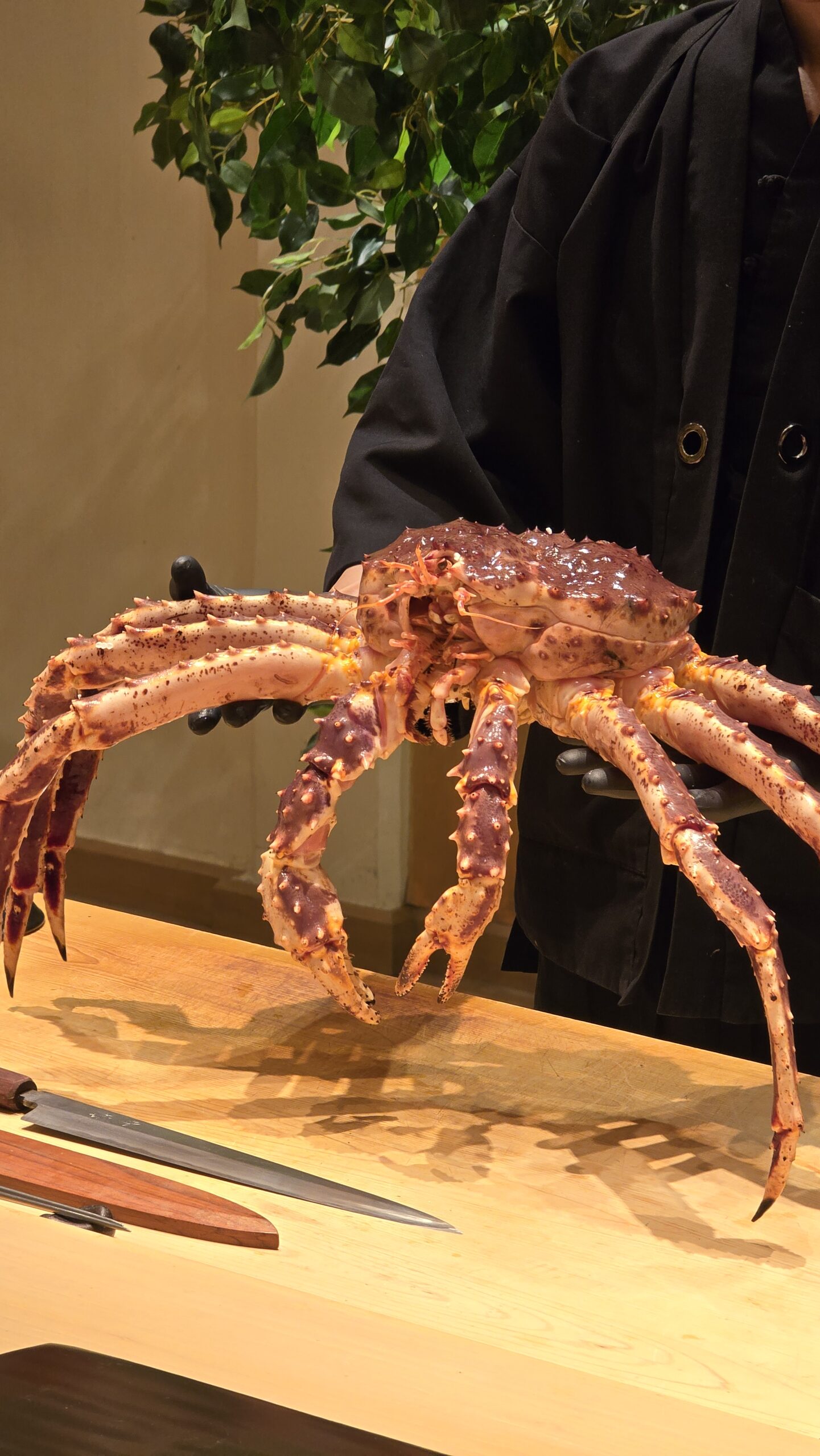
What Is Taraba King Crab? The Hokkaido Giant That Is Not Actually a Crab
Taraba king crab, tarabagani in Japanese, is the red king crab, the largest and most prized of the king crab species found in Japanese waters. Taraba is not a true crab. It belongs to the hermit crab family, and the giveaway is the leg count: true crabs have ten legs, taraba has eight, with two… Continue reading What Is Taraba King Crab? The Hokkaido Giant That Is Not Actually a Crab
Local Story ● 2026 Aug 30

